
When a prospective pet owner asks, “What is the life expectancy of a Chihuahua dog?” they are usually seeking emotional preparation. However, from a fiscal perspective, the answer—which ranges from 15 to 20 years—represents one of the longest financial commitments in the domestic animal kingdom. While the Chihuahua’s small stature suggests “low maintenance,” their record-breaking longevity necessitates a sophisticated, multi-decade financial strategy.
Caring for a breed that can easily live two decades requires more than just a monthly line item for kibble; it requires an understanding of capital allocation, risk management, and the inflationary costs of veterinary medicine. This article analyzes the financial lifecycle of the Chihuahua, treating the dog’s life expectancy as a long-term investment horizon.

The Long-Term Capital Commitment: Understanding the 20-Year Financial Horizon
The primary financial challenge of Chihuahua ownership is the sheer duration of the commitment. Unlike larger breeds that may only live 8 to 10 years, the Chihuahua effectively doubles the amortization period of your initial “investment.” When budgeting for a pet that lives 20 years, an owner must account for the compounding costs of care over two distinct decades of economic shifts.
Upfront Acquisition vs. Lifetime Maintenance
The initial “purchase price” or adoption fee of a Chihuahua is a drop in the bucket compared to its lifetime cost. A well-bred Chihuahua from a reputable breeder may cost between $1,500 and $3,500, while adoption fees range from $100 to $500. However, when you factor in a 20-year lifespan, the secondary costs—food, grooming, annual exams, and preventative medications—become the dominant financial figures.
If we estimate a conservative “maintenance cost” of $1,200 per year, a Chihuahua living to 20 will cost $24,000 in basic upkeep alone. This figure does not include emergency surgeries or specialized senior care. For a family’s personal finance portfolio, this is equivalent to a car loan that never ends or a significant portion of a child’s college fund.
Inflation and the Rising Costs of Veterinary Care
One often overlooked aspect of a 20-year life expectancy is the impact of inflation on veterinary services and pet supplies. The cost of a standard office visit today will not be the cost of that visit in 2044. Historically, veterinary inflation has outpaced the general Consumer Price Index (CPI).
Owners must factor in a 3% to 5% annual increase in service costs. A dental cleaning that costs $400 today could easily cost $800 by the time your Chihuahua reaches its senior years. Therefore, a static budget is insufficient; a dynamic financial plan that adjusts for the diminishing purchasing power of the dollar is essential for long-term Chihuahua care.
Risk Management: Pet Insurance and Emergency Fund Strategies
In the world of personal finance, risk management is the practice of protecting your capital against unforeseen liabilities. Because Chihuahuas are prone to specific genetic conditions—such as luxating patellas, mitral valve disease, and dental decay—the financial risk of “self-insuring” is high.
Analyzing the ROI of Insurance Premiums for Small Breeds
Pet insurance is essentially a hedge against volatility. For a Chihuahua, the “Return on Investment” (ROI) for insurance is often higher than for other breeds because they live long enough to almost certainly encounter a major health event. When selecting a policy, owners must look for “lifetime coverage” rather than “annual limit” policies.
Because Chihuahuas are long-lived, a policy that caps payouts annually may leave the owner exposed if the dog develops a chronic condition (like diabetes or heart disease) at age 12 that requires expensive medication for another eight years. The premium paid in the early years—when the dog is healthy—acts as a “lock-in” for coverage during the high-risk senior years.
The Self-Insurance Model: Creating a Dedicated Pet Sinking Fund
For those who prefer not to pay monthly premiums to an insurance company, the alternative is the “Sinking Fund” model. This involves diverting a set amount of income into a high-yield savings account (HYSA) dedicated solely to the dog’s medical needs.
However, the math for a Chihuahua is unique. If you save $50 a month, after 10 years you have $6,000 (plus interest). While this might cover one major surgery, a Chihuahua’s 20-year lifespan means they could face multiple health crises. The self-insurance model requires a high degree of financial discipline and a realization that a “catastrophic” event in year two could wipe out the fund before it has had time to grow.

The Cost of Preventive Wellness: Investing in Health to Mitigate Future Liabilities
In business, “preventative maintenance” is always cheaper than “catastrophic failure.” This principle applies perfectly to the Chihuahua’s life expectancy. By spending more on high-quality inputs in the first half of the dog’s life, owners can significantly reduce the “tail-end” costs of the second decade.
Nutritional Arbitrage: High-Quality Feed vs. Long-Term Medical Expenses
There is a direct correlation between nutrition and the lifespan of small-breed dogs. While “budget” kibble might save an owner $20 a month in the short term, the long-term financial consequences—obesity, kidney issues, and poor coat health—can lead to thousands of dollars in veterinary bills.
Investing in high-quality, biologically appropriate food is a form of “nutritional arbitrage.” You are paying a premium now to avoid the high cost of prescription diets and metabolic treatments later. Given that a Chihuahua eats very little compared to a Great Dane, the price difference between “premium” and “economy” food is negligible on a monthly basis but massive in terms of long-term health outcomes.
Dental Care as a Financial Safeguard against Systemic Issues
The Chihuahua’s greatest “financial liability” is its mouth. Due to their small skulls, their teeth are often crowded, leading to rapid plaque buildup and periodontal disease. If left untreated, dental infections can lead to heart and kidney failure—two of the most expensive conditions to manage in senior dogs.
A professional dental cleaning under anesthesia may cost $500 to $1,000 annually. Over 20 years, this is a $10,000 to $20,000 investment. However, failing to make this investment often results in a “cascading financial failure” where the dog requires multiple tooth extractions and expensive cardiac medications in its final decade. In this niche of pet ownership, the toothbrush is the most effective financial tool available.
Senior Care Logistics: Managing the Fiscal Peak of the Golden Years
The final 25% of a Chihuahua’s life—roughly ages 15 to 20—is the “fiscal peak.” This is the period when medical expenses typically spike as the body begins to experience age-related decline.
Specialized Equipment and Palliative Care Budgeting
As a Chihuahua enters its late teens, the budget must shift from “preventative” to “supportive.” This includes the cost of specialized orthopedic beds, ramps to navigate furniture (to prevent expensive fractures), and potentially specialized mobility aids.
Palliative care also enters the balance sheet. This might include laser therapy for arthritis, acupuncture, or a regimen of daily pain management medications. These costs are often consistent and “sticky,” meaning they will be a permanent part of the monthly budget until the end of the dog’s life. Financial planners suggest that pet owners increase their “pet line item” by 30% once the dog reaches age 14 to account for this transition.
Estate Planning and Providing for Your Pet’s Future
Given that a Chihuahua can live for 20 years, there is a statistical possibility that the dog may outlive its owner’s current life stage or even the owner themselves. Responsible financial management includes “pet estate planning.”
This involves setting up a “Pet Trust” or designating a portion of a will to cover the dog’s care. If a Chihuahua is 10 years old and the owner undergoes a major life change (such as a move to an assisted living facility or a loss of income), the dog still has a decade of life left. Ensuring that there is a dedicated “capital reserve” for the dog ensures that the 20-year life expectancy is a blessing rather than a financial burden for the next of kin.
Conclusion: The ROI of a Long-Lived Companion
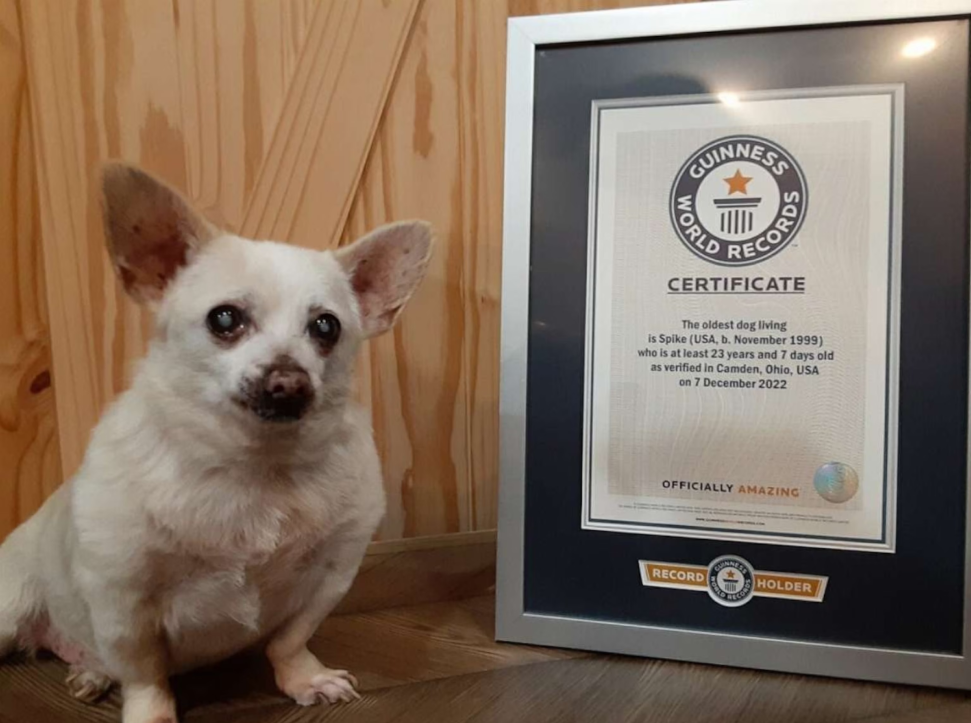
The life expectancy of a Chihuahua dog is a marvel of the canine world, but it is also a significant financial undertaking. By viewing the dog’s 15-to-20-year lifespan through a financial lens, owners can move from reactive spending to proactive wealth management.
Successful Chihuahua ownership requires a strategy that balances the immediate costs of high-quality nutrition and dental care against the long-term risks of age-related disease. Whether through robust insurance policies or dedicated sinking funds, the goal is to ensure that the “golden years” of this long-lived breed are funded by a lifetime of smart financial decisions. In the end, the “return” on this 20-year investment isn’t measured in dollars, but in the enduring companionship of a pet that stays by your side through two decades of life’s financial ups and downs.
aViewFromTheCave is a participant in the Amazon Services LLC Associates Program, an affiliate advertising program designed to provide a means for sites to earn advertising fees by advertising and linking to Amazon.com. Amazon, the Amazon logo, AmazonSupply, and the AmazonSupply logo are trademarks of Amazon.com, Inc. or its affiliates. As an Amazon Associate we earn affiliate commissions from qualifying purchases.