
The global transition toward renewable energy has transformed solar power from a niche experimental technology into the backbone of the modern energy grid. At the heart of this revolution lies a single, critical metric: efficiency. When we ask, “What is the highest efficiency solar panel?” we are not just looking for a brand name; we are exploring the frontiers of semiconductor physics, materials science, and precision engineering.
Efficiency in a solar panel refers to the percentage of sunlight (photons) that the panel can successfully convert into usable electricity. While early iterations of solar technology struggled to reach double digits, today’s high-tech landscape is pushing the boundaries of what was once thought physically impossible.
Understanding the Physics of Solar Efficiency
To understand which panels are the most efficient, we must first understand the technical constraints that engineers face. Not all sunlight is created equal, and not every photon that hits a panel is captured.
The Shockley-Queisser Limit
The fundamental benchmark for solar technology is the Shockley-Queisser Limit. This theoretical limit calculates the maximum possible efficiency for a single-junction solar cell (a cell with only one layer of light-absorbing material). For standard silicon cells, this limit is approximately 33.7%. The reason we don’t see 100% efficiency is due to physics: some photons lack enough energy to knock electrons loose, while others have too much energy, which is lost as heat. High-efficiency tech is essentially an engineering war against these energy losses.
Laboratory vs. Commercial Efficiency
It is important to distinguish between “lab records” and “commercial availability.” In controlled environments, researchers have achieved efficiencies exceeding 47% using multi-junction concentrator cells. However, these are often prohibitively expensive and used primarily in aerospace or specialized research. When we discuss the “highest efficiency” in a tech context, we generally refer to the high-end consumer and industrial modules that are currently deployable.
The Current Leaders in Commercial Solar Technology
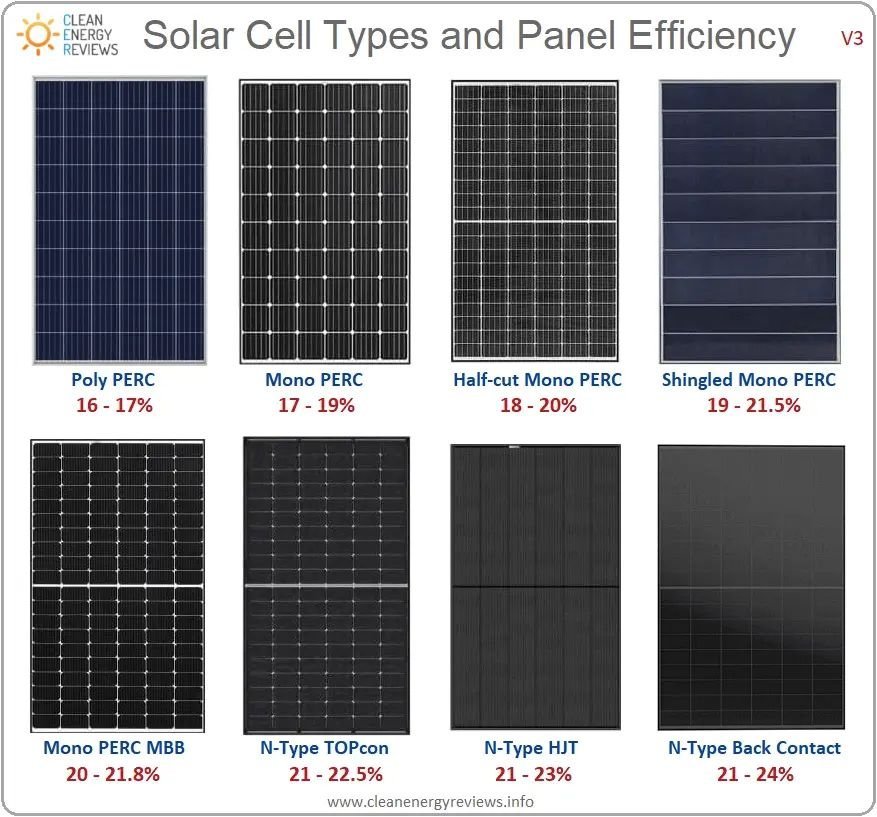
As of 2024, the commercial market is dominated by a few key technologies that have successfully pushed efficiency ratings past the 22% and 23% milestones. These advancements are driven by sophisticated cell architectures that minimize shading and maximize electron flow.
N-Type Silicon and IBC Technology
For years, P-type silicon was the industry standard. However, the tech industry has pivoted toward N-type silicon, which is infused with phosphorus. N-type cells are more efficient and less prone to light-induced degradation (LID).
The current record-holder for the highest efficiency commercial solar panel is typically held by companies utilizing Interdigitated Back Contact (IBC) technology. In a standard solar cell, the metal “busbars” or ribbons are on the front, which creates shading. IBC tech moves all the electrical contacts to the back of the cell. This leaves the entire front surface exposed to the sun. Brands like Maxeon (SunPower) have utilized this architecture to achieve commercial efficiencies of 22.8% to 24.1%, currently the highest available to the general market.
TOPCon (Tunnel Oxide Passivated Contact)
Another major technological leap is TOPCon. This is an advanced N-type cell architecture that adds a thin tunneling oxide layer and a highly doped polycrystalline silicon layer to the back of the cell. This reduces “recombination” (where electrons are lost before they can be turned into current). TOPCon is rapidly becoming the new tech standard because it allows manufacturers to upgrade existing production lines to produce panels with efficiencies consistently hitting the 22.5% mark.
The Next Frontier: Tandem and Perovskite Solar Cells
While silicon has been the king of solar for decades, we are reaching its physical plateau. The next major leap in high-efficiency tech involves “tandem” cells—stacking different materials on top of each other to capture a wider spectrum of sunlight.
The Perovskite Revolution
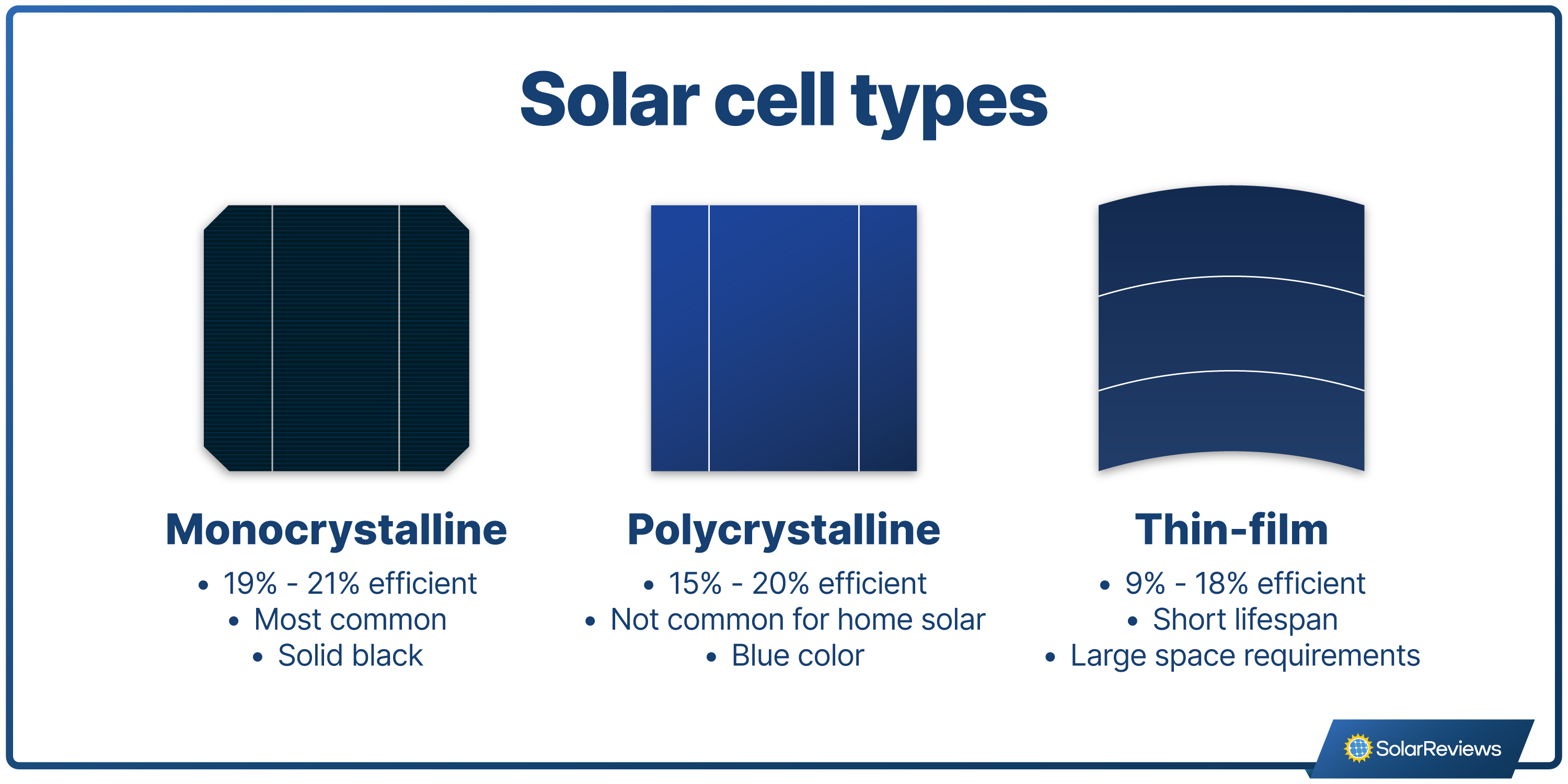
Perovskites are a class of synthetic materials with a specific crystal structure that have shown a meteoric rise in efficiency in laboratory settings. What makes Perovskites a “tech disruptor” is their versatility. They can be manufactured using solution processing (similar to printing), and they can be tuned to absorb specific wavelengths of light that silicon misses.
Silicon-Perovskite Tandem Cells
The “Holy Grail” of current solar engineering is the Silicon-Perovskite tandem cell. By layering a Perovskite cell (which captures blue/high-energy photons) on top of a standard Silicon cell (which captures red/low-energy photons), engineers have already surpassed the 30% efficiency mark in research settings. In late 2023 and early 2024, several tech firms announced prototype tandem modules reaching 33.9% efficiency. Bringing this technology to mass production is the current primary focus of solar R&D departments worldwide.
Engineering Factors Beyond the Cell Surface
The “highest efficiency” isn’t just about the chemistry of the cell; it’s about the hardware engineering of the entire module. Modern panels use several structural innovations to squeeze every possible watt out of the sun.
Half-Cut Cells and Multi-Busbars (MBB)
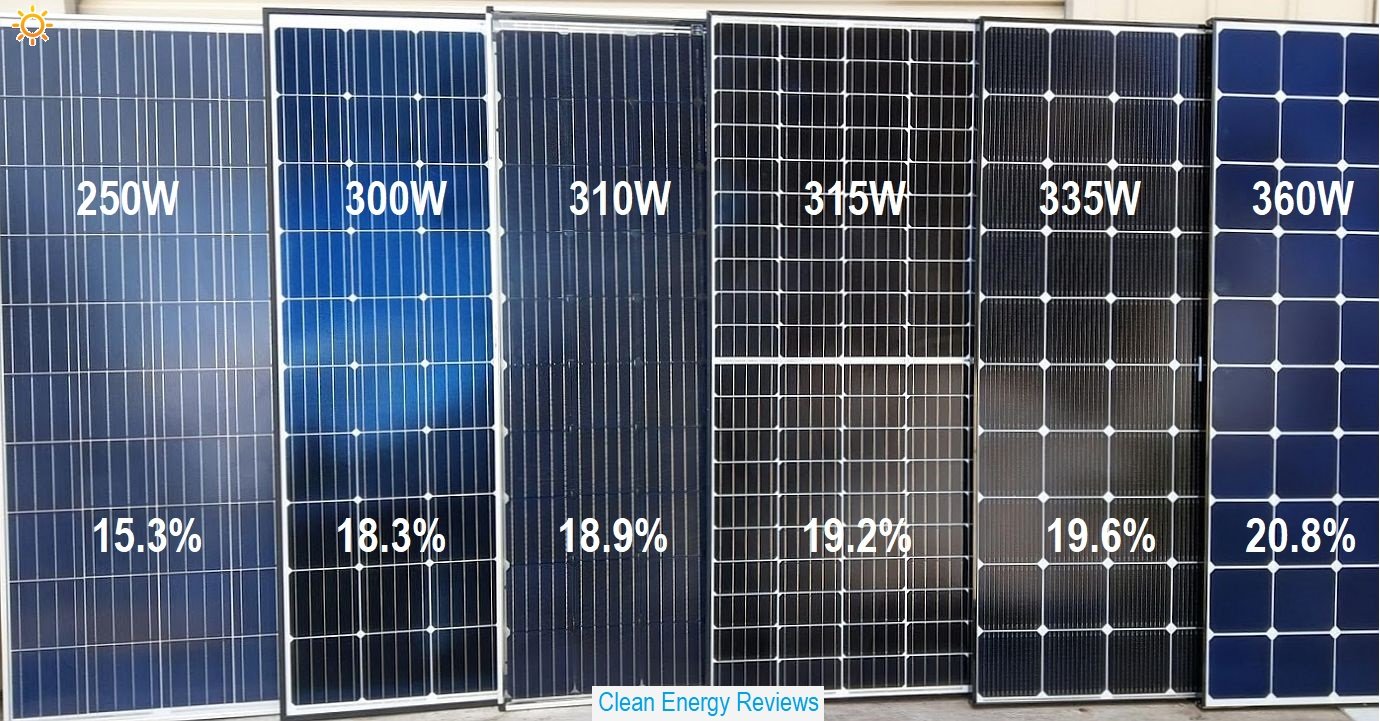
Traditionally, solar panels used full-sized square cells. High-efficiency tech now utilizes “half-cut” cells. By cutting the cells in half, the current flowing through each cell is halved, which significantly reduces resistive power loss. Furthermore, the industry has moved from 2 or 3 busbars to 10 or more “micro-busbars.” These thinner wires reduce shading and provide a shorter path for electrons to travel, boosting the overall module efficiency.
Bifacial Technology and Light Capture
Efficiency is also being redefined by how we utilize the backside of a panel. Bifacial solar panels use transparent backsheets or glass-on-glass construction to capture sunlight that reflects off the ground (the albedo effect). While the front-side efficiency might remain at 23%, the total energy yield can increase by an additional 5-15% through back-side capture. This makes the “effective efficiency” of the system much higher than a traditional monofacial panel.
Thermal Coefficients and Performance
A high-efficiency panel must also be efficient in “real-world” tech environments, not just in a cool lab. As solar panels get hot, their efficiency drops. High-tech panels now feature superior temperature coefficients (often -0.29%/°C or lower). This means that on a scorching 100-degree day, a high-efficiency N-type panel will significantly outperform a standard P-type panel, maintaining its power output even under thermal stress.
The Future Roadmap of High-Efficiency Infrastructure
As we look toward the end of the decade, the definition of the “highest efficiency solar panel” will continue to evolve. We are moving away from passive energy collection toward intelligent, integrated energy hardware.
Integration with Smart Grids and AI
Efficiency is increasingly being measured by “dispatchability.” New solar tech is integrating micro-inverters directly into the panel (AC Modules). When combined with AI-driven software, these high-efficiency panels can optimize their output in real-time based on cloud cover, grid demand, and panel-level shading. This ensures that the high-efficiency silicon is never being underutilized.
Scaling the Sub-30% Era
The tech industry’s immediate goal is the commercialization of 25%+ efficiency modules for the mass market. This involves solving the durability issues of Perovskites—ensuring they can last 25 years in the rain and heat—and perfecting the manufacturing of “shingled” cells, where cells overlap slightly to eliminate the gaps between them.
In conclusion, the highest efficiency solar panel today is a marvel of N-type silicon and IBC engineering, hovering around the 24% mark. However, the technological trajectory is clear: the integration of tandem materials and advanced light-trapping architectures is set to shatter the 30% barrier in the coming years. For the tech-forward observer, the solar industry is no longer about simple glass panels; it is a high-stakes race toward mastering the very physics of light.
aViewFromTheCave is a participant in the Amazon Services LLC Associates Program, an affiliate advertising program designed to provide a means for sites to earn advertising fees by advertising and linking to Amazon.com. Amazon, the Amazon logo, AmazonSupply, and the AmazonSupply logo are trademarks of Amazon.com, Inc. or its affiliates. As an Amazon Associate we earn affiliate commissions from qualifying purchases.