
In the rapidly evolving landscape of material science, the nomenclature used to describe substances often leads to confusion among engineers, developers, and tech enthusiasts. Two terms that are frequently conflated due to their linguistic similarity are “resin” and “rosin.” While they may share a common biological origin in some instances, their roles in modern technology—ranging from additive manufacturing (3D printing) to high-precision electronics assembly—are distinct and non-interchangeable.
Understanding the technical nuances between resin and rosin is essential for anyone involved in hardware development, circuit design, or industrial prototyping. This article explores the chemical compositions, technological applications, and future trajectories of these two critical materials within the tech sector.
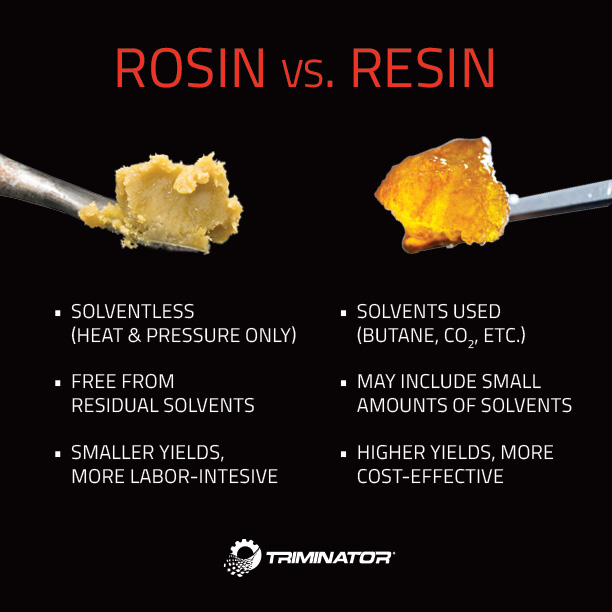
Material Science Foundations: Defining Resin and Rosin in Modern Tech
To distinguish these substances, one must first look at their molecular structures and how they are synthesized for industrial use. In a technical context, the term “resin” has evolved from its botanical roots to encompass a massive category of synthetic polymers, whereas “rosin” remains a specific derivative of natural oleoresins.
The Chemical Composition of Synthetic Resins
In the tech industry, “resin” almost exclusively refers to synthetic polymers. These are high-viscosity substances—either liquid or semi-solid—that are capable of hardening into a solid state through a process known as polymerization or curing. This curing is typically triggered by heat, chemical catalysts, or ultraviolet (UV) light.
Synthetic resins, such as epoxy, polyurethane, and silicone, are engineered for specific mechanical properties. They are composed of long-chain molecules that cross-link during the curing process, creating a durable, stable structure. This ability to manipulate the molecular “backbone” allows tech manufacturers to create resins that are either flexible like rubber or harder than some metals, making them the backbone of modern casing, insulation, and structural components.
The Biological Origins and Processing of Natural Rosins
Rosin, by contrast, is a solid form of resin obtained from pines and other conifers. It is produced by heating fresh liquid resin to vaporize the volatile liquid terpene components. Unlike synthetic resins, which are designed for structural permanence, rosin is prized for its chemical reactivity and friction-increasing properties.
In its technical application, rosin is a brittle, translucent solid. Chemically, it consists primarily of various resin acids, notably abietic acid. While synthetic resins are designed for “stability,” rosin is often used because of its ability to transition states or interact with other chemicals—specifically its ability to act as a “flux” in soldering, which we will explore in subsequent sections.
Resin Technology in Additive Manufacturing and 3D Printing
Perhaps the most visible application of resin in the current tech era is within the field of additive manufacturing. Resin-based 3D printing has revolutionized prototyping, allowing for levels of detail and surface finish that traditional Fused Deposition Modeling (FDM) cannot match.
Stereolithography (SLA) and Digital Light Processing (DLP)
The “Resin” used in 3D printing is a specialized photopolymer. This technology relies on the principle of photopolymerization, where a liquid resin is exposed to a specific wavelength of light (usually UV), causing it to solidify layer by layer.
In SLA (Stereolithography), a laser draws the cross-section of a part, while in DLP (Digital Light Processing), a digital projector flashes a single image of the entire layer at once. The tech behind these resins is highly sophisticated; they contain photo-initiators that react to the light source, triggering a rapid chain reaction that binds monomers and oligomers into a rigid plastic matrix. This precision is what allows for the creation of intricate components in dental tech, jewelry design, and high-tech enclosures.
Material Properties: Durability vs. Precision
The tech industry demands diverse material specifications, and resin technology has risen to meet these needs through specialized formulations:
- Engineering Resins: These are designed to mimic the properties of ABS or Polycarbonate, offering high impact resistance and thermal stability.
- Castable Resins: Used in the transition from digital design to metal hardware, these resins leave zero ash residue when burned out, facilitating high-precision metal casting.
- Flexible Resins: These allow for the printing of gaskets, seals, and ergonomic grips, showcasing the versatility of synthetic resin polymers in hardware interfaces.
Rosin’s Crucial Role in Electronics and Circuit Assembly
While resin builds the physical shell of our gadgets, rosin is what makes the internal electronic communication possible. In the world of Surface Mount Technology (SMT) and PCB (Printed Circuit Board) assembly, rosin is the undisputed king of flux.
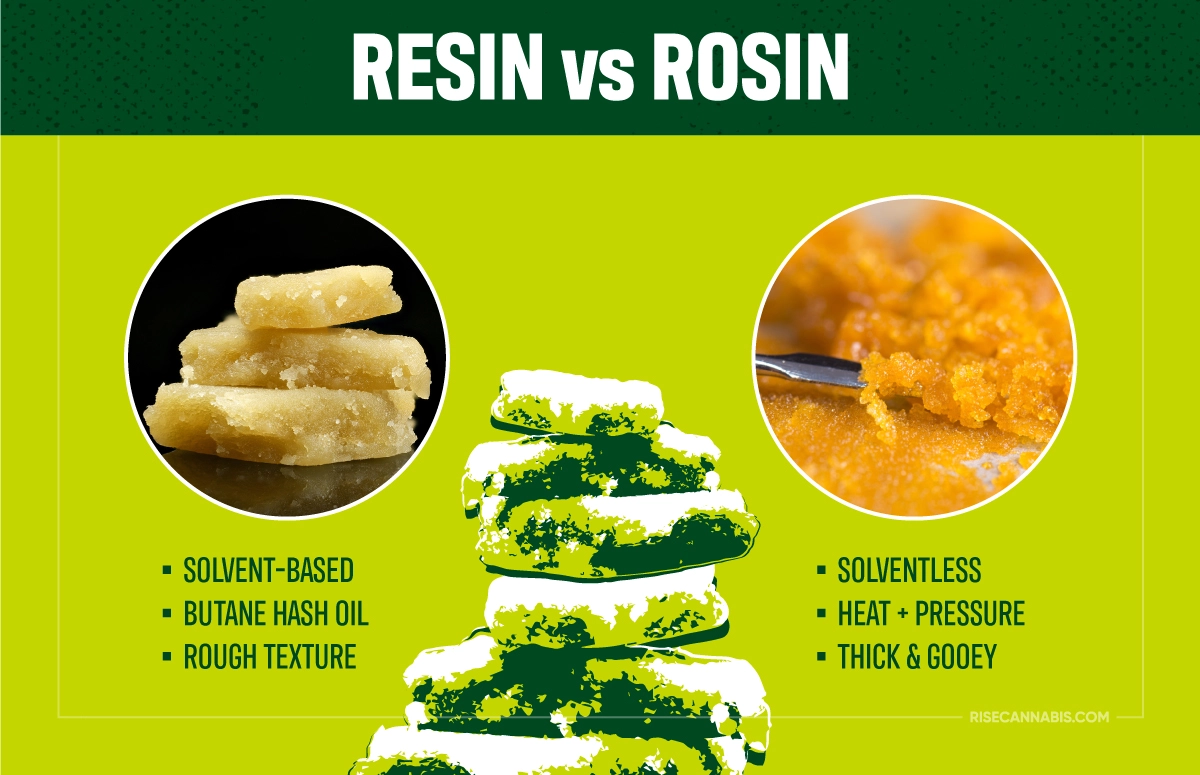
Flux Technology: Ensuring Conductive Integrity
Soldering is the process of joining two metal components using a filler metal (solder). However, metals naturally develop oxidation layers when exposed to air, which act as insulators and prevent a proper electrical bond. This is where rosin enters the equation.
Rosin-based flux is applied to the connection points. When heated by a soldering iron or a reflow oven, the rosin melts and becomes chemically active. It reacts with the metal oxides, dissolving them and allowing the molten solder to “wet” the surface and create a perfect metallic bond. Once the heat is removed, the rosin returns to an inert, solid state, often providing a protective coating over the joint.
The Transition to Lead-Free Soldering and Advanced Formulations
With the industry-wide shift toward RoHS (Restriction of Hazardous Substances) compliance, the technology of rosin has had to evolve. Lead-free solders require higher melting temperatures, which can cause standard natural rosin to char or lose its effectiveness.
Tech engineers have developed “Rosin Mildly Activated” (RMA) and “Synthetic Rosin” fluxes to meet these demands. These involve adding “activators” to the rosin base to enhance its oxide-cleaning power at higher temperatures. Furthermore, “No-Clean” flux technology utilizes highly refined rosin that leaves behind such a small amount of residue that it does not interfere with the high-frequency signals of modern microprocessors, eliminating the need for hazardous cleaning solvents in the manufacturing line.
Comparative Analysis: Industrial Applications and Future Innovations
The divergence between resin and rosin becomes even more apparent when looking at high-stakes industrial applications where material failure is not an option.
Aerospace and Automotive Composites
In the aerospace and automotive sectors, “resin” is synonymous with Carbon Fiber Reinforced Polymers (CFRP). Here, high-performance epoxy resins are used to bind carbon fibers together. The tech involves vacuum-sealing these materials and curing them in autoclaves. The result is a material that is lighter than aluminum but stronger than steel. This resin technology is what allows the fuselage of a Boeing 787 or the chassis of a Formula 1 car to withstand extreme aerodynamic pressures.
Bio-tech Alternatives and Sustainable Engineering
A burgeoning area of tech research is the development of bio-resins and the “tech-repurposing” of rosin. As the industry moves toward a circular economy, researchers are looking for ways to create biodegradable resins for short-lifecycle electronics.
Paradoxically, natural rosin is being re-evaluated for its potential as a renewable building block for “green” polymers. By chemically modifying the resin acids in rosin, scientists are creating new types of bio-plastics that could eventually replace petroleum-based resins in consumer electronics. This represents a full circle in material tech, where the natural properties of rosin are used to synthesize the next generation of resins.
Choosing the Right Medium for Technical Development
For hardware startups and industrial designers, choosing between these materials—or choosing the specific grade of each—is a critical decision that impacts both the cost and the viability of a product.
Cost-Benefit Analysis in Prototyping
When developing a new tech product, resin choice is often a balance between cost and performance. Standard resins for 3D printing are affordable for rapid iteration, but moving toward “Tough” or “Heat-Resistant” resins can increase material costs by 300%. However, the data gathered from a high-performance resin prototype is far more valuable for predicting how a final injection-molded part will behave in the real world.
On the electronics side, the choice of rosin flux can affect the long-term reliability of a device. In high-humidity environments (like wearable tech), using the wrong type of rosin flux can lead to “dendritic growth”—microscopic metallic whiskers that can short out a circuit. Engineering a product requires a deep understanding of these chemical interactions.
Environmental Impact and Tech Sustainability
The final consideration for modern tech development is the environmental footprint. Traditional synthetic resins are notoriously difficult to recycle once cured (as they are “thermoset” plastics). However, the industry is seeing a rise in “UV-curable bio-resins” derived from soybean or corn oil.
Rosin, being a natural byproduct of the paper and timber industry, has a much lower carbon footprint. The tech industry’s challenge is to bridge the gap: leveraging the sustainability of rosin-like natural materials with the structural performance of synthetic resins.
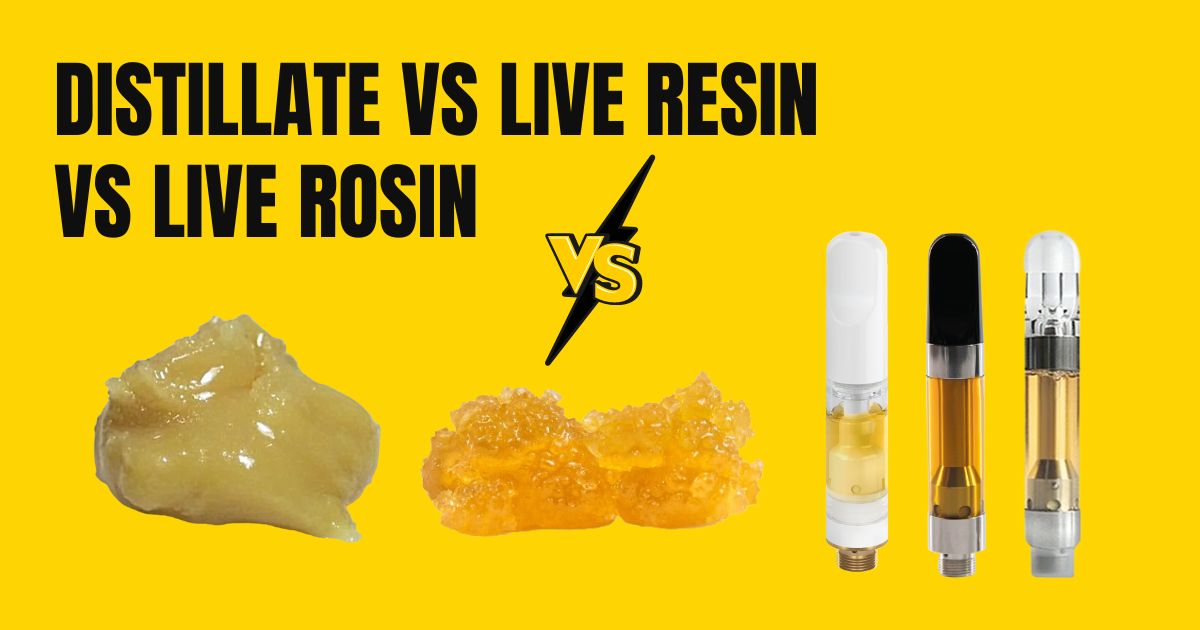
Conclusion
Though they sound like cousins, resin and rosin are the “hardware” and “software” of the material world. Resin provides the structure, the casing, and the mechanical strength required for modern hardware to function in a physical space. Rosin provides the chemical bridge, ensuring that the intricate electrical pathways within that hardware remain clean and conductive. For the modern technologist, mastering the difference between these two is not just a lesson in semantics—it is a fundamental requirement for building the next generation of innovation.
aViewFromTheCave is a participant in the Amazon Services LLC Associates Program, an affiliate advertising program designed to provide a means for sites to earn advertising fees by advertising and linking to Amazon.com. Amazon, the Amazon logo, AmazonSupply, and the AmazonSupply logo are trademarks of Amazon.com, Inc. or its affiliates. As an Amazon Associate we earn affiliate commissions from qualifying purchases.