
In the multi-billion dollar skincare industry, few segments are as emotionally charged or as competitive as the market for stretch mark treatments. When a consumer asks, “What is the best stretch mark cream?” they are rarely looking for a simple list of chemical ingredients. Instead, they are searching for a promise of restoration, a boost in confidence, and a brand they can trust during a vulnerable period of physical change.
From a brand strategy perspective, the “best” cream isn’t necessarily the one with the most expensive formula; it is the one that successfully navigates the complex intersection of clinical authority, emotional resonance, and market positioning. This article examines how leading skincare brands carve out a niche in this saturated vertical and what it takes to build a market-leading identity in the personal care space.

The Psychology of the Problem: Building a Brand Around Insecurity and Identity
To understand how a brand becomes the “best” in the eyes of a consumer, one must first understand the psychological landscape of the target audience. Stretch marks—medically known as striae—often appear during significant life transitions: puberty, rapid muscle growth, or most notably, pregnancy. Consequently, the branding must move beyond functional utility to address the user’s evolving identity.
Identifying the Target Persona: More Than Just Maternity
While the maternity market is the most lucrative segment for stretch mark creams, a sophisticated brand strategy recognizes that the “persona” is not monolithic. There are bodybuilders looking for performance-centric recovery, teenagers dealing with growth spurts, and health-conscious “clean beauty” enthusiasts.
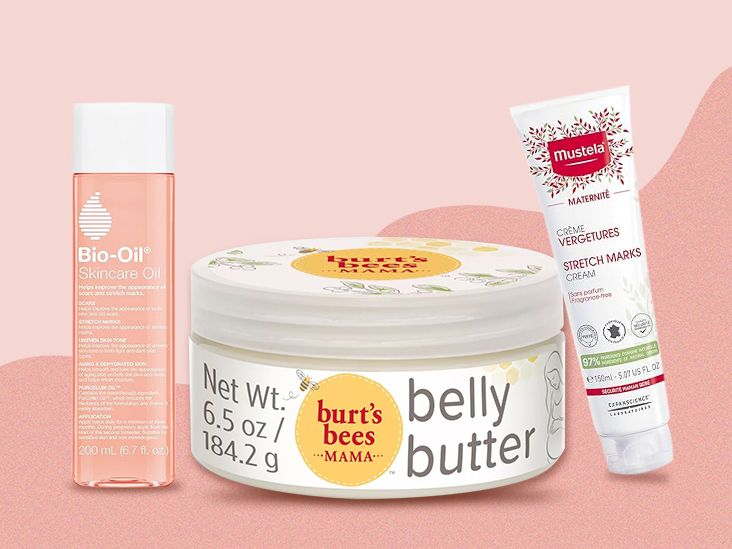
A brand like Bio-Oil succeeded not by targeting a single group, but by positioning itself as a “multi-use specialist.” By marketing the product for scars, uneven skin tone, and stretch marks simultaneously, they expanded their target persona from “pregnant women” to “anyone with a skin concern.” This broad-funnel approach allowed them to dominate the shelf space of pharmacies worldwide.
The Role of Empathy in Visual Brand Identity
The visual language of a stretch mark cream brand often dictates its perceived efficacy. Brands in this space generally lean into one of two visual identities: the “Clinical Expert” or the “Nurturing Companion.”
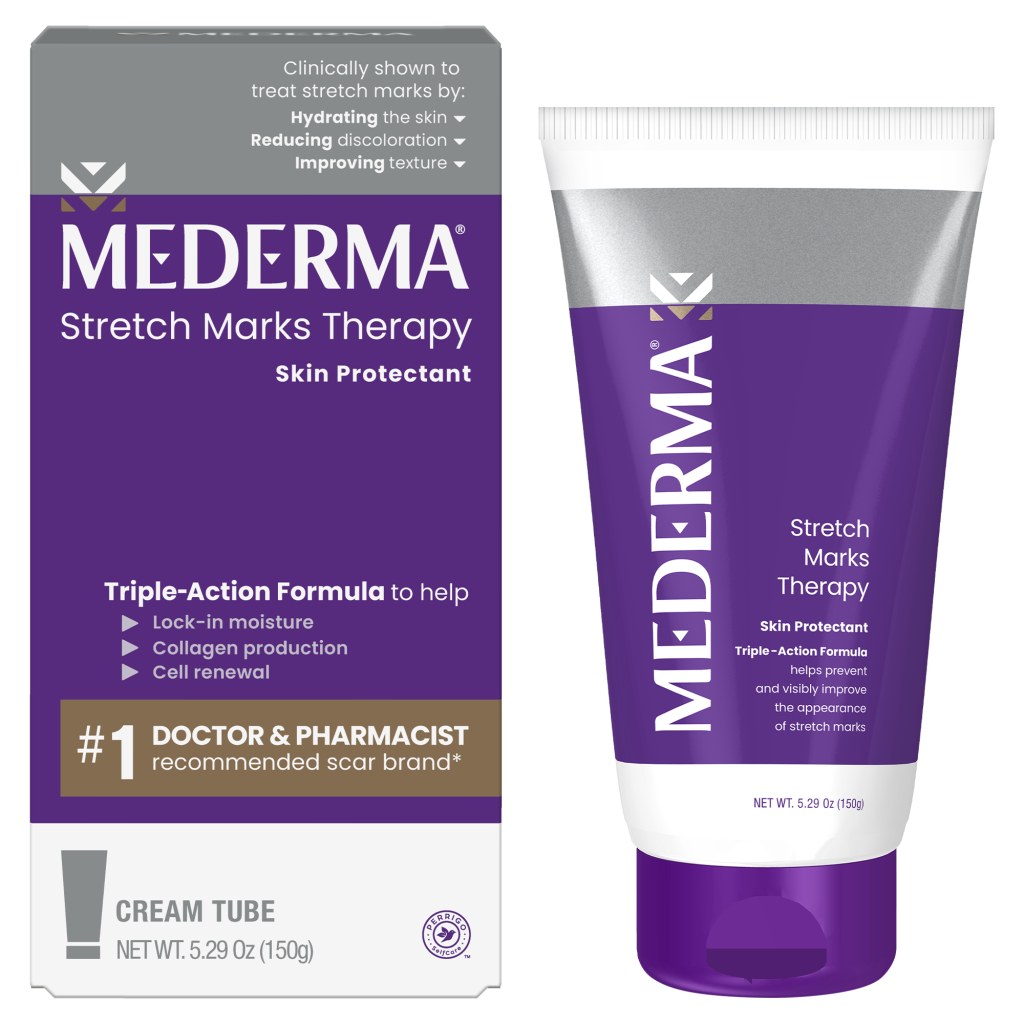
The Clinical Expert (e.g., Mederma or Strivectin) utilizes minimalist packaging, serif fonts, and high-contrast colors (like white, blue, and red) to signal medical authority. Conversely, the Nurturing Companion (e.g., Mustela or Hatch Mama) uses soft pastels, matte textures, and lifestyle photography to evoke a sense of safety and self-care. The “best” brand for a consumer is the one whose visual identity matches their internal state—whether they want a medical cure or a spa-like ritual.
Market Positioning: Premium Efficacy vs. Accessible Reliability
The skincare market is bifurcated into prestige and mass-market tiers. How a brand positions itself within these tiers determines its pricing strategy, distribution channels, and perceived value.
The Luxury Tier: Selling Science and Exclusivity
In the premium sector, brands like Augustinus Bader or La Mer (though often multi-purpose) position their products as the pinnacle of biotechnological innovation. Here, the “best” cream is defined by exclusivity and the “hero ingredient.”
For these brands, the strategy is built on scarcity and high-entry barriers. They don’t just sell a cream; they sell a proprietary complex (like Bader’s TFC8). The brand narrative focuses on “reversing” damage through cellular communication. By pricing products at $100+, these brands appeal to a demographic that equates high cost with high efficacy. Their “best” status is reinforced by being featured in high-fashion magazines and stocked in luxury boutiques like Sephora or Neiman Marcus.
The Mass-Market Leaders: Building Trust Through Ubiquity
On the other side of the spectrum are brands like Palmer’s Cocoa Butter Formula. Their strategy is the opposite of exclusivity: it is ubiquity. Palmer’s has built one of the most resilient brand identities in history by being the “accessible” choice.
Their positioning relies on heritage and the “word-of-mouth” of generations. By maintaining a lower price point and ensuring the product is available in every grocery store and pharmacy, they become the “default” choice. In the mass market, being the “best” means being the most reliable and the most familiar. The brand strategy here is not about revolutionary science, but about the comfort of a known entity.
Differentiation Strategies in a Crowded Skincare Vertical
With thousands of products claiming to reduce the appearance of stretch marks, differentiation is the only way to survive. Brands must find a “Unique Selling Proposition” (USP) that resonates with the modern, more informed consumer.
The “Clean Beauty” Narrative as a Competitive Advantage
In the last decade, the “Clean Beauty” movement has forced a massive shift in branding. Consumers, particularly pregnant women, are hyper-aware of “endocrine disruptors,” parabens, and synthetic fragrances.
Brands like Earth Mama or The Honest Company have built their entire brand strategy around what is not in their products. Their differentiation lies in transparency and safety. By positioning themselves as the “safe” alternative to traditional chemical-heavy creams, they capture a high-intent segment of the market that is willing to pay a premium for peace of mind. For this audience, the “best” cream is defined by its ingredient purity.
Clinical Validation: Using Science as a Brand Pillar
As consumers become more skeptical of marketing “fluff,” brands are increasingly turning to clinical trials to differentiate themselves. A brand that can state “90% of participants saw a reduction in stretch mark depth” has a significant advantage over one that simply claims to “improve skin appearance.”
This strategy involves investing heavily in third-party testing and dermatologist endorsements. Brands like SkinCeuticals or Vichy leverage this “doctor-recommended” status. This moves the brand from the “Beauty” category into the “Cosmeceutical” category. The branding becomes less about the experience of applying the cream and more about the measurable result.
The Influence of Social Proof and Community-Driven Branding
In the digital age, a brand is no longer just what the company says it is; it is what the community says it is. The “best” stretch mark cream is often decided in the comments sections of Instagram or on subreddits dedicated to skincare.
Influencer Marketing: From Celebrity to Micro-Influencer
The shift from celebrity endorsements (high-budget, low-trust) to micro-influencer partnerships (low-budget, high-trust) has revolutionized skincare branding. A pregnant influencer sharing her “real” body and her daily application routine is infinitely more persuasive than a photoshopped model in a TV commercial.
Successful brands in this niche seed their products to hundreds of micro-influencers who share “Before and After” photos. This creates a “halo effect” of social proof. When a consumer sees ten different people they follow recommending the same cream, that product becomes the “best” through sheer social consensus.
User-Generated Content and the Power of Real Results
Modern brand strategy involves turning customers into advocates. Brands that encourage user-generated content (UGC)—such as “stretch mark journeys”—build a level of authenticity that traditional marketing cannot buy.
By featuring “real bodies” in their marketing materials, brands like Evereden or Belly Bandit foster a sense of community. This strategy reduces the “shame” often associated with stretch marks and replaces it with a narrative of “empowerment” and “motherhood marks.” This emotional pivot is a powerful branding tool that creates deep customer loyalty.
Future Trends: Personalization and the Digital Brand Experience
The future of the “best” stretch mark cream lies in technology and personalization. As the market matures, the “one-size-fits-all” approach is becoming obsolete.
The Shift Toward Subscription Models and Loyalty
The most successful brands are moving away from one-time transactions toward lifetime value (LTV). Since stretch mark prevention requires consistent use over several months, subscription models are becoming a staple of brand strategy.
By offering a discount for a monthly delivery, brands ensure they remain the consumer’s “best” choice for the duration of their need. This also allows brands to collect data and personalize the experience—sending tips for the second trimester or postpartum recovery, thereby embedding the brand into the consumer’s daily life.
Conclusion: Defining the “Best”
Ultimately, determining “what is the best stretch mark cream” is a subjective exercise influenced heavily by sophisticated branding. To the scientist, it is the formula with the highest bio-availability of Centella Asiatica. To the CFO, it is the product with the highest profit margin and market share. But to the consumer, the “best” cream is the one that successfully communicates its values, proves its efficacy through social proof, and meets them exactly where they are in their personal journey.
In the world of brand strategy, the winner is not just the product that works, but the product that tells the most compelling story about why it works for you.
aViewFromTheCave is a participant in the Amazon Services LLC Associates Program, an affiliate advertising program designed to provide a means for sites to earn advertising fees by advertising and linking to Amazon.com. Amazon, the Amazon logo, AmazonSupply, and the AmazonSupply logo are trademarks of Amazon.com, Inc. or its affiliates. As an Amazon Associate we earn affiliate commissions from qualifying purchases.