
The battle against flying insects has evolved from simple mesh screens and manual swatters into a sophisticated field of electronic engineering and consumer technology. When asking “what is the best insect zapper,” the answer no longer relies on a single high-voltage grid hanging from a porch. Instead, modern solutions involve complex UV light spectrums, photocatalytic reactions, and Internet of Things (IoT) integration. Finding the “best” device requires an understanding of the underlying physics of attraction and the electrical engineering of eradication.
In the current tech landscape, insect zappers are categorized by their efficiency, power source, and safety mechanisms. This guide explores the pinnacle of pest-control gadgets, dissecting the hardware that makes them effective and the software trends shaping the future of smart-home outdoor maintenance.
Understanding the Engineering: How Modern Zappers Work
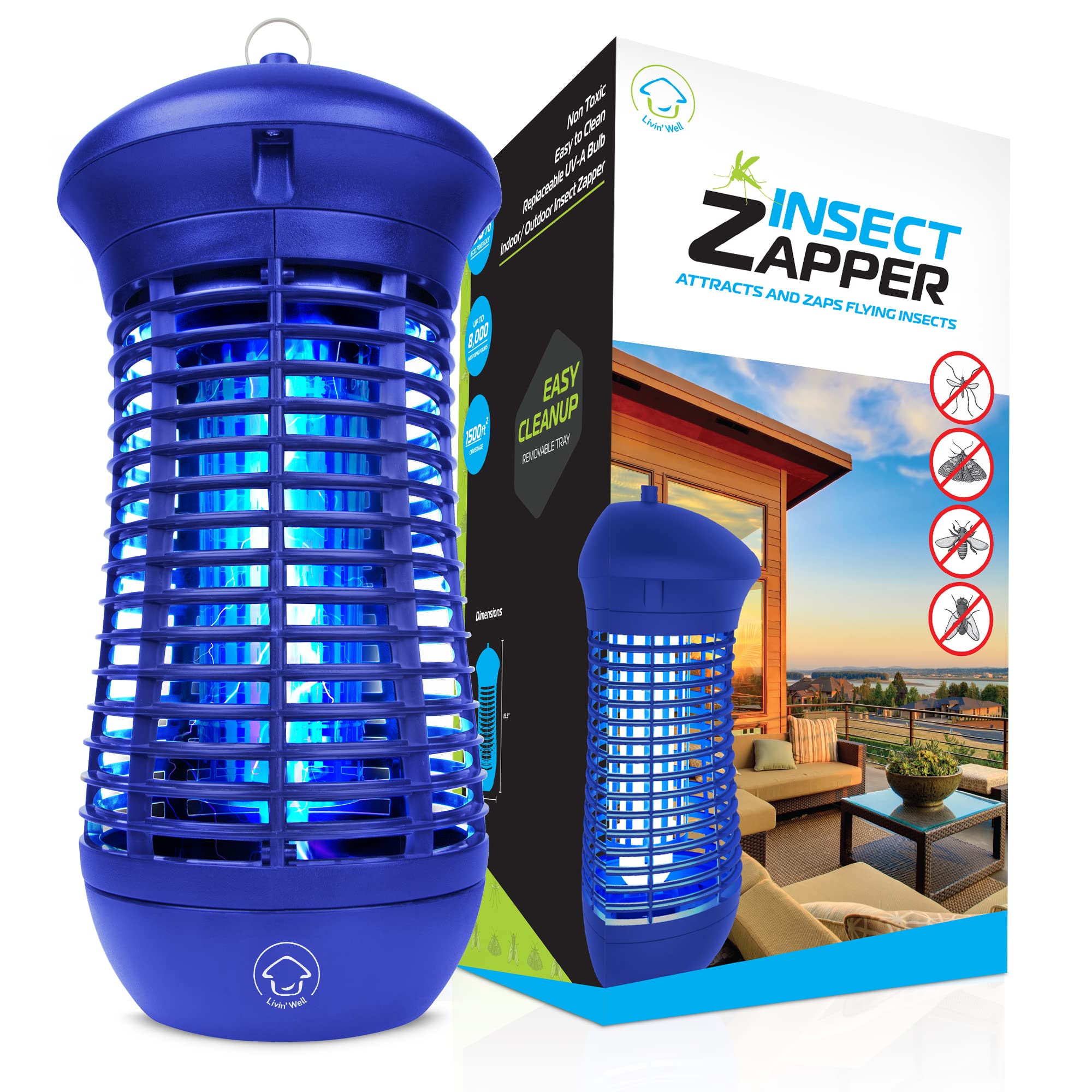
To identify the best zapper, one must first understand the tech specs that differentiate a high-performance gadget from a cheap novelty. The core of any electronic insect killer lies in its ability to attract, capture, or eliminate.
The Science of UV Light Spectrums
Not all light is created equal in the eyes of an insect. The most effective tech utilize ultraviolet (UV) light, specifically in the 365-nanometer range. This wavelength, often referred to as “black light,” mimics the celestial navigation cues used by many phototactic insects. The best devices on the market now utilize UV-LED arrays instead of traditional fluorescent tubes. UV-LEDs offer superior longevity, lower power consumption, and the ability to maintain a precise wavelength consistently over thousands of hours.
High-Voltage Transformers and Grids
Once an insect is lured, the “zap” is delivered via a high-voltage transformer connected to a wire grid. Tech-heavy models prioritize a balance between voltage and amperage. A high-voltage (often 2,000 to 4,000 volts) but low-amperage shock is necessary to ensure the insect is vaporized or killed instantly without poseing a fire hazard or excessive energy drain. The spacing of the grid—the “pitch”—is also a critical engineering factor; it must be narrow enough to catch small mosquitoes but wide enough to prevent “clogging” from larger moths.
Heat and CO2 Emulation
Basic zappers only use light, but “smart” zappers and high-end traps incorporate secondary lures. Some of the best gadgets in this category use a TiO2 (Titanium Dioxide) coating. When the UV light hits the coating, a photocatalytic reaction occurs, releasing trace amounts of CO2. This mimics human breath, making the device exponentially more effective at attracting female mosquitoes, which are more attracted to chemical signals than light.
Top Tech Contenders: A Review of the Best Gadgets on the Market
In the hardware space, several brands have emerged as leaders by leveraging specific technological advantages. Whether you need a heavy-duty outdoor grid or a sleek, silent indoor vacuum, these devices represent the current “state of the art.”
The Flowtron Electronic Insect Killer: The High-Voltage Standard
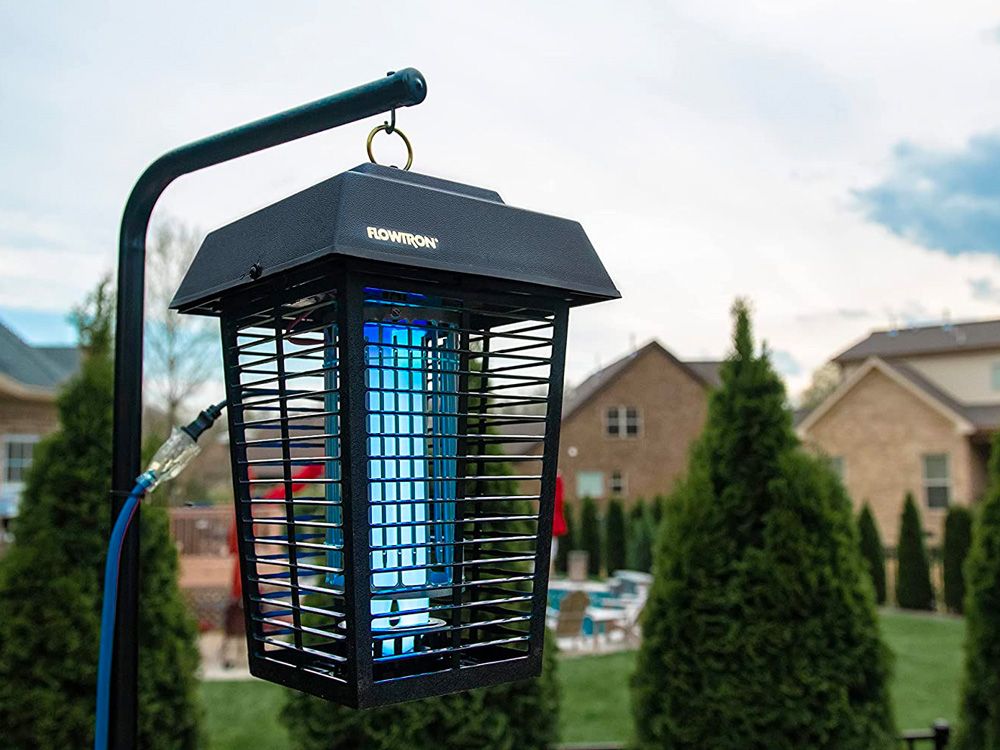
For those prioritizing raw power, the Flowtron series remains a technical benchmark. Its design utilizes a high-intensity ultraviolet lamp and a unique high-efficiency charging transformer. The “tech” here is in the ruggedness of its outdoor circuitry. It is engineered to withstand moisture while maintaining a constant electrical arc. It is widely considered the “best” for large-acreage coverage because its transformer can sustain performance across vast temperature fluctuations.
DynaTrap Decoy Systems: The Vacuum Tech Innovation
If the loud “pop” of a traditional zapper is undesirable, DynaTrap represents the best in silent capture technology. Rather than electrocuting the insect, these gadgets use a three-way protection system: UV light, CO2 generation (via the TiO2 coating), and a high-speed vacuum fan. The fan is the critical piece of hardware—it must be powerful enough to create a persistent downdraft but quiet enough for residential use. This is a “set-and-forget” gadget that relies on airflow dynamics rather than high-voltage spikes.
Handheld Zap-Rackets: Portable Circuitry
The best handheld zappers are more than just toys; they are specialized electrical tools. Modern versions, such as those from Zap It!, feature USB-rechargeable lithium-ion batteries and triple-layer safety grids. The internal circuitry includes a capacitor that stores a significant charge, allowing for a localized high-voltage burst upon contact. The shift from AA batteries to high-capacity lithium cells has revolutionized the portability and “kill-rate” of these manual gadgets.
The Rise of Smart Pest Control: IoT and Automation
The “best” insect zapper in 2024 is increasingly defined by its intelligence. The integration of smart-home technology is turning passive zappers into proactive pest-management systems.
Wi-Fi Connectivity and Scheduling
The latest high-end zappers are now part of the IoT ecosystem. Through dedicated apps, users can monitor the lifespan of the UV bulbs and receive alerts when the insect collection tray is full. More importantly, smart scheduling allows the device to sync with local sunset and sunrise times via weather data. Since most biting insects are active at dusk, the device can automatically power up its high-voltage transformer and UV lamps only when needed, significantly extending the hardware’s lifespan.
Solar-Powered Efficiency and Sensors
Environmental sensors are becoming standard in premium outdoor zappers. High-efficiency solar panels paired with light sensors (photocells) allow these devices to operate entirely off-grid. The technology involves sophisticated power management systems that store solar energy during the day and discharge it strategically at night. Some models even feature “rain sensors” that shut down the electrical grid during heavy downpours to prevent short-circuiting, reactivating automatically once the sensors detect a drop in humidity.
Sensor-Driven Conservation
One of the critiques of traditional zappers is that they are “non-discriminatory,” killing beneficial insects like moths and beetles. The next generation of “best” tech involves optical sensors and AI. Experimental models are now being developed with cameras that can identify the wing-beat frequency of a mosquito versus a honeybee. If the “wrong” insect enters the vicinity, the device can temporarily disable the lure or the grid, representing a massive leap in sustainable pest-control technology.
Safety and Security: Protecting the User and the Environment
The best insect zapper is not just the most powerful; it is the safest. As these devices move into closer proximity to humans and pets, the engineering of safety “cages” and chemical-free operation has become a priority.
Grid Safety Mechanisms
A primary tech concern with high-voltage devices is accidental contact. The best modern zappers feature a “Faraday cage” inspired outer housing. This high-density plastic or insulated metal shield ensures that human fingers or pet paws cannot reach the electrified inner grid. Furthermore, internal kill-switches are now common; if the outer casing is removed for cleaning or bulb replacement, the circuit is physically broken, and the capacitors are discharged instantly to prevent a lingering shock.
Transition to UV-LED and Chemical-Free Solutions
The tech industry is moving away from mercury-vapor UV lamps toward UV-LEDs. Not only is this better for the environment, but it also removes the risk of toxic exposure if a bulb breaks. Additionally, the best zappers are marketed as “chemical-free” tech. By relying on physics (light and electricity) rather than chemistry (insecticides), these gadgets provide a digital-age solution to a biological problem, ensuring that the air quality in a home or backyard remains untainted by synthetic sprays.
Future Trends in Insect Eradication Tech
As we look toward what will be considered the “best” in the coming years, the technology is moving toward precision and automated intelligence.
Laser-Based Systems
Perhaps the most exciting tech on the horizon is the “Photonic Fence.” Originally developed for malaria control, this technology uses infrared sensors to detect insects in flight. Once an insect is identified by its size and wing-speed, a low-power laser “zaps” it mid-air. While currently expensive, this represents the ultimate “best” in insect zapping technology: a system with no physical grid, no chemicals, and 100% target accuracy.
AI-Powered Target Recognition
We are seeing the beginning of AI integration in pest control gadgets. Future zappers will likely use computer vision to track insect populations in real-time, sending data to a user’s smartphone about which species are most active in their area. This data-driven approach will allow homeowners to adjust their “defense tech” based on the specific biological threats present at any given moment.
In conclusion, the “best” insect zapper is no longer just a light bulb in a cage. It is a sophisticated piece of hardware that utilizes the latest in UV-LED technology, smart-home automation, and electrical safety engineering. Whether you opt for the high-voltage reliability of a Flowtron, the vacuum-driven silence of a DynaTrap, or the smart-home integration of a Wi-Fi-enabled system, the modern consumer has more “tech-forward” options than ever before to reclaim their space from the insect world.
aViewFromTheCave is a participant in the Amazon Services LLC Associates Program, an affiliate advertising program designed to provide a means for sites to earn advertising fees by advertising and linking to Amazon.com. Amazon, the Amazon logo, AmazonSupply, and the AmazonSupply logo are trademarks of Amazon.com, Inc. or its affiliates. As an Amazon Associate we earn affiliate commissions from qualifying purchases.