
For any parent or guardian, a child represents an invaluable asset, a future in the making. Just as smart investors diversify portfolios and mitigate risks, responsible parents make calculated decisions to safeguard their children’s well-being. Central to this strategy, especially on the road, is the judicious use of booster seats. While often perceived purely as a safety measure, understanding the precise age and weight guidelines for booster seats carries profound financial implications. It’s not merely about compliance; it’s about making a sound, long-term investment in your child’s health, your family’s financial stability, and your peace of mind.
This article delves into the critical age and weight guidelines for booster seats, reframing them as essential financial metrics in the broader landscape of family budgeting and risk management. We will explore the tangible and intangible financial costs associated with non-compliance, the economic rationale behind choosing the right safety equipment, and how these guidelines directly impact your financial planning for your child’s future.
The Non-Negotiable Investment: Why Booster Seat Compliance Matters Financially
Adhering to booster seat age and weight requirements isn’t just about following the law; it’s about protecting your financial future from avoidable catastrophes. The cost of non-compliance extends far beyond a simple fine, encompassing a myriad of direct and indirect financial burdens that can severely impact a family’s economic stability.
The Cost of Non-Compliance: Fines and Legal Ramifications
Across jurisdictions, traffic laws mandate the appropriate use of child restraint systems, including booster seats. Failing to comply can result in significant financial penalties. For instance, in many U.S. states, a citation for improper child restraint can range from tens to hundreds of dollars, often accompanied by points on your driving record. These points can, in turn, lead to increased insurance premiums for several years, creating a compounding financial drain.
Beyond initial fines, severe cases of non-compliance, especially if an accident occurs, can lead to more serious legal consequences. Civil lawsuits seeking damages for injuries could result in substantial financial liabilities, potentially depleting savings, future earnings, and even personal assets. The legal fees associated with defending such claims alone can be astronomical, turning a simple oversight into a multi-year financial nightmare. Investing a modest sum in the correct booster seat pales in comparison to the potential legal and financial fallout of negligence.
Beyond Fines: The Human and Economic Toll of Preventable Injuries
The most devastating financial cost of non-compliance is the potential for preventable injuries. A child improperly restrained or not in the correct booster seat is significantly more vulnerable in a collision. The medical costs associated with severe injuries—emergency room visits, surgeries, extended hospital stays, rehabilitation, and long-term care—can quickly escalate into hundreds of thousands or even millions of dollars. Even with comprehensive health insurance, out-of-pocket expenses, co-pays, deductibles, and non-covered services can create an insurmountable debt burden.
Beyond direct medical expenses, there’s the economic toll on the family. Parents may need to take extended leave from work to care for an injured child, resulting in lost income. In severe cases, a parent might have to leave their job permanently to become a full-time caregiver, drastically altering the family’s financial landscape. The ripple effect extends to potential impacts on career progression, retirement savings, and overall household income. Preventative measures, like a correctly used booster seat, become an indirect but crucial form of financial insurance against these catastrophic health-related costs.
Insurance Implications: Coverage and Premiums
Your auto insurance policy is designed to protect you financially in the event of an accident. However, compliance with child restraint laws can directly influence your coverage and premiums. Insurers may view a history of child restraint violations as an indicator of higher risk, potentially leading to increased premium rates at renewal time.
More critically, in the tragic event of an accident where a child is injured due to improper restraint, an insurance company might scrutinize compliance. While unlikely to deny all coverage, non-compliance could become a factor in determining liability or the extent of payouts, particularly for personal injury claims. Conversely, meticulous adherence to safety guidelines can strengthen your position, potentially leading to swifter claims processing and full compensation for accident-related damages and medical expenses, thereby safeguarding your financial interests during a crisis.
Navigating the Market: Budgeting for Booster Seats and Child Safety Equipment
Understanding the age and weight guidelines is the first step; the next is to translate that knowledge into smart purchasing decisions that fit your family budget while ensuring maximum safety. This involves a cost-benefit analysis of various booster seat options and strategies for maximizing value.
Understanding the Guidelines: Age, Weight, and Height Requirements
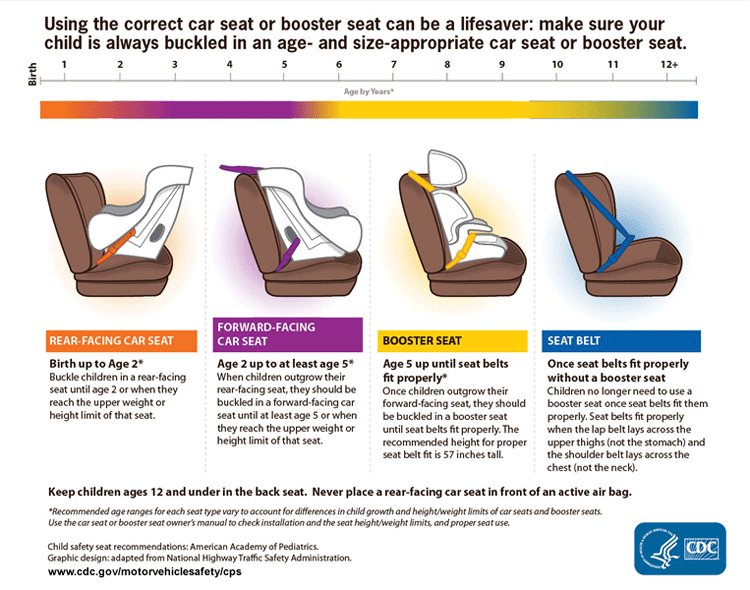
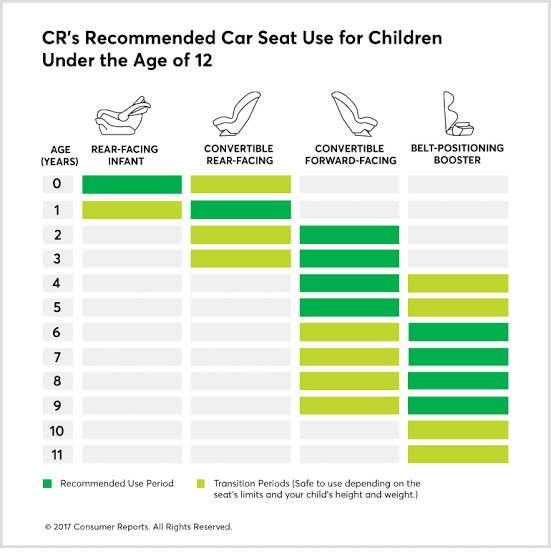
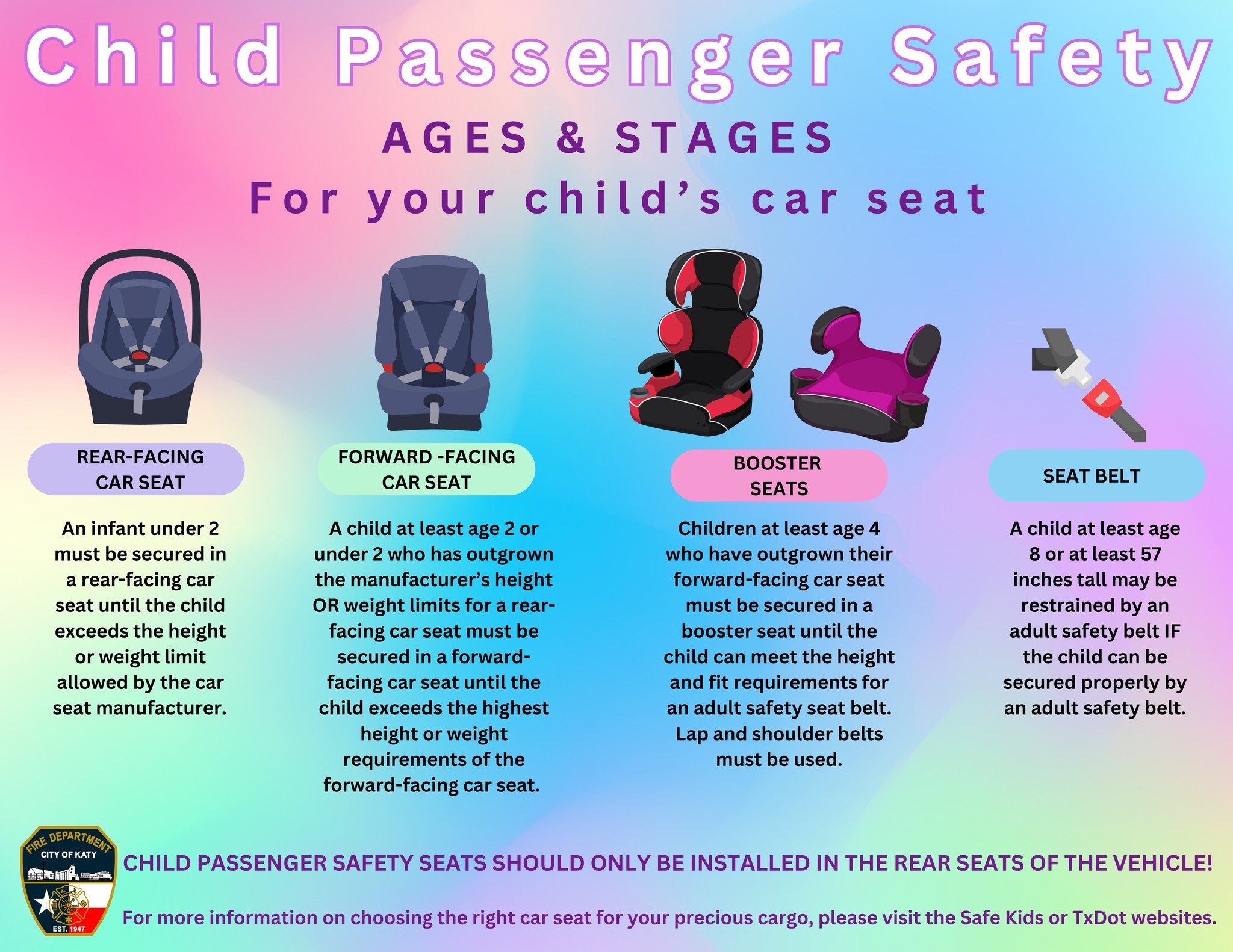
Booster seats are designed for children who have outgrown their forward-facing car seats but are not yet large enough to use an adult seat belt safely. The general transition point is when a child exceeds the weight or height limit of their convertible car seat, typically around 40 pounds and 4 years old. However, the critical financial decision-making truly begins as they approach the booster seat phase, which generally spans from approximately 4 to 8-12 years of age, or until they are 4’9″ tall and weigh between 40 and 100+ pounds, depending on the specific seat and local regulations.
These guidelines are not merely arbitrary numbers; they are derived from extensive safety research and crash testing. Children who are too small for a booster seat will not be properly positioned for the vehicle’s seat belt, which is designed for adults. The shoulder belt might ride on their neck, and the lap belt on their abdomen, leading to severe internal injuries in a crash—a horrific financial burden, as previously discussed. Conversely, keeping a child in a booster seat longer than necessary (i.e., until they truly meet the adult seatbelt fit test) is a minor financial cost for a significant safety gain.
Cost-Benefit Analysis of Booster Seat Choices
The market offers a range of booster seats, from high-back models with advanced features to backless versions. Prices can vary significantly, from under $30 to over $200. Making an informed financial decision requires weighing the initial cost against longevity, features, and your child’s specific needs.
- High-back booster seats often provide additional head and side impact protection, and sometimes offer adjustable height features that allow them to grow with your child for a longer period. While generally more expensive upfront, their extended usability can offer a better cost-per-year value.
- Backless booster seats are more portable and less expensive but offer less support. They are generally suitable for older children closer to outgrowing a booster, often used as a secondary seat or for carpooling. Their lower initial cost might seem attractive, but ensure it meets your child’s stage and local laws.
Consider the “5-step test” for transitioning to an adult seatbelt:
- Does the child sit all the way back against the vehicle seat?
- Do the child’s knees bend comfortably at the edge of the vehicle seat?
- Does the shoulder belt rest across the middle of the child’s shoulder and chest?
- Is the lap belt low on the hips, touching the top of the thighs?
- Can the child stay in this position for the entire trip?
If the answer to any of these is “no,” they still need a booster, justifying the continued investment.
Maximizing Value: Used Seats, Trade-ins, and Deals
For budget-conscious families, exploring options beyond full-price retail can be financially prudent, but with caveats. While items like strollers can often be purchased used, booster seats and car seats should generally be purchased new. The primary reason is that the structural integrity of a used seat may be compromised from an unknown accident history or expired materials, making it a dangerous and financially risky gamble on your child’s safety. Always check the expiration date, as plastic degrades over time, compromising safety.
However, savvy shoppers can still find value:
- Sales and Promotions: Keep an eye out for seasonal sales, online discounts, and promotions from reputable retailers.
- Manufacturer Rebates: Some manufacturers offer rebates on new car seats.
- Retailer Trade-in Events: Major retailers occasionally host trade-in events where you can exchange an old (expired or damaged) car seat for a discount on a new one. This ensures proper disposal and financial savings.
- Registry Completion Discounts: If you created a baby registry, many retailers offer a completion discount after the event, which can be applied to subsequent child safety purchases.
The Long-Term Financial Return: Investing in a Child’s Future Well-being
Investing in a proper booster seat isn’t merely an expense; it’s a strategic financial decision that yields significant long-term returns, primarily through the avoidance of catastrophic costs associated with severe injuries and the preservation of family stability.
Preventing Long-Term Medical Expenses and Disability Costs
The most profound financial benefit of ensuring a child is correctly restrained in a booster seat is the prevention of severe, life-altering injuries. A serious brain injury, spinal cord injury, or internal trauma sustained in a car accident can lead to lifelong medical care, specialized equipment, home modifications, and potentially institutional care. The lifetime costs associated with such disabilities can run into millions of dollars, creating an unimaginable financial burden for any family.
By diligently following booster seat guidelines, parents are making a proactive investment that mitigates these risks, directly protecting their family’s financial solvency from the potential devastation of long-term medical and disability expenses. It’s an investment in their child’s capacity to lead a healthy, productive life, which translates into their own future economic independence.
Peace of Mind as an Intangible Financial Asset
While not quantifiable in monetary terms, the peace of mind that comes from knowing your child is as safe as possible on every journey is an invaluable asset. Stress and anxiety about a child’s safety can have direct impacts on parental productivity, focus at work, and overall mental health. A parent constantly worried about potential risks may be less effective in their professional role, potentially affecting income or career progression.
Conversely, the confidence derived from adhering to all safety protocols frees up mental and emotional resources, allowing parents to focus on their work, manage household finances more effectively, and enjoy their family life without the constant shadow of “what if.” This intangible benefit indirectly contributes to financial stability and overall well-being.
Protecting Family Finances: Estate Planning and Life Insurance Considerations
While a difficult topic, considering the ultimate financial protection for a child also highlights the importance of preventative safety. In the rare, tragic event of a fatal accident, proper car seat use significantly reduces this risk. From a financial planning perspective, such an event can trigger complex estate issues, the need for life insurance payouts, and the re-evaluation of financial structures designed to provide for surviving family members. Ensuring maximum safety is a crucial, albeit indirect, component of a comprehensive family financial protection strategy, reinforcing the value of carefully planned insurance and estate arrangements.
Financial Tools and Strategies for Child Safety Planning
Integrating booster seat purchases and compliance into your overall financial plan requires foresight and strategic allocation of resources.
Budgeting for Child-Related Expenses: Allocating Funds for Safety Gear
Just as families budget for food, housing, and education, a dedicated line item for child safety equipment should be part of the household budget. This includes not just the initial purchase of booster seats, but also considering future needs, such as a second booster seat for another vehicle or for a child transitioning through different stages. By proactively allocating funds, families can avoid last-minute, potentially more expensive purchases or, worse, compromising on safety due to financial constraints. Utilizing financial planning apps or spreadsheets to track these expenses ensures accountability.
Emergency Funds and Insurance for Unexpected Situations
While booster seats mitigate accident risks, no measure guarantees absolute safety. Therefore, a robust emergency fund remains a cornerstone of financial resilience. This fund can cover unexpected medical expenses (even with insurance), lost income due to caregiving, or other unforeseen financial burdens that might arise from an accident, regardless of safety precautions. Similarly, reviewing health, auto, and life insurance policies regularly ensures adequate coverage for potential scenarios, acting as an additional layer of financial protection alongside physical safety measures.
Government Programs and Financial Assistance for Car Seats
For families facing financial hardship, resources may be available to help acquire essential child safety equipment. Many local health departments, hospitals, and non-profit organizations offer programs that provide free or low-cost car seats and booster seats, often coupled with educational sessions on proper installation and use. Investigating these options can significantly alleviate the financial burden for eligible families, ensuring that economic status does not compromise a child’s safety. Some states may also offer tax credits or deductions for child safety equipment.
Conclusion: Safeguarding Your Most Precious Investment
The question “what is the age and weight for booster seats” transcends simple safety guidelines; it represents a critical juncture in a parent’s financial stewardship. By understanding and meticulously adhering to these parameters – typically from age 4 until 8-12 years old, or 4’9″ tall, with weights ranging from 40 to 100+ pounds – parents make a profound investment. This investment protects against the devastating financial costs of fines, legal battles, and long-term medical care, while securing the intangible asset of peace of mind.
Approaching booster seat decisions with a financial mindset allows for proactive budgeting, shrewd purchasing, and a full appreciation of the long-term returns on safeguarding a child’s well-being. Ultimately, investing in the correct booster seat and ensuring its proper use is not just an expense; it is a calculated and prudent financial decision that protects your most precious investment: your child’s future, and by extension, your family’s financial stability.
aViewFromTheCave is a participant in the Amazon Services LLC Associates Program, an affiliate advertising program designed to provide a means for sites to earn advertising fees by advertising and linking to Amazon.com. Amazon, the Amazon logo, AmazonSupply, and the AmazonSupply logo are trademarks of Amazon.com, Inc. or its affiliates. As an Amazon Associate we earn affiliate commissions from qualifying purchases.