
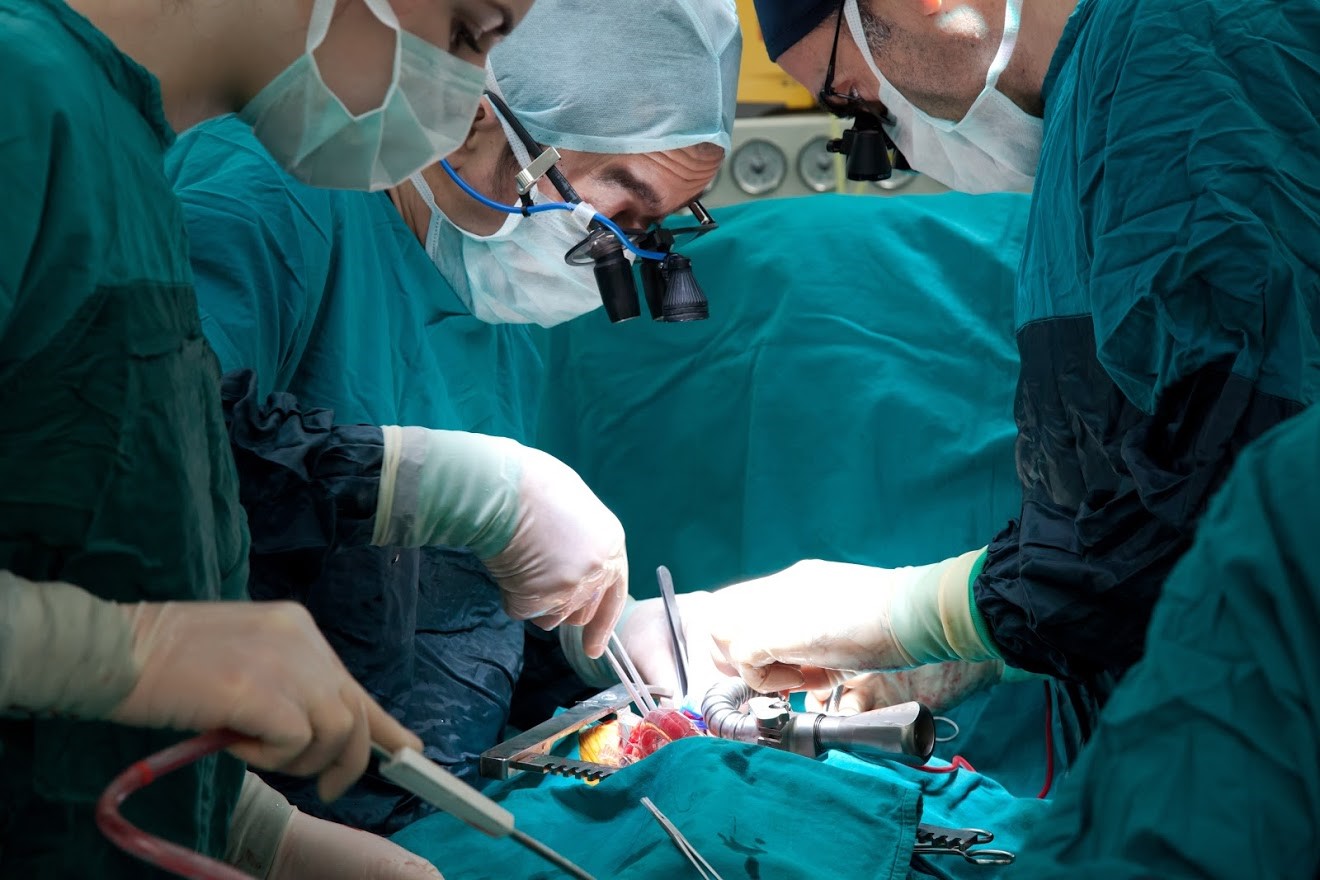
Surgical oncology is traditionally defined as a field of medicine that utilizes surgical intervention to diagnose, stage, and treat various forms of cancer. However, in the contemporary landscape, this definition has expanded far beyond the manual removal of tumors. Today, surgical oncology is a high-tech discipline where the precision of the human hand is augmented by sophisticated software, robotics, and artificial intelligence. This technological evolution has transformed the operating room from a site of physical intervention into a hub of digital data processing, allowing for greater accuracy, reduced recovery times, and unprecedented patient outcomes.
The Technological Evolution of Surgical Oncology
The journey from traditional open surgery to modern digital intervention represents one of the most significant leaps in medical history. In the past, surgical oncology relied heavily on large incisions to provide surgeons with a direct line of sight. Today, technology has enabled a shift toward minimally invasive and highly targeted approaches.
From Macro to Micro: The Digital Shift
The shift toward “minimally invasive” surgery was fueled by the development of high-definition fiber optics and digital imaging. Surgeons no longer need to see the tumor with their naked eyes; instead, they utilize ultra-high-definition 4K camera systems that provide a magnified view of the surgical field. These digital interfaces allow for “micro-precision,” ensuring that surgeons can distinguish between cancerous cells and healthy tissue at a level of detail invisible to the human eye.
The Rise of Image-Guided Intervention
Modern surgical oncology is now inseparable from advanced imaging software. Techniques such as intraoperative ultrasound and real-time CT scanning allow surgeons to map the exact coordinates of a tumor during the procedure. This “GPS for the body” ensures that the surgical margins are accurate, reducing the risk of leaving malignant cells behind while preserving as much healthy organ function as possible.
Robotic-Assisted Surgery: The Hardware Revolution
Perhaps the most visible technological advancement in surgical oncology is the integration of robotic platforms. Systems such as the da Vinci Surgical System have become staples in oncology departments worldwide, offering a level of dexterity that exceeds human capability.
Precision, Dexterity, and Tremor Filtration
Robotic platforms do not replace the surgeon; rather, they act as a sophisticated interface. Through a console, the surgical oncologist controls robotic arms equipped with specialized instruments. These instruments possess “EndoWrist” technology, which allows for seven degrees of freedom—far more than the human wrist. Furthermore, the software includes tremor-filtration algorithms, which eliminate the tiny, natural movements of a human hand, ensuring that every incision is perfectly steady and precise.
3D Visualization and Immersive Control
Unlike traditional laparoscopy, which provides a two-dimensional view on a monitor, robotic-assisted oncology offers a three-dimensional, high-definition view of the surgical site. This immersion allows the surgeon to perceive depth and spatial relationships between the tumor and surrounding blood vessels or nerves. This technological advantage is particularly critical in complex oncological procedures, such as prostatectomies or thoracic lung resections, where the margin for error is measured in millimeters.
Artificial Intelligence and the Precision Medicine Revolution
While robotics handles the physical execution, Artificial Intelligence (AI) and Machine Learning (ML) are revolutionizing the planning and decision-making phases of surgical oncology. The integration of AI tools is moving the field toward “Precision Surgery.”
AI-Driven Pre-Operative Planning
Before a single incision is made, AI algorithms can analyze thousands of diagnostic images (MRIs, CTs, and PET scans) to create a highly detailed 3D digital twin of the patient’s anatomy. These AI models can predict the most efficient surgical path, identifying potential complications before they occur. By simulating the surgery in a digital environment, oncologists can “practice” complex resections, optimizing the approach for each individual’s unique biological makeup.
Radiomics and Predictive Analytics
The intersection of AI and oncology has birthed a new field called “radiomics.” This technology uses software to extract vast amounts of data from medical images that are not perceptible to the human eye. In the context of surgical oncology, radiomics can help predict how aggressive a tumor is likely to be or how it might respond to specific surgical techniques. This allows for data-driven decisions on whether a patient should undergo immediate surgery or if neo-adjuvant therapies (like targeted chemotherapy) should be prioritized first.
Augmented Reality (AR) and Navigation in the Operating Room
The next frontier in surgical oncology technology is the use of Augmented Reality (AR). By overlaying digital information onto the physical surgical field, AR provides surgeons with a “X-ray vision” capability during the procedure.
Holographic Overlays for Real-Time Guidance
Using AR headsets, a surgical oncologist can view a holographic projection of the patient’s internal vascular structure and tumor boundaries superimposed directly onto the patient’s body. This real-time data visualization helps the surgeon navigate around critical structures without having to look away from the surgical site to a secondary monitor. This seamless integration of digital data into the physical workspace minimizes cognitive load and enhances focus.
Virtual Reality (VR) for Advanced Surgical Training
The complexity of modern oncological technology requires specialized training. Virtual Reality (VR) simulations allow the next generation of surgical oncologists to master robotic systems and AI tools in a risk-free digital environment. These haptic-feedback simulators replicate the feel of human tissue, allowing residents to gain “muscle memory” and technical proficiency before entering a real operating room.
Digital Security and Data Integration in Oncological Care
As surgical oncology becomes increasingly tech-dependent, the role of digital infrastructure and security becomes paramount. The modern oncology center is as much a data center as it is a medical facility.
The Integrated Operating Room (IOR)
The Integrated Operating Room is a technological ecosystem where every device—from the robotic console to the anesthesia monitors—is networked. This allows for the centralized collection of intraoperative data. High-speed 5G connectivity even enables “telementoring,” where a world-leading expert oncologist can log in remotely from another continent to provide real-time guidance during a complex procedure via a secure digital stream.
Protecting Sensitive Patient Data
With the rise of AI and cloud-based surgical planning, digital security is a top priority for oncology departments. Protecting the “digital twins” of patients and their genomic data requires robust cybersecurity protocols. Encryption and secure blockchain-based data sharing are becoming essential tools in the surgical oncologist’s kit, ensuring that the vast amounts of health data generated during the tech-heavy surgical process remain confidential and tamper-proof.

Conclusion
What is surgical oncology today? It is a fusion of biological science and high-end engineering. While the primary goal remains the eradication of cancer through physical intervention, the tools used to achieve that goal are increasingly digital. From the AI that plans the procedure to the robotic arms that execute it and the AR that guides the surgeon’s eyes, technology is the backbone of modern oncological care. As these tools continue to evolve, the boundaries between medicine and technology will continue to blur, leading to a future where cancer surgery is more precise, less invasive, and more successful than ever before.
aViewFromTheCave is a participant in the Amazon Services LLC Associates Program, an affiliate advertising program designed to provide a means for sites to earn advertising fees by advertising and linking to Amazon.com. Amazon, the Amazon logo, AmazonSupply, and the AmazonSupply logo are trademarks of Amazon.com, Inc. or its affiliates. As an Amazon Associate we earn affiliate commissions from qualifying purchases.