
In the world of high-end product design and corporate identity, the materials a brand selects are never accidental. From the cold, brushed aluminum of an Apple MacBook to the heavy, textured paper of a Tiffany & Co. gift box, every surface tells a story. Among these materials, suede holds a unique position. Often misunderstood as a mere derivative of leather, suede is actually a powerful tool in sensory branding. To understand “what is suede material” in a professional context is to understand the intersection of heritage, luxury positioning, and the psychological impact of tactile marketing.

For brand strategists and designers, suede represents more than just a fabric; it represents a specific brand promise. It is the material of “quiet luxury”—a texture that communicates sophistication without the aggressive shine of patent leather or the utilitarian feel of canvas. This article explores the essence of suede through the lens of brand strategy, examining how this unique material shapes consumer perception and reinforces brand identity.
The Suede Identity: Why Texture Matters in Brand Strategy
In modern marketing, the visual landscape is saturated. Consumers are bombarded with thousands of digital images daily, leading to visual fatigue. To break through this noise, premium brands are increasingly turning to “sensory branding,” where touch plays a pivotal role. Suede, with its signature “nap” (the raised, fuzzy surface), offers a tactile experience that few other materials can replicate.
Sensory Branding: The Psychological Impact of Touch
When a consumer touches a suede-lined box or puts on a pair of suede loafers, a specific neuro-biological response occurs. The softness of suede triggers a perception of comfort, warmth, and high value. In brand strategy, this is known as the “Endowment Effect”—the psychological phenomenon where people value an object more highly if they have a physical, tactile connection to it.
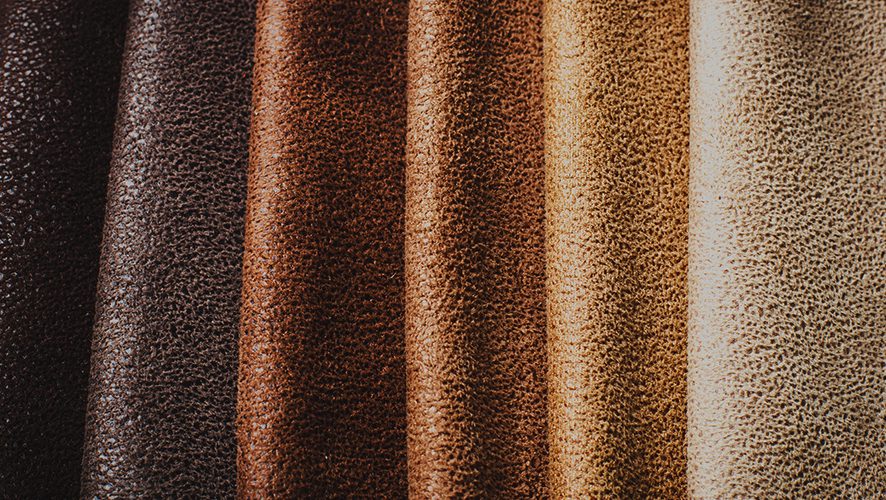
Suede is particularly effective here because of its directional nap. When you run your hand across suede, the fibers shift, changing the color and texture slightly. This interaction creates a “moment of engagement” between the consumer and the product. It forces the user to slow down and acknowledge the material, reinforcing the brand’s commitment to quality and detail.
Suede vs. Smooth Leather: Establishing Premium Positioning
While traditional smooth leather communicates durability and ruggedness, suede communicates elegance and exclusivity. In the hierarchy of brand materials, suede is often positioned as a “specialist” choice. Because it is perceived as more delicate and harder to maintain than top-grain leather, it signals that the owner (and the brand) prioritizes aesthetics and experience over pure utility.
For a brand, choosing suede over synthetic alternatives is a move toward “Authentic Luxury.” It signals that the brand is not cutting corners. Whether it is used in the interior of a luxury vehicle or as the primary material for a fashion house’s flagship handbag, suede serves as a shorthand for a premium price point and a sophisticated target audience.
Material Heritage and Authenticity: Building Brand Trust
The word “suede” originates from the French term Gants de Suède, meaning “gloves from Sweden.” Historically, this material was synonymous with the European aristocracy. For contemporary brands, leveraging suede is a way to tap into this historical lineage, even if the brand itself is relatively young.
The Narrative of Craftsmanship
Suede is created by sanding the underside of animal hide (the “flesh side”) or by splitting the leather to reveal the soft, fibrous inner layer. This process is inherently artisanal. When a brand explains that its products are made from “premium Italian suede,” it isn’t just describing a material; it is telling a story of craftsmanship, geography, and tradition.
In brand storytelling, the “provenance” of material is a key driver of trust. High-end brands use the technical complexity of suede production to justify their artisanal claims. By highlighting the selection process—choosing hides with the most consistent fiber structure—brands position themselves as curators of excellence, rather than just manufacturers.
Case Studies: From Heritage Icons to Modern Disruptors
Many iconic brands have built their entire identity around the specific use of suede. Consider the “Desert Boot” by Clarks. By using suede instead of polished leather, Clarks successfully branded itself as the choice for the “off-duty” intellectual and the creative class. The material allowed the brand to occupy a space between formal and casual, a strategic positioning that has lasted for decades.
In the luxury sphere, brands like Hermès and Brunello Cucinelli use suede to reinforce their “Quiet Luxury” ethos. There are no loud logos; instead, the branding is “hidden” in the quality of the suede. The material becomes the logo. When a customer recognizes the specific weight and velvet-like finish of a Cucinelli suede jacket, the brand has achieved the ultimate goal of identity: recognition through quality rather than signage.

Synthetic Innovation: Sustainability and the Modern Brand Image
As the global conversation shifts toward sustainability and ethical production, the definition of “what is suede” has expanded to include high-tech synthetics. This shift represents a critical juncture for brand strategy. How does a brand maintain its “premium” feel while moving away from traditional animal-based materials?
Ultrasuede and Alcantara: High-Tech Branding
Materials like Ultrasuede (developed in the 1970s) and Alcantara have redefined the “suede” category. These are not mere “fakes”; they are engineered microfibers that offer superior durability, stain resistance, and a consistent finish.
From a branding perspective, Alcantara has become a powerhouse. By partnering exclusively with high-end automotive brands like Porsche, Lamborghini, and BMW, Alcantara has branded itself as a “performance luxury” material. It is lighter than leather and offers better grip, making it the perfect material for steering wheels. Here, the “tech” of the material enhances the “brand” of the car, creating a synergy where the material itself becomes a selling point.
Ethics and the Conscious Consumer
For modern brands, the move toward vegan suede (often made from recycled polyester) is a strategic response to the “Conscious Consumer.” A brand’s choice of material is now a reflection of its corporate social responsibility (CSR) values.
However, the challenge for brand managers is maintaining the “luxury” perception. To do this, brands often focus on the “innovation” aspect of synthetic suede. Instead of calling it “imitation,” they frame it as “next-generation bio-material.” This allows the brand to stay relevant in a changing ethical landscape without losing the tactile prestige associated with the suede aesthetic.
Strategic Maintenance: Protecting the Brand Promise
One of the most interesting aspects of suede from a branding standpoint is its fragility. Suede is susceptible to water damage and staining. While this might seem like a disadvantage, in the world of luxury branding, it is actually a strategic asset.
The Fragility Paradox: Exclusivity through Care
Luxury is often defined by “the ability to afford things that require care.” A brand that sells suede products is implicitly targeting a consumer who has the time and resources to maintain those products. This creates a sense of exclusivity.
Furthermore, many premium brands capitalize on this by selling branded “suede care kits.” This is a brilliant brand extension. It keeps the consumer engaged with the brand long after the initial purchase and positions the brand as a “guardian” of the product’s longevity. It reinforces the idea that a suede item is an investment, not a disposable commodity.
Longevity and Resale Value
In the secondary market (platforms like The RealReal or StockX), the condition of suede significantly impacts a brand’s resale value. Brands that use high-quality suede that ages gracefully (developing a “patina”) tend to hold their value better.
For a brand, high resale value is the ultimate proof of quality. It signals to new buyers that the brand’s materials are durable and desirable over the long term. By educating consumers on how to brush and protect their suede, brands ensure that their products remain “walking advertisements” for the brand’s quality years after they leave the boutique.
Conclusion: Suede as the Tactile Signature
To answer “what is suede material” is to look beyond the fibers and see a sophisticated instrument of brand identity. Suede is the bridge between the heritage of the past and the innovation of the future. It is a material that demands touch, rewards care, and signals a specific level of taste.
For brands, the strategic use of suede—whether natural or synthetic—is about more than just aesthetics. It is about creating a multi-sensory brand experience that resonates on a psychological level. In an increasingly digital world, the brands that win will be those that understand the value of the physical, the tactile, and the authentic. Suede, with its deep history and unmatched softness, remains one of the most effective ways for a brand to leave a lasting impression on the hands—and minds—of its consumers.
aViewFromTheCave is a participant in the Amazon Services LLC Associates Program, an affiliate advertising program designed to provide a means for sites to earn advertising fees by advertising and linking to Amazon.com. Amazon, the Amazon logo, AmazonSupply, and the AmazonSupply logo are trademarks of Amazon.com, Inc. or its affiliates. As an Amazon Associate we earn affiliate commissions from qualifying purchases.