
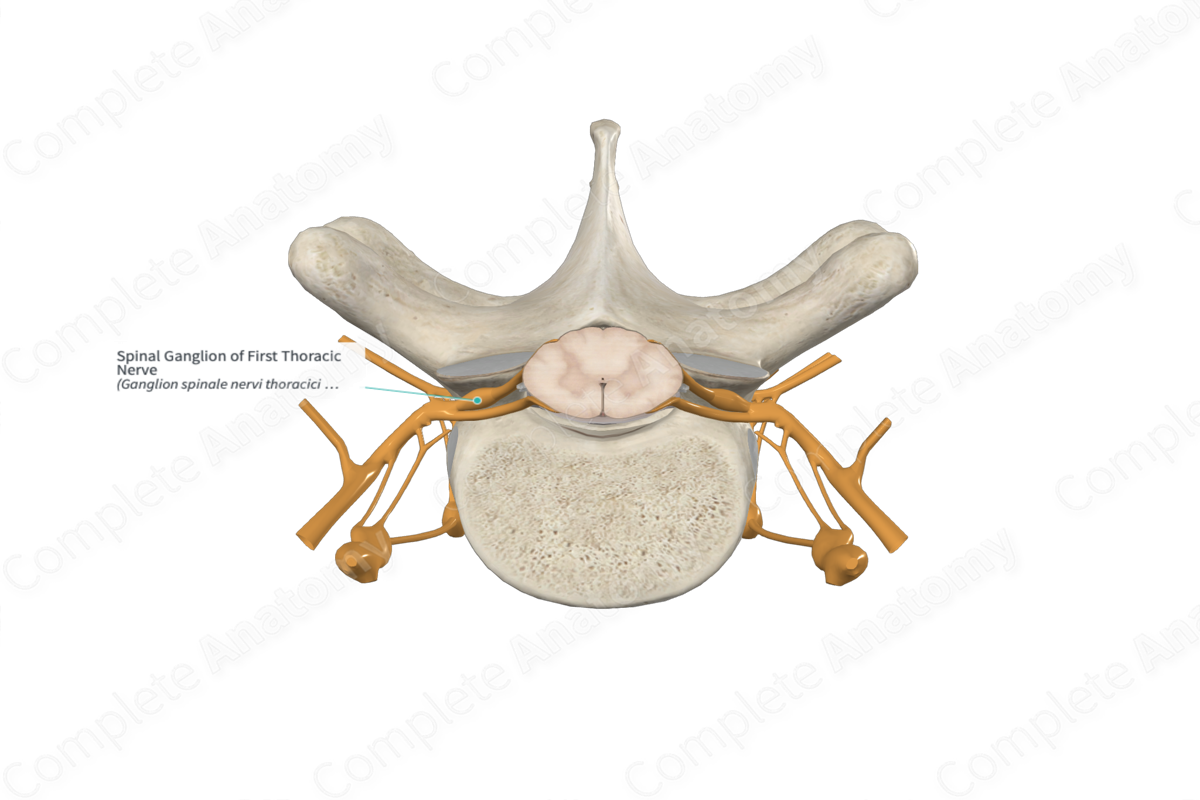
In the rapidly evolving landscape of medical technology and neural engineering, the term “spinal ganglion” is moving from the quiet corridors of anatomy classrooms into the high-stakes world of bio-integrated tech. Historically understood as a cluster of nerve cell bodies located at the dorsal root of the spinal nerve, the spinal ganglion (or dorsal root ganglion) is increasingly viewed as the “biological router” of the human body. As we move deeper into the era of the Internet of Bodies (IoB) and advanced Brain-Computer Interfaces (BCIs), understanding the function and integration of the spinal ganglion is essential for the next generation of wearable tech, neuro-prosthetics, and decentralized data processing.

This article explores the technological implications of the spinal ganglion, examining how its biological architecture inspires modern edge computing, the development of sophisticated neural implants, and the future of human-machine synchronization.
1. The Biological Blueprint: Understanding the Body’s Edge Computing Node
To understand why the spinal ganglion is a focal point for modern tech, we must first view the human nervous system through the lens of information architecture. The spinal ganglion acts as a critical relay station for sensory information traveling from the periphery of the body to the central nervous system.
Sensory Nodes as Biological Data Centers
In traditional computing, a “node” is a point where data is processed or redistributed. The spinal ganglion functions as a specialized sensory node. It houses the cell bodies of afferent (sensory) neurons, which are responsible for transmitting signals such as touch, temperature, and pain. From a tech perspective, this is the body’s primary interface for “input data.” By studying how these ganglia filter and prioritize signals before they reach the brain, tech developers are learning to create more efficient sensors that don’t overwhelm a central processor—mirroring the shift from cloud computing to edge computing.
The Architecture of Peripheral Signal Processing
The spinal ganglion does not merely pass signals along; it plays a role in signal modulation. This “preprocessing” capability is what fascinates neuro-engineers. When we design advanced robotics, one of the greatest challenges is latency—the delay between a sensor detecting an object and the processor deciding how to react. The spinal ganglion provides a biological model for low-latency processing. By mimicking this architecture, developers can create “smart limbs” that can handle complex environmental stimuli locally, reducing the computational load on the main system.
2. Neuro-Tech Interfacing: The Rise of DRG Stimulation
One of the most significant technological breakthroughs involving the spinal ganglion is Dorsal Root Ganglion (DRG) Stimulation. This is a form of neuro-technology that uses implanted leads and a pulse generator to manage chronic pain. It represents a paradigm shift in how we use hardware to “patch” biological software.
From Biological Ganglia to Precision Neuro-Implants
While traditional spinal cord stimulators (SCS) target broad areas of the spinal cord, DRG stimulation focuses on the specific ganglion associated with the source of pain. This is the anatomical equivalent of a surgical software patch. By delivering electrical pulses directly to the spinal ganglion, these devices can “gate” pain signals before they ever reach the brain. For the tech industry, this represents the pinnacle of precision medicine: a hardware interface that can talk directly to a specific biological cluster to alter sensory output.
Smart Prosthetics and Tactile Feedback Systems
The next frontier for DRG-related tech is the development of bionic limbs that can “feel.” For decades, prosthetics were purely mechanical. Today, using neural interfaces that connect with the spinal ganglion, engineers are working on “closed-loop” systems. In these systems, sensors on a robotic hand send data back to the user’s spinal ganglia via electrical stimulation. This allows the user to experience a sense of pressure or texture, effectively integrating the machine into the user’s biological “network.”

3. The Role of AI in Decoding Spinal Signals
As we integrate more hardware with the spinal ganglion, the sheer volume of data produced is staggering. This is where Artificial Intelligence (AI) and Machine Learning (ML) become indispensable tools for neuro-technology.
Machine Learning Algorithms for Neural Signal Analysis
Decoding the electrical “language” of a spinal ganglion is a complex task. Signals are often noisy and non-linear. Tech firms are now deploying deep learning models to translate these neural spikes into actionable data. By training AI on the firing patterns of the spinal ganglion, researchers can develop software that predicts a patient’s movement intentions or identifies the early onset of neurological degradation. This synergy between AI and the spinal ganglion is turning the human body into a readable, and eventually programmable, interface.
Predictive Maintenance for the Human Nervous System
In the world of industrial tech, predictive maintenance uses sensors to find flaws before a machine breaks. We are now applying this concept to human health through the spinal ganglion. Wearable devices equipped with sophisticated biosensors are beginning to monitor the health of these nerve clusters. If the AI detects a change in the signal processing efficiency of the ganglion, it could alert the user to potential issues—ranging from nerve compression to systemic inflammation—long before physical symptoms appear. This “body-as-a-service” model is a direct result of our ability to digitally monitor biological hubs.
4. Ethical Frontiers and the Internet of Bodies (IoB)
The integration of technology with the spinal ganglion raises profound questions about digital security, data privacy, and the definition of the “connected human.” As we turn biological nodes into data-transmitting devices, the stakes for digital security have never been higher.
Data Security in the Internet of Bodies
When a spinal ganglion is connected to a neuro-stimulator that can be adjusted via a smartphone app, that biological node becomes a part of the “Internet of Bodies.” This introduces the risk of “biocracking” or unauthorized access to a person’s sensory perceptions. The tech industry is currently grappling with how to implement robust encryption on devices that have limited power and must operate inside the human body. Protecting the data stream coming from a spinal ganglion is not just about privacy; it is about protecting the fundamental integrity of a person’s sensory experience.
The Convergence of Synthetic and Organic Processing
We are approaching a future where the distinction between biological processing and digital processing becomes blurred. If we can augment the spinal ganglion with synthetic nodes to enhance human reflexes or provide thermal vision, we are moving beyond therapy into human enhancement. This transition requires a new framework for “Neuro-Ethics.” Tech leaders and bioethicists must work together to determine the boundaries of these enhancements. Who owns the data generated by an augmented spinal ganglion? How do we ensure equitable access to these life-altering technologies?
Conclusion: The Future of Neural Integration
The spinal ganglion, once a niche topic for neurologists, is now at the center of a technological revolution. By serving as a bridge between the peripheral body and the brain, it provides the perfect site for neural interfacing, AI integration, and the advancement of the Internet of Bodies.
As we continue to develop sophisticated hardware that can communicate with these biological nodes, we are doing more than just treating disease; we are redefining the limits of human capability. The technology inspired by and integrated with the spinal ganglion represents the next great leap in human evolution—a fusion of organic wisdom and synthetic precision. Whether through pain management, advanced prosthetics, or AI-driven diagnostics, the “spinal ganglion tech” niche is set to become one of the most consequential fields of the 21st century, proving that the most advanced technology on the planet is still the one located within ourselves.
aViewFromTheCave is a participant in the Amazon Services LLC Associates Program, an affiliate advertising program designed to provide a means for sites to earn advertising fees by advertising and linking to Amazon.com. Amazon, the Amazon logo, AmazonSupply, and the AmazonSupply logo are trademarks of Amazon.com, Inc. or its affiliates. As an Amazon Associate we earn affiliate commissions from qualifying purchases.