
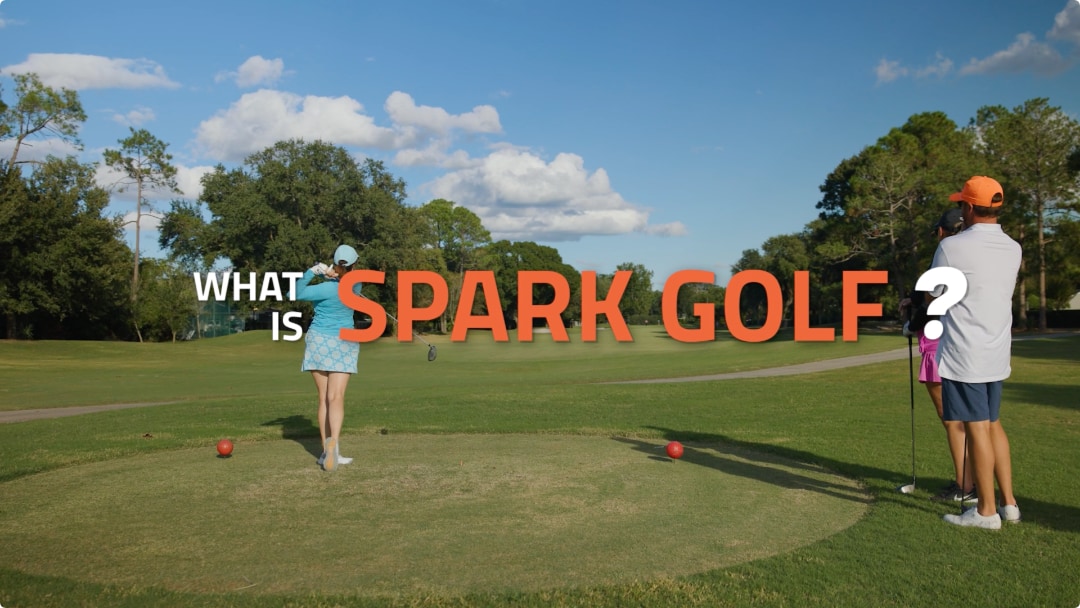
In the traditional world of athletics, few sports are as steeped in manual tradition as golf. For decades, the experience remained largely unchanged: paper scorecards, manual handicap calculations, and phone-call-based tee time reservations. However, the emergence of Spark Golf represents a significant shift in the “SportTech” landscape. Spark Golf is not merely a league; it is a sophisticated digital platform designed to automate, gamify, and scale the social golf experience through a mobile-first architecture.
By leveraging cloud computing, real-time data processing, and social networking algorithms, Spark Golf has successfully moved the administrative burden of sports management into the palm of the user’s hand. To understand what Spark Golf is, one must look past the fairways and into the software stack that powers the modern recreational athlete’s journey.
The Architecture of a Mobile-First Sporting League
At its core, Spark Golf is a platform-as-a-service (PaaS) model applied to the niche of recreational sports. Unlike traditional country club software, which is often fragmented and desktop-heavy, Spark was built with a mobile-first philosophy to handle the dynamic environment of a golf course.
Cloud-Based Real-Time Scoring
The backbone of the Spark Golf experience is its proprietary live-scoring engine. In a typical Spark round, players input their scores directly into the app. This data is instantly synced to a central cloud server, which then broadcasts updates to every other player in the league. This requires a robust backend capable of handling high-concurrency data writes, especially during “shotgun starts” where hundreds of players may be submitting data simultaneously. The tech ensures that the leaderboard is reactive, creating a high-stakes, professional atmosphere for casual players.
Geospatial Integration and GPS
Spark Golf utilizes the GPS capabilities of modern smartphones to enhance the “in-play” experience. By integrating mapping APIs, the platform can verify a player’s location relative to the course, ensuring that scores are being entered in real-time on-site. Furthermore, this geospatial data allows the app to provide basic yardage information, acting as a lightweight rangefinder. This integration reduces the need for secondary hardware, consolidating the golfer’s tech stack into a single application.
The API Economy and Course Management
Spark Golf does not operate in a vacuum; it must interface with existing golf course management systems (GCMS). Through API integrations, the platform can sync with course calendars to manage tee times, availability, and player check-ins. This digital bridge between the consumer-facing app and the business-facing management software is what allows Spark to scale across thousands of courses without requiring localized administrative staff at every location.
Re-engineering the User Experience (UX) for the Modern Golfer
The success of Spark Golf is largely attributed to its UX design, which focuses on removing the “friction” traditionally associated with organized sports. From a technical standpoint, the interface is designed to minimize “time-to-play,” ensuring that the technology facilitates the sport rather than distracting from it.
Frictionless Onboarding and Registration
In traditional leagues, joining often involves manual forms, check payments, and email chains. Spark Golf utilizes a streamlined digital onboarding flow. By leveraging integrated payment gateways (like Stripe or Apple Pay), the app allows users to discover a local league, pay their registration fees, and join a team in under sixty seconds. This use of “one-tap” commerce is a hallmark of modern fintech integrated into a sports context.
Gamification and Feedback Loops
Spark Golf employs sophisticated gamification tactics to increase user retention. The app features a “Spark Stroke” system and various “Season Points” trackers. These are calculated using automated algorithms that reward not just performance, but consistency and participation. By providing immediate visual feedback through progress bars, badges, and ranking shifts, the software creates a dopamine-driven feedback loop common in high-growth mobile apps and SaaS platforms.

Social Connectivity and Push Architecture
A major component of the Spark Golf app is its communication layer. Utilizing a robust push notification architecture, the platform keeps players informed about weather delays, tee time changes, and leaderboard shifts. The social “feed” within the app allows for a localized community experience, where players can interact with their specific league members. This “siloed social network” strategy ensures high engagement within the app ecosystem without the noise of broader social media platforms.
Data Analytics and the Digital Handicap System
One of the most complex technical hurdles in golf is the “handicap”—a numerical measure of a golfer’s potential. Traditionally, this required complex manual calculations or expensive subscriptions to national databases. Spark Golf internalized this process through a proprietary algorithmic approach.
Algorithmic Fairness and the “Spark Handicap”
Spark Golf uses a dynamic data model to calculate player handicaps. Every round played is a data point that feeds into a central database. The algorithm analyzes these scores, adjusting for course difficulty and historical performance trends. This ensures that a “Net” scoring format (where players of different skill levels can compete fairly) is accurate and updated in real-time. The automation of this data processing removes the possibility of human error or “sandbagging” (falsifying scores to gain an advantage), as the system tracks performance outliers over time.
Performance Metrics and Visual Data
For the tech-savvy golfer, Spark provides more than just a score; it provides a data visualization suite. Users can view their performance trends over a season through charts and graphs. This utilizes data aggregation techniques to show a player’s average score, their best holes, and their ranking relative to the local and national player base. By turning raw score data into actionable insights, Spark acts as a personal performance analyst.
Predictive Scheduling and Load Balancing
On the backend, Spark Golf uses data analytics to assist partner courses in “load balancing.” By analyzing historical participation data, the software can predict which weeks will have higher attendance and adjust registration caps accordingly. This predictive modeling is essential for maximizing “inventory” (tee times) and ensuring that the physical infrastructure of the golf course is not overwhelmed by the digital demand generated by the app.
The Future of SportTech: AI and Wearable Integration
As Spark Golf continues to evolve, its roadmap points toward deeper integration with emerging technologies. The transition from a “scoring app” to a comprehensive “sporting ecosystem” involves staying at the cutting edge of software trends.
AI-Driven Matchmaking and Skill Assessment
The next logical step for the Spark platform is the integration of Machine Learning (ML). By analyzing thousands of rounds of data, an AI engine could eventually provide “smart matchmaking,” pairing players of similar temperaments, speeds of play, or skill levels to optimize the social experience. Furthermore, AI could be used to detect anomalies in scoring data, providing an automated layer of integrity and “anti-cheat” protocols that are standard in the e-sports industry but new to physical sports.
Wearable and IoT Expansion
With the proliferation of the Apple Watch and other fitness trackers, Spark Golf is poised to move from the smartphone to the wrist. Integration with watchOS and Wear OS would allow for “invisible” scoring—where a player can input their strokes without ever taking their phone out of their pocket. By tapping into HealthKit or similar APIs, the platform could also correlate golf performance with physical biometrics like heart rate or caloric burn, providing a holistic view of the athlete’s health.

The “Platformization” of Local Communities
Ultimately, Spark Golf represents the “platformization” of local community activities. Much like how Uber organized independent drivers or Airbnb organized property owners, Spark is organizing the fragmented world of local golf. Through a centralized tech stack, they have created a scalable, repeatable model that can be deployed in any city with a golf course. This is a significant trend in digital technology: the use of software to provide a consistent, high-quality “layer” over physical, real-world assets.
In conclusion, Spark Golf is a prime example of how modern software can revitalize a traditional industry. By focusing on mobile UX, real-time data synchronization, and algorithmic fairness, it has transformed a four-hour walk in the park into a tech-driven social experience. For the user, it is a fun way to play golf; for the technologist, it is a sophisticated exercise in digital transformation, data management, and platform scaling.
aViewFromTheCave is a participant in the Amazon Services LLC Associates Program, an affiliate advertising program designed to provide a means for sites to earn advertising fees by advertising and linking to Amazon.com. Amazon, the Amazon logo, AmazonSupply, and the AmazonSupply logo are trademarks of Amazon.com, Inc. or its affiliates. As an Amazon Associate we earn affiliate commissions from qualifying purchases.