
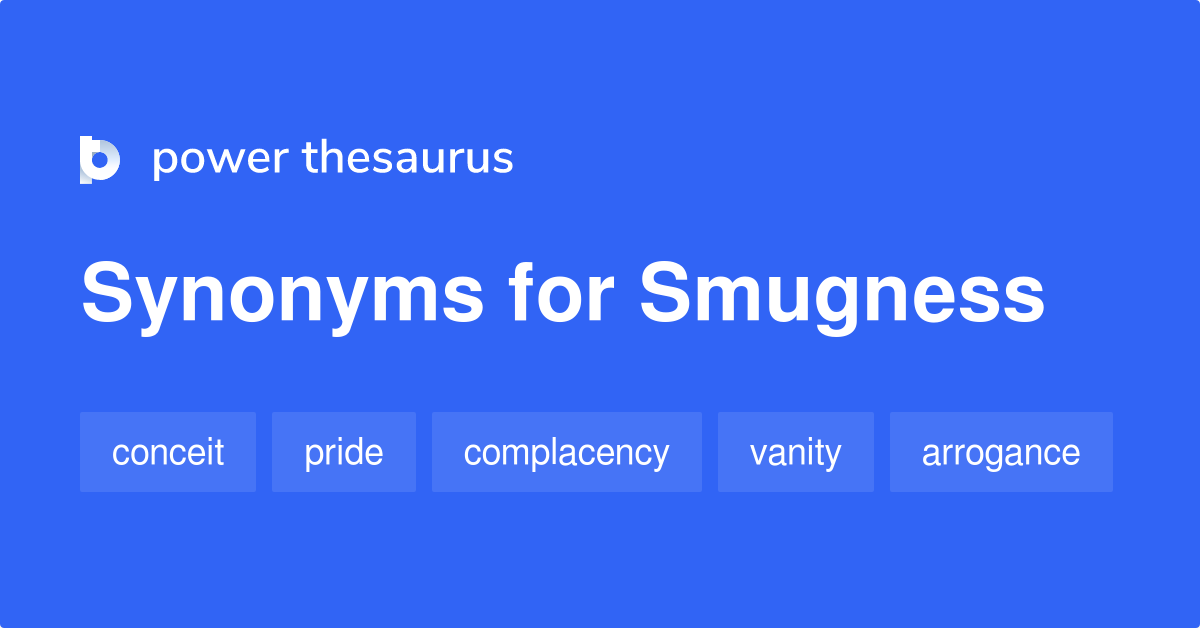
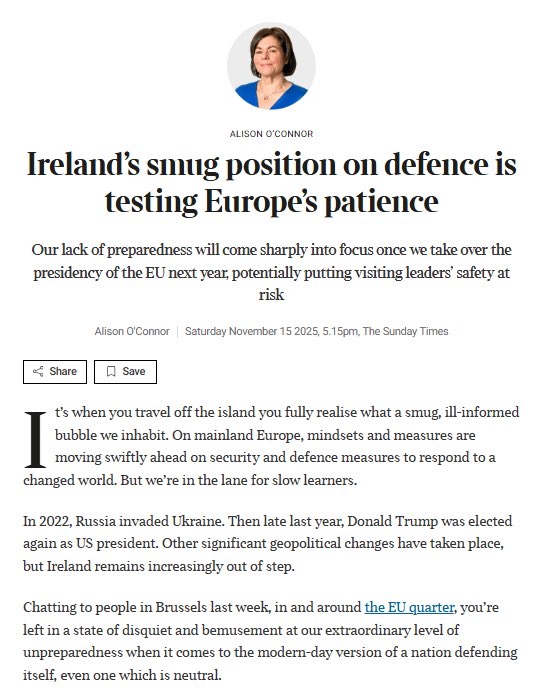
In the high-stakes world of corporate identity and brand strategy, there is a fine line between projectable confidence and off-putting smugness. Traditionally, brands strive to be perceived as experts—authorities in their niche that consumers can trust. However, when a brand’s tone shifts from “we are the best at what we do” to “we are better than our customers,” a dangerous psychological barrier is erected. In a marketing context, smugness is a specific type of brand arrogance characterized by a sense of superiority, exclusivity, and an apparent lack of need for consumer feedback.
As digital landscapes become increasingly saturated, the way a brand presents its “personality” determines its longevity. Understanding the anatomy of brand smugness is not merely an academic exercise; it is a critical necessity for brand managers who wish to maintain relevance in an era where authenticity is the most valued currency.
The Anatomy of a Smug Brand Identity
Smugness in branding does not happen overnight. It is often the byproduct of prolonged success or a misunderstanding of “premium” positioning. When a brand begins to believe its own hype to the point of dismissing the evolving needs or intelligence of its audience, the identity begins to sour.
The Fine Line Between Confidence and Condescension
Confidence is an essential attribute for any successful brand. It is the assurance that a product works, a service is reliable, and a company stands by its values. Smugness, however, is confidence without humility. It manifests in marketing copy that talks down to the audience or uses overly complex jargon to make the brand seem intellectually superior. When a brand adopts a “if you don’t get it, you aren’t our target” attitude, it risks crossing into condescension. While this may work for a handful of ultra-luxury heritage houses, for the average brand, it creates a friction point that drives potential advocates away.
The “In-Group” Fallacy: When Exclusivity Becomes Exclusionary
Strategic exclusivity is a common marketing tactic used to drive demand. However, there is a “smugness trap” within this strategy. When a brand’s identity is built entirely on being “better than the rest” or catering only to an elite “in-group,” it can inadvertently insult those outside that circle. Smug branding often relies on a “gatekeeper” mentality. Instead of inviting consumers into a lifestyle, the brand signals that the consumer is lucky to even be considered by the brand. This dynamic is unsustainable in a social-media-driven market where peer reviews and community sentiment carry more weight than a brand’s self-proclaimed status.
The High Cost of Perceived Superiority in Marketing
The economic and reputational consequences of brand smugness are profound. In the modern marketplace, consumers are no longer passive recipients of marketing messages; they are active participants in a brand’s narrative. If that narrative is perceived as smug, the backlash is often swift and digital.
Alienating the Modern Consumer
Today’s consumers, particularly Millennials and Gen Z, prioritize brand values and emotional resonance. They seek brands that feel like “partners” rather than “overlords.” A smug brand identity creates an emotional distance that prevents the formation of a genuine community. When a brand presents itself as infallible or above reproach, it loses the “human” element. This lack of relatability is a major driver of brand switching. If a consumer feels judged or belittled by a brand’s marketing—whether through unrealistic lifestyle portrayals or a dismissive social media presence—they will move to a competitor that offers a more inclusive and welcoming experience.
Case Studies in Brand Hubris
Throughout marketing history, several high-profile companies have suffered the consequences of “brand hubris.” This often occurs when a market leader becomes complacent and assumes their position is unassailable. We see this in legacy brands that ignore emerging trends, dismissing them as “fads” for those with “lesser taste.” For instance, when traditional retail giants ignored the rise of D2C (Direct-to-Consumer) challengers, their dismissive attitude was a form of corporate smugness. They believed their heritage and size made them immune to disruption. The result was a catastrophic loss of market share as consumers flocked to brands that showed they understood the modern shopper’s desire for convenience and transparency.
From Smugness to Approachable Authority: Strategic Reconnection
Correcting a smug brand identity requires more than just a new logo or a catchy slogan. It requires a fundamental shift in how the organization views its relationship with the public. It involves moving from a “top-down” communication style to a “circular” feedback loop.
Radically Transparent Communication
The most effective antidote to smugness is transparency. Smugness often relies on a veneer of perfection. By pulling back the curtain and showing the “how” and “why” behind the brand, companies can build a sense of shared purpose with their audience. This includes admitting mistakes. A brand that can say, “We got this wrong, and here is how we are fixing it,” instantly dismantles the ivory tower of smugness. Transparency builds trust, and trust is the foundation of long-term brand equity. It transforms the brand from an untouchable icon into a living, breathing entity that values its customers’ input.
Building Community Through Vulnerability
In a professional context, vulnerability might seem like a weakness, but in branding, it is a superpower. Vulnerability in branding means showing the human side of the business—the challenges, the team members, and the core mission beyond just profit. When a brand stops trying to look perfect and starts trying to be helpful, the smugness evaporates. This approach involves active listening. Brands should engage with their community on social media not just to push products, but to have conversations. By elevating customer voices and showing genuine appreciation for their support, a brand shifts its identity from “superior” to “supportive.”
The Role of Voice and Visuals in Mitigating Brand Arrogance
A brand’s identity is communicated through every touchpoint, from the font used on the website to the tone of a customer service email. To avoid the smugness trap, marketing teams must be hyper-aware of their brand’s “body language.”
The “Reply Guy” Trap and Tone of Voice
Social media has become the primary battleground for brand identity. Many brands attempt to use “snark” or “wit” to gain engagement, following the lead of successful accounts like Wendy’s. However, there is a fine line between being witty and being a “smug reply guy.” When a brand uses its platform to mock competitors or condescend to customers who have legitimate complaints, it projects an image of arrogance. A professional brand voice should be authoritative but never dismissive. Every interaction should reinforce the idea that the brand is there to serve the customer, not to prove how much smarter it is than the competition.
Design Elements and the Perception of Status
Visual identity plays a significant role in how smugness is perceived. Minimalist, high-end design is often associated with premium brands, but if executed without warmth, it can feel cold and elitist. The choice of imagery is equally important. If a brand exclusively uses models and settings that feel unattainable and disconnected from the reality of its target demographic, it reinforces a smug narrative. Integrating diverse imagery, user-generated content, and a more accessible design language can help a brand feel more “grounded.” This doesn’t mean sacrificing quality; it means ensuring that the “premium” nature of the brand feels like an invitation rather than a barrier.

Conclusion: The Sustainable Brand Identity
Ultimately, the question of “what is smugness” in a brand context comes down to the balance of power. A smug brand believes it holds all the power and that consumers are privileged to interact with it. A successful, modern brand recognizes that power is a shared commodity.
By prioritizing empathy, transparency, and genuine engagement, brands can project authority without falling into the trap of arrogance. The most enduring brands are those that lead with their values rather than their egos. In an age where the consumer has more choices and more voice than ever before, there is simply no room for the ivory tower. Breaking down the walls of smugness is not just a moral choice for a brand; it is a strategic imperative for survival in the competitive global marketplace.
aViewFromTheCave is a participant in the Amazon Services LLC Associates Program, an affiliate advertising program designed to provide a means for sites to earn advertising fees by advertising and linking to Amazon.com. Amazon, the Amazon logo, AmazonSupply, and the AmazonSupply logo are trademarks of Amazon.com, Inc. or its affiliates. As an Amazon Associate we earn affiliate commissions from qualifying purchases.