
In the rapidly evolving landscape of the 21st century, the term “research gap” has transitioned from a purely academic concept into a critical business and development imperative. In the world of technology, a research gap represents the void between what is currently known or achievable with existing software and hardware and the untapped potential of future innovations. For developers, engineers, and tech visionaries, identifying this gap is the first step toward creating the next disruptive AI tool, securing a digital ecosystem, or optimizing a complex algorithm.
The pace of technological advancement often outstrips the pace of formal documentation and peer-reviewed analysis. This creates “blind spots” where existing solutions fail to address emerging problems. To lead in the tech sector, one must not only understand what technology can do today but also possess the analytical foresight to see what it cannot yet do. This article explores the anatomy of the research gap within the tech niche, providing a roadmap for identifying knowledge voids and leveraging them to drive digital transformation.
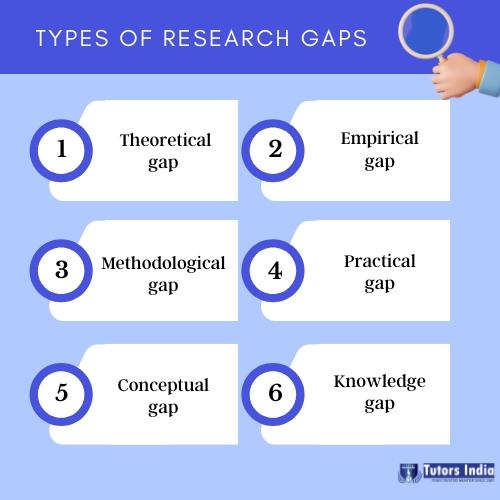
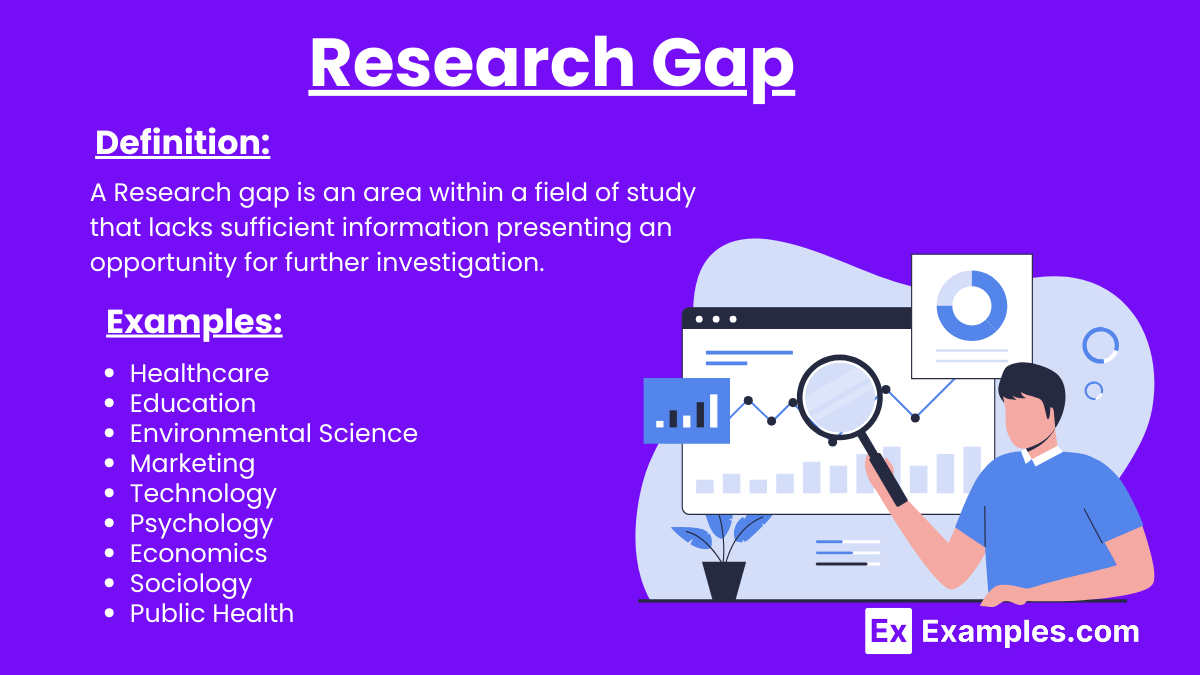
Defining the Research Gap in a Rapidly Evolving Tech Landscape
At its core, a research gap in technology is an area where the information, functional capabilities, or data needed to solve a specific problem are missing. Unlike static fields, technology is a moving target. What was a revolutionary breakthrough six months ago may today be considered a legacy system with inherent limitations. Understanding these gaps requires a nuanced look at how we categorize technological shortcomings.
The Disconnect Between Lab Innovation and Commercial Software
One of the most prominent research gaps in the industry is the “translation gap.” This occurs when high-level theoretical research—often conducted in academic settings or high-budget R&D labs—fails to manifest in consumer-facing software. For instance, while there may be significant research on the efficiency of quantum algorithms, the gap lies in the practical implementation of these algorithms within standard cloud computing environments. Bridging this gap involves identifying the specific engineering hurdles that prevent a theoretical model from becoming a scalable, user-friendly application.
Knowledge Voids in Emerging AI Frameworks
As Artificial Intelligence (AI) and Machine Learning (ML) become the backbone of modern tech, a massive research gap has opened regarding “explainability.” While we can build Large Language Models (LLMs) that produce human-like text, there is a profound lack of understanding—a research gap—regarding the internal decision-making processes of these “black box” systems. This gap isn’t just a matter of curiosity; it is a technical barrier to the deployment of AI in high-stakes fields like autonomous driving or digital medicine, where understanding the “why” is as important as the “what.”
The Scalability and Interoperability Gap
As the Internet of Things (IoT) expands, we encounter a research gap in interoperability. We have the hardware (gadgets) and the connectivity (5G), but there is a lack of cohesive research on standardized protocols that allow diverse ecosystems to communicate seamlessly without compromising speed. Identifying where current protocols fail under heavy load or across different manufacturer frameworks is essential for the next generation of smart infrastructure.
How to Identify a Technology Research Gap
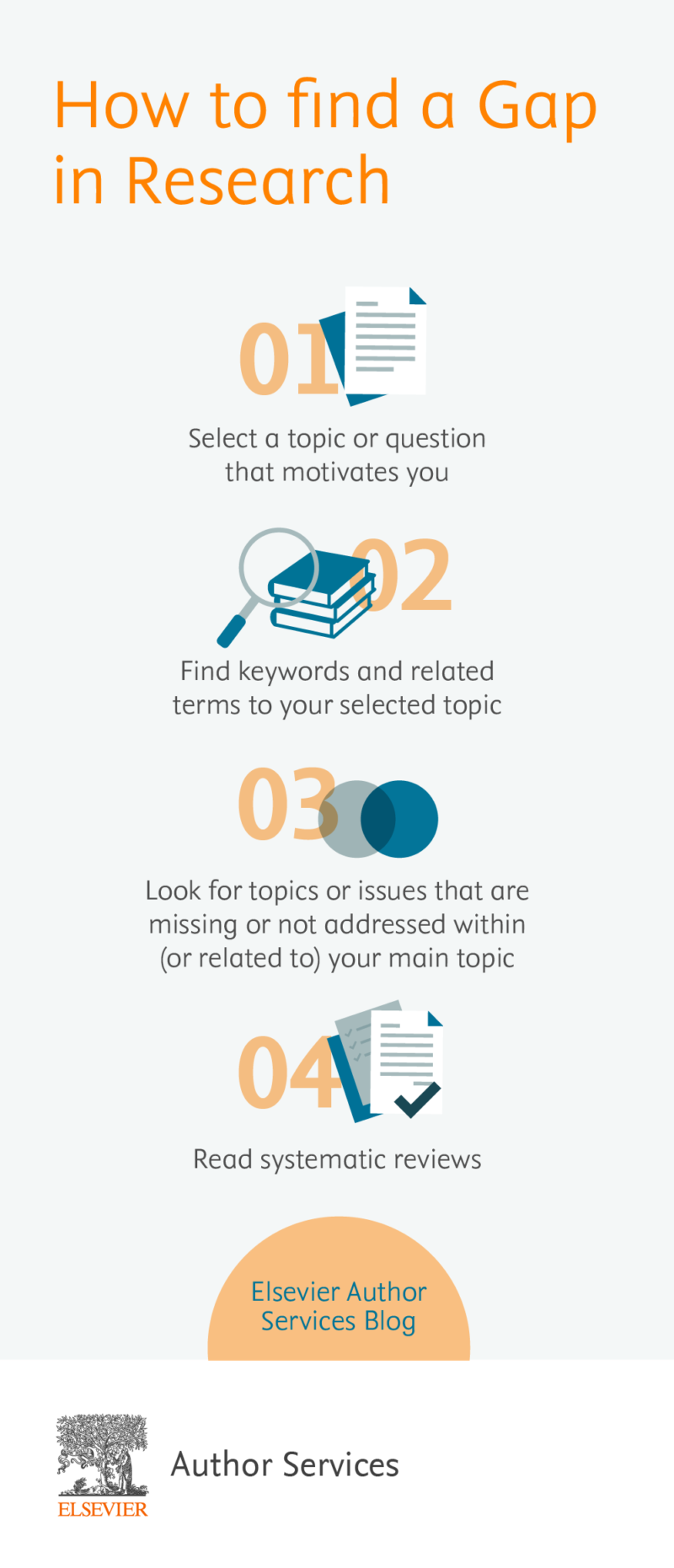
Identifying a research gap is a systematic process. It is not merely about having a “good idea”; it is about proving that a specific area of knowledge is underserved or that a specific technological problem remains unsolved despite current efforts. In tech, this involves a blend of literature review, code analysis, and user experience auditing.
Analyzing Limitations in Current Software Documentation and APIs
The most accessible way to find a research gap is to look at the “Known Issues” or “Limitations” section of current software documentation and API references. Every piece of software has a boundary. When a developer encounters a limitation—such as an API that cannot handle real-time data streaming at a certain magnitude—they have identified a functional research gap. By documenting these limitations across competing platforms, one can find a “whitespace” where a new tool or methodology could provide a superior solution.
Identifying “Edge Cases” in User Experience (UX) Research
Tech research often focuses on the “happy path”—the way a user is expected to interact with an app or gadget under ideal conditions. A significant research gap often exists in how technology handles “edge cases” or non-traditional user environments. For example, how does a voice-recognition AI perform in a high-decibel industrial environment? How does a mobile app function in regions with intermittent 2G connectivity? These gaps represent opportunities for specialized tech development that addresses the needs of underserved markets or extreme environments.
Evaluating the Latency and Scalability Constraints of Current Gadgets
In the hardware and gadget review niche, research gaps are found by pushing hardware to its breaking point. If current flagship smartphones struggle with thermal throttling during high-end rendering, the research gap lies in the intersection of material science and mobile processor architecture. Identifying the exact threshold where hardware fails to meet software demands allows engineers to focus their research on specific bottlenecks, such as battery chemistry or heat dissipation technologies.
Leveraging Research Gaps for Competitive Tech Advantage
Once a research gap is identified, it becomes a strategic asset. In the tech industry, the entity that fills the gap first often secures the intellectual property, market share, and “thought leadership” in that space.
From Theory to Tool: Turning Voids into Features
Successful tech startups are often built entirely on a research gap. Consider the rise of digital security tools. As businesses moved to the cloud, a gap was created in “zero-trust” architecture. Traditional firewalls were no longer sufficient for decentralized workforces. Companies that identified this gap didn’t just write papers about it; they developed Software as a Service (SaaS) products that filled the void. By framing a research gap as a “missing feature” in the current market, developers can create highly targeted solutions that have immediate commercial viability.
Research Gaps in Digital Security and Ethical Hacking
In cybersecurity, a research gap is often synonymous with a vulnerability. Security researchers look for gaps in encryption protocols or flaws in the logic of automated authentication systems. By conducting “Gap Analysis” on existing security frameworks, tech professionals can anticipate where the next generation of cyber threats will emerge. This proactive approach—finding the gap before a malicious actor does—is the foundation of modern digital defense and proactive threat hunting.
Addressing the “Ethics Gap” in Tech Development
There is currently a massive research gap regarding the long-term societal impact of persuasive technology and algorithmic bias. As tech companies face increasing scrutiny, those who invest in research to close the “ethics gap” will have a competitive advantage. This involves developing tools that can audit algorithms for fairness or software that prioritizes user well-being. Bridging the gap between “what we can build” and “what we should build” is becoming a hallmark of high-tier brand strategy in the tech world.
The Future of Tech Research: Closing Gaps with Automation
The irony of the modern research gap is that technology itself is now being used to find and close these voids. We are entering an era where the identification of knowledge gaps is becoming an automated process.
Using AI to Synthesize Large Datasets and Find Blind Spots
Artificial Intelligence tools are now capable of scanning millions of lines of code, thousands of white papers, and endless streams of user feedback to identify patterns that humans might miss. AI can highlight “semantic gaps”—areas where different researchers are talking about the same problem using different terminology, preventing collaboration. By using AI to synthesize tech literature, organizations can quickly map out the “frontier” of a specific field, ensuring that their R&D efforts are not reinventing the wheel but are instead pushing into truly uncharted territory.
Collaborative Open-Source Models as Gap-Fillers
The open-source movement is perhaps the greatest engine for closing research gaps in software history. When a piece of software is open-sourced, the global developer community collectively identifies gaps in the code. This “crowdsourced research” allows for rapid iteration. If a specific library is missing a necessary function for a new AI framework, the gap is often identified and patched by the community within days. This collaborative environment ensures that the gap between a problem and its technological solution is narrower than ever before.
In conclusion, a research gap is more than just a lack of information; it is the roadmap for future innovation. In the tech niche, staying ahead means constantly looking for the limits of current software, the vulnerabilities in digital security, and the untapped potential of new hardware. By systematically identifying and bridging these gaps, tech professionals don’t just follow the trends—they create them. Whether through AI-driven analysis or rigorous hands-on testing, the pursuit of the research gap is the pursuit of the future of technology itself.
aViewFromTheCave is a participant in the Amazon Services LLC Associates Program, an affiliate advertising program designed to provide a means for sites to earn advertising fees by advertising and linking to Amazon.com. Amazon, the Amazon logo, AmazonSupply, and the AmazonSupply logo are trademarks of Amazon.com, Inc. or its affiliates. As an Amazon Associate we earn affiliate commissions from qualifying purchases.