
In the rapidly evolving landscape of construction technology (ConTech), few materials have undergone as significant a transformation as the humble plasterboard wall. While the average observer might view it as a simple, static sheet of gypsum sandwiched between paper, the modern plasterboard wall is a sophisticated feat of material science and engineering. No longer just a partition to divide spaces, today’s plasterboard systems are high-performance technological assets designed to meet the rigorous demands of smart buildings, environmental sustainability, and advanced acoustics.
As we delve into the world of contemporary building systems, understanding “what is a plasterboard wall” requires looking through the lens of innovation. This article explores the technical advancements, smart integrations, and sustainable engineering that have elevated plasterboard from a basic building block to a cornerstone of modern digital and physical infrastructure.
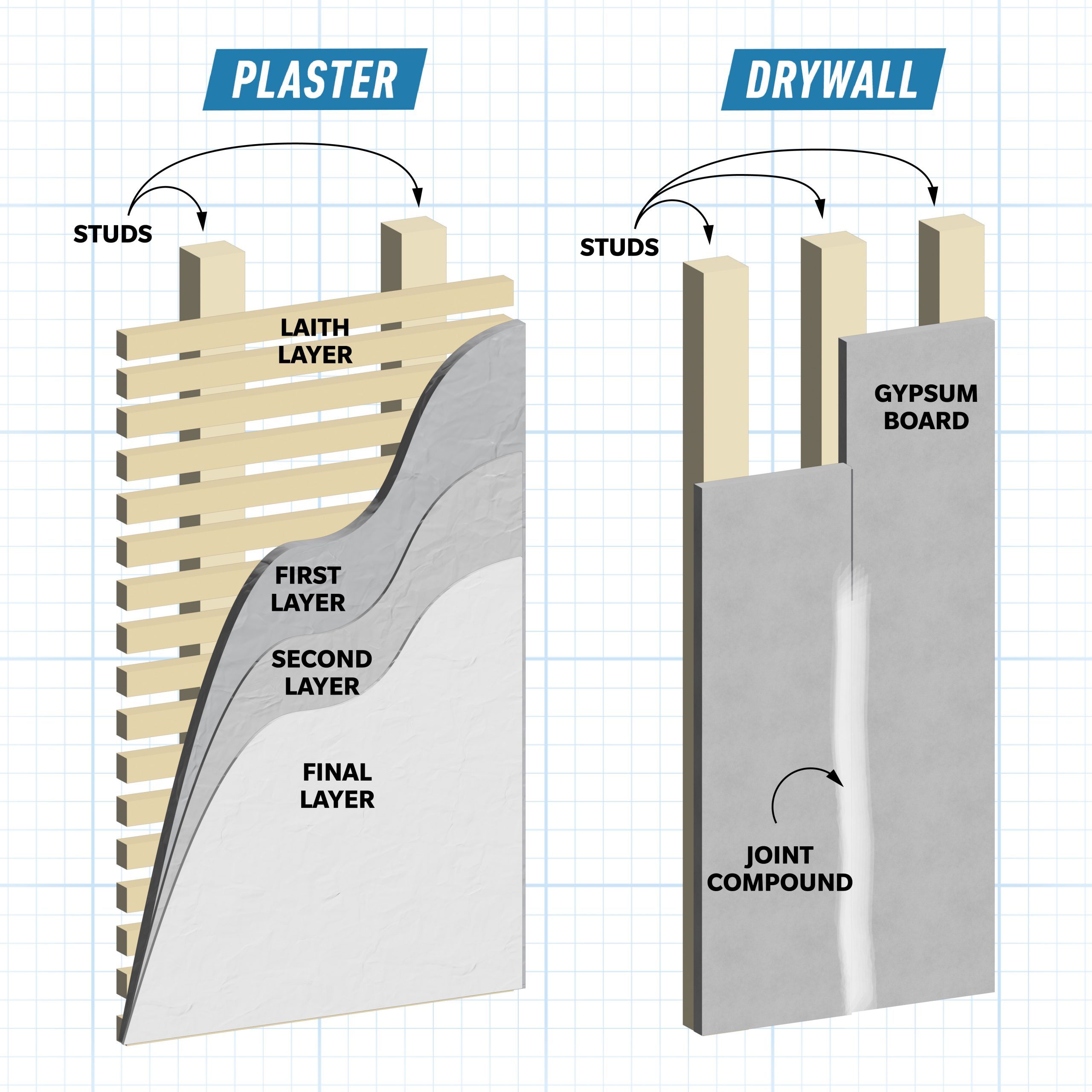
Engineering the Foundation: The Science and Composition of Modern Plasterboard
To understand the technological significance of the plasterboard wall, one must first look at its core. At its most basic level, plasterboard (often referred to as drywall or gypsum board) is a panel made of calcium sulfate dihydrate (gypsum). However, the “tech” lies in the additives and the precision engineering of its internal structure.
Gypsum Innovation and Synthetic Core Advancements
The traditional method of mining gypsum has been supplemented by high-tech synthetic alternatives. Desulphurised gypsum (DSG), a byproduct of the desulphurisation of flue gases in power stations, is now widely used. This process is not only an industrial recycling triumph but also results in a higher purity product that can be engineered for specific densities and strengths. By manipulating the crystal structure of the gypsum core at a molecular level, manufacturers can create boards that are significantly lighter yet structurally superior to those used even a decade ago.
Multilayered Tech: Fire, Acoustic, and Thermal Properties
Modern plasterboard is often a composite of multiple functional layers. Tech-driven boards now feature “Active Air” technology, which utilizes chemical additives to capture and neutralize volatile organic compounds (VOCs) like formaldehyde from the indoor atmosphere, effectively turning the wall into a passive air purification system. Furthermore, the integration of high-density glass fibers and moisture-resistant polymers allows for boards that can withstand extreme temperatures and humidity, replacing heavy masonry in commercial high-rises with lightweight, fire-rated technological barriers.
Smart Walls: Integrating IoT and Digital Infrastructure into Plasterboard Systems
The digital revolution is moving off our desks and into our walls. The plasterboard wall is increasingly viewed as a “host” for the Internet of Things (IoT). As smart building technology matures, the interface between the physical structure and digital connectivity is becoming seamless.
Embedding Connectivity: Sensors and Smart Home Hubs
Engineers are now developing plasterboard systems that incorporate embedded sensors. These sensors can monitor structural health, moisture levels (to prevent mold before it becomes visible), and even thermal performance. In high-tech commercial environments, plasterboard acts as the mounting plane for ultra-thin, flush-mounted touch interfaces and haptic feedback panels. This shift toward “invisible technology” means that the wall itself becomes the control center for lighting, climate, and security, removing the need for bulky external hardware.
Conductive Wall Coatings and Power-over-Ethernet (PoE) Integration
Perhaps the most exciting tech trend in wall systems is the move toward conductive surfaces. Researchers are experimenting with graphene-infused plasterboard and conductive paints that allow the wall surface to transmit low-voltage power or data signals. Furthermore, with the rise of Power-over-Ethernet (PoE) lighting, the hollow cavities of modern plasterboard wall systems are being engineered as high-tech conduits for complex data cabling, allowing for modular upgrades to a building’s digital nervous system without the need for intrusive structural work.

GreenTech and Sustainability: The Circular Economy of Gypsum Boards
In the era of ESG (Environmental, Social, and Governance) criteria, the technology behind plasterboard manufacturing is pivoting toward a circular economy. The building industry is one of the largest contributors to carbon emissions, and plasterboard tech is at the forefront of the solution.
Low-Carbon Manufacturing Processes
The tech behind the production of plasterboard has shifted toward energy-intensive kiln optimization. Advanced AI-driven monitoring in factories ensures that the drying process—the most energy-consuming part of plasterboard production—is calibrated to the exact moisture content of the boards, drastically reducing the carbon footprint. Additionally, the development of “Bio-boards” using agricultural waste as a binder instead of traditional chemicals represents a major leap in carbon-sequestering construction technology.
Recyclability and the Future of Zero-Waste Walls
Modern plasterboard is 100% recyclable, but the technology required to separate the paper facing from the gypsum core efficiently is a recent innovation. High-speed mechanical separation and vacuum-based filtration systems now allow used plasterboard to be processed and reintroduced into the manufacturing cycle indefinitely. This “closed-loop” technology ensures that the lifecycle of a wall system is no longer linear (cradle-to-grave) but circular, aligning with the global push for sustainable urban development.
Advanced Installation Tech: From Modular Prefabrication to Robotic Application
The way plasterboard walls are installed is being disrupted by automation and digital design tools. The transition from manual labor to tech-assisted precision is shortening construction timelines and increasing safety.
Digital Twins and BIM (Building Information Modeling) for Wall Layouts
Before a single sheet of plasterboard is delivered to a site, it exists in a digital space. Building Information Modeling (BIM) allows architects and engineers to create “Digital Twins” of the wall systems. This technology calculates the exact number of boards, the precise location of cutouts for electrical components, and the optimal layout to minimize waste. This data can be fed directly into CNC machines that pre-cut boards off-site with millimeter precision, ensuring a “Lego-like” assembly process that reduces on-site errors.
Automated Finishing and the Rise of Construction Robotics
One of the most labor-intensive aspects of plasterboard walls is the finishing—taping, jointing, and sanding. In the tech sector, we are seeing the emergence of autonomous finishing robots. These machines use LiDAR and computer vision to navigate a room, applying joint compound and sanding walls to a perfect finish with zero dust and 24/7 productivity. This robotic integration represents a massive shift in how we perceive the “craft” of construction, moving it toward a high-precision manufacturing model.

The Future Landscape: Self-Healing and Energy-Storing Plasterboard
Looking toward the horizon, the plasterboard wall is set to become even more functionally active. The next generation of ConTech involves materials that do more than just stand still.
Current R&D is focusing on Phase Change Materials (PCM) integrated into the gypsum core. These materials can absorb heat during the day and release it at night, effectively acting as a thermal battery for the building. This reduces the load on HVAC systems and lowers total energy consumption. Furthermore, experiments with “self-healing” materials—where micro-capsules of adhesive within the board rupture to fill cracks caused by structural settling—suggest a future where walls maintain themselves.
In conclusion, the plasterboard wall is no longer a passive element of interior design. It has evolved into a sophisticated technological platform. Through advancements in material science, the integration of digital infrastructure, and the implementation of sustainable manufacturing tech, the modern plasterboard wall is a testament to how innovation can transform even the most fundamental aspects of our built environment. For developers, tech enthusiasts, and architects, the wall is no longer the limit; it is the interface for the future of living.
aViewFromTheCave is a participant in the Amazon Services LLC Associates Program, an affiliate advertising program designed to provide a means for sites to earn advertising fees by advertising and linking to Amazon.com. Amazon, the Amazon logo, AmazonSupply, and the AmazonSupply logo are trademarks of Amazon.com, Inc. or its affiliates. As an Amazon Associate we earn affiliate commissions from qualifying purchases.