
In the landscape of professional development, certain acronyms carry more weight than others, serving as a form of “professional currency.” The PHR, or Professional in Human Resources® designation, is one such credential. Managed by the Human Resource Certification Institute (HRCI), the PHR is a rigorous certification that signals a professional’s mastery of the technical and operational aspects of HR management. However, beyond the prestige of the title lies a deeper narrative of financial strategy. Whether you are an individual looking to increase your earning potential or a business owner evaluating the fiscal health of your organization, understanding the PHR designation is essentially an exercise in evaluating human capital ROI.

The Economics of Human Capital: Defining the PHR Designation
At its core, the PHR designation is a benchmark of professional competency for HR practitioners. To obtain it, a candidate must pass a high-stakes exam that covers a broad spectrum of HR functions, including employee relations, business management, talent planning, and total rewards. In the context of business finance, the PHR represents a standardized level of “human capital efficiency.”
Eligibility and Initial Investment
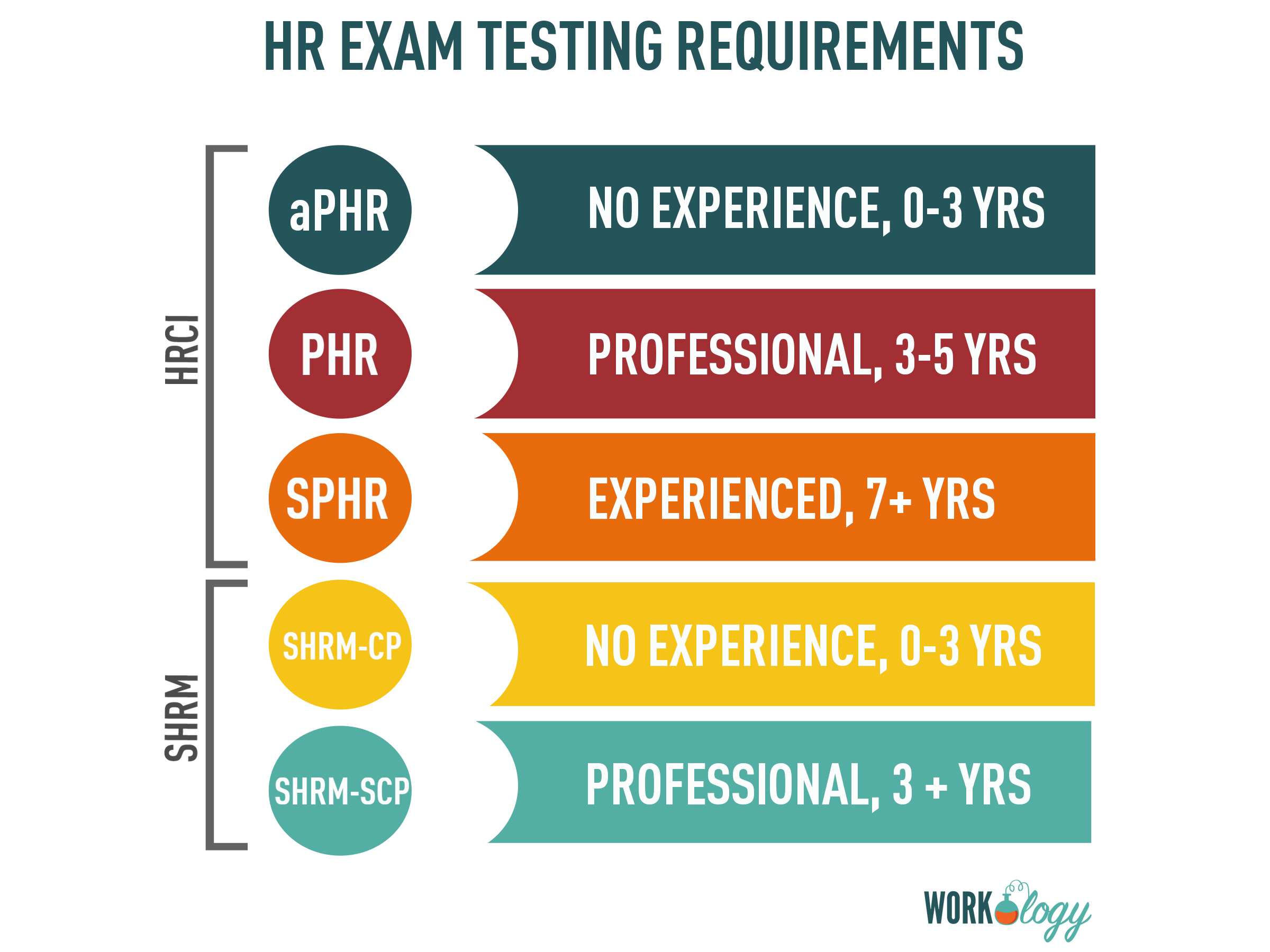
From a financial perspective, the PHR is an investment that requires an initial outlay of capital and time. Eligibility depends on a combination of education and experience. For instance, a professional with a Master’s degree needs one year of professional-level HR experience, while those with a high school diploma need four years. The cost of the exam, which typically hovers around $400 to $500 (including application fees), is the baseline investment. When you add the cost of study materials and prep courses, the total “start-up cost” for this credential can range from $600 to $1,500.
The Scope of Technical Mastery
The PHR is distinct from other certifications because it focuses heavily on the operational and technical side of HR. It ensures that a professional understands the mechanics of payroll, the legalities of the Fair Labor Standards Act (FLSA), and the financial nuances of benefit administration. For a business, hiring a PHR-certified individual is a move toward risk mitigation. By ensuring that the person managing the workforce understands the legal and financial frameworks of labor, a company protects its bottom line from costly litigation and compliance errors.
Recertification as Continuous Maintenance
Just as a physical asset requires maintenance to retain its value, the PHR requires recertification every three years. This is achieved through 60 credit hours of professional development. This ensures that the professional’s knowledge—and by extension, their value to their employer—does not depreciate over time. It keeps the practitioner current on the latest financial regulations and labor laws, maintaining their status as a high-value asset in the corporate ecosystem.
The Financial Impact of PHR Certification on Personal Income
For the individual professional, the PHR designation is one of the most reliable ways to accelerate income growth. In the world of personal finance, your career is your largest asset. Increasing the “yield” of that asset is the primary goal of professional certification.
Immediate Salary Increases and Compounding Gains
Data consistently shows that HR professionals with certifications earn significantly more than their non-certified peers. According to various industry surveys, the “certification premium” for a PHR can range from 10% to 25% of the base salary. In a mid-level HR role, this could equate to an additional $7,000 to $15,000 per year. When viewed through the lens of compounding, an extra $10,000 earned early in a career, if invested wisely, can translate into hundreds of thousands of dollars in retirement savings over 30 years.
Career Progression and Tiered Earnings
The PHR is often the “gatekeeper” credential for mid-level management roles such as HR Manager or HR Business Partner. These roles come with higher salary bands, better bonus structures, and more robust benefits packages. Without the PHR, many professionals find their earning potential capped at the “coordinator” or “generalist” level. By unlocking the management tier, the PHR provides a path to high-five-figure and six-figure incomes that would otherwise remain out of reach.
Marketability During Economic Fluctuations
In a volatile job market, the PHR serves as a form of “career insurance.” When companies downsize or freeze hiring, they become highly selective. A PHR designation makes a candidate’s resume more resilient. For the individual, this means shorter periods of unemployment and greater leverage during salary negotiations. From a financial planning perspective, the stability offered by a recognized designation reduces the risk of income gaps, protecting your long-term financial health.
Business Finance and the PHR: How Certified Professionals Drive Corporate Profitability
From the perspective of a CFO or a business owner, the PHR designation is not just a “nice-to-have” HR badge; it is a tool for financial optimization. HR departments are often viewed as cost centers, but a PHR-certified professional can transform the department into a value-driver.
Risk Mitigation and Litigation Savings
One of the greatest threats to a company’s financial stability is labor-related litigation. Wrongful termination suits, discrimination claims, and wage-and-hour disputes can cost a business hundreds of thousands of dollars in legal fees and settlements. PHR-certified professionals are trained specifically in the legalities of HR. Their ability to navigate these complexities serves as a front-line defense for the company’s treasury, preventing the “leakage” of capital into legal battles.
Optimizing Total Rewards and Benefit Spend
Labor costs are typically the largest expense on a company’s P&L statement. A professional with a PHR designation understands the nuances of “Total Rewards”—the combination of salary, benefits, and perks. They are trained to design compensation structures that are competitive yet cost-effective. By optimizing benefit plans and managing vendor relationships effectively, a PHR-certified manager can save a company significant sums on insurance premiums and retirement plan administration.
Reducing Turnover and Recruitment Costs
The cost of replacing an employee is estimated to be between 50% and 200% of their annual salary. A PHR-certified professional is equipped with the skills to improve employee retention through strategic engagement and performance management. By lowering the turnover rate, they directly impact the bottom line, reducing the financial drain associated with recruitment, onboarding, and the loss of institutional knowledge.
Strategic Investment: Navigating the Costs and Preparation for the PHR Exam
Approaching the PHR designation requires a strategic financial mindset. It is a project that requires budgeting, resource allocation, and a calculated timeline.
Budgeting for Success
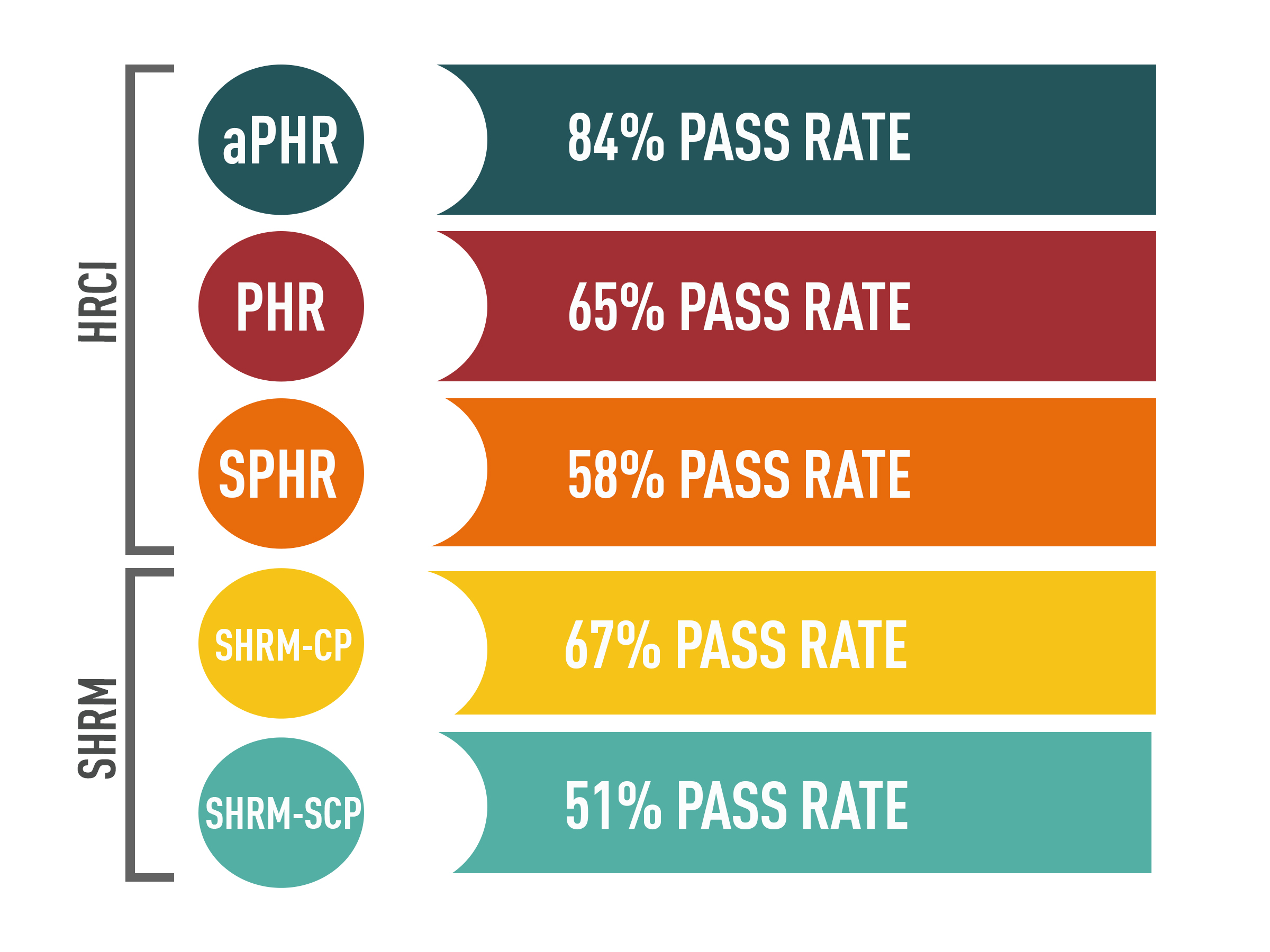
If you are pursuing the PHR, you must treat it as a business expense. Start by creating a budget that includes the application fee, the exam fee, and study materials. Many professionals overlook the “opportunity cost”—the time spent studying that could be spent on other income-generating activities. However, the high ROI of the PHR usually justifies this cost. Some professionals opt for “boot camp” style courses which can be expensive (upward of $1,000) but have high pass rates, potentially saving the cost of a retake.
Seeking Corporate Sponsorship
The most financially savvy way to obtain a PHR is to have your employer fund it. Many companies have professional development budgets specifically for this purpose. When pitching this to your manager, frame it in terms of business finance: explain how your certification will lead to better compliance, lower turnover, and more efficient HR operations. If the company pays for the exam and materials, your personal ROI becomes infinite, as you are gaining a lifelong asset with zero personal capital outlay.
Tax Implications of Certification
In many jurisdictions, the costs associated with professional certification and continuing education may be tax-deductible if they are required to maintain or improve skills in your current profession. Consult with a tax professional to see if your PHR expenses can be used to lower your taxable income. This further improves the net financial benefit of the designation.
Maximizing Your Market Value: The PHR as a Competitive Edge
Once the PHR designation is secured, the focus shifts to “monetizing” the credential. Holding the title is only the beginning; the real financial gains come from how you leverage it in the marketplace.
Negotiation Tactics and the “Certified” Premium
When entering salary negotiations, the PHR serves as an objective proof of value. It allows you to point to industry benchmarks and demand a salary that reflects your certified status. It moves the conversation from “what I think I’m worth” to “what the market pays for a certified professional.” This objective leverage is invaluable during annual reviews or when interviewing for new roles.
Side Hustles and Consulting Opportunities
The PHR designation also opens doors for “side income” through HR consulting. Many small businesses cannot afford a full-time HR manager but desperately need help with compliance, employee handbooks, or payroll setup. A PHR-certified individual can command high hourly rates as a freelance consultant. This creates a secondary stream of income, diversifying your financial portfolio and providing an additional layer of economic security.
Conclusion: The PHR as a Wealth-Building Tool
In conclusion, the PHR designation is far more than a professional milestone; it is a sophisticated financial asset. For the individual, it is a catalyst for higher earnings, career stability, and long-term wealth accumulation. For the organization, it is a mechanism for risk management, cost control, and strategic human capital investment. By treating the PHR with the same rigor one would apply to any high-yield investment, HR professionals can secure their financial future while driving significant value for the businesses they serve. In the intersection of HR and finance, the PHR remains one of the most potent tools for professional and economic growth.
aViewFromTheCave is a participant in the Amazon Services LLC Associates Program, an affiliate advertising program designed to provide a means for sites to earn advertising fees by advertising and linking to Amazon.com. Amazon, the Amazon logo, AmazonSupply, and the AmazonSupply logo are trademarks of Amazon.com, Inc. or its affiliates. As an Amazon Associate we earn affiliate commissions from qualifying purchases.