
In the rapidly evolving landscape of digital retail, the distinction between “mass market” and “luxury” is often blurred by the democratic nature of the internet. However, one brand has managed to carve out a definitive, high-end niche within the e-commerce stratosphere. That brand is Perigold. Launched in 2017 as a subsidiary of Wayfair, Perigold was not merely an expansion of inventory; it was a calculated brand strategy designed to capture the “untouchable” luxury home furnishings market.
To understand what Perigold is, one must look beyond the furniture and decor it sells. It is a masterclass in brand positioning, a study in corporate identity pivot, and a testament to how a parent company can successfully launch a premium sub-brand without diluting its original value proposition.
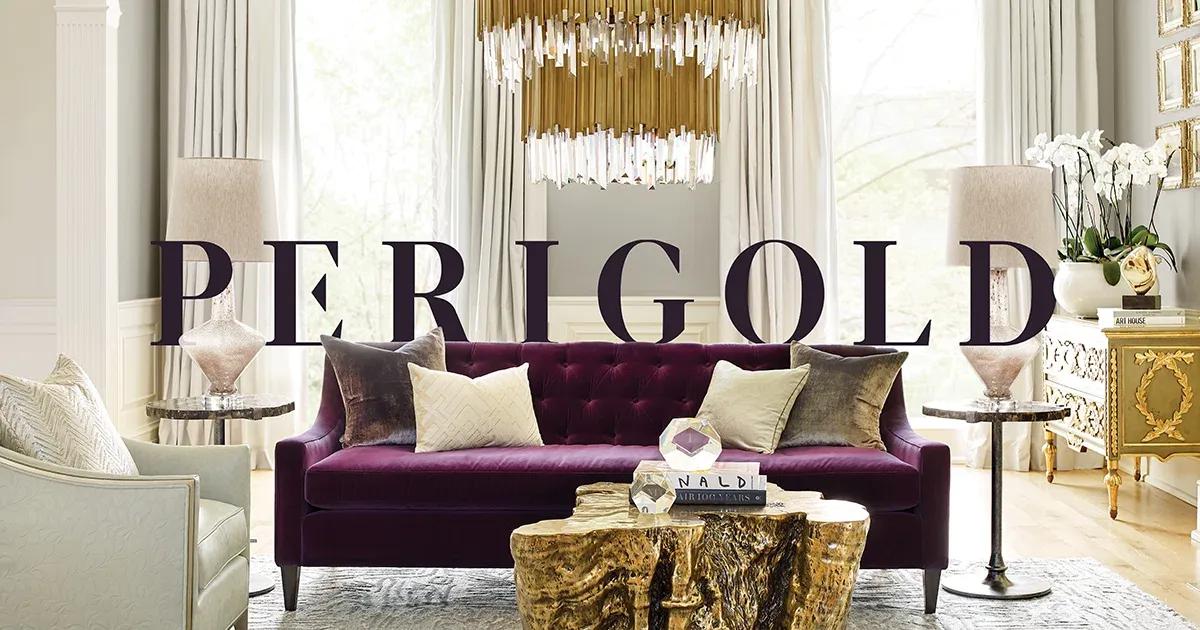
Defining the Perigold Identity: Luxury in the Age of Digital Convenience
The Perigold brand was born from a specific market gap. While its parent company, Wayfair, dominated the mid-market and budget-friendly sectors, there remained a significant demographic of affluent consumers and professional interior designers who felt the digital space lacked the prestige and curated quality of high-end physical showrooms. Perigold was the strategic answer to this void.
The Genesis of Perigold: Wayfair’s High-End Extension
Perigold represents the “Prestige” tier in Wayfair’s “House of Brands” strategy. While Wayfair focuses on accessibility and Joss & Main focuses on seasonal trends, Perigold was built to be the digital equivalent of a high-end design center. The brand identity is rooted in exclusivity. From its inception, the goal was to aggregate the world’s most revered home brands—names like Kohler, Bernhardt, and Schumacher—into a single, seamless digital experience. By leveraging Wayfair’s massive logistics infrastructure while maintaining a completely distinct visual and communicative identity, Perigold successfully decoupled itself from the “bargain” association of its parent company.
Curating the “Un-Curatable”: The Perigold Product Philosophy
At the heart of the Perigold brand is the concept of curation. In the luxury sector, the brand is defined more by what it doesn’t sell than what it does. Perigold’s product philosophy centers on “heritage brands”—manufacturers with decades or even centuries of craftsmanship history. By hosting these brands, Perigold positions itself as a trusted gatekeeper. This strategy transforms the platform from a simple retailer into a lifestyle curator. The brand promise is simple: if it is on Perigold, it is of the highest possible quality, possessing an “un-curatable” charm that mass-produced items cannot replicate.
The Strategy of Aesthetic Superiority: Brand Positioning and Differentiation
Positioning a brand in the luxury sector requires more than just a high price tag; it requires an aesthetic and psychological shift in how the consumer perceives value. Perigold’s brand strategy is a meticulous exercise in differentiation, ensuring that every touchpoint—from the logo to the user interface—whispers “prestige.”
Moving Beyond Mass Market: The Contrast with Wayfair and Joss & Main
The most critical challenge for Perigold was brand cannibalization and perception. To combat this, the brand adopted a “quiet luxury” aesthetic long before the term became a viral trend. Where Wayfair’s marketing is often vibrant, energetic, and focused on “deals,” Perigold’s branding is minimalist, sophisticated, and focused on “investment pieces.” The color palettes are muted, the typography is elegant, and the photography is editorial. This visual differentiation is a strategic barrier; it signals to the affluent shopper that they have entered a different class of commerce.
Targeted Demographics: Who is the Perigold Customer?
Perigold’s brand strategy targets two distinct but overlapping segments: the High-Net-Worth Individual (HNWI) and the Professional Interior Designer. For the HNWI, the brand offers the convenience of “one-click” luxury. For the interior designer, Perigold offers a specialized “Trade” program. By catering to the trade, Perigold solidifies its identity as a professional-grade resource. This B2B2C (Business to Business to Consumer) approach ensures that the brand is validated by industry experts, which in turn boosts its credibility with the general luxury consumer.

Cultivating Trust through Content and Partnership
In the world of high-end branding, trust is the most valuable currency. Perigold understands that selling a $10,000 sofa online requires a level of brand equity that transcends standard e-commerce. They achieve this through strategic content and a robust partnership ecosystem.
The Designer Trade Program: Building Brand Advocacy
One of Perigold’s most effective brand-building tools is its “Perigold for Design Professionals” program. By offering exclusive discounts, dedicated account managers, and specialized tools for designers, Perigold has turned the design community into its biggest brand advocates. When a top-tier designer uses Perigold for a client project, it serves as a powerful endorsement. This peer-to-peer marketing strategy is far more effective in the luxury world than traditional advertising, as it embeds the brand within the professional workflow of the industry’s tastemakers.
Immersive Storytelling: High-Fidelity Visuals and Editorial Content
Luxury is as much about the story as it is about the product. Perigold’s website and marketing materials function more like high-end shelter magazines (such as Architectural Digest or Elle Decor) than retail catalogs. Through “Shop the Look” features and designer spotlights, the brand uses storytelling to elevate the products. This content strategy serves to educate the consumer on the “why” behind the price point—focusing on the artisan’s technique, the rarity of the materials, and the history of the manufacturer. By providing this context, Perigold builds a narrative of value that justifies the premium positioning.
Operational Excellence as a Brand Pillar
For a luxury brand, the experience does not end at the checkout button; it begins there. Perigold has integrated its logistical capabilities into its brand identity, turning what is usually a back-end function into a front-facing luxury service.
White-Glove Service: Extending the Brand to the Doorstep
The “White-Glove Delivery” service is a cornerstone of the Perigold brand. In the luxury sector, the delivery of a product is a ceremonial moment. Perigold’s commitment to bringing items inside, assembling them, and removing all packaging is not just a convenience—it is a brand promise of “effortless luxury.” This high-touch service ensures that the brand’s premium feel is maintained throughout the entire customer journey, preventing the “last-mile” friction that often tarnishes the reputation of other online retailers.
The Ecosystem of Exclusivity: Brand Partnerships and Heritage Manufacturers
Perigold’s strength lies in its portfolio of partners. By securing partnerships with brands that historically only sold through exclusive showrooms, Perigold has democratized access to luxury while maintaining an aura of exclusivity. This is a delicate balancing act. The brand maintains this by ensuring that its partner brands are presented in a way that respects their individual heritage. This “brand-first” approach to vendor relationships makes Perigold the preferred digital partner for legacy manufacturers who are often protective of their brand image.
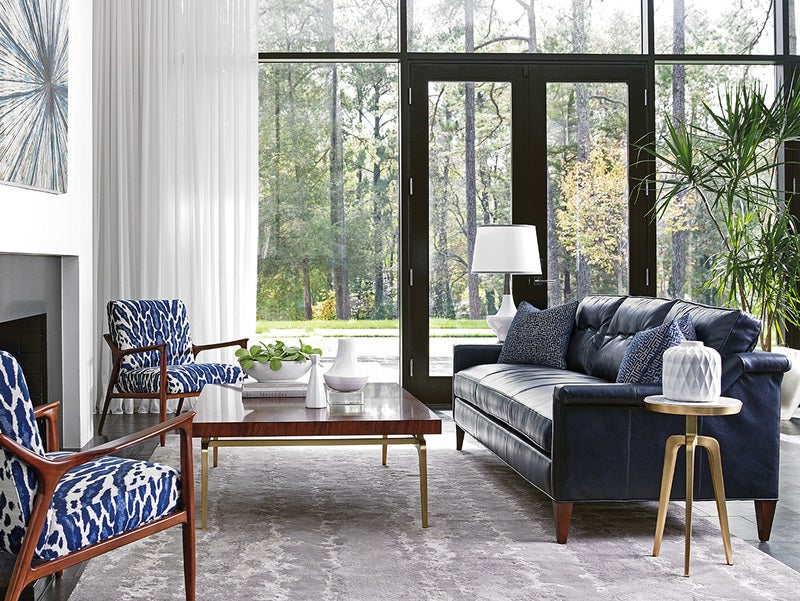
The Future of Perigold: Scaling Prestige in a Volatile Market
As Perigold continues to grow, its primary challenge will be maintaining its “boutique” feel while operating at the scale of a global e-commerce giant. The brand’s future lies in its ability to further personalize the luxury experience through technology without losing the human touch that defines high-end service.
The brand is currently exploring how to use data-driven insights to provide bespoke recommendations that feel curated by a personal shopper rather than an algorithm. Furthermore, as the luxury market shifts toward sustainability and ethical craftsmanship, Perigold’s brand identity is well-positioned to highlight the “slow furniture” movement—emphasizing pieces that are built to last generations rather than seasons.
In conclusion, Perigold is far more than an online furniture store. It is a sophisticated brand entity that has successfully navigated the complexities of the luxury market. Through strategic positioning, a commitment to high-fidelity content, and a relentless focus on the end-to-end customer experience, Perigold has redefined what it means to be a luxury brand in the digital age. It serves as a blueprint for how legacy companies can innovate and capture new market segments by leading with a clear, uncompromising brand vision.
aViewFromTheCave is a participant in the Amazon Services LLC Associates Program, an affiliate advertising program designed to provide a means for sites to earn advertising fees by advertising and linking to Amazon.com. Amazon, the Amazon logo, AmazonSupply, and the AmazonSupply logo are trademarks of Amazon.com, Inc. or its affiliates. As an Amazon Associate we earn affiliate commissions from qualifying purchases.