
In the world of brand strategy and corporate identity, terminology often migrates from the social lexicon into the professional sphere to describe nuances in perception. The term “matronly” is one such descriptor. Traditionally used in fashion to describe a style that is conservative, reliable, and perhaps a bit dated, the concept of a “matronly brand” carries significant weight for strategists.
A matronly brand is one that prioritizes safety, tradition, and nurturing reliability over innovation, edge, or high-energy disruption. While this may sound like a critique, in the context of brand positioning, it is a complex identity that offers both a sanctuary for loyalists and a hurdle for growth. Understanding what is matronly in the branding landscape is essential for any business attempting to balance legacy with relevance.

The Anatomy of a Matronly Brand Identity
When we identify a brand as matronly, we are looking at a specific set of visual and communicative cues. These cues signal to the consumer that the brand is established, predictable, and risk-averse. In many industries—such as household goods, insurance, or luxury hospitality—these can be powerful assets.
Visual Aesthetics: Comfort Over Innovation
The visual identity of a matronly brand avoids “trends.” You won’t see neon gradients, brutalist typography, or aggressive asymmetry. Instead, the design language favors serif fonts that evoke a sense of history and permanence. The color palettes are often muted or classic: think navy blue, forest green, deep burgundy, or cream.
The imagery used by these brands focuses on stability and domesticity. Photography usually features soft lighting and recognizable, comfortable settings. The goal of the visual strategy is to lower the consumer’s heart rate. It promises that the product or service will work exactly as it did twenty years ago, providing a visual “comfort food” in an increasingly chaotic digital marketplace.
The Tone of Voice: Authority and Nurturing
A matronly brand speaks with the voice of experience. It is not trying to be your “friend” in the way modern social-first brands are; it is your advisor, your protector, or your provider. The tone is formal yet warm, avoiding slang or polarizing opinions.
In marketing copy, a matronly brand uses words like heritage, trusted, quality, wholesome, and proven. There is a distinct lack of urgency in their messaging. While a tech startup might use “Buy now before it’s gone!” a matronly brand uses “Investing in your family’s future, for generations to come.” This linguistic stability builds immense brand equity among demographics that value long-term security over short-term excitement.
Heritage as a Double-Edged Sword
The core of the matronly identity is heritage. These brands often leverage their founding date as a primary marketing pillar. However, the “matronly” label becomes a risk when heritage starts to feel like baggage.
When a brand’s identity is too rooted in the past, it risks becoming “invisible” to younger consumers. The challenge for brand managers is to ensure that “established” does not become synonymous with “obsolete.” If the brand identity is so conservative that it no longer reflects the lifestyle of the modern consumer, the matronly persona shifts from a position of strength to a liability.
Psychology of the Matronly Brand: Reliability and Trust
To understand why some brands lean into a matronly identity, we must look at the psychological archetypes that drive consumer behavior. In branding theory, specifically the 12 Brand Archetypes developed by Carl Jung and applied by Mark and Pearson, the matronly brand aligns most closely with “The Caregiver.”
The “Caregiver” Archetype in Brand Strategy
The Caregiver archetype is motivated by the desire to protect and provide for others. Brands that embody this—such as Johnson & Johnson, Campbell’s, or Volvo—utilize matronly traits to signal safety. When a consumer is making a high-stakes decision (such as what to feed their child or how to protect their home), they do not want a brand that is “edgy” or “disruptive.” They want a brand that is matronly: dependable, experienced, and focused on well-being.
By adopting a matronly posture, these brands occupy a space of high emotional trust. They position themselves as the “steady hand” in the consumer’s life. This creates a powerful defensive moat against competitors who may have better features but lack the deep-seated emotional resonance of a trusted, long-standing entity.
Target Demographics and the Search for Safety
The matronly brand typically targets a more mature demographic, but its appeal is not limited by age. During times of economic or social volatility, consumers across all age groups tend to drift toward matronly brands. This “flight to quality” is a search for psychological safety.
A brand that feels matronly offers a reprieve from the “paradox of choice.” It simplifies the decision-making process by standing as a known quantity. For the brand strategist, this means that the matronly identity is a powerful tool during market downturns or when a product category is fraught with new, unproven competitors.
Why Certain Sectors Lean into the Matronly Persona
Not every brand can—or should—be matronly. It is most effective in sectors where the cost of failure is high. In financial services, a “matronly” bank or insurance company suggests that your money is safe and the institution is not taking unnecessary risks. In the textile or apparel industry, a matronly brand suggests durability and timelessness.
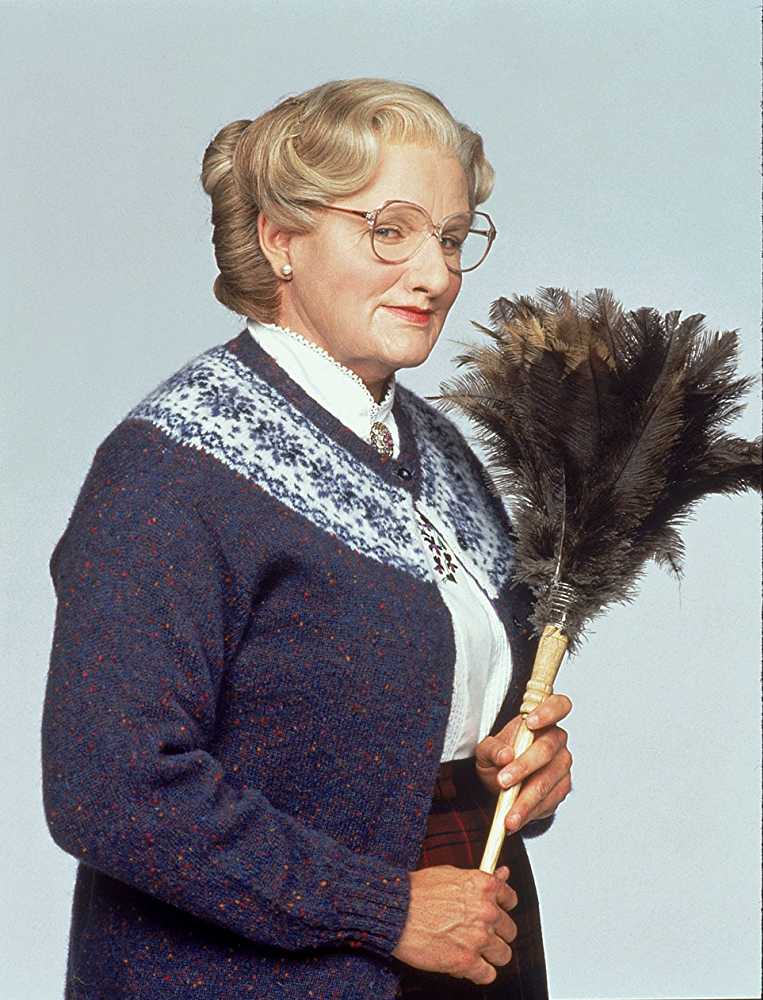
Conversely, in the tech or fashion-forward sectors, being matronly can be a “kiss of death.” A matronly smartphone brand would be perceived as slow and out of date. Therefore, the strategic application of this identity requires a deep understanding of the category’s primary consumer drivers.
The Strategic Pivot: When Matronly Becomes a Liability
While there is power in being the “trusted provider,” there is a tipping point where a matronly brand becomes “stuffy” or “boring.” This is known as brand fatigue. When a brand fails to evolve its matronly traits, it stops being a choice and starts being a relic.
Identifying “Brand Fatigue”
Brand fatigue occurs when the brand’s visual and verbal identity no longer resonates with the cultural zeitgeist. Symptoms of a brand becoming too matronly include a declining market share among first-time buyers and a customer base that is aging out without being replaced.
In this scenario, the brand’s “reliability” is perceived as “stagnation.” The consumer thinks, “That’s what my grandmother used,” which, while respectful, does not drive a purchase. Identifying this shift early is critical for a successful brand evolution.
The Generational Gap in Brand Perception
What one generation perceives as “classic,” another perceives as “matronly” in the negative sense. For example, a brand like Brooks Brothers or Talbots often struggles with this balance. They represent a high standard of quality, but their aesthetic can feel restrictive to a younger professional who values flexibility and modern silhouettes.
To bridge this gap, brand strategists must find ways to inject “energy” into the matronly framework. This doesn’t mean a complete overhaul—which would alienate the core base—but rather a series of strategic updates that signal the brand is still “awake” and aware of current trends.
Case Studies in Rebranding: Moving from Stuffy to Sophisticated
The most successful brand evolutions are those that take “matronly” and turn it into “timeless.” Consider the evolution of brands like Burberry or Hermès. Both have long histories and could easily have fallen into the matronly trap.
Instead, they leveraged their heritage while modernizing their creative direction. They kept the “Caregiver” quality (durability and craftsmanship) but added elements of “The Creator” or “The Explorer” to their marketing. This allowed them to retain their authority while becoming aspirational to a younger, more fashion-conscious demographic.
Modernizing the Matronly Aesthetic without Losing the Core
If a brand determines it has become too matronly, the solution is not to abandon its identity entirely. Doing so would destroy the trust it has built over decades. Instead, the strategy should be one of “refreshment.”
Subtle Visual Refreshing
A visual refresh involves cleaning up the existing identity. This might mean updating the logo to a more modern, “flat” design while keeping the iconic symbol. It could involve introducing a secondary color palette that is more vibrant to complement the traditional “matronly” colors.
Typography plays a massive role here. Moving from a heavy, traditional serif to a modern, elegant transitional serif can make a brand feel decades younger without losing its sense of authority. The goal is to make the brand look “relevant” rather than “trendy.”
Updating Messaging for the Modern Era
The tone of voice can be modernized by shifting from a “one-to-many” broadcast style to a more “one-to-one” conversational style. A matronly brand can still be authoritative while being more inclusive and empathetic.
Instead of focusing solely on the past, the messaging should focus on how the brand’s long-standing values apply to modern problems. This creates a bridge between the brand’s heritage and the consumer’s current needs. It changes the narrative from “We have been here since 1920” to “Because we have been here since 1920, we are uniquely qualified to solve your problems today.”

Balancing Legacy with Contemporary Relevance
The ultimate goal of managing a matronly brand is to achieve a state of “perennial relevance.” This is where the brand is seen as a constant—unaffected by the whims of fashion but always appropriate for the moment.
To achieve this, brand managers must be willing to experiment in low-stakes environments, such as social media or limited-edition collaborations, while keeping the core product and identity stable. This allows the brand to test new “energetic” traits without risking its primary reputation for matronly reliability.
In conclusion, “matronly” is not a dirty word in brand strategy. It is a specific positioning that emphasizes trust, safety, and heritage. When managed correctly, it provides a powerful competitive advantage by tapping into the deep-seated human need for stability. However, like any identity, it requires constant maintenance to ensure that the “motherly” warmth of the brand does not turn into the cold dust of obsolescence. The most successful brands are those that can be matronly in their reliability but modern in their execution.
aViewFromTheCave is a participant in the Amazon Services LLC Associates Program, an affiliate advertising program designed to provide a means for sites to earn advertising fees by advertising and linking to Amazon.com. Amazon, the Amazon logo, AmazonSupply, and the AmazonSupply logo are trademarks of Amazon.com, Inc. or its affiliates. As an Amazon Associate we earn affiliate commissions from qualifying purchases.