
In the contemporary landscape of professional development and brand strategy, the term “masking” has emerged as a critical point of discussion. Originally a concept rooted in the psychological study of neurodiversity—specifically regarding how individuals on the autism spectrum suppress natural behaviors to fit into neurotypical social norms—masking has profound implications for personal branding and corporate identity. In the world of business, masking is the act of crafting a persona that aligns with perceived professional standards at the expense of one’s authentic self.
As we move toward a “post-authenticity” era in marketing, understanding the mechanics of masking is no longer just a matter of social psychology; it is a vital component of brand strategy. For leaders, creators, and professionals, the challenge lies in balancing the need for a polished professional brand with the necessity of genuine human connection.
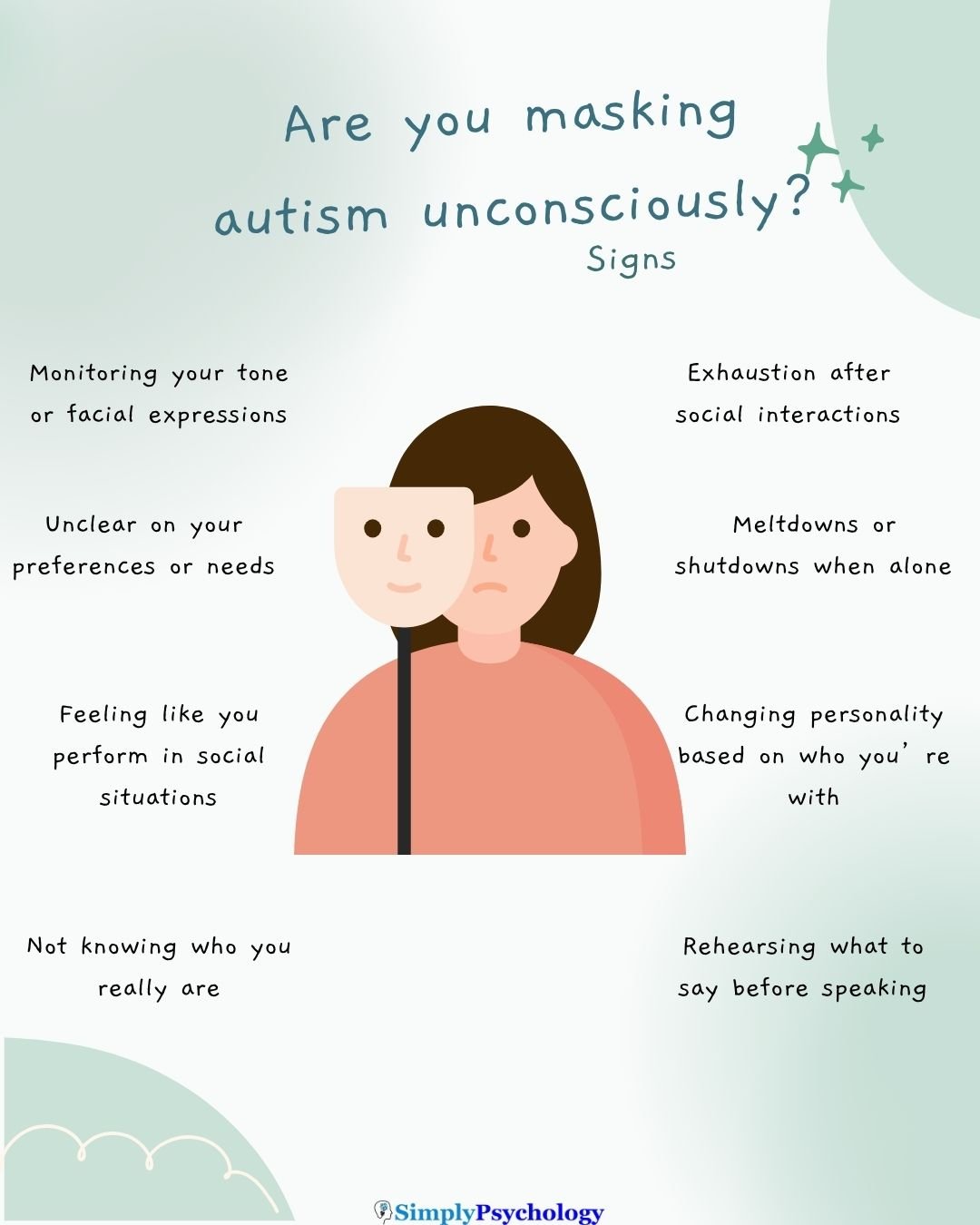
Understanding the Concept: What is Masking in the Context of Professional Branding?
At its core, masking—often referred to as social camouflage—is a survival strategy. In the context of autism, it involves mimicking social cues, suppressing stimming behaviors, and scripting conversations to avoid stigma. When we translate this to the niche of brand strategy, masking represents the friction between an individual’s true identity and the “brand persona” they feel forced to project to achieve success.
Defining Social Camouflage in the Workplace
In professional branding, masking manifests as the rigid adherence to a “corporate mold.” This includes adopting a specific tone of voice, suppressing personal opinions that might be controversial, or concealing neurodivergent traits to appear more “efficient” or “socially fluid.” While these tactics may lead to short-term professional gains, they create a brand identity built on a hollow foundation. For a personal brand to be sustainable, it must be rooted in reality, not just performance.
The Evolution from Fitting In to Brand Differentiation
Historical brand strategy often emphasized “fitting in”—looking the part, sounding the part, and following a standardized path to authority. However, the modern market demands differentiation. When a professional masks their unique perspective or neurodivergent strengths to fit a generic corporate identity, they effectively neutralize their greatest competitive advantage: their unique “Brand Voice.” Understanding masking allows us to see where we are stifling the very traits that could make a brand stand out in a saturated market.
The Paradox of the “Professional Persona”: When Branding Becomes Masking
There is a fine line between “professionalism” and “masking.” Professionalism is a set of standards that facilitate communication and respect; masking is the total suppression of identity to satisfy an audience. For many professionals, their personal brand has become a sophisticated mask—a curated gallery of achievements and “correct” opinions that hides the actual human behind the work.
The Psychology of Corporate Identity
Corporations often inadvertently encourage masking through rigid “Corporate Identities.” When a company’s brand guidelines are too narrow, employees and executives feel they must mask their true personalities to represent the firm. This leads to a “monolithic” brand experience that lacks warmth and relatability. From a strategy perspective, this is a missed opportunity. Brands that allow for “unmasked” individual expression within a shared framework are consistently rated as more trustworthy by consumers.
The High Cost of Maintaining a Non-Authentic Personal Brand
The “cost” of masking in autism is well-documented: extreme exhaustion, burnout, and a loss of identity. The same occurs in branding. When a personal brand is built on a mask, the energy required to maintain that facade is immense. This “Brand Burnout” results in inconsistent content, decreased engagement, and eventually, a total withdrawal from the market. Strategic personal branding should act as a bridge between the individual and the audience, not a wall that hides the individual from view.
Strategies for Unmasking: Building an Authentic Personal Brand
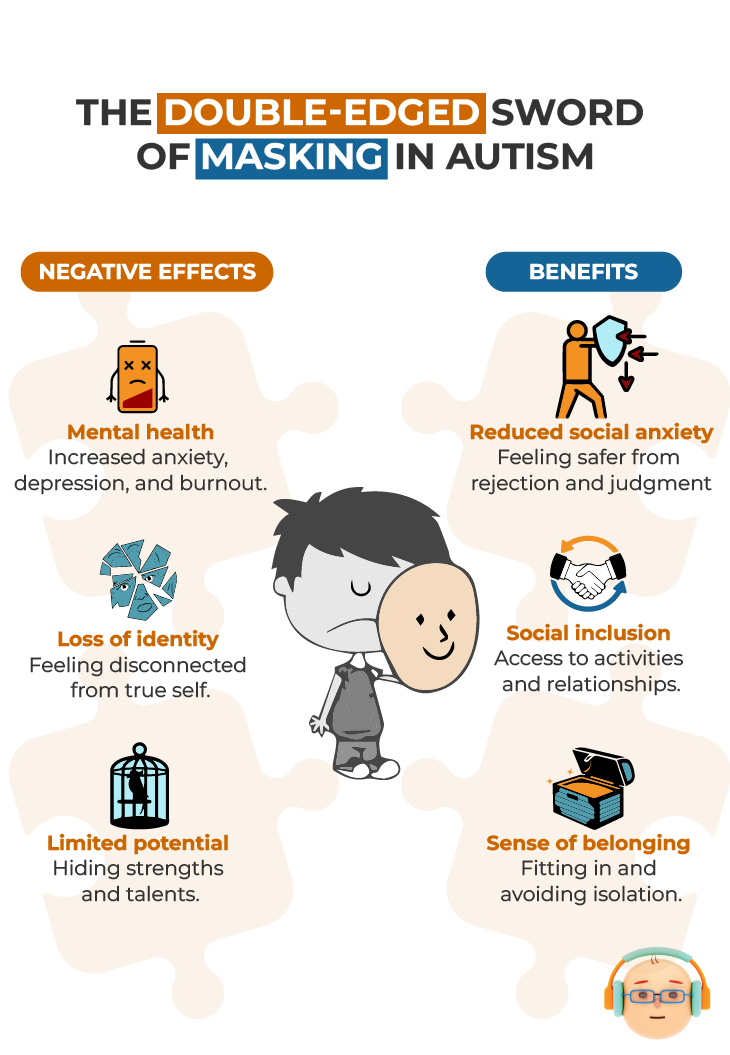
Unmasking doesn’t mean a lack of filters; it means the intentional alignment of public persona with private values. For professionals looking to move away from a “masked” identity toward a more resonant personal brand, several strategic shifts are required.
Identifying Your Core Values Over Market Expectations
Most brand strategies begin with “What does the market want?” To unmask, the strategy must begin with “Who am I?” This involves an audit of core values, unique cognitive styles (including neurodivergent traits), and genuine interests. By building a brand around these pillars, the “performance” element of branding is reduced. When your brand is an extension of your true self, marketing becomes an act of sharing rather than an act of masking.
Radical Transparency as a Marketing Advantage
In a world of AI-generated content and highly polished corporate speak, radical transparency is a powerful brand differentiator. “Unmasking” in your brand strategy can involve being honest about challenges, sharing the “why” behind your processes, and even being vocal about being neurodivergent. This level of vulnerability builds “Brand Equity” through trust. It signals to your audience that there is a real person behind the logo, which is the most effective way to foster long-term loyalty.
How Modern Brand Strategy is Evolving to Support Neurodiversity
As awareness of masking in autism grows, forward-thinking organizations are rewriting their brand strategies to be more inclusive. They recognize that a culture that requires masking is a culture that stifles innovation.
Creating Inclusive Corporate Cultures
A brand’s internal identity is just as important as its external one. Companies that champion neurodiversity—and actively discourage the need for masking—find that their employees are more creative and productive. From a brand strategy perspective, this “Internal Branding” becomes a recruitment tool. Top talent, especially from younger generations, seeks out brands where they don’t have to leave their true selves at the door.
The Shift Toward Vulnerability in Leadership Branding
The archetype of the “Invincible CEO” is being replaced by the “Authentic Leader.” We see more executives opening up about their mental health, their neurodiversity, and their failures. This is a deliberate brand strategy move to “unmask” the leadership of a company. By doing so, they humanize the corporate brand, making it more approachable to customers and more supportive for employees.
The Future of Identity: Balancing Privacy, Masking, and Public Perception
As we look toward the future of personal branding, the goal is not to eliminate the “professional filter” entirely, but to ensure that the filter isn’t a mask that hides the essence of the person.
Navigating Digital Identity and Professional Boundaries
In the digital age, our brands are always “on.” This can lead to a state of perpetual masking. Strategic branding in the future will focus on “Healthy Boundaries.” This means defining which parts of the self are public and which are private, allowing for an authentic public brand that doesn’t require the exhaustion of a total social mask. It is about being “real,” not necessarily being “entirely exposed.”

The ROI of the Unmasked Brand
Ultimately, the return on investment (ROI) for an unmasked brand is longevity. A brand built on a mask is fragile; it shatters under pressure or fades as the creator tires of the act. A brand built on authenticity, which acknowledges and accommodates the realities of the human experience—including neurodiversity and the struggle of masking—is resilient. It resonates deeper, lasts longer, and creates a more meaningful impact in the marketplace.
In conclusion, understanding “what is masking” is essential for any modern brand strategist or professional. By recognizing the patterns of social camouflage, we can move away from the exhausting performance of “perfection” and toward a more sustainable, authentic, and effective way of presenting ourselves to the world. The future of branding isn’t in the mask; it is in the courage to take it off.
aViewFromTheCave is a participant in the Amazon Services LLC Associates Program, an affiliate advertising program designed to provide a means for sites to earn advertising fees by advertising and linking to Amazon.com. Amazon, the Amazon logo, AmazonSupply, and the AmazonSupply logo are trademarks of Amazon.com, Inc. or its affiliates. As an Amazon Associate we earn affiliate commissions from qualifying purchases.