
To the casual observer, an ice cream roll—often referred to as stir-fried ice cream—is a mesmerizing culinary performance. Originating from the street food stalls of Thailand and quickly migrating to the global stage, it involves pouring a liquid base onto a sub-zero metal plate, chopping in various ingredients, and scraping the solidified mixture into elegant, cigar-like scrolls. However, from a financial and entrepreneurial perspective, the “ice cream roll” represents far more than a viral food trend; it is a masterclass in high-margin, low-overhead business modeling within the experiential retail sector.
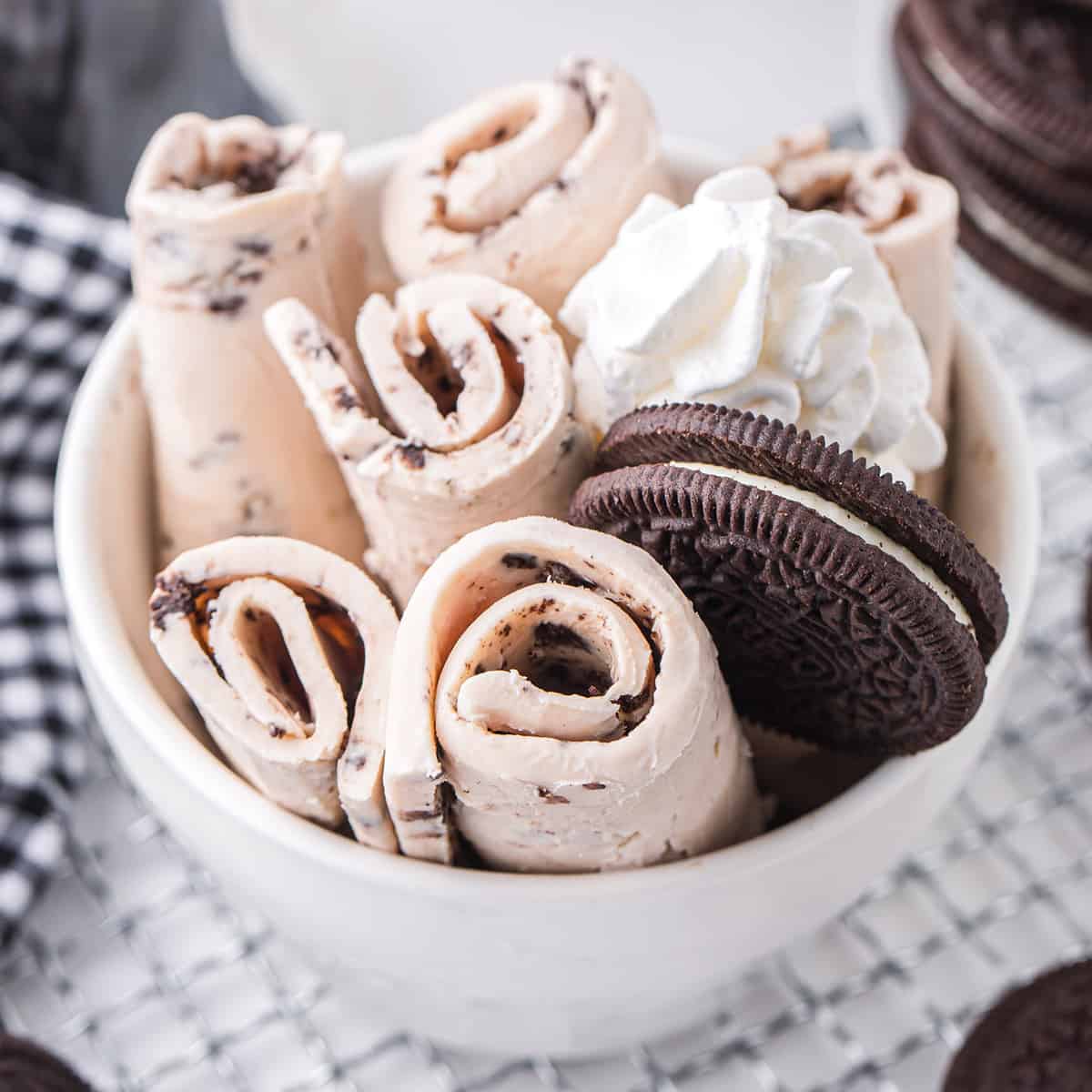
In this analysis, we will explore the ice cream roll through the lens of business finance, examining the unit economics, the scalability of the model, and the strategic advantages of entering this specific niche in the modern economy.
The Economics of the Ice Cream Roll: High Margins and Low Overhead
The fundamental appeal of the ice cream roll business lies in its remarkably lean financial structure. Unlike traditional ice cream parlors that require massive industrial freezers and expensive inventory management for dozens of pre-made flavors, the ice cream roll model operates on a “just-in-time” production basis.
The Low Cost of Goods Sold (COGS)
At its core, the ice cream roll is a masterpiece of financial efficiency. The primary ingredients—a liquid dairy base (milk, cream, and sugar) and basic mix-ins like fruit, cookies, or chocolate—are inexpensive and shelf-stable or easily sourced. Because the product is created in front of the customer, there is virtually zero waste. In a traditional scoop shop, unsold inventory can melt or degrade over time. In the stir-fried ice cream model, the “inventory” remains in liquid form until the moment a transaction occurs. This results in a COGS that typically hovers between 15% and 25% of the retail price, allowing for significant gross profit margins that are rare in the food and beverage industry.
Minimal Equipment and Startup Capital
For a budding entrepreneur or someone looking for a high-ROI side hustle, the barrier to entry is notably low. The primary piece of technology required is an “anti-griddle”—a specialized refrigeration unit that maintains a surface temperature of approximately -22°F (-30°C). Depending on the scale of the venture, these units can be purchased for anywhere from $300 for a portable hobbyist model to $2,500 for a professional-grade commercial station. When compared to the tens of thousands of dollars required for soft-serve machinery or industrial batch freezers, the ice cream roll venture offers a much faster path to breaking even.
Market Positioning and the Power of Experiential Retail
In the modern economy, consumers are increasingly spending their discretionary income on experiences rather than just commodities. The ice cream roll is a textbook example of transforming a basic commodity (ice cream) into a premium-priced experience.
Turning Production into Performance
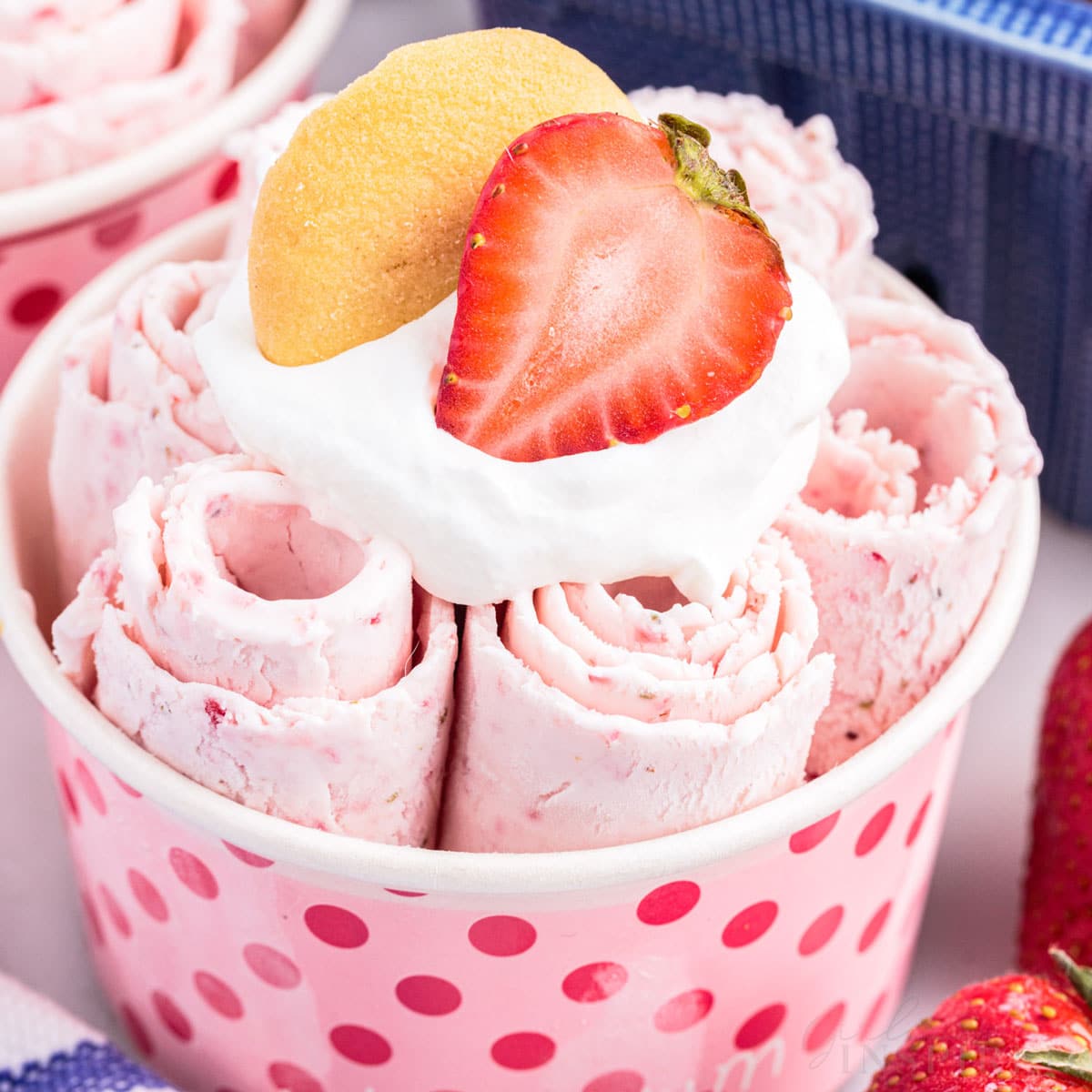
The financial value of an ice cream roll is not found solely in the taste, but in the performance of its creation. By positioning the production process as a form of entertainment, business owners can command a “premium experience tax.” While a standard scoop of ice cream might retail for $3.00, an ice cream roll can easily fetch $7.00 to $9.00 in urban markets. The customer is paying for the two minutes of rhythmic chopping and scraping—a performance that adds perceived value without significantly increasing the cost of production. This is a critical lesson in business finance: value is often determined by the delivery, not just the raw materials.
Leveraging Social Media for Organic Marketing
From a marketing budget perspective, the ice cream roll is a self-sustaining asset. The process is inherently “Instagrammable” and “TikTok-friendly.” Every customer who films the preparation of their dessert and shares it online is providing free advertising, effectively driving the Customer Acquisition Cost (CAC) toward zero. In an era where digital marketing spend can cripple a small business, the ability to generate organic, viral reach through the sheer visual appeal of the product is a powerful financial lever. This “social currency” translates directly into foot traffic and brand equity without the need for traditional ad spend.
Scaling the Venture: From Street Cart to Franchise
Once the initial proof of concept is established, the ice cream roll business offers several pathways for scaling and diversifying income streams. Because the equipment is often mobile, the business is not tethered to a single high-rent location.
The Mobility Advantage and Side Hustle Potential
The most successful ice cream roll entrepreneurs often start with a mobile cart. This allows them to test different markets—farmers’ markets, corporate events, weddings, and music festivals—without committing to a long-term commercial lease. Financially, this minimizes fixed costs and allows the owner to chase “peak demand” periods. A mobile unit can generate more revenue in a single weekend at a high-traffic festival than a brick-and-mortar shop might generate in a month of slow weekday traffic.
Diversifying Income Streams through Events and Catering
Catering represents the highest-margin segment of the ice cream roll business. By offering “live rolling” services for private events, entrepreneurs can charge a flat booking fee plus a per-head rate. This model provides predictable revenue and guaranteed margins, as the inventory can be calculated precisely based on the guest count. For a side hustle, this is an ideal model because it allows the operator to work primarily on weekends and high-demand holidays, maximizing the “earnings per hour” ratio.
Risk Management and Financial Sustainability
No business venture is without risk, and the ice cream roll niche requires a strategic approach to long-term financial health. The primary challenges involve labor costs and the potential for the product to be viewed as a “fad.”
Navigating the Labor-Intensive Nature of the Product
Unlike a self-serve frozen yogurt shop or a quick-scoop parlor, ice cream rolls are labor-intensive. Each serving takes 2–4 minutes to produce. This creates a “bottleneck” during peak hours, which can limit total revenue potential. To manage this financially, owners must focus on “throughput optimization.” This involves training staff to work with high precision and speed, or employing multiple rolling stations to handle high-volume crowds. From a business finance perspective, the cost of labor per unit must be carefully monitored to ensure that the time spent rolling does not erode the profit margin.
Seasonal Fluctuations and Long-term ROI
Ice cream is inherently seasonal in many climates. A robust financial plan must account for the “winter dip.” Successful owners mitigate this risk by diversifying their menu with warm offerings (like coffee or crepes) during off-peak months or by focusing on indoor event catering where the climate is controlled. Furthermore, to move beyond “fad” status, the brand must emphasize quality and customization. The ability to offer “bespoke” flavors—where a customer can choose exactly what is chopped into their base—provides a level of personalization that traditional ice cream cannot match, fostering customer loyalty and repeat business.
Conclusion: The Strategic Value of the Ice Cream Roll
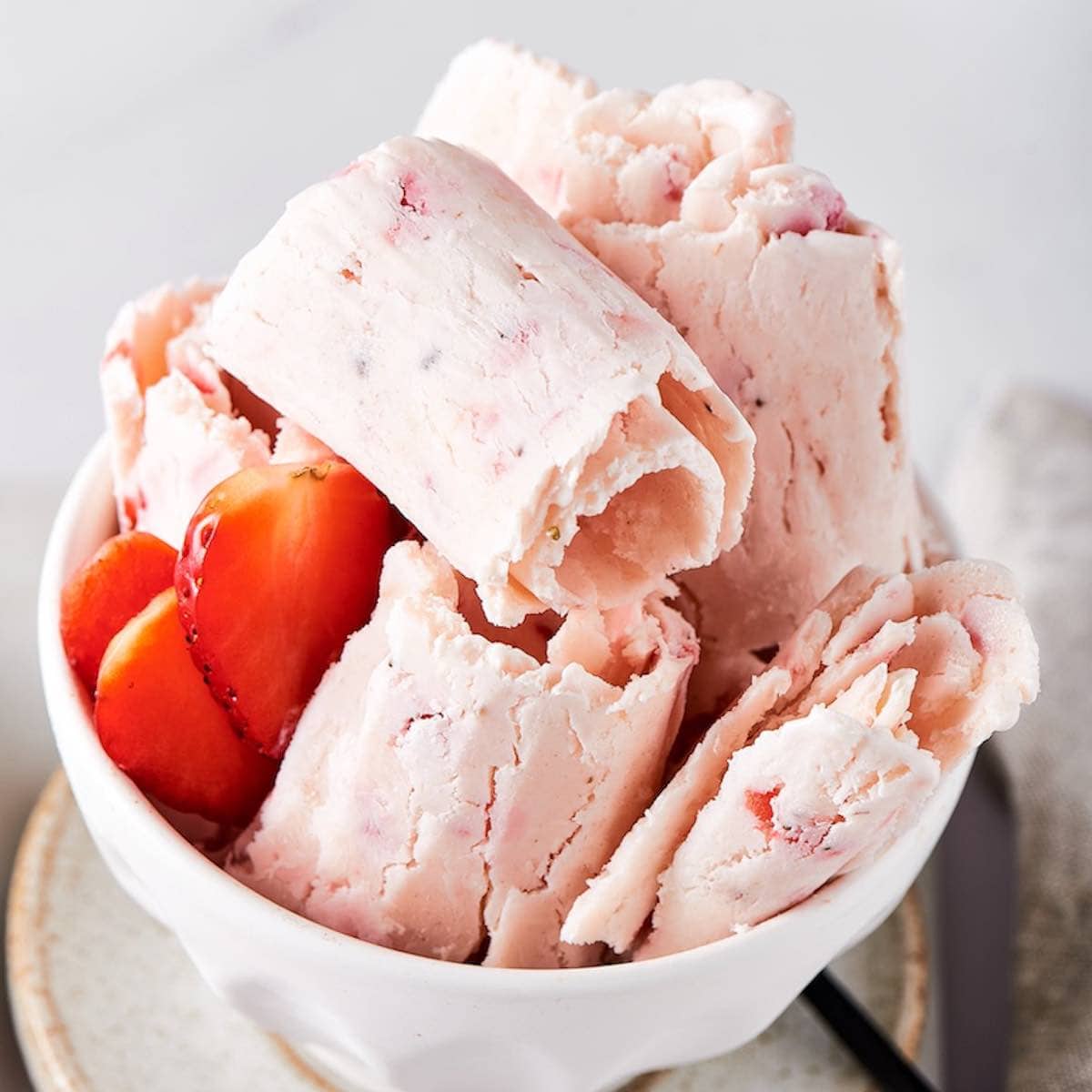
In conclusion, “what is an ice cream roll?” is a question that can be answered through the lens of savvy business investment. It is a high-margin, low-entry-cost product that leverages the power of experiential retail and organic social media marketing to create a sustainable revenue stream.
For the entrepreneur, it offers a unique combination of flexibility and profitability. By focusing on low COGS, high perceived value, and the ability to scale through mobile and catering models, the ice cream roll business stands as a compelling example of how a simple product can be transformed into a sophisticated financial engine. Whether viewed as a weekend side hustle or a full-scale franchise opportunity, the economics of the stir-fried dessert niche remain as solid as the frozen treats themselves. Success in this field requires more than just culinary skill; it requires a deep understanding of unit economics, labor efficiency, and the modern consumer’s hunger for an experience that is worth every penny of the premium price.
aViewFromTheCave is a participant in the Amazon Services LLC Associates Program, an affiliate advertising program designed to provide a means for sites to earn advertising fees by advertising and linking to Amazon.com. Amazon, the Amazon logo, AmazonSupply, and the AmazonSupply logo are trademarks of Amazon.com, Inc. or its affiliates. As an Amazon Associate we earn affiliate commissions from qualifying purchases.