
In the rapidly evolving landscape of display technology, acronyms like 4K, 8K, OLED, and HDR have become commonplace. However, as consumers and tech enthusiasts dive deeper into the world of High Dynamic Range (HDR), a specific term frequently surfaces: HLG. Standing for Hybrid Log-Gamma, HLG is more than just another entry in the “format wars.” It represents a critical bridge between legacy television standards and the high-fidelity future of digital imaging.
Unlike its counterparts—HDR10, HDR10+, and Dolby Vision—HLG was born out of a necessity for efficiency in the broadcasting world. Developed through a joint effort between the British Broadcasting Corporation (BBC) and the Nippon Hoso Kyokai (NHK), Japan’s national broadcaster, HLG is designed to solve the logistical nightmare of delivering high-quality video to millions of different screens simultaneously.
The Evolution of High Dynamic Range: Defining HLG
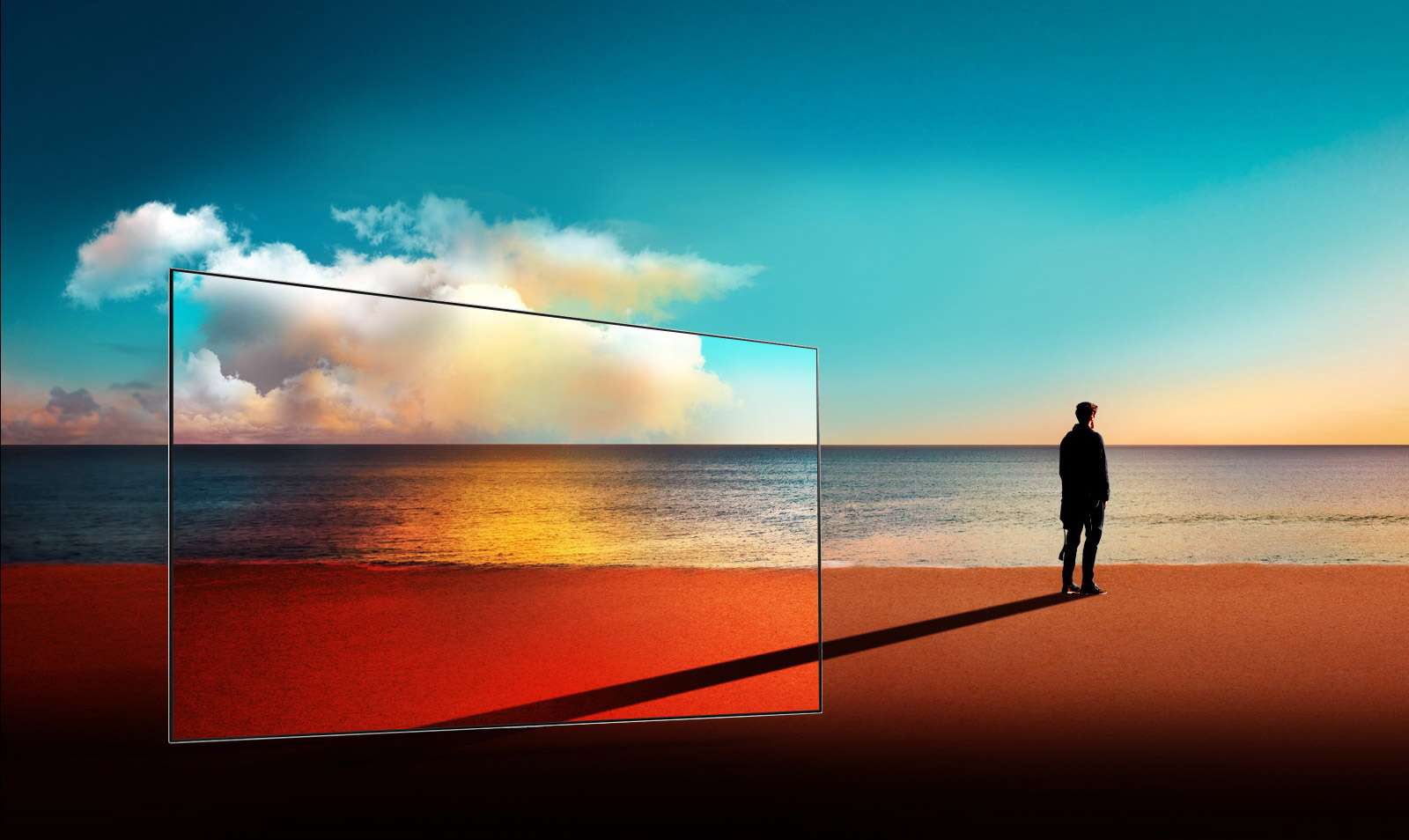
To understand HLG, one must first understand the fundamental goal of HDR. Standard Dynamic Range (SDR), the technology that governed our screens for decades, is limited in its ability to represent the extremes of light and dark. In an SDR image, details in the brightest clouds or the darkest shadows are often “clipped” or lost entirely. HDR expands this range, allowing for brighter highlights, deeper blacks, and a vastly wider color palette.
The Origins: BBC and NHK Collaboration
The development of HLG was driven by the specific demands of live television. While formats like Dolby Vision were perfected for the controlled environments of cinema and physical media (like Blu-ray), the BBC and NHK realized that these standards were difficult to implement for live terrestrial, cable, and satellite broadcasts. They needed a format that could transmit a high-quality signal without requiring massive amounts of metadata or specialized hardware that would render older televisions obsolete. The result was a royalty-free, robust standard that prioritized reliability and efficiency.
The Hybrid Nature of the Format
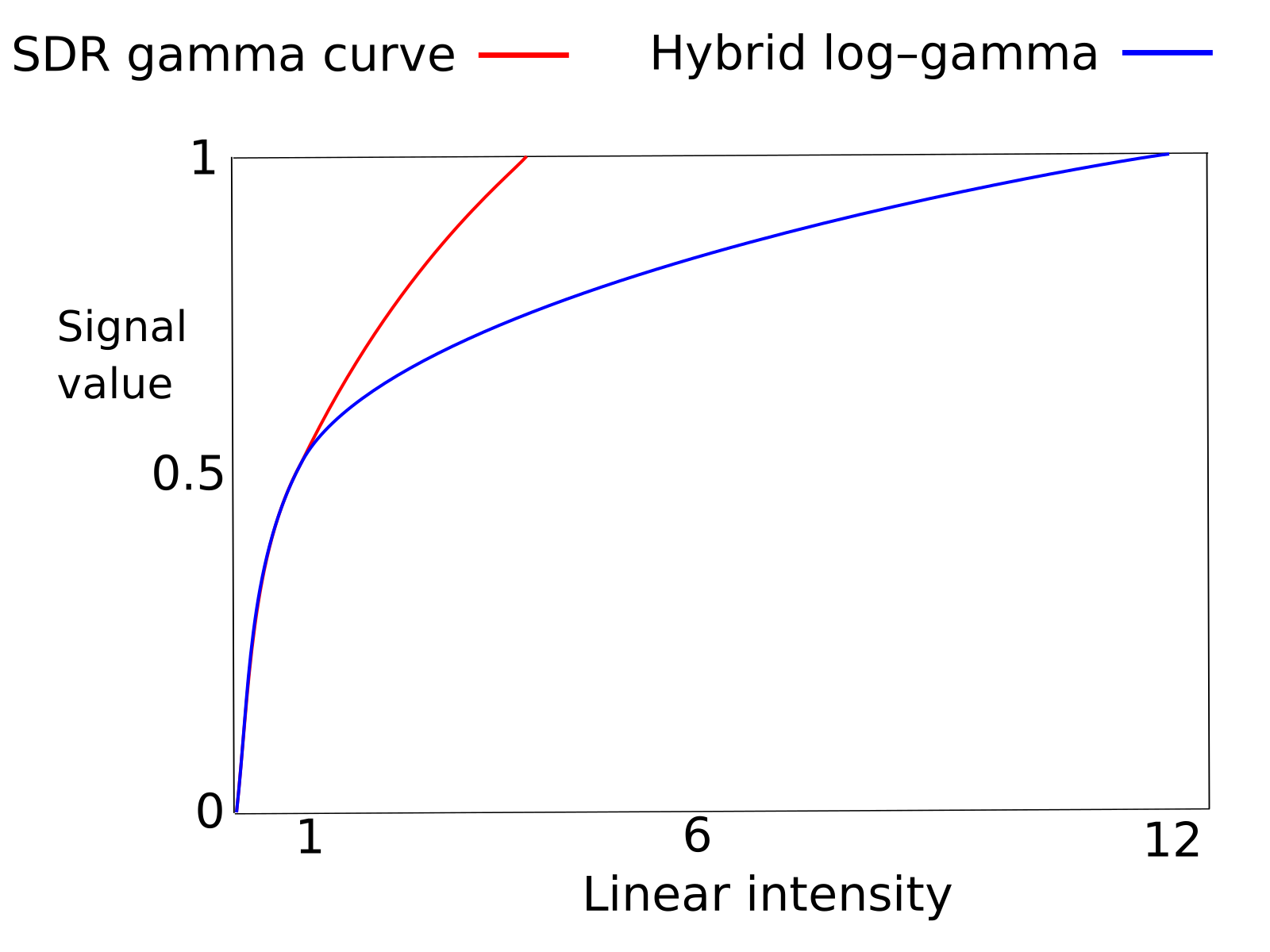
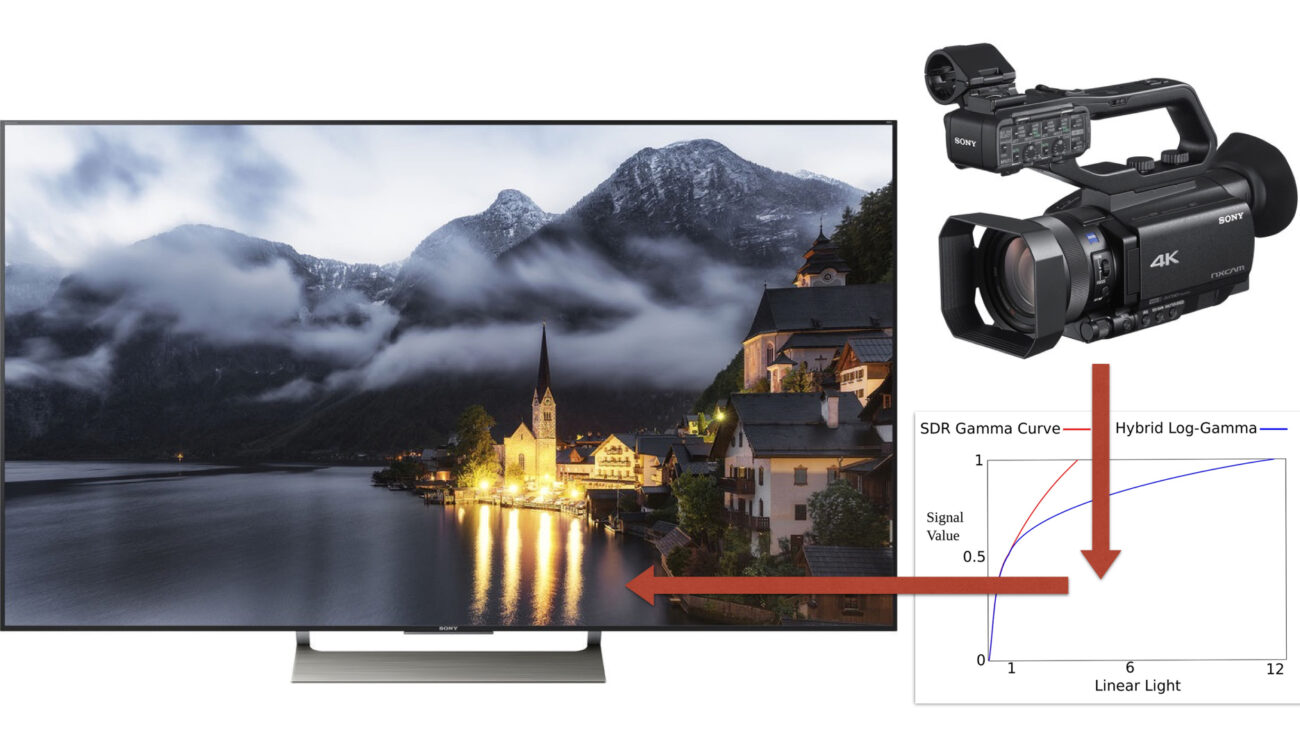
The “Hybrid” in Hybrid Log-Gamma refers to how the signal is constructed. It combines two different types of light coding into a single stream. The first half of the signal uses a traditional gamma curve, which is what standard televisions have used for years to interpret light. The second half uses a logarithmic curve, which is capable of mapping the much higher brightness levels required for HDR. By merging these two, HLG creates a signal that is fundamentally “bilingual,” capable of being understood by both old and new technology.
How HLG Works: The Technical Breakdown
The technical brilliance of HLG lies in its simplicity. Most HDR formats rely on “metadata”—extra bits of information sent along with the video file that tell the TV exactly how bright or colorful a specific scene should be. While effective, metadata is fragile; it can be stripped away during a live broadcast or by older distribution equipment. HLG bypasses this entirely.
Gamma Curves vs. Logarithmic Curves
In traditional video (SDR), the relationship between the electrical signal and the brightness on the screen follows a “gamma” curve. This works well for lower brightness levels (typically up to 100 nits). However, as we push into the thousands of nits required for true HDR, a linear or gamma-based approach becomes inefficient.
HLG uses the traditional gamma curve for the lower range of the brightness spectrum, ensuring that the dark and mid-tone areas of the image look “normal” on any screen. For the highlights, it switches to a logarithmic curve. Logarithmic math allows for a much wider range of values to be packed into the same amount of data. This allows HLG to support brightness levels well beyond the capabilities of SDR without increasing the file size significantly.
Backwards Compatibility: The “Single Stream” Advantage
The most significant tech advantage of HLG is its backwards compatibility. If you broadcast a show in HDR10 to a non-HDR television, the image will often look washed out, distorted, or may not display at all. This forces broadcasters to send two separate signals: one for SDR TVs and one for HDR TVs. This is a massive waste of bandwidth.
Because HLG’s base layer is a standard gamma curve, an older SDR TV can receive an HLG signal and simply ignore the logarithmic “HDR” part of the data. The result is a perfectly watchable, high-quality SDR image. Meanwhile, a modern HDR-capable TV will recognize the full signal and display the expanded range. This “single stream” workflow is the holy grail for broadcasters who need to reach millions of households with varying levels of technology.
HLG vs. The Competition: HDR10, HDR10+, and Dolby Vision
In the tech world, comparisons are inevitable. When choosing a new TV or camera, users often ask if HLG is “better” than Dolby Vision or HDR10. The answer depends entirely on the use case.
Static vs. Dynamic Metadata
HDR10 uses “static metadata,” meaning it sets the brightness parameters once for the entire duration of the video. Dolby Vision and HDR10+ use “dynamic metadata,” which adjusts the brightness scene-by-scene or even frame-by-frame.
HLG is unique because it uses no metadata at all. It is a “scene-referred” system. This means the signal itself contains the information about the light levels in the original scene, rather than instructions for the TV on how to display them. While this might lack the absolute frame-perfect precision of Dolby Vision, it makes the signal incredibly resilient. In live environments—like a soccer match where lighting changes rapidly as clouds move over the stadium—HLG’s lack of metadata is actually a strength, as there is no risk of the metadata becoming desynchronized.
Why Broadcasters Prefer HLG Over HDR10
For streaming services like Netflix or Disney+, HDR10 and Dolby Vision are the gold standards because the content is pre-rendered and stored on servers. However, for a company like Sky, Comcast, or the BBC, the priority is live delivery. HLG’s ability to work over existing infrastructure without requiring new HDMI standards or massive bandwidth upgrades makes it the logical choice for the “Live Tech” ecosystem. Furthermore, because HLG is royalty-free, manufacturers can implement it without paying the licensing fees associated with Dolby Vision, leading to wider adoption across budget-friendly gadgets.
Practical Applications and Device Support
HLG is no longer a theoretical concept; it is integrated into the gadgets we use every day. From the smartphone in your pocket to the professional cameras used on movie sets, HLG has become a staple of the modern tech stack.
Live Sports and Television Broadcasting
If you have ever watched a 4K HDR broadcast of the Olympics, the World Cup, or the Super Bowl, there is a high probability you were viewing an HLG signal. Major broadcasters worldwide have adopted HLG as their primary delivery format. It allows them to maintain a single production workflow. The cameras on the sidelines shoot in HLG, the signal is edited in HLG, and it is transmitted as HLG, ensuring that whether you are watching on a 2015 LED TV or a 2024 OLED flagship, the picture remains consistent.
Content Creation: HLG in Consumer Cameras and Smartphones
For videographers and YouTubers, HLG offers an “Instant HDR” workflow. Traditionally, shooting HDR required a complex process called “grading,” where a filmmaker would shoot in a flat profile (like S-Log or V-Log) and then spend hours in post-production mapping those colors to an HDR standard.
Modern mirrorless cameras from Sony, Panasonic, and Canon now include HLG picture profiles. When a creator shoots in HLG, the footage is ready to be uploaded directly to platforms like YouTube, which fully supports the format. This has democratized HDR content creation, allowing enthusiasts to produce professional-grade visuals with significantly less technical overhead.
The Future of Video Standards and HLG’s Role
As we look toward the future of display technology, HLG’s importance only seems to grow. With the rise of 8K resolution and the increasing brightness of MicroLED and QD-OLED panels, the industry needs a standard that can scale.
Beyond 4K: HLG in 8K Ecosystems
While 8K resolution offers more pixels, HDR offers better pixels. The consensus among tech experts is that the jump from SDR to HDR is more visually significant than the jump from 4K to 8K. HLG is already baked into the ATSC 3.0 (NextGen TV) standards in the United States and similar standards globally. As 8K broadcasting begins to take shape, HLG will likely be the vehicle that carries that massive amount of visual data to consumers’ homes.
Final Thoughts: Should You Care About HLG?
From a consumer perspective, you don’t necessarily need to “do” anything to enjoy HLG—and that is exactly the point. It is a “set it and forget it” technology. If you are buying a new television, checking for HLG support is essential if you plan on watching live sports or local broadcasts in high quality. For creators, it is a powerful tool that simplifies the transition to high-end video production.
HLG represents the best of collaborative technology: a solution that respects the past (SDR) while paving the way for a more vibrant, high-contrast future. In the battle for the ultimate viewing experience, HLG is the quiet workhorse ensuring that no matter what screen you own, you are seeing the best possible version of the world.
aViewFromTheCave is a participant in the Amazon Services LLC Associates Program, an affiliate advertising program designed to provide a means for sites to earn advertising fees by advertising and linking to Amazon.com. Amazon, the Amazon logo, AmazonSupply, and the AmazonSupply logo are trademarks of Amazon.com, Inc. or its affiliates. As an Amazon Associate we earn affiliate commissions from qualifying purchases.