
In the hyper-competitive landscape of global fast fashion, a brand is defined by much more than the aesthetic of its latest collection. For a titan like H&M, the brand identity is constructed through every touchpoint of the consumer journey—from the initial social media advertisement to the post-purchase experience. Perhaps no element of this journey is more critical to long-term brand equity than the return policy. While often viewed as a mere logistical necessity, H&M’s approach to returns is a masterclass in brand strategy, balancing consumer trust, operational efficiency, and a commitment to a circular fashion economy.
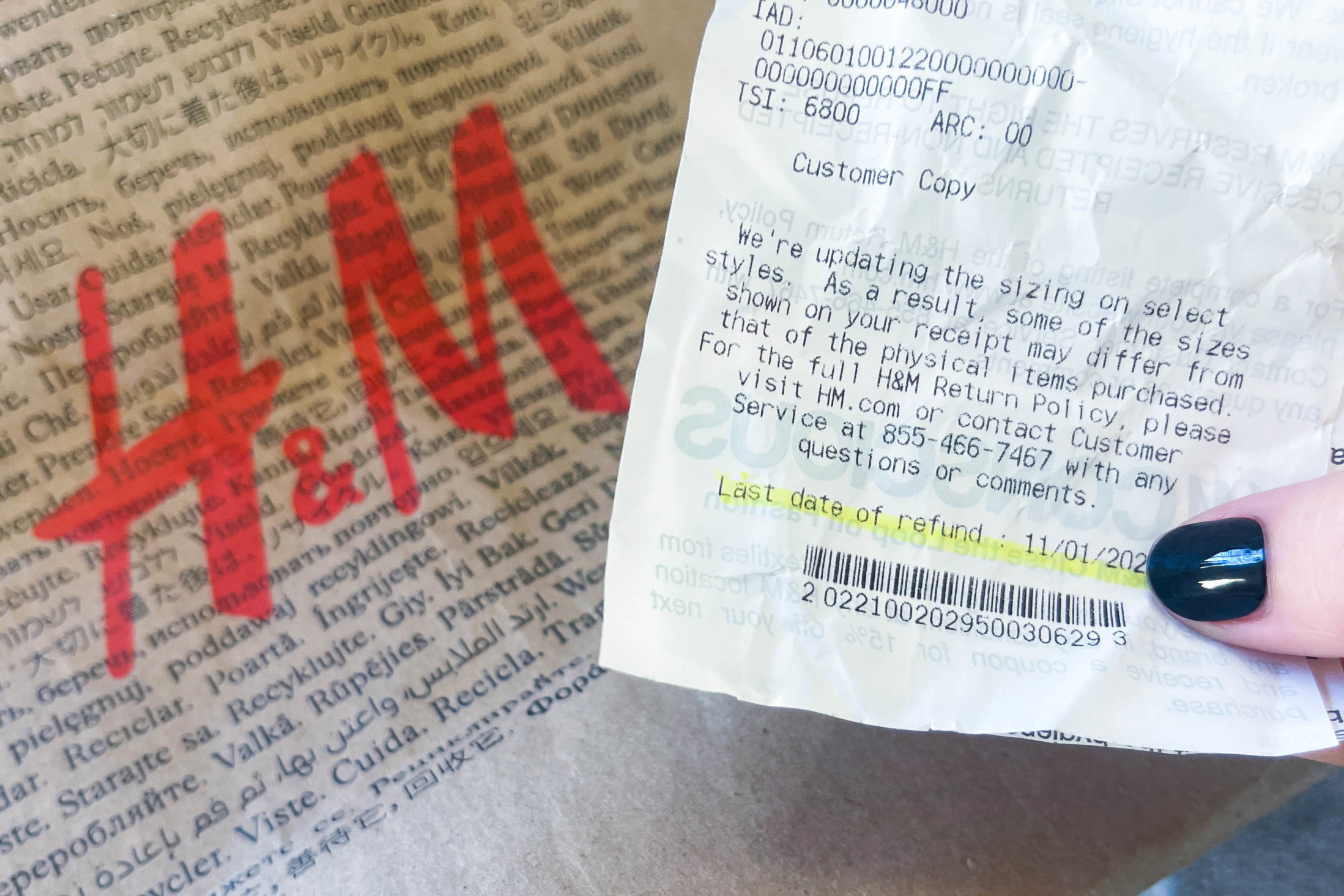
Understanding the “what” of H&M’s return policy is simple: typically, a 30-day window for most items. However, understanding the “why” requires a deeper dive into how the company uses these policies to solidify its position as a customer-centric, forward-thinking global leader.
The Psychology of Hassle-Free Returns in Brand Positioning
A return policy is, at its core, a promise of safety. In the world of retail branding, “purchase apprehension” is a significant barrier to conversion, particularly in the digital space where textures cannot be felt and fits cannot be tested. H&M’s return policy acts as a strategic tool to dismantle this barrier, fostering a brand image rooted in transparency and reliability.
Building Trust through Consumer Autonomy
By offering a clear and relatively generous return window, H&M empowers its customers. This autonomy is a crucial component of the H&M brand persona. When a customer knows they can return a garment that doesn’t meet their expectations, the “risk” of the transaction shifts from the buyer to the brand. This shift is a powerful branding move; it signals that H&M is confident in the quality and value of its products. From a brand strategy perspective, this builds “affective commitment”—an emotional bond where the customer feels the brand cares more about their satisfaction than a single, final sale.
The Impact of Policy on Brand Loyalty
Consistency is the hallmark of a strong brand. H&M ensures that its return policy is communicated clearly across all platforms—mobile apps, desktop sites, and physical tags. This consistency prevents “brand dissonance,” which occurs when a customer’s experience contradicts the brand’s marketing promises. By maintaining a straightforward return process, H&M reinforces its identity as an accessible and user-friendly brand. In the long run, this reliability transforms one-time shoppers into brand advocates who return to the store knowing that their financial interests are protected.
Operational Excellence: How H&M Integrates Return Logistics into Brand Identity
The logistical framework behind H&M’s returns is not just about moving boxes; it is an extension of their “Omnichannel” brand strategy. In modern marketing, the distinction between online and offline shopping is blurring, and H&M has leveraged its massive physical footprint to create a seamless return experience that reinforces its corporate identity.
Omnichannel Consistency: Online vs. In-Store
H&M’s policy allows for items purchased online to be returned in physical stores (with some exceptions for “H&M Home” or specific designer collaborations). This is a strategic branding maneuver known as “driving foot traffic.” When a customer enters a store to process a return, they are re-immersed in the brand environment—the curated music, the visual merchandising, and the tactile experience of new collections. This turns a potentially negative interaction (a return) into a positive branding opportunity (a new discovery). It reinforces the brand’s image as a versatile, modern retailer that exists wherever the customer happens to be.
The H&M Member Program: Returns as a Value Proposition
One of the most effective ways H&M uses its return policy as a branding tool is through its loyalty program. H&M Members often enjoy extended return windows or “paperless” returns, where the transaction is linked entirely to their digital ID. This elevates the return policy from a basic service to an exclusive perk. By tying return benefits to membership, H&M successfully incentivizes data sharing and long-term engagement. This strategy positions the brand as tech-savvy and personalized, catering to the “inner circle” of its customer base with enhanced convenience.

Sustainability and Circularity: The “Close the Loop” Strategy
In the current era, a brand’s environmental stance is a major component of its corporate identity. H&M has faced significant scrutiny as a fast-fashion entity, and it has responded by weaving sustainability into its operational DNA. The return policy and the “Garment Collecting” program are central to this narrative.
Aligning Returns with Environmental Brand Values
H&M has made “Circular Fashion” a cornerstone of its brand strategy. While standard returns deal with new products, H&M’s policy on accepting old textiles (from any brand) for recycling or reuse is a brilliant extension of the return concept. This “Garment Collecting” initiative allows H&M to brand itself as a responsible steward of the environment. It shifts the perception of the company from a “disposable fashion” purveyor to a leader in the “Close the Loop” movement. This alignment is vital for maintaining relevance among Gen Z and Millennial consumers, who prioritize ethical brand behavior.
Ethical Dilemmas in Fast Fashion Logistics
Despite the positive branding, the logistics of returns in fast fashion present a challenge to a brand’s “Green” image. The carbon footprint of shipping returned items back to warehouses is a point of contention. To mitigate this, H&M’s brand strategy involves transparency reports and investments in more efficient sorting technologies. By being open about these challenges, H&M attempts to maintain an “authentic” brand voice. They acknowledge that while the system isn’t perfect, the brand is actively innovating to make the return lifecycle more sustainable.
Navigating the Technicalities: The Brand’s Standard of Clarity
For a global brand, ambiguity is the enemy. H&M’s return policy is meticulously documented to ensure that the brand’s “Standard of Excellence” is maintained across different markets and product categories.
Timeframes and Conditions: Protecting Brand Equity
H&M typically adheres to a 30-day return policy, provided the items are in their original condition (unwashed, unworn, and with tags attached). This strictness is not just about saving money; it’s about protecting the brand’s product integrity. By ensuring that returned items meet high standards before they are resold, H&M maintains the quality associated with its name. Specific rules regarding “hygiene” items (like swimwear or earrings) further protect the brand’s reputation for safety and cleanliness, ensuring that no customer receives a sub-standard product.
Refund Methods and Financial Interaction
The way a brand handles refunds speaks volumes about its financial integrity. H&M generally issues refunds to the original form of payment. In the context of brand strategy, this is about “closing the circle” of the transaction with professionalism. For returns made without a receipt, H&M often provides store credit at the current selling price. This strategy protects the brand’s margins while still offering a gesture of goodwill to the customer. It strikes a balance between being a “generous brand” and a “smart business,” a duality that is essential for a publicly traded corporation.
Conclusion: The Strategic Value of the Return Process
The H&M return policy is far more than a set of rules on a website; it is a sophisticated branding tool designed to foster trust, encourage loyalty, and project a modern, sustainable image. By integrating returns into their wider omnichannel and membership strategies, H&M ensures that even when a product doesn’t fit, the brand itself remains a perfect fit for the consumer’s lifestyle.
In an industry where trends change by the week, the consistency and reliability of a brand’s core policies provide the foundation for long-term success. H&M’s return policy serves as a reminder that every interaction is an opportunity to reinforce a brand’s values. Whether through the ease of a mobile return or the environmental promise of a garment recycling bin, H&M continues to use its operational policies to define what it means to be a leading brand in the 21st century. For the consumer, it is about getting their money back; for H&M, it is about winning the customer’s heart for the next purchase.
aViewFromTheCave is a participant in the Amazon Services LLC Associates Program, an affiliate advertising program designed to provide a means for sites to earn advertising fees by advertising and linking to Amazon.com. Amazon, the Amazon logo, AmazonSupply, and the AmazonSupply logo are trademarks of Amazon.com, Inc. or its affiliates. As an Amazon Associate we earn affiliate commissions from qualifying purchases.