
In the hyper-competitive landscape of the global beauty and fashion industries, success is rarely just about the product; it is about the narrative. When the term “Bronde” first emerged, it wasn’t merely a description of a hair color that sat halfway between blonde and brunette. It was a masterclass in brand positioning, linguistic engineering, and market segmentation. To understand “what is bronde hair” from a strategic perspective is to understand how a hybrid concept can disrupt an established market by creating a new category that satisfies an unaddressed consumer need.
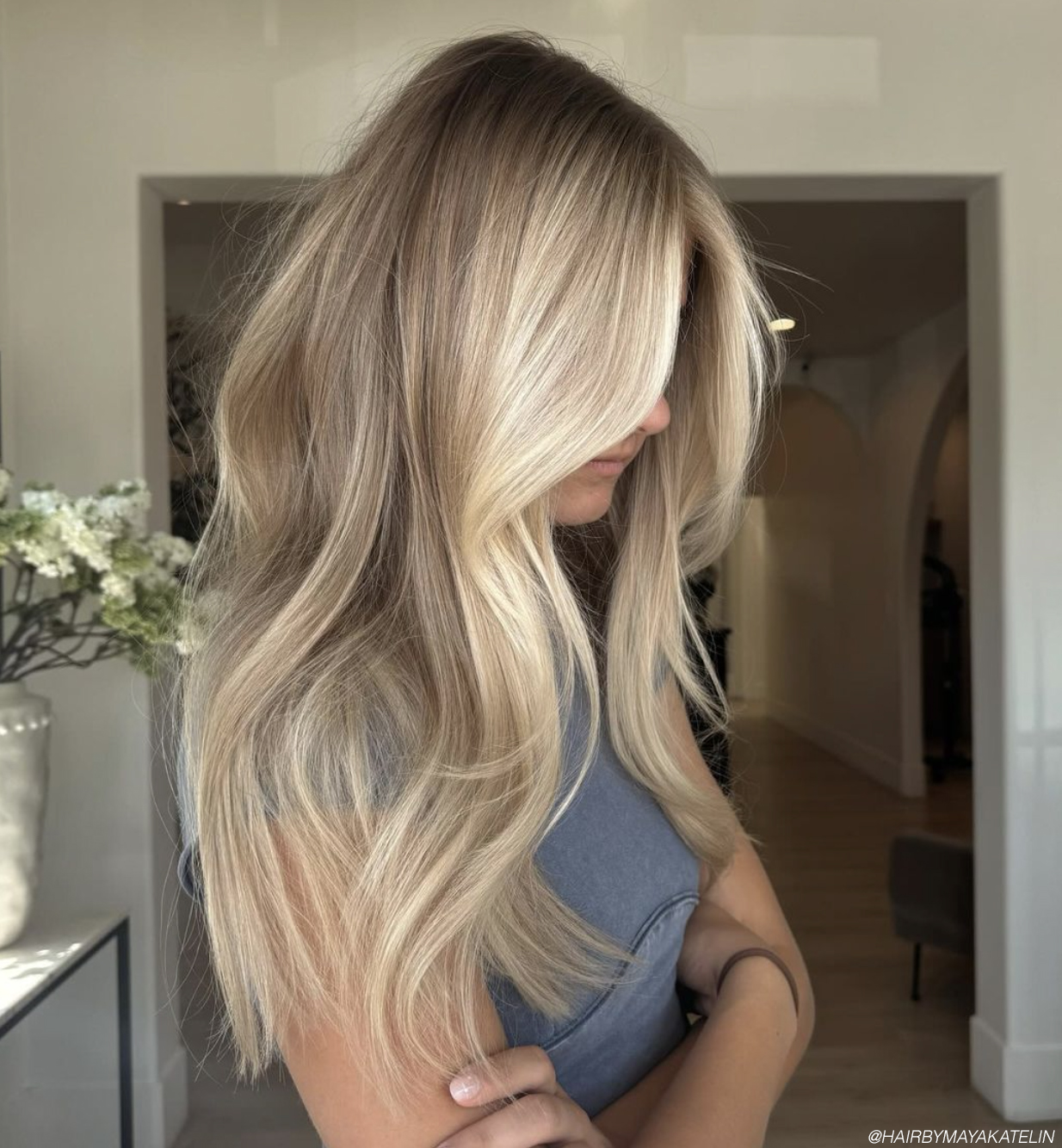
The Anatomy of a Hybrid Brand Name: Portmanteaus in Market Positioning
The term “Bronde” is a classic example of a portmanteau—a linguistic blend of two existing words that creates a third, distinct concept. In branding, this is a powerful tool used to bridge the gap between two disparate market segments. Before the rise of Bronde, the hair color market was largely binary: consumers were either blondes or brunettes. By merging these two identities, marketers created a “third way” that neutralized the risks associated with both.
Portmanteaus as a Strategic Marketing Tool
In brand strategy, the goal of a new name is to be “sticky”—memorable, easy to pronounce, and evocative. “Bronde” succeeds because it is intuitive. The moment a consumer hears it, they understand the value proposition without needing a lengthy technical explanation. This clarity reduces the “cognitive load” on the consumer, making the decision-making process faster. It follows the same logic as “Athleisure” or “FinTech”—it defines a intersectional space that feels modern and innovative.
Bridging the Gap Between Traditional Identities
From a brand identity perspective, “Bronde” solved a major psychological barrier for consumers. For decades, being a “blonde” carried certain cultural connotations, often associated with high maintenance and a specific type of glamour. “Brunette,” conversely, was often marketed as more natural or “serious.” By creating the Bronde brand, the industry offered a middle ground: the brightness of a blonde with the depth and sophistication of a brunette. This allowed brands to capture a massive middle-market demographic that felt alienated by extreme color choices.
Market Positioning and the Value Proposition of “Low-Maintenance Luxury”
Every successful brand must offer a clear Value Proposition (VP). For Bronde hair, the VP is centered around the concept of “Low-Maintenance Luxury.” In a post-consumerist world where “quiet luxury” and “stealth wealth” have become dominant design philosophies, Bronde fits the aesthetic perfectly. It represents a premium service that does not look “overdone.”
The Rise of the Quiet Luxury Segment
In branding, the “Quiet Luxury” segment focuses on quality and subtlety rather than overt logos or high-contrast visuals. Bronde hair is the visual manifestation of this trend. Because the color mimics the natural way hair lightens in the sun, it suggests an outdoor, affluent lifestyle without the harsh lines of traditional highlights. For a personal brand, wearing a Bronde aesthetic signals a preference for timelessness over fleeting, high-contrast trends. This aligns perfectly with corporate branding strategies that favor sustainability and longevity.
Target Demographics and Economic Efficiency
From a business finance and marketing standpoint, Bronde hair is a brilliant “retention” product. Traditional blonde services require frequent salon visits (every 4–6 weeks) to manage root regrowth. This high barrier to entry often scares away budget-conscious or time-poor consumers. Bronde, by design, incorporates a client’s natural base color, allowing for a “lived-in” look that lasts 3–6 months. By marketing Bronde as a long-term investment rather than a short-term fix, salons can charge a premium for the initial artistry while promising the consumer a lower “cost-per-wear” over the course of a year.

Visual Identity and the Digital Content Strategy
In the age of Instagram and Pinterest, a brand is only as strong as its visual representability. “What is bronde hair” became a viral search query because the aesthetic is inherently “photogenic” in a way that flat colors are not. The multidimensionality of Bronde—the play of light and shadow—is a dream for digital content creators and brand designers.
Creating a Signature Visual Language
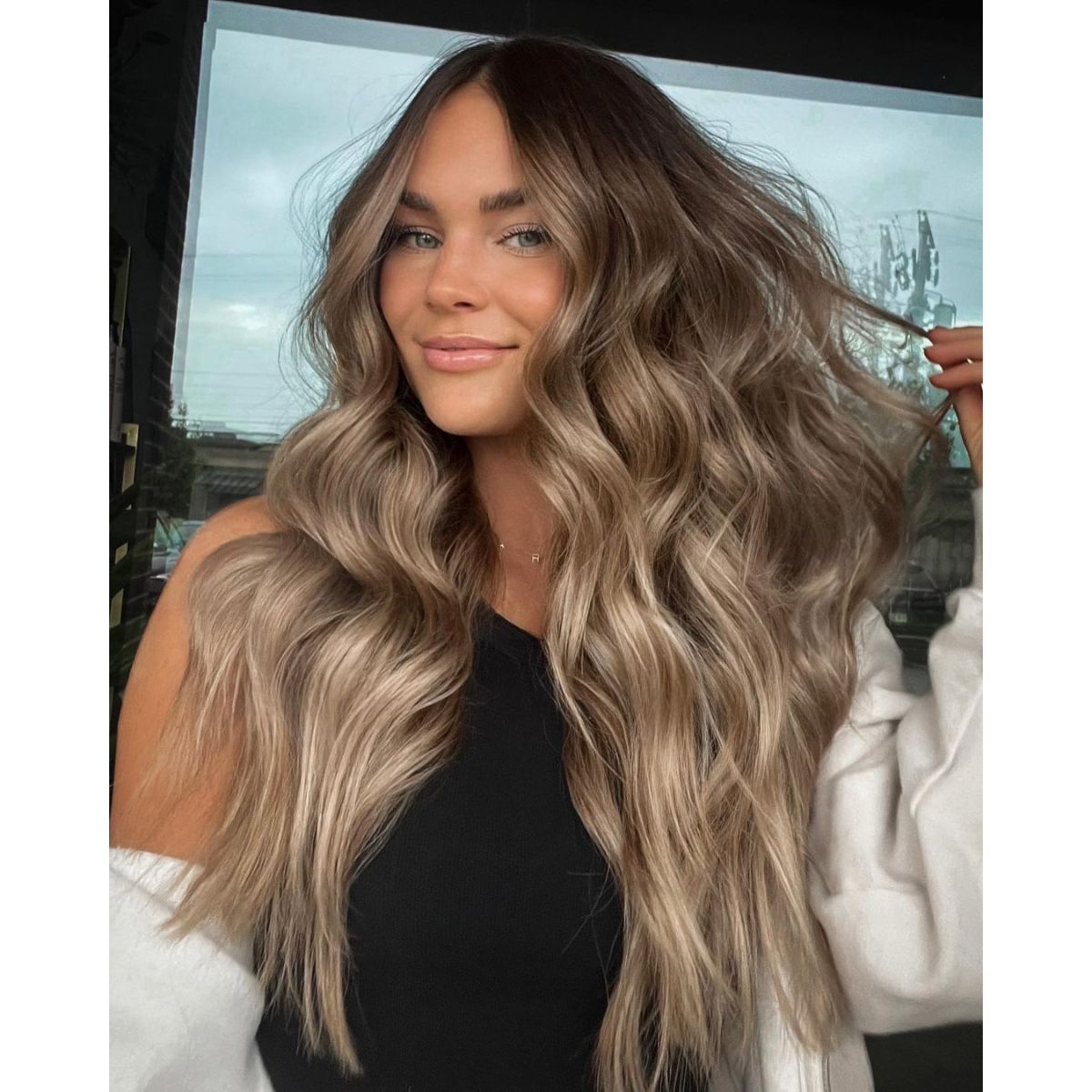
In brand design, we talk about “texture” and “depth.” A solid color lacks information; a hybrid color like Bronde is rich with visual data. This makes it highly effective for digital marketing. When a salon or a hair-care brand uses Bronde imagery, the highlights and lowlights create movement in a still photograph. This visual “pop” increases engagement rates on social media platforms. The Bronde aesthetic has become a shorthand for “The Influencer Look,” a visual identity that suggests a person is polished but approachable.
Content Strategy for Digital Brand Presence
For professionals in the beauty space, mastering the “Bronde” brand is essential for SEO (Search Engine Optimization). By categorizing services under this specific keyword, businesses tap into a niche that is less saturated than “blonde highlights” but has higher intent. The content strategy revolves around “transformation” narratives—showing the transition from a flat, one-dimensional color to a rich, Bronde palette. This narrative arc is a fundamental pillar of brand storytelling: identifying a problem (dull hair), introducing a solution (the Bronde technique), and showcasing the triumphant result.
Scaling the Trend: From a Technique to a Global Corporate Identity
What started as a colorist’s secret in elite Parisian salons has been scaled by global conglomerates into a multi-billion dollar category. Companies like L’Oréal, Wella, and Schwarzkopf have not just acknowledged Bronde; they have institutionalized it through product lines and certification programs.
Case Study: How Global Brands Monetized the Hybrid Look
Large-scale corporations excel at taking a niche trend and “packaging” it for the masses. They developed specific “Bronde Kits” and educational modules for stylists, effectively trademarking the process. This is a classic move in corporate strategy: if you cannot own the color, you own the system used to achieve it. By creating professional-grade “Bronde” color tubes that pre-mix the cool and warm tones, these brands lowered the skill floor required to produce the look, allowing the trend to scale from high-end boutiques to mass-market hair chains.
Licensing and Trademarking the “Look”
The transition of Bronde from a description to a brand also involved the creation of “sub-brands.” We now see terms like “Golden Bronde,” “Ash Bronde,” and “Caramel Bronde.” This is a product-laddering strategy. Once a consumer is comfortable with the core “Bronde” brand, the company can upsell them on more specific, nuanced versions of the product. This keeps the brand ecosystem fresh and prevents “brand fatigue,” ensuring that the consumer stays within the product family for years.
Conclusion: The Lasting Impact of Hybrid Branding
“Bronde hair” is more than a fusion of brown and blonde dyes; it is a testament to the power of strategic branding. It identified a gap in the market—a need for a sophisticated, low-maintenance, and universally flattering aesthetic—and filled it with a name that was as clever as it was descriptive.
For brand strategists and marketers, the lesson of Bronde is clear: innovation often lies in the “in-between” spaces. By rejecting binary choices and embracing the hybrid, the beauty industry created a category that redefined luxury for the modern era. As we look at future trends, whether in fashion, tech, or finance, the “Bronde” model of portmanteau branding and “Quiet Luxury” positioning remains a gold standard for how to capture the cultural zeitgeist and turn it into a sustainable, profitable brand identity.
aViewFromTheCave is a participant in the Amazon Services LLC Associates Program, an affiliate advertising program designed to provide a means for sites to earn advertising fees by advertising and linking to Amazon.com. Amazon, the Amazon logo, AmazonSupply, and the AmazonSupply logo are trademarks of Amazon.com, Inc. or its affiliates. As an Amazon Associate we earn affiliate commissions from qualifying purchases.