
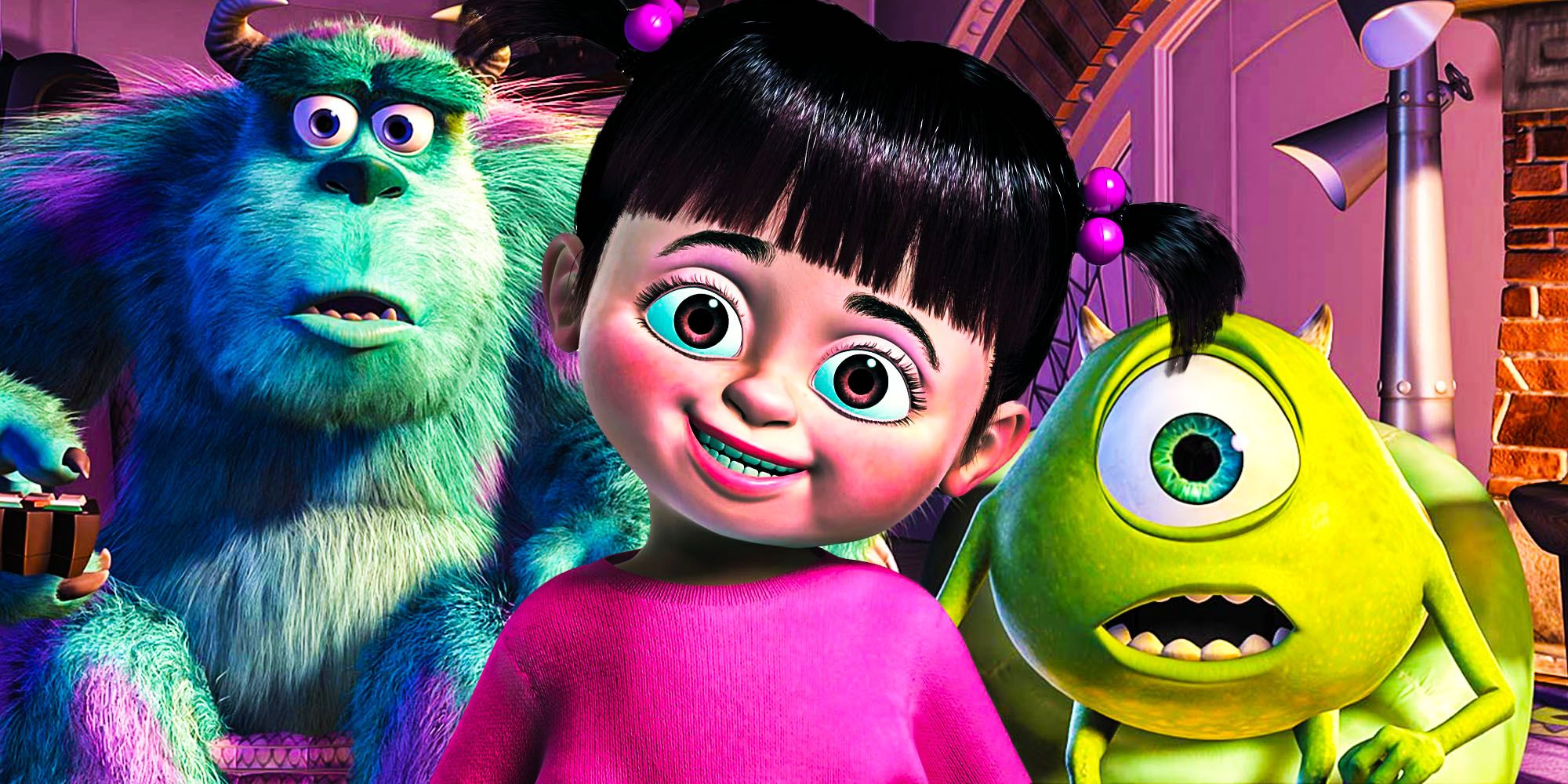
In the world of cinematic branding, few entities are as masterful as Pixar Animation Studios. While the studio is celebrated for its technical prowess and emotional storytelling, its real genius lies in its brand architecture—the ability to weave intricate layers of detail that turn a simple product into a lifelong obsession for its audience. A prime example of this is a question that has lingered in the cultural zeitgeist for over two decades: What is Boo’s real name in Monsters, Inc.?
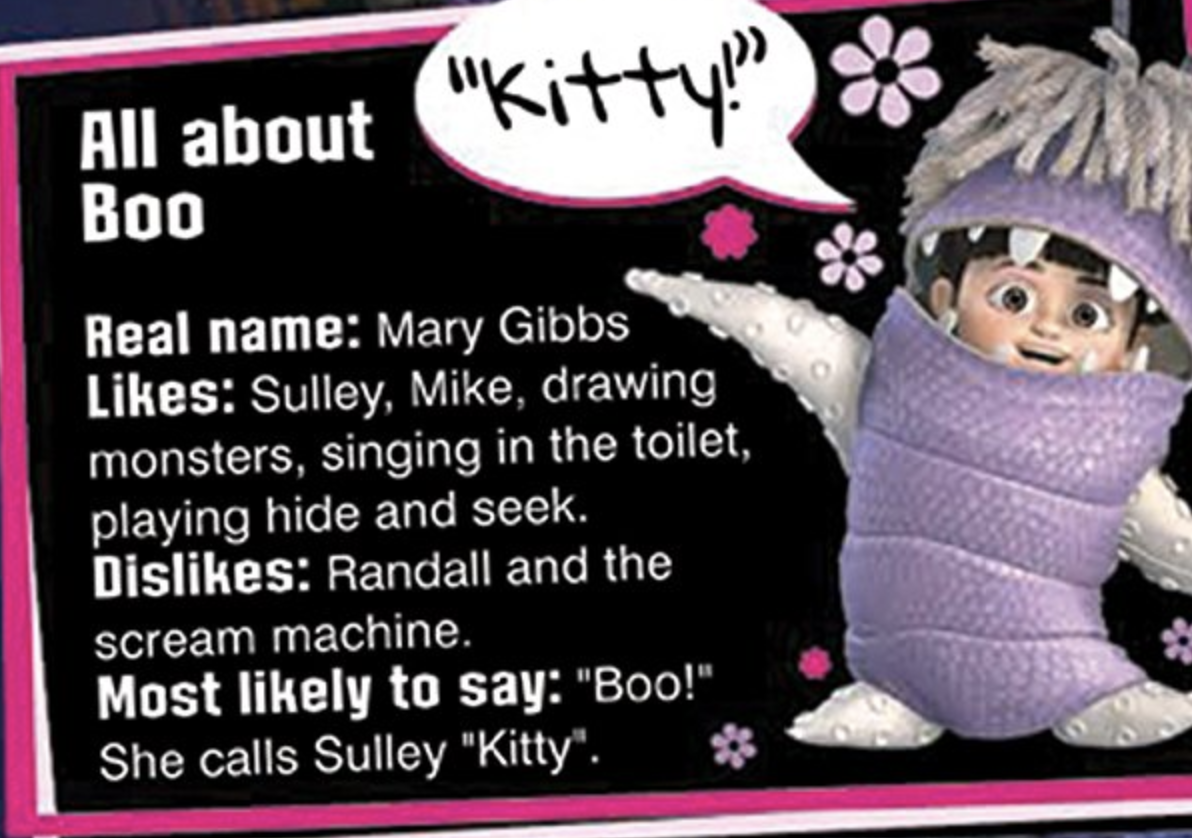
For the casual viewer, she is simply “Boo.” However, for the dedicated brand sleuth, a blink-and-you-miss-it frame reveals her name is Mary Gibbs, scribbled in crayon on a drawing in her room. While this appears to be a charming piece of trivia, it serves as a profound case study in brand strategy, character identity, and the psychological impact of naming. In a marketplace where identity is everything, the mystery of Mary Gibbs offers vital lessons for corporate branding and personal identity management.
The Psychology of Naming in Brand Architecture
The process of naming is perhaps the most critical stage in the development of a brand or character. A name is not merely a label; it is a vessel for values, expectations, and emotional resonance. In Monsters, Inc., the decision to withhold Boo’s real name from the dialogue while embedding it in the visual background was a calculated branding move that prioritized emotional connection over literal identification.
Mary Gibbs: The Hidden Identity Behind the Persona
Boo’s real name, Mary, was taken from the child actress who voiced her, Mary Gibbs. In the context of branding, this represents the “authentic origin story.” When a brand has a name rooted in reality—much like how “Adidas” is derived from its founder Adi Dassler—it gains an underlying layer of authenticity. By naming the character Mary but calling her Boo, Pixar created a dual-brand identity: the “Public Face” (Boo) which is catchy, easy to remember, and emotionally evocative, and the “Heritage Core” (Mary), which provides depth and a sense of discovery for those who look closer.
Why Clarity vs. Mystery Matters in Brand Recognition
In traditional marketing, clarity is often king. You want your customers to know exactly who you are. However, high-level brand strategy often utilizes mystery to drive engagement. By not explicitly stating Boo’s name, Pixar forced the audience to engage more deeply with the character. This is a strategy used by brands like Trader Joe’s or Supreme, where certain “insider” details are left for the community to discover. When a consumer “discovers” a brand’s hidden name or origin, they feel a sense of ownership and loyalty that a direct marketing campaign could never achieve.
Pixar’s “Easter Egg” Strategy: A Case Study in Brand Loyalty
The revelation of Boo’s name via a background drawing is part of Pixar’s broader “Easter Egg” marketing strategy. For decades, Pixar has embedded hidden references—like the Luxo ball or the A113 code—across their films. This isn’t just for fun; it is a sophisticated method of building brand equity.
Rewarding the “Super-Fan” Segment
Every brand has a pyramid of users, from casual consumers to “Super-Fans.” The Mary Gibbs revelation is a reward for the Super-Fan segment. In brand strategy, rewarding your most dedicated advocates with exclusive “hidden” knowledge creates a tiered sense of belonging. When fans shared the discovery of Boo’s name on early internet forums, they weren’t just sharing trivia; they were acting as brand ambassadors. This organic word-of-mouth marketing is more credible and more durable than any paid advertisement.

Creating Multi-Generational Brand Equity through Detail
The longevity of the Monsters, Inc. brand is sustained by these layers of detail. Because there is always something new to find—like a child’s real name hidden in a drawing—the content remains relevant for decades. For businesses, this highlights the importance of “Legacy Branding.” A brand should not be one-dimensional. It should have enough depth that a customer can interact with it for years and still find new value or “secrets.” This depth is what transforms a product into a cultural icon.
Emotional Anchoring: Building Connections Without Labels
One of the most fascinating aspects of Boo’s identity is how the nickname “Boo” actually functions as a more powerful brand than the name “Mary.” This teaches us about the concept of emotional anchoring in corporate identity.
The “Boo” Effect: Simplifying Complex Identities
The name “Boo” is a sound—a reaction to fear that is transformed into a term of endearment. From a branding perspective, “Boo” is a masterclass in phonetic symbolism. It is easy to pronounce in almost every language, making the brand globally scalable. If Pixar had insisted on using the name Mary, the character might have felt like “just another girl.” By using “Boo,” they created a unique, trademarkable identity that stands out in a crowded marketplace of characters. This illustrates that sometimes, a brand’s “nickname” or simplified logo is more potent than its formal corporate title.
How Minimalist Branding Enhances Customer Resonance
Boo’s character design is minimalist: pigtails, a pink shirt, and a giant personality. Her name matches this minimalism. In brand strategy, we often see companies overcomplicating their identity with long mission statements and complex names. The lesson of Boo is that simplicity facilitates projection. Because she is “Boo,” she can represent the innocence of any child. Similarly, brands like Nike or Apple use minimalist naming and design to allow the consumer to project their own aspirations onto the brand. Mary Gibbs is the specific person; Boo is the universal brand.
Lessons for Modern Corporate Identity
How can modern businesses apply the logic of Boo’s hidden name to their own brand strategy? The intersection of the “known” and the “hidden” is a fertile ground for marketing innovation.
Consistency Across Touchpoints
Even though Boo’s name is hidden, it is consistent with the world-building of the film. It wasn’t a random name; it was a deliberate Easter egg. For a brand, this means that every touchpoint—even the ones that 90% of your customers won’t see—must be consistent with your core identity. Whether it’s the “About Us” page on your website, the fine print in your terms of service, or the packaging inside your box, these hidden details should reflect the same quality and thought as your front-facing marketing.
Balancing Humanization with Global Appeal
Boo’s real name, Mary, humanizes her. It grounds her in reality. However, her moniker “Boo” gives her global appeal. This balance is crucial for modern brands. A company needs a “human” side—the stories of its founders, its ethical commitments, and its real-world impact (the “Mary Gibbs” side). Simultaneously, it needs a high-impact, easily digestible public identity (the “Boo” side).
In conclusion, the question of what Boo’s real name is in Monsters, Inc. is more than just movie trivia; it is a window into the mechanics of world-class branding. Pixar’s ability to hide Mary Gibbs in plain sight while building a global icon out of a nickname demonstrates the power of mystery, the importance of rewarding loyalty, and the effectiveness of emotional anchoring. In the modern business landscape, the brands that win are those that understand their identity is a narrative—one with a public face that invites you in, and a hidden depth that keeps you coming back for more. Whether you are building a tech startup or a personal brand, remember that sometimes the most powerful part of your identity is the part the audience has to work to find.
aViewFromTheCave is a participant in the Amazon Services LLC Associates Program, an affiliate advertising program designed to provide a means for sites to earn advertising fees by advertising and linking to Amazon.com. Amazon, the Amazon logo, AmazonSupply, and the AmazonSupply logo are trademarks of Amazon.com, Inc. or its affiliates. As an Amazon Associate we earn affiliate commissions from qualifying purchases.