
In the modern economic landscape, the question “What is a Bachelor of Arts degree?” is often met with a mixture of curiosity and skepticism. Traditionally viewed as the “softer” side of academia, the Bachelor of Arts (BA) is frequently contrasted against the Bachelor of Science (BS), with the latter often perceived as the more direct route to high-paying employment. However, when viewed through the lens of personal finance, investment, and long-term wealth building, the Bachelor of Arts reveals itself to be a versatile financial asset.
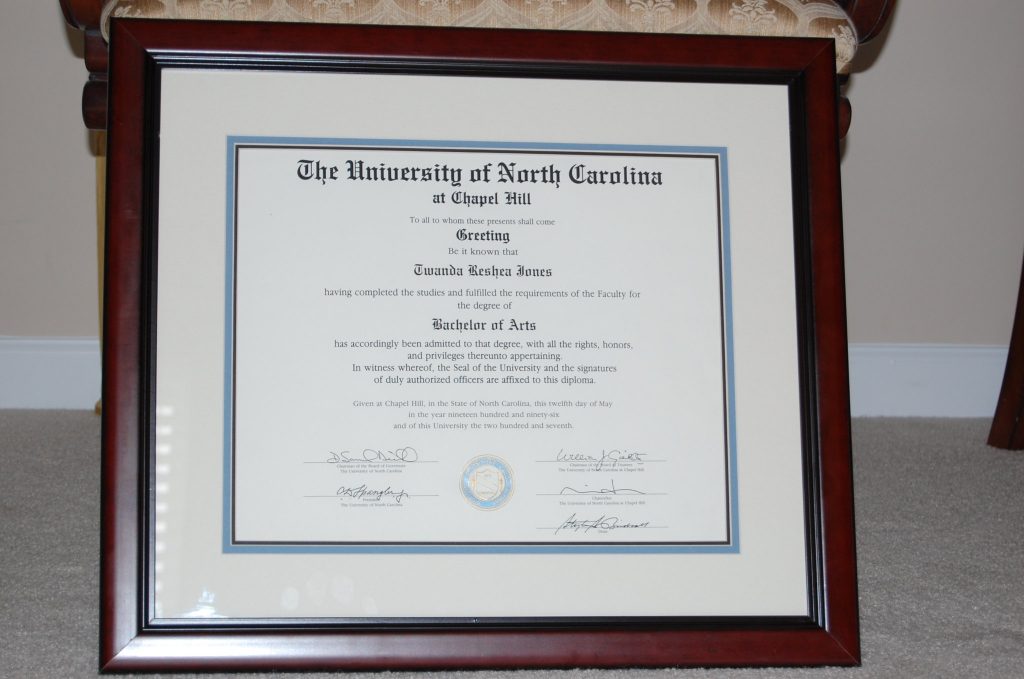
A Bachelor of Arts is an undergraduate academic degree awarded for a course or program in the liberal arts, social sciences, or humanities. While its definition is rooted in classical education, its modern value is measured in its ability to produce adaptable, high-level thinkers who can navigate the complexities of a globalized economy. For the savvy student or professional, a BA is not just a certificate of completion; it is a strategic investment in human capital that offers unique dividends in an increasingly automated world.
Defining the Bachelor of Arts Through an Economic Lens
To understand the financial implications of a BA, one must first understand its structural composition. Unlike specialized technical degrees that focus on a singular vocational outcome, a BA is designed to provide a broad foundation in critical thinking, communication, and analytical reasoning. From an investment perspective, this is the equivalent of portfolio diversification.
The Core Difference: BA vs. BS in the Job Market
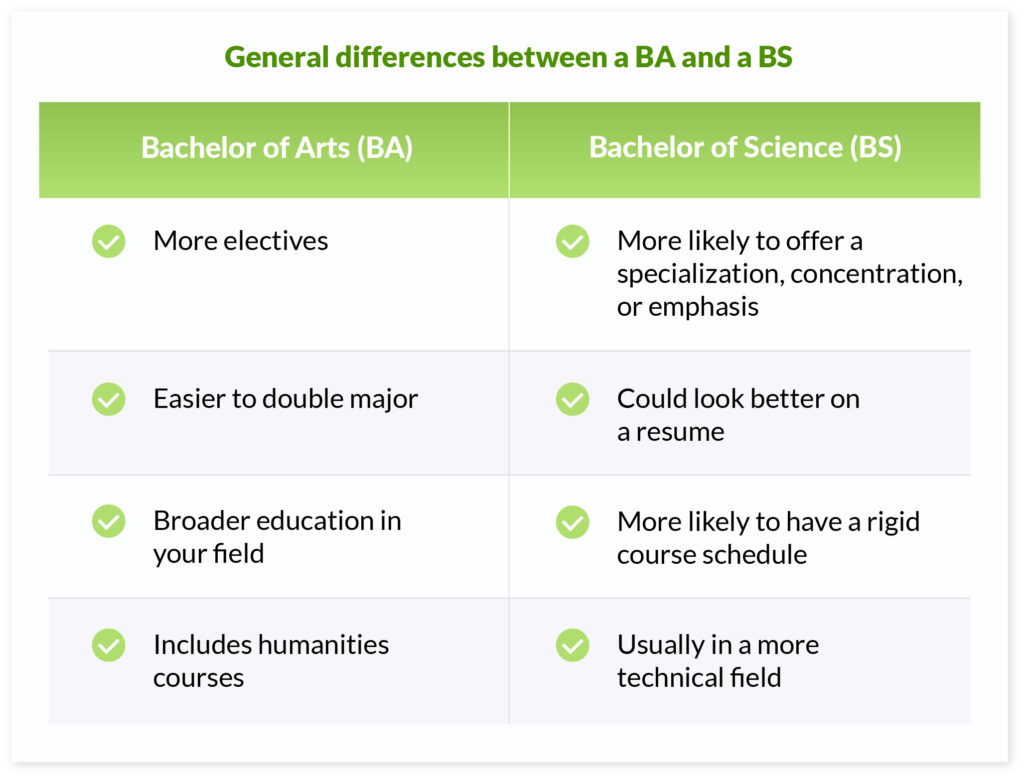
From a financial standpoint, the distinction between a BA and a BS often comes down to the “skill-set ceiling.” A BS typically offers a higher starting salary due to immediate technical proficiency in fields like engineering or nursing. However, the BA focuses on “meta-skills”—the ability to learn how to learn. In the labor market, this creates a different trajectory. While a BS holder might enter the market at a higher price point, the BA holder often experiences a steeper growth curve in mid-career as they move into management, strategy, and leadership roles where interpersonal and analytical skills command a premium.
Diversification of Skills as a Financial Asset
In finance, diversification is the only “free lunch.” The same logic applies to education. A BA student majoring in Economics, Philosophy, or International Relations is not just learning a subject; they are acquiring a toolkit that is resistant to market volatility. When one industry collapses due to technological disruption, the BA holder possesses the cognitive flexibility to pivot into a new sector without requiring a total educational overhaul. This adaptability is a crucial component of long-term financial security, reducing the risk of “skills obsolescence.”
The Lifetime Earning Potential of a BA Degree
One of the most persistent myths in personal finance is that a Bachelor of Arts leads to a lifetime of lower earnings. While it is true that certain humanities majors may start with more modest salaries, longitudinal data suggests a much more lucrative reality. When we analyze the Return on Investment (ROI) over a 30-to-40-year career, the BA proves to be a formidable engine for wealth creation.
Analyzing the ROI: Short-term Costs vs. Long-term Wealth
The true ROI of a BA is often back-loaded. According to various economic studies, including those by the Association of American Colleges and Universities (AAC&U), liberal arts majors often close the “earnings gap” with their STEM counterparts by their peak earning years (ages 40-55). This is because the skills emphasized in a BA—such as complex problem-solving and ethical judgment—are exactly what corporations look for in executive-level positions.
When calculating the ROI of a BA, students must look beyond the “first-year salary” metric and consider the “lifetime earnings ceiling.” The ability to communicate persuasively and lead diverse teams often leads to C-suite positions, where compensation packages include stock options, bonuses, and high-tier salaries that far outpace entry-level technical roles.
High-Yield Sectors for Arts and Humanities Graduates
It is a mistake to assume that a BA limits one to low-paying sectors. On the contrary, many BA graduates find high-yield opportunities in:
- Finance and Banking: History and Philosophy majors are highly sought after for their ability to analyze complex patterns and ethical implications in global markets.
- Law and Governance: A BA is the standard precursor to a JD (Juris Doctor), leading to one of the highest-earning professions globally.
- Corporate Communications and Marketing: Understanding human behavior and narrative is the cornerstone of high-stakes marketing, a field where top-tier strategists earn mid-six-figure salaries.
- Tech Management: As AI handles more coding, tech giants are hiring BA graduates to manage the “human” interface, focusing on ethics, user experience, and project management.
Financial Strategy: Funding Your Education and Minimizing Debt
The value of any investment is dictated by its purchase price. To maximize the financial benefit of a Bachelor of Arts, one must approach the “acquisition” of the degree with the mindset of a CFO. Education debt can erode the long-term wealth-building potential of even the most prestigious degree, making strategic planning essential.
Strategic Choice of Institution and Specialization
Not all BAs are priced equally, and neither is their market value. To ensure a positive financial outcome, students should conduct a cost-benefit analysis of their chosen institution. Opting for an in-state public university with a strong alumni network can often yield a better ROI than a high-cost private college with limited career services.
Furthermore, “pairing” a BA with a strategic minor or certification can significantly boost its marketability. For example, a BA in English combined with a certification in Data Analytics or Business Finance creates a “hybrid” candidate who can bridge the gap between technical data and human-centric storytelling—a role that is both rare and highly compensated.
Leveraging Internships for Early Financial Stability
In the context of a BA, internships are the equivalent of “early-stage equity.” Because a BA is less vocational than a BS, the burden of proving market-readiness falls on the student. Engaging in high-level internships in consulting, finance, or corporate strategy during the undergraduate years allows a student to enter the workforce with a “proven track record.” This reduces the “search time” for the first high-paying job, effectively increasing the net present value of the degree by accelerating the timeline to peak earnings.
The Future of the BA in a Changing Global Economy
As we enter the era of the Fourth Industrial Revolution, characterized by Artificial Intelligence and automation, the economic value of a Bachelor of Arts is undergoing a renaissance. When technical tasks are automated, the “human” element becomes the scarcest—and therefore most valuable—resource in the economy.
Adaptability: The Ultimate Hedge Against Automation
From a financial perspective, specialized technical skills are “depreciating assets.” A specific programming language or software tool might become obsolete in five years. In contrast, the foundational skills of a BA—logic, rhetoric, and critical analysis—are “durable assets.” They do not depreciate; rather, they compound in value as the world becomes more complex.
Investors often look for “moats”—competitive advantages that protect a business from competitors. A Bachelor of Arts provides an “intellectual moat.” AI may be able to write code or calculate spreadsheets, but it struggles with the nuanced negotiation, cultural empathy, and strategic vision that are the hallmarks of a liberal arts education. This makes BA holders uniquely resilient in an automated job market.
Entrepreneurial Pathways for BA Holders
Finally, the Bachelor of Arts is an exceptional foundation for entrepreneurship. Business success is rarely a matter of technical skill alone; it requires an understanding of markets, people, and society. Many of the world’s most successful entrepreneurs and investors—including Peter Thiel (Philosophy) and Reid Hoffman (Philosophy)—attribute their success to the analytical frameworks they developed during their BA programs.
For the entrepreneurially minded, a BA provides the “mental models” necessary to identify market gaps and build brands that resonate with human needs. When you own the business, your ROI is no longer tied to a salary scale; it is limited only by your ability to create value. In this sense, a Bachelor of Arts is perhaps the most powerful tool for those looking to build independent wealth and navigate the financial frontiers of the 21st century.
Conclusion: The BA as a Long-Term Financial Powerhouse
In summary, a Bachelor of Arts degree is far more than a cultural rite of passage; it is a sophisticated financial instrument. By focusing on durable, transferable skills, it offers a hedge against technological disruption and a pathway to the highest levels of corporate and entrepreneurial leadership. While the initial “entry price” and early-career earnings may require careful management, the long-term dividends of a BA—measured in adaptability, leadership potential, and lifetime wealth—make it one of the most resilient investments an individual can make in their own future.
aViewFromTheCave is a participant in the Amazon Services LLC Associates Program, an affiliate advertising program designed to provide a means for sites to earn advertising fees by advertising and linking to Amazon.com. Amazon, the Amazon logo, AmazonSupply, and the AmazonSupply logo are trademarks of Amazon.com, Inc. or its affiliates. As an Amazon Associate we earn affiliate commissions from qualifying purchases.