
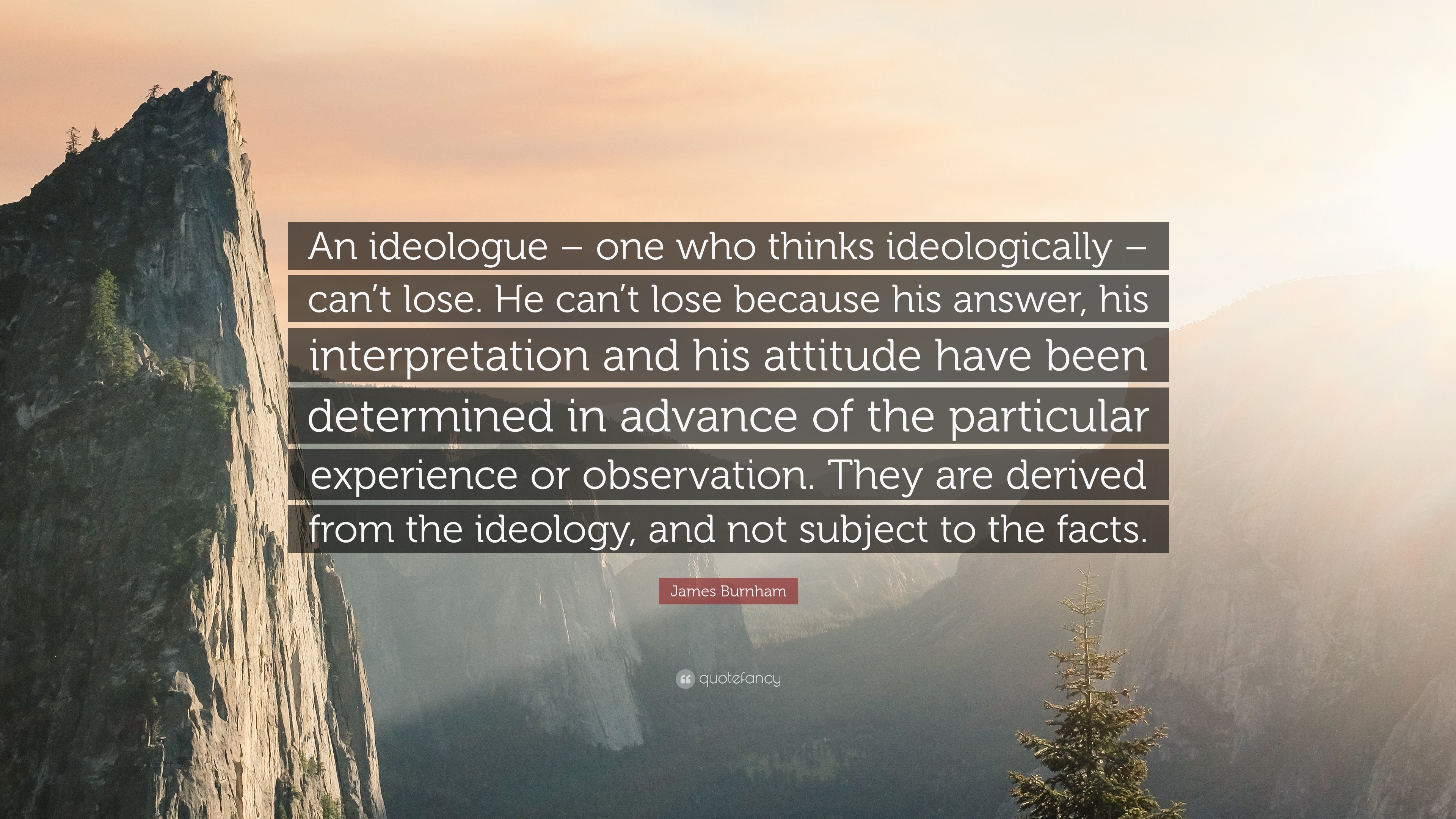
In the traditional sense, an ideologue is often defined as an uncompromising adherent to a specific political or social doctrine. They are the true believers, the individuals who view the world through a singular, rigid lens and refuse to deviate from their core tenets, regardless of shifting circumstances. However, in the modern landscape of commerce, the term “ideologue” has migrated from the halls of political science into the boardrooms of the world’s most influential companies.
In the context of brand strategy, a brand ideologue is a company or a leader that moves beyond mere product benefits to champion a comprehensive worldview. They do not just sell a commodity; they sell a set of values, a vision for the future, and a sense of identity. To understand what an ideologue is in today’s market is to understand the shift from transactional marketing to transformational identity. This article explores the anatomy of the brand ideologue, the psychology of their followers, and the strategic framework required to build a brand that commands the devotion of a movement.

The Anatomy of a Brand Ideologue: Moving Beyond the Product
A standard brand focuses on solving a functional problem. A detergent brand focuses on removing stains; a software company focuses on efficiency. However, a brand ideologue operates on a different plane. They are defined by an unwavering commitment to a central philosophy that informs every decision, from product design to corporate culture.
Transcending the Functional Benefit
The hallmark of an ideological brand is that its primary value proposition is not the product itself, but what the product represents. When a brand becomes an ideologue, it stops competing on price or features and starts competing on meaning. For example, Patagonia is not merely an outdoor apparel company; it is an ideological vessel for environmental radicalism. Their “Don’t Buy This Jacket” campaign was a classic ideological move—prioritizing the core belief (anti-consumerism and sustainability) over short-term sales. By doing so, they cemented their status as a brand ideologue, attracting a tribe of followers who share those specific, uncompromising values.
The Dogma of Identity and Consistency
For a brand to be perceived as an ideologue, it must exhibit a high degree of consistency. In political ideology, a flip-flopper is viewed with suspicion. The same applies to branding. An ideological brand cannot pivot its values based on quarterly trends. This “dogma” provides a sense of stability for the consumer. Whether it is Tesla’s commitment to a sustainable energy future or Apple’s historical focus on “Think Different” and aesthetic minimalism, these brands have created a rigid framework of identity. They don’t just offer choices; they offer a way of being.
The Psychology of Ideological Branding: From Consumer to Disciple
Why are consumers drawn to brand ideologues? The answer lies in the deep human need for belonging and purpose. In an era where traditional institutions—religion, local community, and civic groups—are experiencing a decline in participation, brands have stepped in to fill the “meaning gap.”
The Search for Belonging and Tribalism
An ideologue creates an “in-group” and an “out-group.” This is the cornerstone of tribal branding. When a consumer buys into an ideological brand, they are signaling their membership in a specific tribe. They are telling the world, “I am the kind of person who believes in X.” This creates a powerful emotional bond that is far more resilient than a functional one. If a competitor releases a slightly better product at a lower price, a “disciple” of an ideological brand is unlikely to switch, because switching would feel like a betrayal of their own identity.
The Role of Shared Adversity and “The Enemy”
Every great ideology needs an antagonist. For the brand ideologue, the “enemy” isn’t necessarily a specific competitor, but rather a status quo or a mindset. For Nike, the enemy is complacency and the “cannot” attitude. For Liquid Death (the canned water brand), the enemy is the “soft” marketing of traditional bottled water. By defining what they are against, brand ideologues clarify what they are for. This creates a sense of shared struggle between the brand and the consumer, fostering a level of loyalty that transcends traditional marketing metrics.
Building the Ideological Framework: Strategic Implementation
Becoming a brand ideologue is not an accidental process. it requires a deliberate strategic framework that aligns the company’s internal operations with its external messaging. It is about moving from “What we do” to “Why we exist.”
Defining the Creed: The Core Narrative
The first step in ideological branding is the development of a creed. This is more than a mission statement; it is a declaration of belief. This narrative must be polarizing. If your brand’s ideology is acceptable to everyone, it isn’t an ideology—it’s a platitude. A true brand ideologue is willing to alienate those who do not share their worldview in order to more deeply connect with those who do. This requires a courageous approach to market segmentation, focusing on the “true believers” rather than the “mass market.”
Establishing Rituals and Symbolic Language
Ideologies are reinforced through rituals and language. Brand ideologues often create their own nomenclature and consumer experiences that feel like “initiations.” Think of the “unboxing” experience popularized by high-end tech brands or the specific terminology used within the CrossFit community. These rituals reinforce the ideology and make the consumer feel like an insider. When a brand controls the language used to describe its category, it occupies a dominant position in the consumer’s psyche.
The Sacrifice: Proving Sincerity
An ideologue is defined by what they are willing to lose for their beliefs. For a brand, this often manifests as a “sacrifice.” This might mean turning down a lucrative partnership that doesn’t align with their values or discontinuing a profitable product line that contradicts their mission. When a brand makes a visible sacrifice, it proves its sincerity. In a cynical market, this “proof of work” is the most effective way to build trust and authority.
The Risks of Ideological Rigidity: Balancing Conviction with Evolution
While being a brand ideologue can lead to massive market share and cult-like loyalty, it is not without significant risks. The very qualities that make an ideologue successful—rigidity and conviction—can also lead to their downfall if they lose touch with reality or alienate their base.
The Danger of the Echo Chamber
One of the primary risks for a brand ideologue is the creation of an internal echo chamber. When a company is driven by a singular ideology, it may become deaf to constructive criticism or blind to market shifts. If the brand becomes too dogmatic, it may fail to innovate, believing that its current path is the only “true” one. This can lead to a “Kodak moment” where the ideology of the past prevents the brand from embracing the technology of the future.
The Trap of Alienation and “Cancel Culture”
In the digital age, a brand’s ideological stance is under constant scrutiny. If a brand ideologue is perceived as hypocritical—preaching one set of values while practicing another—the backlash can be swift and devastating. Furthermore, as society becomes more polarized, taking a hard ideological stance can make a brand a target for those on the opposite side of the spectrum. The challenge for the modern brand ideologue is to remain authentic to their core followers without becoming so toxic that they face systemic boycotts or de-platforming.
Balancing Conviction with Market Evolution
The most successful brand ideologues are those that manage to evolve their ideology without abandoning its core essence. This is a delicate balancing act. It involves identifying which parts of the brand’s “creed” are eternal and which are merely cultural artifacts of the time they were created. A brand must be able to translate its timeless values into a modern context to remain relevant to new generations of consumers who may share the same underlying spirit but express it through different behaviors.

Conclusion: The Future of the Brand Ideologue
In a world saturated with choices and noise, the “ideologue” model represents the pinnacle of brand strategy. By moving beyond the transactional and into the ideological, brands can create a level of value that is immune to price wars and commoditization. Being a brand ideologue is about more than just marketing; it is about leadership. It is about taking a stand, defining a world, and inviting others to join in its creation.
As we look toward the future, the brands that thrive will be those that understand that consumers are no longer just looking for things to buy—they are looking for things to believe in. Whether in the realm of sustainable fashion, disruptive technology, or community-driven services, the power of the ideologue lies in the ability to turn a customer into a constituent and a product into a philosophy. In the end, a brand is not what you sell; it is the ideology you live by.
aViewFromTheCave is a participant in the Amazon Services LLC Associates Program, an affiliate advertising program designed to provide a means for sites to earn advertising fees by advertising and linking to Amazon.com. Amazon, the Amazon logo, AmazonSupply, and the AmazonSupply logo are trademarks of Amazon.com, Inc. or its affiliates. As an Amazon Associate we earn affiliate commissions from qualifying purchases.