
In the landscape of modern information technology and digital documentation, the way we structure and share data is governed by precise protocols. Just as a software developer relies on a “readme” file to explain the functionality of a complex codebase, a researcher utilizes an abstract to provide a high-level overview of a scholarly document. In the context of the American Psychological Association (APA) style—the gold standard for behavioral and social sciences—the abstract serves as a critical interface between the technical data of a study and its human or machine readers.
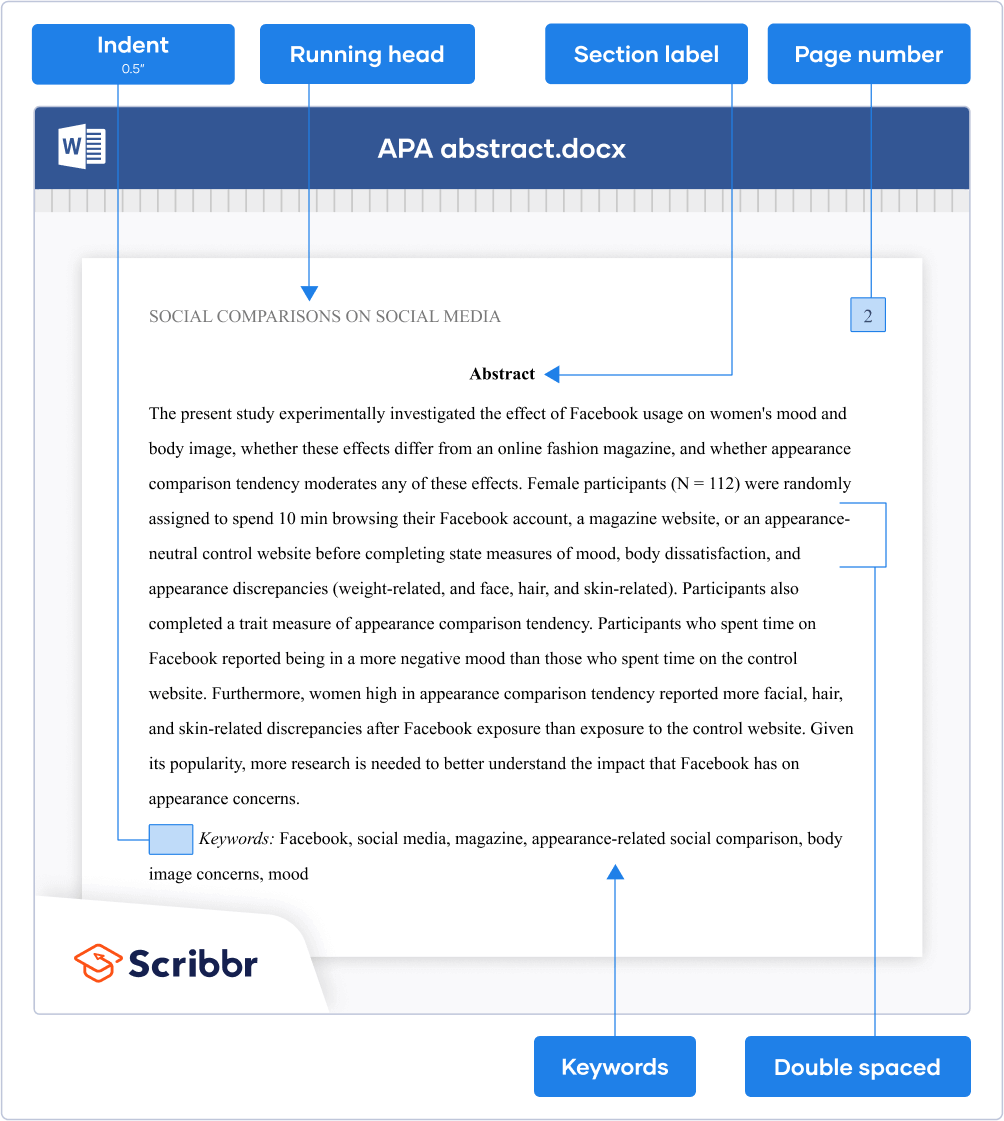
Understanding what an abstract is within an APA paper requires looking at it through a technical lens. It is not merely a summary; it is a condensed, standalone data packet designed to facilitate rapid information retrieval and indexing in digital repositories. As we move deeper into the era of AI-driven research and digital libraries, mastering the technical nuances of the APA abstract becomes essential for any professional or academic looking to ensure their work is accurately categorized and searchable.
The Structural Algorithm of an APA Abstract
In the world of technical writing, the efficiency of information delivery is paramount. An APA abstract is a single-paragraph summary of your entire paper, typically ranging between 150 and 250 words. This strict word count is not an arbitrary limitation but a technical constraint designed to ensure that the most pertinent data is front-loaded for the reader.
Defining the Data Parameters
Every APA abstract must contain specific “data points” to be considered complete. In a technical or experimental report, these parameters include the research problem, the participants (or the dataset used), the methodology, the key findings, and the concluding implications. By following this standardized sequence, the abstract acts as a predictable map. When a user or an algorithm scans the document, these markers allow for the immediate identification of the study’s relevance without requiring a deep dive into the full-text architecture.
Word Count Constraints and Metadata Optimization
The 250-word limit is a functional requirement for most digital academic databases. Most search engines and indexing tools (like EBSCOhost, ProQuest, or Google Scholar) are optimized to display a specific amount of preview text. If an abstract exceeds these technical limits, it may be truncated in search results, leading to a loss of critical context. Therefore, writing an APA abstract is a lesson in information density—every word must serve a specific function, much like lines of code in a high-performance application.
Leveraging AI and Software Tools for Precise Formatting
The transition from manual typewriter formatting to sophisticated word processing has changed how we construct APA papers. Today, the technical execution of an abstract is often mediated by software tools that ensure adherence to the Seventh Edition of the APA Manual.
Automating Citations with Reference Management Systems
While the abstract itself does not usually contain citations (unless you are summarizing a specific prior work), the metadata surrounding the abstract is heavily influenced by reference management software like Zotero, Mendeley, or EndNote. These tools allow researchers to tag their abstracts with specific identifiers that link to digital bibliographies. When you upload a paper to a repository, these software tools ensure that the abstract is bundled with the correct metadata, allowing for seamless integration into the global research ecosystem.
Using AI Summarizers to Draft the Initial Logic
Artificial Intelligence has revolutionized the drafting process for technical summaries. Tools like Claude, ChatGPT, and specialized academic AI like Elicit can assist in distilling complex 5,000-word papers into 200-word abstracts. However, the technical challenge lies in “prompt engineering”—ensuring the AI maintains the objective, third-person perspective required by APA standards. A professional approach involves using AI to identify the core logical flow of the paper and then manually refining the output to ensure that technical terminology is used accurately and that the “voice” of the research remains clinical and precise.
Digital Templates and Style Checkers
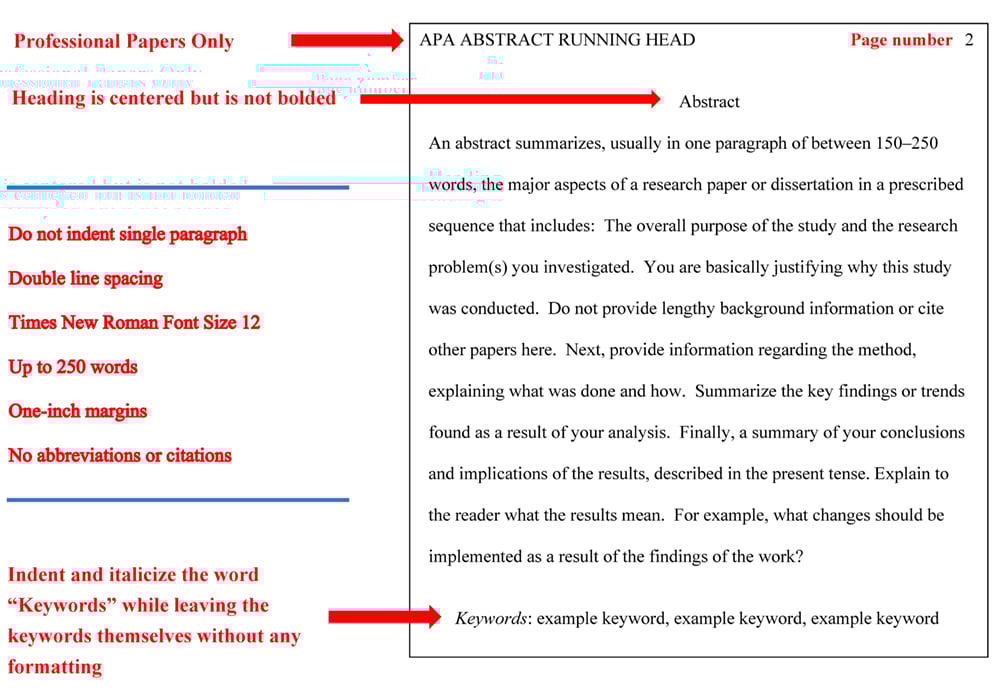
Modern word processors like Microsoft Word and Google Docs offer APA-specific templates. These templates handle the “mechanical” aspects of the abstract page, such as the “Running Head” (in older versions) or the page numbering and the centered “Abstract” label. Furthermore, tools like Grammarly’s academic mode or specialized APA style checkers act as a “linter” for your writing, flagging passive voice or non-standard formatting that could detract from the paper’s professional technicality.
Digital Publishing Standards: The Abstract as a Search Engine Entry
In the digital age, an APA abstract functions as a piece of SEO (Search Engine Optimization) content. If your paper is not indexed correctly, it effectively does not exist in the digital sphere. This makes the abstract the most important 250 words of your entire project regarding discoverability.
Keywords and SEO for Academic Repositories
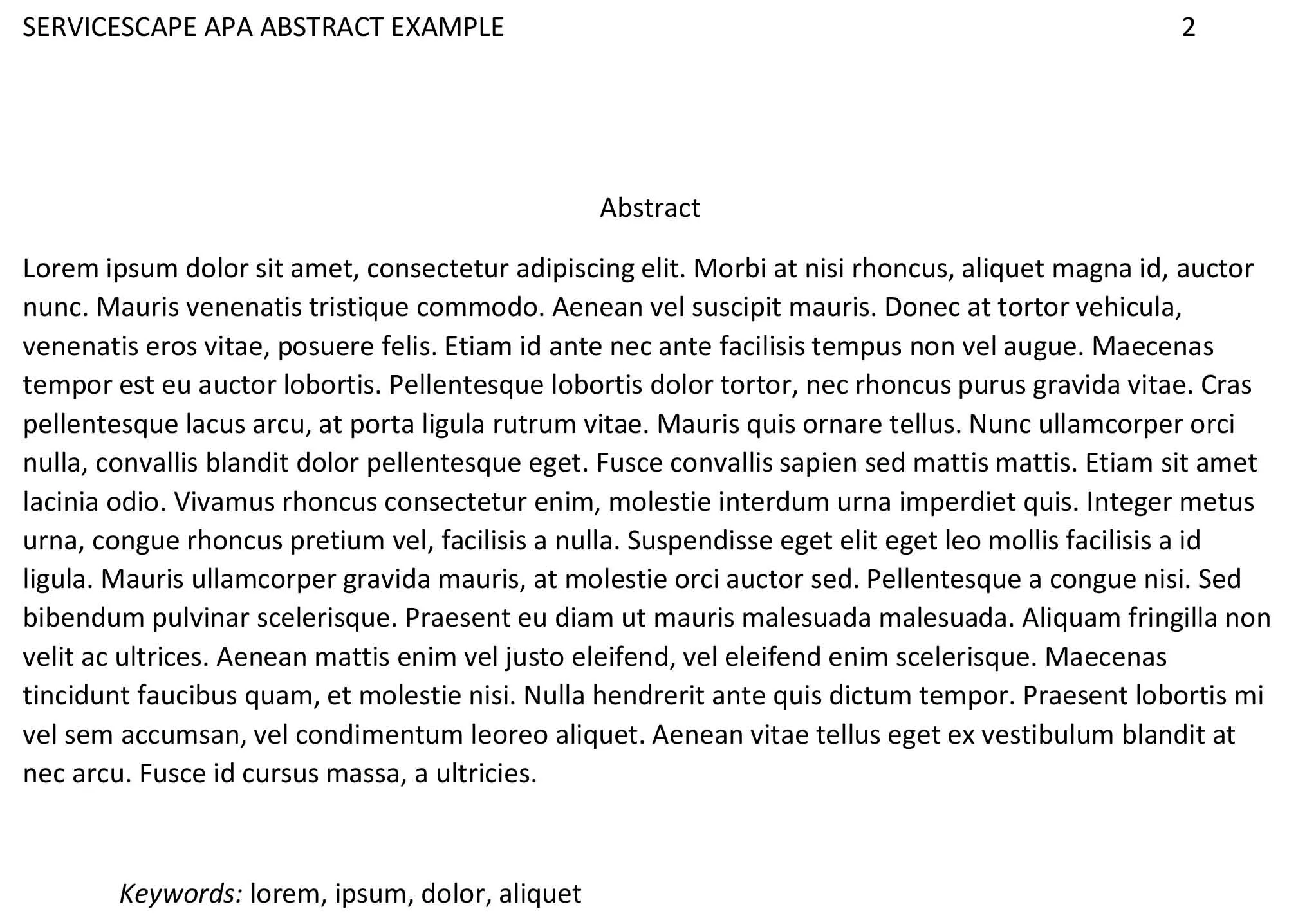
Directly below the abstract, APA style requires a list of keywords. From a technical standpoint, these are “tags.” These tags are used by database algorithms to categorize the paper. When selecting keywords, a researcher must think like an information architect: What terms would a peer type into a search engine to find this specific data? Including a mix of broad disciplinary terms and niche technical identifiers ensures that the paper appears in both general and highly specific search queries.
The Role of the Abstract in Open Access and Digital Libraries
With the rise of Open Access (OA) publishing, the abstract has taken on a new financial and technical role. Many journals keep full-text articles behind paywalls but leave the abstract open to the public. This makes the abstract the “freemium” version of the research. Technically, it must provide enough value to justify the reader (or their institution) “unlocking” the full data set. This requires a balance of transparency and conciseness, ensuring the core “value proposition” of the research is visible to both human researchers and web-crawling bots.
Troubleshooting Common Technical Errors in Digital APA Submissions
Even with the best tools, technical errors in an APA abstract can lead to a paper being rejected by a journal or ignored by the research community. Understanding the “bugs” that commonly appear in digital submissions is key to a polished final product.
Running Head and Pagination Logic
One of the most common technical hurdles in Word or LaTeX is the formatting of the header. In APA 7th Edition, the “Running Head” is no longer required for student papers but remains a staple for professional manuscripts. Setting up a “different first page” header logic is a common technical stumbling block. The abstract must sit on its own page (page 2), following the title page. Ensuring that the pagination remains dynamic—so that if the title page expands, the abstract remains correctly anchored—requires a firm grasp of document section breaks and formatting anchors.
Font Rendering and PDF Accessibility Standards
When submitting a paper to a digital repository, it is almost always converted to a PDF. This conversion can sometimes break the formatting of the abstract, particularly if non-standard fonts are used. APA style recommends accessible, widely available fonts like 11-point Calibri, 11-point Arial, or 12-point Times New Roman. From a technical perspective, these fonts are “web-safe” and ensure that the abstract is readable across all devices, including screen readers used by researchers with visual impairments. Adhering to these font standards is not just about aesthetics; it is about ensuring the universal accessibility of your data.
Conclusion: The Abstract as a Technical Interface
As we have explored, an abstract in an APA paper is far more than a simple summary. It is a highly engineered technical component designed for the digital age. It serves as a metadata bridge between raw research and the global network of scholarly information. By mastering the word count constraints, leveraging modern software tools, and understanding the principles of digital indexing, researchers can ensure their work is not only readable but discoverable.
In the fast-evolving tech landscape, the ability to distill complex information into a standardized, machine-readable format is a vital skill. Whether you are using AI to assist in drafting or utilizing sophisticated reference managers to handle your citations, the core goal remains the same: clarity, precision, and technical accuracy. The APA abstract is the “API” of your research paper, allowing the rest of the world to “call” your data and integrate it into the wider body of human knowledge. By treating the abstract with the same technical rigor as the research itself, you ensure that your contributions are recognized, cited, and utilized in the digital ecosystem.
aViewFromTheCave is a participant in the Amazon Services LLC Associates Program, an affiliate advertising program designed to provide a means for sites to earn advertising fees by advertising and linking to Amazon.com. Amazon, the Amazon logo, AmazonSupply, and the AmazonSupply logo are trademarks of Amazon.com, Inc. or its affiliates. As an Amazon Associate we earn affiliate commissions from qualifying purchases.