
The term “radicalist” often conjures images of revolutionary social or political movements, individuals advocating for fundamental, often extreme, changes to existing systems. While this broad definition holds true across many domains, when applied to the realm of technology, a “radicalist” takes on a distinct and profoundly impactful meaning. In the context of tech, a radicalist isn’t merely someone who embraces new gadgets or trends; they are an individual or group committed to instigating deep, systemic transformations within the technological landscape itself. This commitment often stems from a profound belief that current paradigms are insufficient, inequitable, or harmful, necessitating a fundamental overhaul of how technology is designed, developed, deployed, and governed.
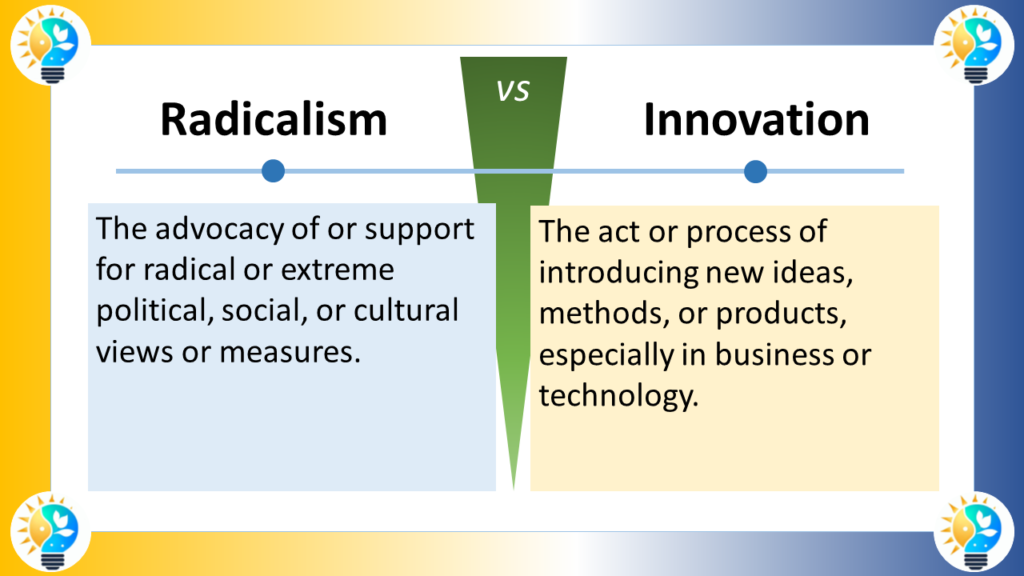
A tech radicalist challenges the status quo, pushing beyond incremental improvements to advocate for disruptive, paradigm-shifting innovations and philosophies. They question the foundational assumptions of dominant technological structures, whether they relate to centralized control, data privacy, algorithmic fairness, or the very economic models underpinning the digital world. Their objective is not just to build better tools, but to redefine the very purpose and ethical framework of technology, steering it towards what they perceive as a more just, open, secure, or empowering future. Understanding the tech radicalist is crucial for anyone keen on discerning the true drivers of innovation and the evolving ethical landscape of the digital age.
The Core Tenets of a Tech Radicalist
At the heart of tech radicalism lies a set of principles that guide their critique of existing systems and their vision for the future. These tenets often represent a departure from mainstream technological development, emphasizing values that might be overlooked by profit-driven corporations or traditional institutions.
Challenging the Centralized Status Quo
Perhaps the most defining characteristic of a tech radicalist is their skepticism towards centralized power structures within technology. They often view the consolidation of control in the hands of a few large corporations or governmental entities as inherently problematic, leading to issues of censorship, surveillance, data exploitation, and a lack of user agency. This radical perspective drives advocacy for decentralized alternatives across various technological domains. For instance, the push for Web3 and blockchain technologies is a prime example of radical decentralization, aiming to distribute control and ownership of digital assets and data away from single points of failure and towards peer-to-peer networks. Similarly, proponents of open-source software embody this tenet by rejecting proprietary control in favor of community-driven development and shared intellectual property, asserting that software should be a public good rather than a monopolized commodity.
Prioritizing Ethics and Societal Impact
Beyond merely building functional technology, tech radicalists are deeply concerned with the ethical implications and societal impact of innovation. They are often the first to raise alarms about potential harms, such as algorithmic bias, the erosion of privacy, the spread of misinformation, or the environmental footprint of large-scale computing. Their radical stance demands that ethical considerations be baked into the very design and deployment of technology, rather than being an afterthought. This includes advocating for responsible AI development that prioritizes fairness, transparency, and accountability; pushing for robust data privacy regulations that empower individuals; and demanding greater scrutiny of technologies that could exacerbate social inequalities or lead to widespread surveillance. For these radicalists, technology is not neutral, and its development must be guided by a strong moral compass that puts human well-being and societal health before profit or unchecked progress.
Advocating for Openness and Accessibility
Another fundamental principle for many tech radicalists is an unwavering commitment to openness and accessibility. They believe that technology’s true potential can only be unlocked when knowledge, tools, and platforms are universally available and free from artificial barriers. This translates into strong advocacy for open standards, open protocols, and open-source software, ensuring interoperability and preventing vendor lock-in. It also extends to digital accessibility for all, regardless of physical or cognitive abilities, ensuring that technological advancements do not create new forms of exclusion. This radical push for openness goes beyond mere technical specifications; it represents a philosophical belief in the democratization of technology, empowering individuals and smaller communities to innovate, customize, and control their digital environments without relying on the permission or proprietary frameworks of dominant players.
Manifestations Across Tech Domains
The principles of tech radicalism manifest in various forms across different technological sectors, driving significant movements and influencing the direction of future innovation.
Software Development & Open Source
The open-source movement is perhaps one of the most visible and successful examples of tech radicalism. Figures like Richard Stallman and Linus Torvalds, through their advocacy for free software and open-source operating systems like Linux, fundamentally challenged the proprietary software model that dominated the early computing era. Their radical vision was that software code should be openly accessible, modifiable, and distributable, fostering collaboration and innovation while ensuring user freedom. This movement has since grown into a massive ecosystem, powering much of the internet’s infrastructure, from web servers to mobile operating systems (Android, based on Linux). Open-source radicalists continue to push for the adoption of open standards and the rejection of closed systems, viewing them as antithetical to progress and digital liberty.
AI & Machine Learning Ethics
As artificial intelligence becomes increasingly ubiquitous, a new wave of tech radicalists has emerged in the field of AI ethics. These individuals and groups critically scrutinize the development and deployment of AI, often challenging the “move fast and break things” mentality that has characterized parts of the tech industry. They advocate for radical transparency in AI algorithms, demanding explainability and auditability to prevent bias, discrimination, and unintended consequences. They push for frameworks that prioritize fairness, accountability, and safety (FAS) in AI systems, sometimes even calling for moratoriums or strict regulations on certain AI applications. Their radical stance aims to ensure that AI serves humanity broadly, rather than being a tool for surveillance, manipulation, or the perpetuation of existing social inequalities.
Digital Security & Privacy

The realm of digital security and privacy has long been a hotbed for tech radicalism, with “cypherpunks” and privacy advocates pushing for extreme measures to protect individual liberties in the digital age. From the early days of strong encryption advocacy to the present-day development of privacy-enhancing technologies like end-to-end encrypted messaging and decentralized identity solutions, these radicalists believe that robust privacy is a fundamental human right. They often challenge governmental surveillance programs, corporate data harvesting practices, and the very architecture of the internet that facilitates pervasive tracking. Their work on secure communication protocols, anonymous browsing tools (like Tor), and self-sovereign identity aims to fundamentally re-architect digital interactions to prioritize individual autonomy and freedom from observation.
Decentralized Technologies
The rise of blockchain, cryptocurrencies, and Web3 represents a particularly potent form of tech radicalism. Proponents of these technologies envision a radical departure from the centralized internet we know today, dominated by tech giants. They advocate for a peer-to-peer internet where users have direct control over their data, digital assets, and online identities, without intermediaries. This vision extends to decentralized autonomous organizations (DAOs) which challenge traditional corporate structures, and decentralized finance (DeFi) which seeks to re-engineer financial systems to be more open, transparent, and accessible. These radicalists are building an alternative digital infrastructure from the ground up, based on principles of transparency, immutability, and distributed consensus, hoping to create a more equitable and resilient digital economy.
The Impact and Influence of Tech Radicalism
While often operating at the fringes initially, the ideas and technologies championed by tech radicalists frequently move into the mainstream, profoundly shaping the industry and society.
Driving Innovation and Disruption
Tech radicalists are often the harbingers of true innovation. By questioning fundamental assumptions and daring to build alternatives, they push the boundaries of what is considered possible. Many technologies now taken for granted, from personal computers to the internet itself, were once radical ideas championed by individuals and groups who challenged the prevailing norms. The open-source movement, initially a radical counter-culture, is now a cornerstone of enterprise software. Blockchain technology, once dismissed as niche, is now explored by global financial institutions. This continuous push from the radical edge prevents technological stagnation and ensures a dynamic landscape of new solutions and paradigms.
Shaping Policy and Industry Standards
The persistent advocacy of tech radicalists also plays a crucial role in shaping policy and influencing industry standards. Their early warnings about issues like data privacy and algorithmic bias have contributed to the development of regulations such as GDPR and ongoing discussions about AI governance. Their insistence on open standards has led to greater interoperability and competition. By highlighting vulnerabilities and ethical dilemmas, they force mainstream tech companies and policymakers to confront uncomfortable truths and integrate ethical considerations into their development processes, even if reluctantly. This influence can be seen in the increasing focus on “privacy-by-design” and “responsible AI” within large tech corporations.
Fostering Community and Collaboration
Tech radicalism often thrives on community and collaboration. Movements like open source, cypherpunks, and Web3 are built on shared ideals and collective effort. These communities provide spaces for like-minded individuals to connect, develop solutions, and advocate for their vision. They create alternative ecosystems of tools, protocols, and intellectual discourse that can eventually challenge or even replace dominant commercial offerings. This collaborative spirit, often driven by volunteers and decentralized contributions, demonstrates a powerful alternative model for technological advancement that prioritizes collective benefit over individual profit.
Navigating the Spectrum: From Visionary to Extremist
It is important to acknowledge that the spectrum of “radicalist” in technology, like in any field, encompasses a wide range of approaches and intentions.
The Fine Line
While many tech radicalists are visionary thinkers who propel positive change, there is a fine line between advocating for fundamental shifts and promoting destructive or harmful extremism. A constructive tech radicalist seeks to build alternative, better systems that empower individuals and serve society. An extremist might pursue their goals through illegal means, promote hate speech via technology, or advocate for changes that destabilize essential infrastructure without viable replacements, leading to chaos rather than improvement. The distinguishing factor often lies in the adherence to ethical boundaries, a commitment to constructive dialogue, and a focus on systemic improvement rather than mere destruction.

The Role of Critical Thinking
For users, policymakers, and developers alike, engaging with tech radicalism requires critical thinking. It means evaluating the underlying motivations, the proposed solutions, and the potential consequences of radical ideas. While dismissiveness can stifle innovation, uncritical acceptance can lead to unforeseen harms. Understanding the arguments of tech radicalists, even if one doesn’t fully agree, is essential for a comprehensive view of the technological landscape and for making informed decisions about the future of digital society. It means asking: Does this radical idea genuinely solve a problem? Does it create new, unforeseen problems? Who benefits, and who might be harmed?
In conclusion, a “radicalist” in the world of technology is far more than a contrarian; they are often the architects of our digital future, challenging established norms and pushing the boundaries of what technology can and should be. From the open-source pioneers to the Web3 visionaries and AI ethicists, tech radicalists consistently force us to re-evaluate our relationship with technology, advocating for systems that are more decentralized, ethical, open, and empowering. Their influence is undeniable, continuously driving innovation, shaping policy, and fostering communities dedicated to a transformed digital landscape. Understanding their perspectives is not just an academic exercise; it is crucial for navigating and participating in the ongoing evolution of technology itself.
aViewFromTheCave is a participant in the Amazon Services LLC Associates Program, an affiliate advertising program designed to provide a means for sites to earn advertising fees by advertising and linking to Amazon.com. Amazon, the Amazon logo, AmazonSupply, and the AmazonSupply logo are trademarks of Amazon.com, Inc. or its affiliates. As an Amazon Associate we earn affiliate commissions from qualifying purchases.