
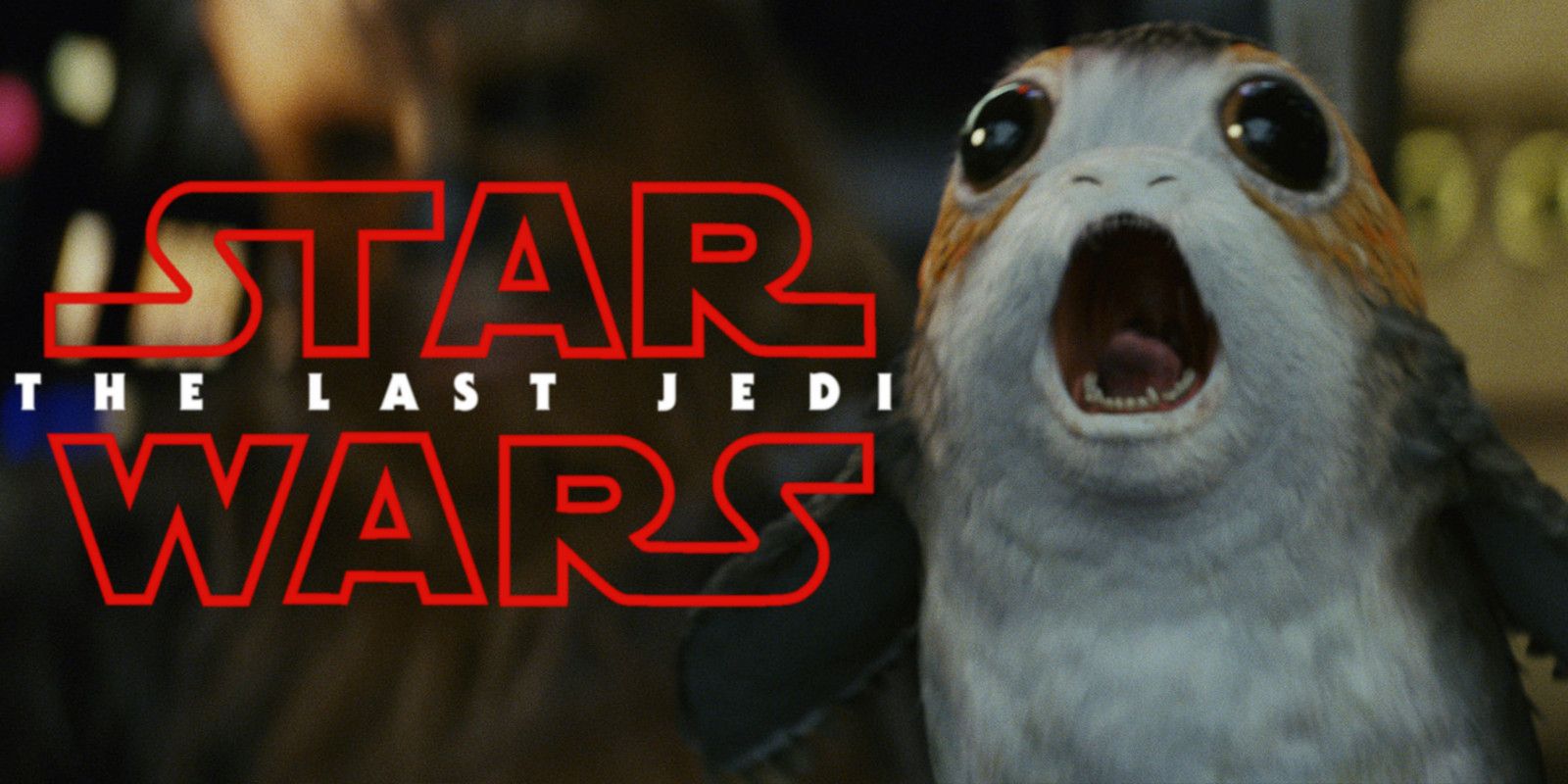
In the modern landscape of global franchises, the introduction of a new character is rarely a matter of mere storytelling. Instead, it is a calculated maneuver in brand expansion, consumer psychology, and multi-platform marketing. When Lucasfilm introduced the “Porg” in the 2017 film Star Wars: The Last Jedi, it provided a textbook example of how a brand can leverage design, necessity, and emotional resonance to dominate market share and solidify its corporate identity. To understand “what is a porg” is to understand the sophisticated intersection of creative direction and commercial strategy.
Engineering the “Cute”: The Strategic Design of the Porg Brand
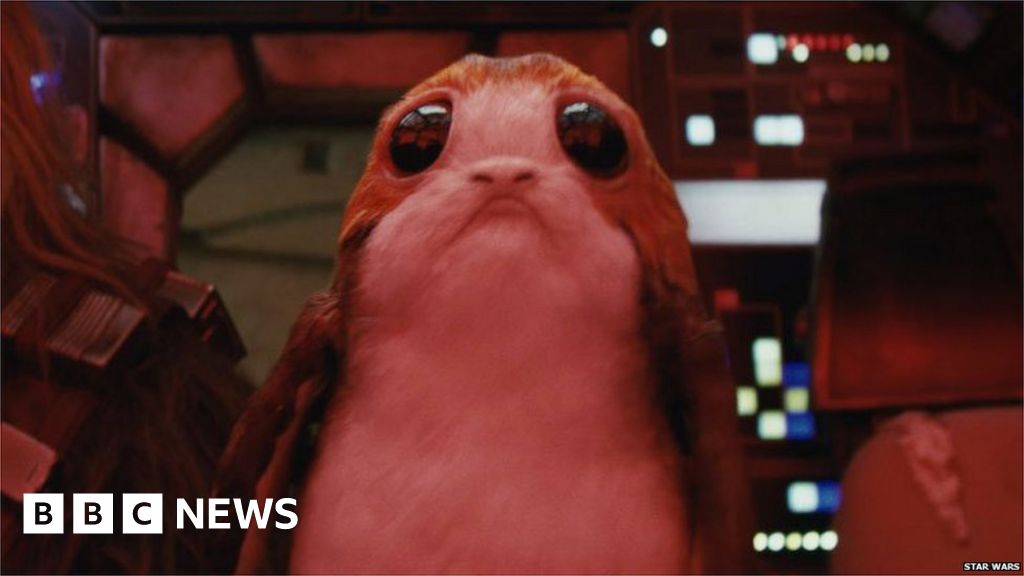
At its core, a Porg is a small, flat-faced, flightless sea bird native to the planet Ahch-To. However, from a brand strategy perspective, the Porg is a masterpiece of “kawaii” engineering—a Japanese concept referring to the culture of cuteness that has been adopted by global marketing powerhouses like Disney.
The Neoteny Factor: Why We Are Hardwired to Love Porgs
The design of the Porg was not accidental. Branding experts and character designers utilize a biological concept known as neoteny. By giving the Porg large, forward-facing eyes, a rounded body, and a lack of sharp edges, the designers triggered a “baby schema” response in the human brain. This psychological trigger induces feelings of nurturance and affection. In the world of brand strategy, creating an immediate, positive visceral reaction is the “holy grail” of consumer engagement. The Porg was designed to be liked before the audience even knew its name, ensuring a pre-built emotional connection that translates directly into brand loyalty.
Bridging the Gap Between Legacy Fans and New Audiences
Star Wars is a multi-generational brand. One of its primary challenges is maintaining the interest of “Legacy Fans” (who grew up with the original trilogy) while simultaneously capturing the “New Generation” (Gen Z and Alpha). The Porg serves as a bridge. While the film’s narrative handled the heavy, philosophical themes of the Jedi, the Porgs provided a “kawaii” entry point for younger viewers. By diversifying the “brand personality” of the film to include both grit and whimsy, Lucasfilm maximized its total addressable market (TAM).
Commercialization and the Merchandising Machine
A brand is only as strong as its ability to manifest in the physical world. The Porg was not just a cinematic extra; it was a high-yield asset designed for the retail ecosystem. The transition from a digital asset to a physical product was seamless because the character’s physical attributes were optimized for manufacturing.
From Big Screen to Retail Shelf: The “Buy-Me” Aesthetic
The Porg’s simple silhouette and distinct color palette (white, gray, and orange) made it an ideal candidate for mass production. Whether as a plush toy, a plastic figurine, or a print on a T-shirt, the Porg’s visual identity remains unmistakable even at a distance. This “visual shorthand” is essential in a crowded retail environment where a brand has only seconds to catch a consumer’s eye. Within months of their debut, Porg-related merchandise accounted for a significant percentage of Star Wars’ ancillary revenue, proving that a well-branded side character can often out-earn the protagonists in the toy aisle.
Diversifying the Product Ecosystem
The Porg brand did not stop at traditional toys. Its “brand elasticity” allowed it to enter diverse markets:
- High-End Collectibles: Detailed statues for the adult “kidult” market.
- Lifestyle Goods: Home decor, kitchenware, and apparel.
- Digital Assets: Emotes in video games and stickers on messaging platforms.
By diversifying the product lines, the Porg became a ubiquitous symbol of the franchise, ensuring that the brand remained “top-of-mind” for consumers long after they left the theater.
Emotional Resonance as a Corporate Asset

In branding, “authenticity” is a currency. While some critics initially viewed the Porg as a cynical “cash grab,” the story behind its creation added a layer of brand authenticity that resonated with the public.
Turning a Production Hurdle into a Marketing Win
The true origin of the Porg is a fascinating study in creative pivoting. The filming location for the planet Ahch-To was Skellig Michael, a remote island off the coast of Ireland that is a protected sanctuary for Atlantic puffins. Because the production could not legally remove or disturb the thousands of puffins on the island, they were faced with a choice: digitally remove them at an enormous cost, or integrate them into the story.
By choosing to “rebrand” the puffins as Porgs, Lucasfilm turned a logistical nightmare into a marketing triumph. This narrative—the “happy accident”—was shared widely in behind-the-scenes features, giving the Porg a “soul” and a backstory that felt organic rather than manufactured. For a brand, being seen as “innovative and resourceful” is far more valuable than being seen as “corporate and calculating.”
Social Media Virality and User-Generated Content (UGC)
The Porg was built for the age of the meme. Its wide-eyed expression of shock became an instant digital shorthand for surprise, fear, or excitement. When a brand creates a character that can be easily repurposed into User-Generated Content (UGC), it gains millions of dollars in free “earned media.” Every time a user posted a Porg GIF, they were essentially acting as a micro-ambassador for the Star Wars brand. This organic proliferation is more effective than any paid advertising campaign because it carries the social proof of the user’s endorsement.
Lessons for Modern Brand Managers
The Porg is more than just a fictional bird; it is a blueprint for how modern corporations should approach IP (Intellectual Property) management. There are two vital lessons that any brand manager can take from the Porg phenomenon.
Consistency Across Touchpoints
The Porg looked the same, sounded the same, and “acted” the same across every medium—from the film to the Star Wars: Tales from the Galaxy’s Edge VR experience, to the comic books. This consistency is the bedrock of brand trust. If the “voice” of the Porg had varied between platforms, the brand would have felt fractured. Instead, Lucasfilm maintained a rigorous style guide that ensured the Porg remained a coherent and reliable brand asset across the entire Disney ecosystem.
Balancing Novelty with Brand Heritage
The Porg succeeded because it felt like it belonged in the Star Wars universe, yet it offered something entirely new. It utilized the “MAYA” principle (Most Advanced Yet Acceptable). It was “advanced” in its cuteness and modern design but “acceptable” because it fit the established aesthetic of the franchise’s weird and wonderful creature shop. Successful brand extension requires this delicate balance: you must innovate enough to capture attention, but remain familiar enough to retain your core audience’s trust.
The Lasting Legacy of the Porg
In conclusion, a Porg is not merely a creature from a movie; it is a sophisticated instrument of brand strategy. It represents the pinnacle of how a corporation can use psychology, manufacturing, and digital culture to turn a logistical necessity into a multi-million dollar asset.
Through the Porg, Disney demonstrated that a brand’s strength lies in its smallest details. By focusing on emotional design and market integration, they created a character that transcended the screen to become a permanent fixture in the global cultural lexicon. For businesses looking to expand their own brands, the lesson is clear: identify your “puffins”—the obstacles in your path—and find a way to rebrand them into something the world can’t help but love. The Porg is proof that with the right strategy, even a flightless bird can help a brand soar to new heights.
aViewFromTheCave is a participant in the Amazon Services LLC Associates Program, an affiliate advertising program designed to provide a means for sites to earn advertising fees by advertising and linking to Amazon.com. Amazon, the Amazon logo, AmazonSupply, and the AmazonSupply logo are trademarks of Amazon.com, Inc. or its affiliates. As an Amazon Associate we earn affiliate commissions from qualifying purchases.