
The paddle boat, often perceived through the lens of leisure and childhood nostalgia, represents a unique intersection of mechanical engineering, hydrodynamic design, and, increasingly, sophisticated green technology. In its most fundamental form, a paddle boat is a watercraft propelled by the rotation of a paddle wheel, traditionally powered by human muscular effort via pedals. However, as we move deeper into the 21st century, the definition of the paddle boat is undergoing a radical transformation. What was once a simple mechanical device is now a showcase for advanced materials science, IoT integration, and high-efficiency electric drivetrains.
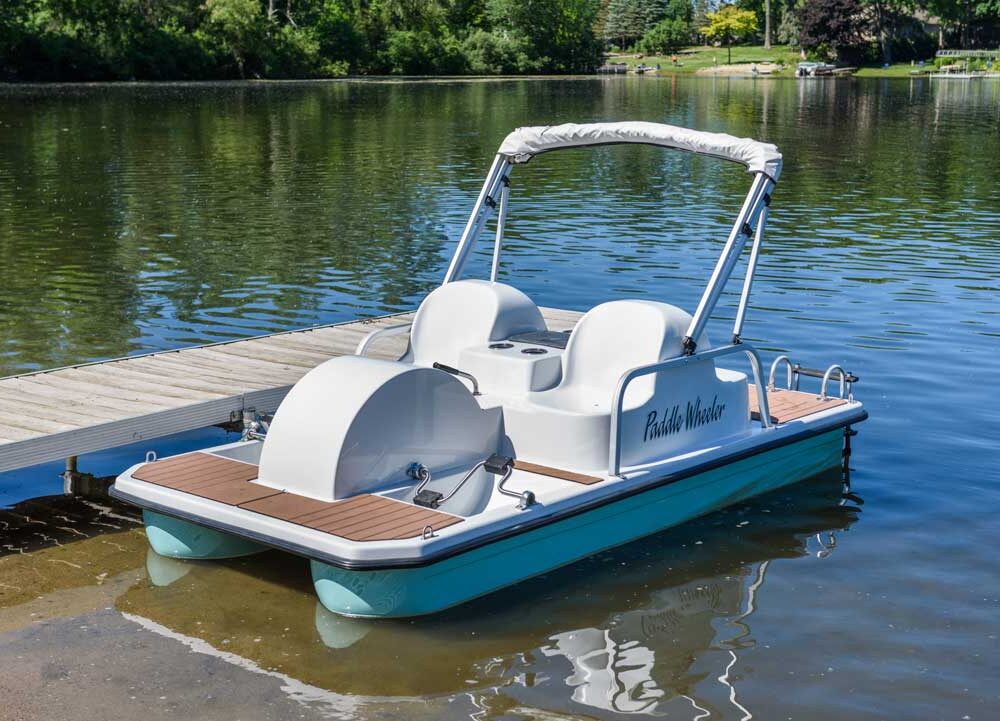
Understanding what a paddle boat is today requires looking beyond the fiberglass shell. It requires an exploration of how modern technology has optimized human-powered propulsion and how the shift toward sustainable energy is redefining recreational marine transport.
The Mechanics of Propulsion: Engineering Human-Powered Efficiency
At the heart of every paddle boat lies a drive system designed to convert rotational energy into forward thrust. While the concept seems rudimentary, the engineering behind modern iterations involves complex calculations regarding torque, resistance, and mechanical advantage.
The Physics of the Paddle Wheel and Crankset
The core technology of a paddle boat is the paddle wheel. Modern engineers utilize Computer-Aided Design (CAD) to optimize the angle and surface area of each blade. The goal is to maximize the “bite” into the water while minimizing the “lift” energy wasted as the blade exits the water.
Modern high-end paddle boats utilize precision-engineered cranksets and drive shafts. By implementing variable gear ratios—similar to those found in high-performance mountain bikes—manufacturers allow users to maintain optimal cadence regardless of wind resistance or water currents. These systems often use stainless steel or marine-grade aluminum components to prevent corrosion, ensuring that the mechanical efficiency does not degrade over time in harsh aquatic environments.
Material Science and Hydrodynamic Hull Design
The “Tech” of a paddle boat extends to the hull itself. Traditional designs relied on heavy wood or basic molded plastic. Today, the industry has shifted toward high-density polyethylene (HDPE) with UV-stabilized coatings and vacuum-formed thermoplastics.
Engineering a “catamaran” style hull—two separate buoyant tubes—is the standard for modern paddle boats because it minimizes the wetted surface area, thereby reducing drag. Using computational fluid dynamics (CFD) simulations, designers can predict how water will flow around the hulls, allowing for the creation of sharper entries and smoother exits. This technical precision ensures that the maximum amount of human (or electric) energy is converted into kinetic motion.
The Digital Transformation: IoT and Smart Fleet Management
As the “sharing economy” and digital transformation reach the waterfront, the paddle boat has become a connected device. For commercial operators and tech-savvy enthusiasts, the integration of hardware and software has changed how these vessels are operated and maintained.
Fleet Management Systems and Geofencing
For large-scale recreational hubs, paddle boats are now equipped with IoT (Internet of Things) modules. These devices track the real-time location of each vessel via GPS. The technical utility of this is twofold: safety and logistics.
Geofencing software allows operators to set digital boundaries. If a paddle boat drifts too far into a shipping lane or a dangerous current, a central dashboard alerts the operator, and in some advanced models, an onboard speaker or haptic feedback system alerts the passengers. This integration of software-as-a-service (SaaS) into the maritime leisure industry has turned simple boats into smart assets that provide valuable data on usage patterns and peak operational hours.
Digital Maintenance Diagnostics and Sensors
Modern premium paddle boats are incorporating sensors that monitor structural integrity and mechanical wear. For example, sensors embedded in the pedal assembly can track revolutions per minute (RPM) and torque load.
By analyzing this data via cloud-based platforms, maintenance teams can practice “predictive maintenance.” Instead of waiting for a drive shaft to fail, the software identifies patterns of mechanical stress or increased friction, prompting a service check-in before a breakdown occurs. This level of technical oversight was previously reserved for industrial shipping but is now filtering down to the recreational paddle boat sector.

Sustainable Innovation: The Shift to Solar and Electric Propulsion
The most significant technological leap in the world of paddle boats is the transition from purely human-powered craft to hybrid and fully electric systems. As the maritime industry faces pressure to reduce carbon emissions, the paddle boat has become a testing ground for small-scale sustainable propulsion.
Photovoltaic Integration and Solar-Electric Hybrids
The modern “E-Paddle Boat” often features integrated solar panels. These are not merely decorative; they use high-efficiency monocrystalline silicon cells to trickle-charge onboard lithium-iron-phosphate (LiFePO4) batteries.
The tech challenge here involves balancing weight and power. Engineers must design lightweight canopies that can support the solar array without raising the center of gravity to a point that threatens the vessel’s stability. These hybrid systems allow users to pedal when they want the exercise but switch to an electric motor for “pedal-assist” or full cruising mode, effectively turning the paddle boat into a water-borne equivalent of the e-bike.
High-Efficiency Brushless DC Motors
To move water efficiently with limited battery power, modern paddle boats utilize Brushless DC (BLDC) motors. Unlike traditional brushed motors, BLDCs offer higher torque-to-weight ratios and much longer lifespans because they lack the physical brushes that wear out over time.
Control systems for these motors use Pulse Width Modulation (PWM) to manage power delivery precisely. This allows the user to experience smooth acceleration and ensures that the battery is not drained by sudden surges in power demand. The integration of these motors requires sophisticated thermal management systems to dissipate heat within the enclosed hull environments, representing a significant leap in recreational marine engineering.
Future Horizons: Hydrofoils and Autonomous Navigation
The future of the paddle boat lies in the adoption of technologies currently being perfected in the high-stakes worlds of competitive sailing and autonomous vehicles.
Hydrofoil Technology in Human-Powered Craft
Perhaps the most exciting technical development is the application of hydrofoil tech to paddle boats. A hydrofoil is a wing-like structure that extends below the hull. As the boat gains speed—either through vigorous pedaling or electric assistance—the foils generate lift, raising the hull out of the water.
Technically, this reduces drag by up to 80%, allowing a paddle boat to reach speeds that were previously impossible for human-powered craft. Designing these foils requires aerospace-grade carbon fiber and a deep understanding of fluid dynamics. While still in the early adoption phase, foiling paddle boats represent the pinnacle of current recreational marine tech, combining speed, efficiency, and advanced materials.
The Path to Semi-Autonomous Paddle Boats
While it may seem futuristic, the tech for semi-autonomous paddle boats is already being prototyped. Utilizing LiDAR and ultrasonic sensors, these boats can offer “collision avoidance” features, which are particularly useful in crowded lagoons or rental areas.
In the future, we may see paddle boats capable of “Return to Base” functions, where the boat uses a simplified version of the autopilot systems found in Tesla vehicles or high-end drones to navigate back to a docking station when the rental period ends or battery levels are low. This involves complex edge computing, where the boat’s onboard processor must make real-time decisions based on sensor input and environmental variables like wind speed and water current.
Conclusion: The New Definition of a Classic Vessel
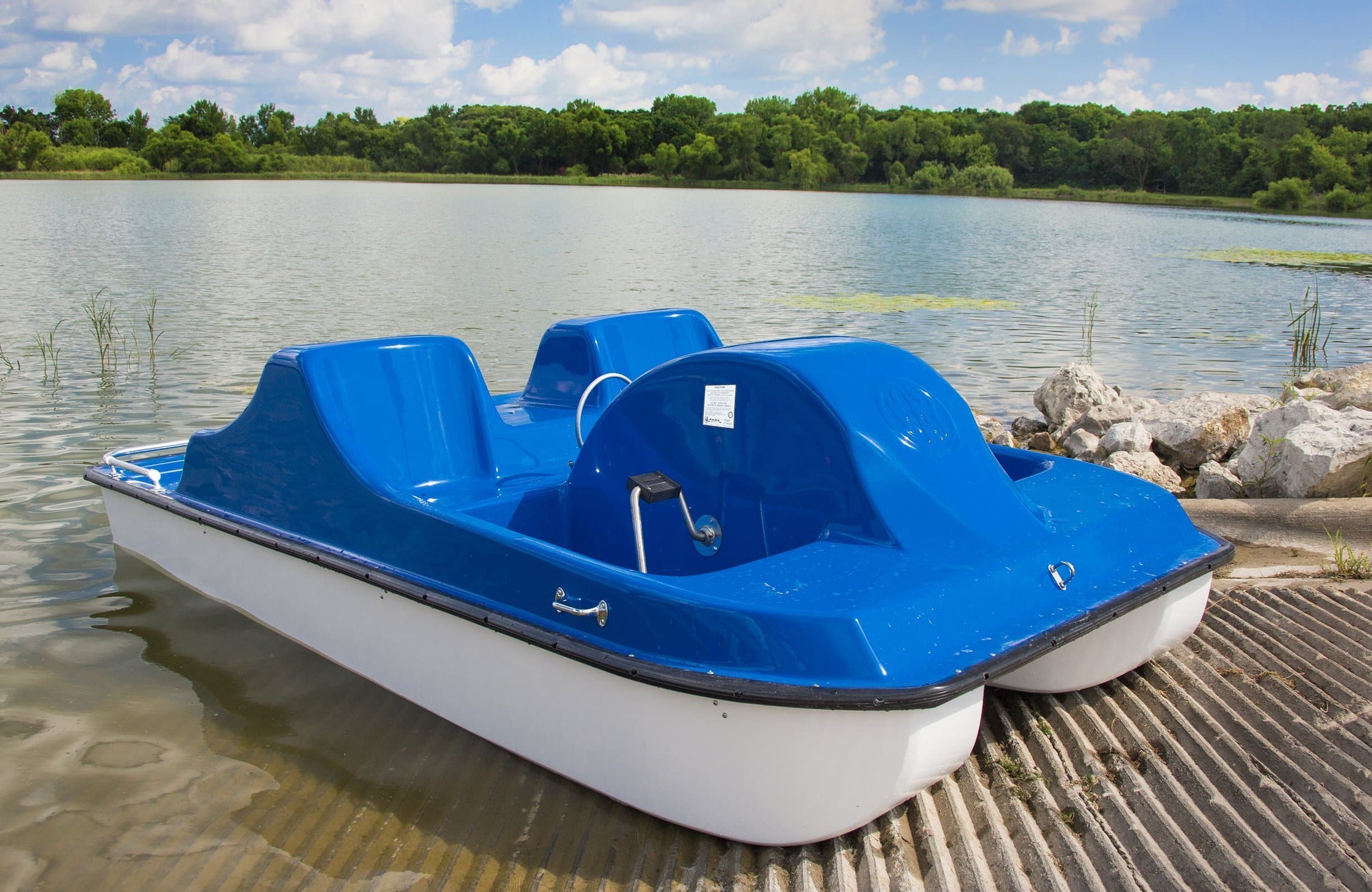
So, what is a paddle boat? In the modern context, it is far more than a simple plastic vessel with a set of pedals. It is a sophisticated piece of marine technology that leverages the latest in materials science, digital connectivity, and green energy.
From the CAD-optimized geometry of its paddle wheel to the IoT-enabled sensors that track its movements, the paddle boat has evolved. It now serves as a prime example of how traditional mechanical concepts can be revitalized through the application of modern technology. As we continue to prioritize sustainability and digital integration, the paddle boat will likely remain at the forefront of the “smart” and “green” maritime revolution, proving that even the most basic human-powered tools can be transformed by the power of innovation.
aViewFromTheCave is a participant in the Amazon Services LLC Associates Program, an affiliate advertising program designed to provide a means for sites to earn advertising fees by advertising and linking to Amazon.com. Amazon, the Amazon logo, AmazonSupply, and the AmazonSupply logo are trademarks of Amazon.com, Inc. or its affiliates. As an Amazon Associate we earn affiliate commissions from qualifying purchases.