
In the world of economics and finance, the term “monopoly” is a household name. We recognize it as a situation where a single seller dominates the market, often leading to higher prices and reduced choices for consumers. However, there is a less discussed but equally potent force that shapes our financial landscape: the monopsony. While a monopoly describes a market with only one seller, a monopsony describes a market with only one buyer.
A monopsonist is an entity that possesses significant market power as the sole or primary purchaser of a good or service. This imbalance of power allows the buyer to dictate terms, suppress prices, and influence the entire supply chain. In today’s complex financial environment—ranging from global labor markets to specialized tech manufacturing—understanding the role of the monopsonist is crucial for investors, business owners, and employees alike.

The Mechanics of Monopsony: How One Buyer Controls the Market
To understand a monopsony, one must first look at the traditional laws of supply and demand. In a competitive market, many buyers compete for the goods offered by many sellers. The price reaches an equilibrium where the quantity supplied equals the quantity demanded. However, when a monopsonist enters the fray, the equilibrium is disrupted.
The Power to Set Prices
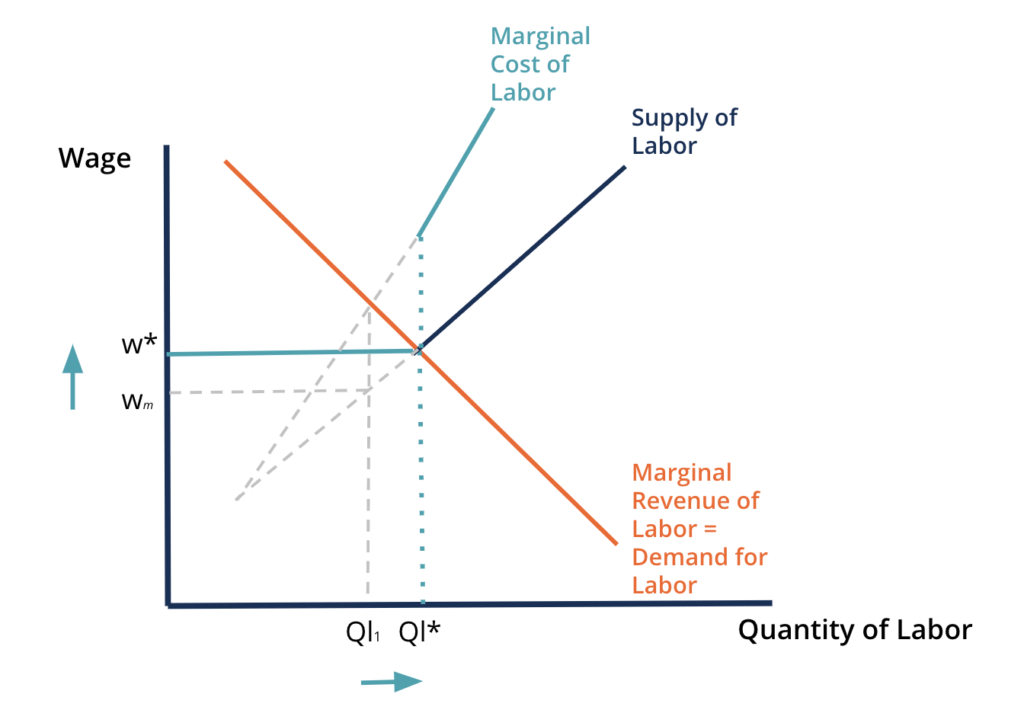
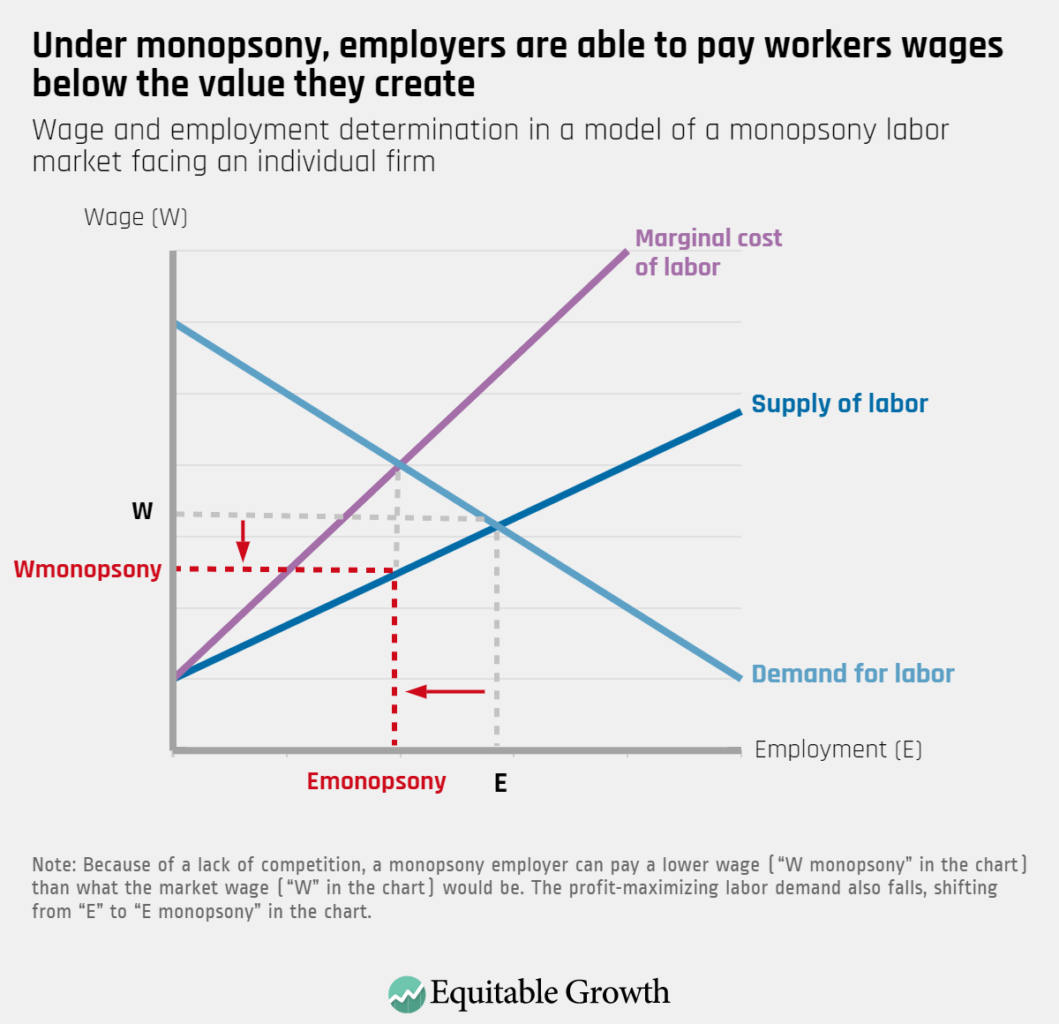
Unlike a “price-taker” in a competitive market, a monopsonist is a “price-maker.” Because sellers have no other viable outlets for their products or services, they are forced to accept the price dictated by the lone buyer. If the buyer decides to lower the purchase price, the seller must either comply or exit the market entirely. This often leads to a phenomenon where the price of goods is pushed below their actual value, allowing the monopsonist to capture a larger share of the economic surplus.
Supply Chain Dominance and “Oligopsony”
While a pure monopsony (one buyer) is rare, “oligopsonies” (a few large buyers) are incredibly common. In these scenarios, a handful of giant corporations exercise monopsony-like power over thousands of smaller suppliers. For instance, in the agricultural sector, a few massive food processing companies may be the only buyers for thousands of independent farmers. This concentration of buying power gives the lead firms immense leverage over the financial health of the entire industry, dictating everything from quality standards to payment terms.
Monopsony in the Labor Market: The Impact on Wages and Wealth
Perhaps the most significant application of monopsony theory in modern finance is within the labor market. In this context, the “good” being sold is human labor, and the “buyer” is the employer. When a single company is the dominant employer in a specific region or industry, it acts as a labor monopsonist.
Depressed Wages and the “Company Town”
The classic historical example of labor monopsony is the “company town,” where a single mining or textile firm was the only employer for hundreds of miles. In such cases, the firm could keep wages artificially low because workers had no alternative employment options. Even in the modern era, this persists in specialized fields. If you are a highly specialized aerospace engineer and there is only one major firm hiring for your specific skillset, that firm holds monopsony power over your career trajectory and earning potential.
The Role of Non-Compete Clauses and Market Friction
Monopsony power is often reinforced by market frictions that prevent workers from moving easily between jobs. Non-compete agreements, the cost of relocation, and the loss of employer-tied health insurance all serve to “lock” employees into their current roles. From a financial perspective, this reduces the “elasticity” of labor supply. When workers cannot easily leave, the employer does not need to raise wages to retain them, directly contributing to stagnating median incomes despite rising corporate productivity.
Monopsony in Corporate Finance: Examples from Retail and Government
In business finance, identifying monopsony power is essential for analyzing a company’s cost structure and profit margins. A firm that can suppress its input costs through buying power often enjoys superior “moats” and long-term profitability.
The Retail Giant Effect
Major global retailers like Walmart or Amazon are often cited as modern examples of monopsonistic behavior. Because of their sheer scale, they can demand deep discounts from manufacturers. A small toy company or electronics brand may find that 50% or more of its total sales go through a single platform. If that platform demands a lower wholesale price, the manufacturer has little choice but to concede. While this can lead to lower prices for consumers, it also squeezes the profit margins of the suppliers, often forcing them to cut their own costs or innovate at an unsustainable pace.
Government as the Sole Purchaser
In certain sectors, the state is the ultimate monopsonist. The most prominent example is the defense industry. In the United States, the Department of Defense is the only buyer for stealth bombers or nuclear submarines. This creates a unique financial relationship where the “buyer” dictates the specifications and the “seller” (defense contractors) operates on cost-plus contracts. Similarly, in countries with single-payer healthcare systems, the government is the monopsonist buyer of pharmaceuticals and medical services, giving it the power to negotiate drug prices far lower than those found in fragmented, multi-buyer markets.
Investing Implications: Spotting Monopsonists in Your Portfolio
From an investment standpoint, monopsony power is a double-edged sword. For an equity researcher, a company with significant buying power is often a highly attractive target, but it also carries unique systemic risks.
High Profit Margins and Market Moats
Companies that act as monopsonists often exhibit high gross margins because their Cost of Goods Sold (COGS) is kept artificially low. By squeezing suppliers, these firms can maintain high levels of free cash flow, which can then be used for dividends, share buybacks, or further R&D. When evaluating a stock, looking at “Accounts Payable” and the “Cash Conversion Cycle” can reveal how much leverage a company has over its suppliers. If a company can take 90 or 120 days to pay its vendors while demanding the lowest prices, it is exercising significant monopsony power.
Regulatory Risks and Anti-Trust Scrutiny
The primary risk for investors in monopsonistic companies is regulatory intervention. Just as anti-trust laws are used to break up monopolies to protect consumers, they are increasingly being considered to protect suppliers and workers from monopsonists. Recent shifts in legal philosophy (such as the “New Brandeis Movement”) suggest that regulators may start looking more closely at how tech giants and retail behemoths treat their vendors and labor force. An investor must weigh the benefits of a company’s market dominance against the potential for massive fines or forced structural changes.
The Future of Market Power: Mitigating Monopsony
As wealth inequality and market concentration become central themes in global finance, the conversation around mitigating monopsony power is gaining momentum. For the economy to function efficiently, the “Money” must circulate, rather than being bottlenecked at the top of the supply chain.
Collective Bargaining and Labor Unions
One of the most effective historical counterweights to labor monopsony is collective bargaining. When workers organize into unions, they effectively create a “monopoly” on labor to counter the “monopsony” of the employer. This creates a “bilateral monopoly,” where two powerful entities negotiate a fairer distribution of profits. For investors, the rise of labor movements in the service and tech sectors is a signal that the era of uncontested labor monopsony may be reaching a turning point, potentially leading to higher labor costs and normalized profit margins.
Diversification of Supply Chains
For small business owners and manufacturers, the primary defense against a monopsonist is diversification. Relying on a single giant buyer is a high-risk strategy. In the modern “Side Hustle” and “Direct-to-Consumer” (DTC) economy, many sellers are moving away from traditional retail monopsonists to sell directly to their audience via social media and independent web platforms. This shift decentralizes buying power, allowing sellers to recapture the value that was previously lost to the middleman buyer.
Final Thoughts
The concept of the monopsonist is a vital piece of the economic puzzle. Whether it is a tech giant squeezing app developers, a retail titan pressuring manufacturers, or a local hospital dominating the nursing labor market, the effects of a single buyer are felt throughout the financial system. By recognizing the signs of monopsony—depressed wages, squeezed supplier margins, and extreme market concentration—investors and professionals can better navigate the risks and opportunities of the 21st-century economy. In the world of money, it isn’t just about who is selling; it’s increasingly about who has the power to buy.
aViewFromTheCave is a participant in the Amazon Services LLC Associates Program, an affiliate advertising program designed to provide a means for sites to earn advertising fees by advertising and linking to Amazon.com. Amazon, the Amazon logo, AmazonSupply, and the AmazonSupply logo are trademarks of Amazon.com, Inc. or its affiliates. As an Amazon Associate we earn affiliate commissions from qualifying purchases.