
In the modern corporate landscape, the role of Human Resources has evolved from a purely administrative function into a critical driver of fiscal success. At the heart of this transformation is the HR Partner—specifically known as the Human Resources Business Partner (HRBP). While traditional HR roles focus on the “people” aspect in isolation, an HR Partner bridges the gap between workforce management and the organization’s financial objectives. They act as strategic consultants to executive leadership, ensuring that every decision made regarding human capital is an investment aimed at increasing the company’s bottom line, operational efficiency, and long-term profitability.

Understanding what an HR Partner is requires looking through the lens of business finance. They are not merely policy enforcers; they are architects of organizational value who ensure that the most expensive line item on a company’s balance sheet—labor—is optimized to generate the highest possible return on investment (ROI).
The Financial Value of Strategic HR Partnerships
To understand the HR Partner’s role in a business finance context, one must view employees as assets rather than expenses. An HR Partner is responsible for maximizing the utility of these assets. When a company experiences high turnover or poor engagement, it isn’t just a cultural issue; it is a financial drain.
Mitigating Turnover and Replacement Costs
One of the most significant financial impacts an HR Partner has is in the realm of retention. The cost of replacing an employee can range from 50% to 200% of their annual salary when accounting for recruitment fees, onboarding time, and lost productivity. An HR Partner analyzes turnover data to identify trends and implements retention strategies that protect the company’s capital. By reducing the churn rate, the HR Partner directly preserves the company’s operating budget, allowing funds to be redirected toward growth and innovation rather than repetitive hiring cycles.
Optimizing Labor Budgeting and Allocation
Budgeting for human capital is one of the most complex tasks for any CFO. An HR Partner works alongside finance departments to ensure that labor costs are aligned with revenue projections. This involves “Right-Sizing”—ensuring the company has the correct number of employees with the necessary skills to meet financial targets without overextending the payroll. Through workforce analytics, the HR Partner can predict when a department needs to scale up or down, preventing the financial strain of sudden mass layoffs or desperate, high-cost emergency hiring.
The HR Partner as a Business Architect for Profitability
In the niche of business finance and online income, scalability is the ultimate goal. An HR Partner functions as a business architect, designing structures that allow a company to grow without losing its financial footing. They ensure that the organizational design supports the company’s strategic financial goals.
Aligning Human Capital with Revenue Goals
Every hire should be linked to a specific revenue-generating activity or a cost-saving measure. An HR Partner coaches managers to look at their teams through a fiscal lens. For example, if a tech company wants to increase its recurring revenue by 20%, the HR Partner identifies the talent gaps in the sales and engineering teams that are currently hindering that goal. They facilitate the acquisition of “A-Players” who can deliver high output, thereby increasing the revenue-per-employee metric—a key indicator of a company’s financial health.
Scalability and Strategic Workforce Planning
For businesses looking to scale—whether they are startups or established corporations—the HR Partner provides a roadmap for sustainable growth. They look at the long-term financial forecast and determine what the workforce needs to look like in two to five years. This includes succession planning for key leadership roles. Without a strategic HR Partner, a company may face a “leadership vacuum” that can lead to stock price drops, investor uncertainty, and internal instability. By securing the future leadership pipeline, the HR Partner stabilizes the company’s long-term market value.

Risk Management and Compliance: Protecting the Bottom Line
From a financial perspective, legal liabilities are “silent killers” of profitability. An HR Partner serves as the first line of defense against financial risks associated with employment law, workplace safety, and compliance.
Avoiding Costly Legal Penalties and Litigations
Employment-related lawsuits—ranging from wrongful termination to wage and hour disputes—can cost organizations millions of dollars in settlements and legal fees. An HR Partner ensures that the company remains compliant with local, state, and federal regulations. By standardizing equitable pay structures and maintaining meticulous records, they mitigate the risk of audits and lawsuits. In this capacity, the HR Partner acts as a risk manager, shielding the company’s assets from avoidable legal erosion.
Data-Driven Decision Making for Fiscal Health
Modern HR Partners leverage data analytics to drive business decisions. They track Key Performance Indicators (KPIs) such as the Human Capital ROI Ratio and Labor Cost Revenue Ratio. By presenting these metrics to the board of directors or the CEO, the HR Partner provides a clear financial picture of how the workforce is performing. This data-driven approach removes the guesswork from management, ensuring that investments in training, benefits, and compensation are backed by a solid financial rationale.
Enhancing Operational Efficiency Through Performance Finance
Efficiency is the cornerstone of a profitable business. An HR Partner focuses on performance management systems that translate individual effort into corporate profit. They help move the organization away from “busy work” and toward “impact work.”
Evaluating the ROI of Training and Development
Professional development is often viewed as a “nice-to-have” expense, but a strategic HR Partner views it as a capital investment. By identifying specific skill gaps that lead to operational bottlenecks, the HR Partner can implement targeted training programs. The financial success of these programs is measured by the increase in output or the reduction in errors post-training. If a $50,000 training program leads to a $500,000 increase in efficiency, the HR Partner has successfully managed a high-yield investment for the firm.
Performance-Linked Compensation Structures
To drive income, a business must incentivize the right behaviors. An HR Partner designs compensation and bonus structures that are directly linked to the company’s financial milestones. This ensures that the interests of the employees are aligned with the interests of the shareholders. By creating “pay-for-performance” models, the HR Partner ensures that the company’s payroll increases only when its profitability does, creating a self-sustaining cycle of financial growth.
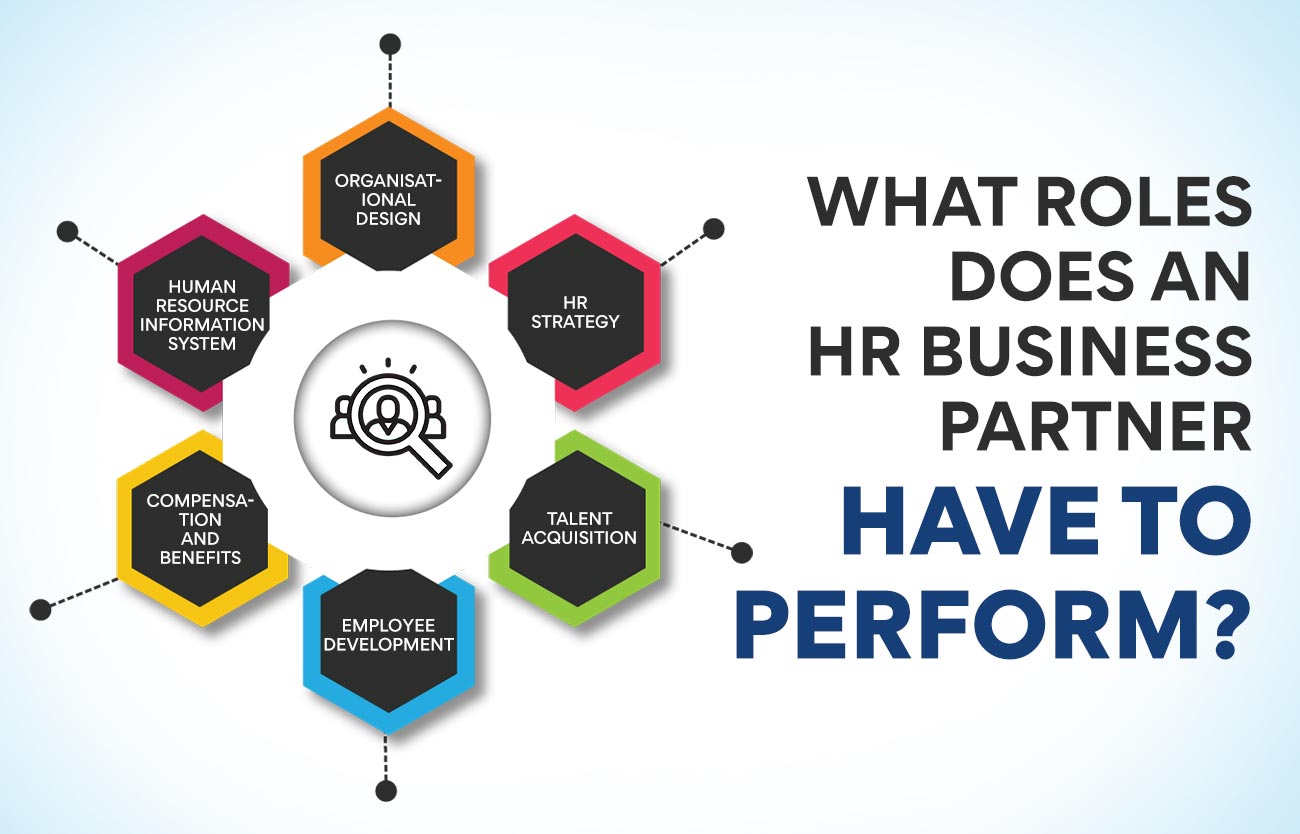
Conclusion: The HR Partner as a Financial Asset
The question of “what is a HR partner” is best answered by looking at the intersection of people and profit. They are the strategic navigators who ensure that the organization’s human capital is leveraged to achieve maximum financial success. In a world where talent is the primary differentiator between a thriving company and a failing one, the HR Partner provides the expertise needed to manage that talent with fiscal discipline.
By focusing on ROI, risk mitigation, scalability, and operational efficiency, the HR Partner moves beyond the traditional HR silo and takes a seat at the executive table. For any business owner or investor, understanding the role of the HR Partner is essential because it represents the difference between a workforce that is a financial liability and a workforce that is a powerful engine for wealth creation. Ultimately, the HR Partner is a vital guardian of a company’s financial future, ensuring that every person hired and every dollar spent on the workforce contributes to the long-term prosperity of the brand.
aViewFromTheCave is a participant in the Amazon Services LLC Associates Program, an affiliate advertising program designed to provide a means for sites to earn advertising fees by advertising and linking to Amazon.com. Amazon, the Amazon logo, AmazonSupply, and the AmazonSupply logo are trademarks of Amazon.com, Inc. or its affiliates. As an Amazon Associate we earn affiliate commissions from qualifying purchases.