
In the world of high finance and personal wealth management, the term “meat and potatoes” has long served as shorthand for a fundamental, reliable investment strategy. However, as markets become increasingly complex and saturated with speculative noise, savvy investors are looking for something more refined. They are looking for the “steak”—the high-quality, high-yield, and high-integrity assets that form the centerpiece of a robust financial portfolio.
To the uninitiated, a steak is just a piece of protein. To a connoisseur, it is a complex intersection of grade, cut, aging, and preparation. Similarly, in the realm of “Money,” a good investment is not merely a ticker symbol or a trending asset class; it is a calculated selection based on fundamental strength, historical performance, and future scalability. Understanding what constitutes a “good steak” in financial terms is the difference between achieving long-term wealth and falling victim to the “sizzle” of market hype.
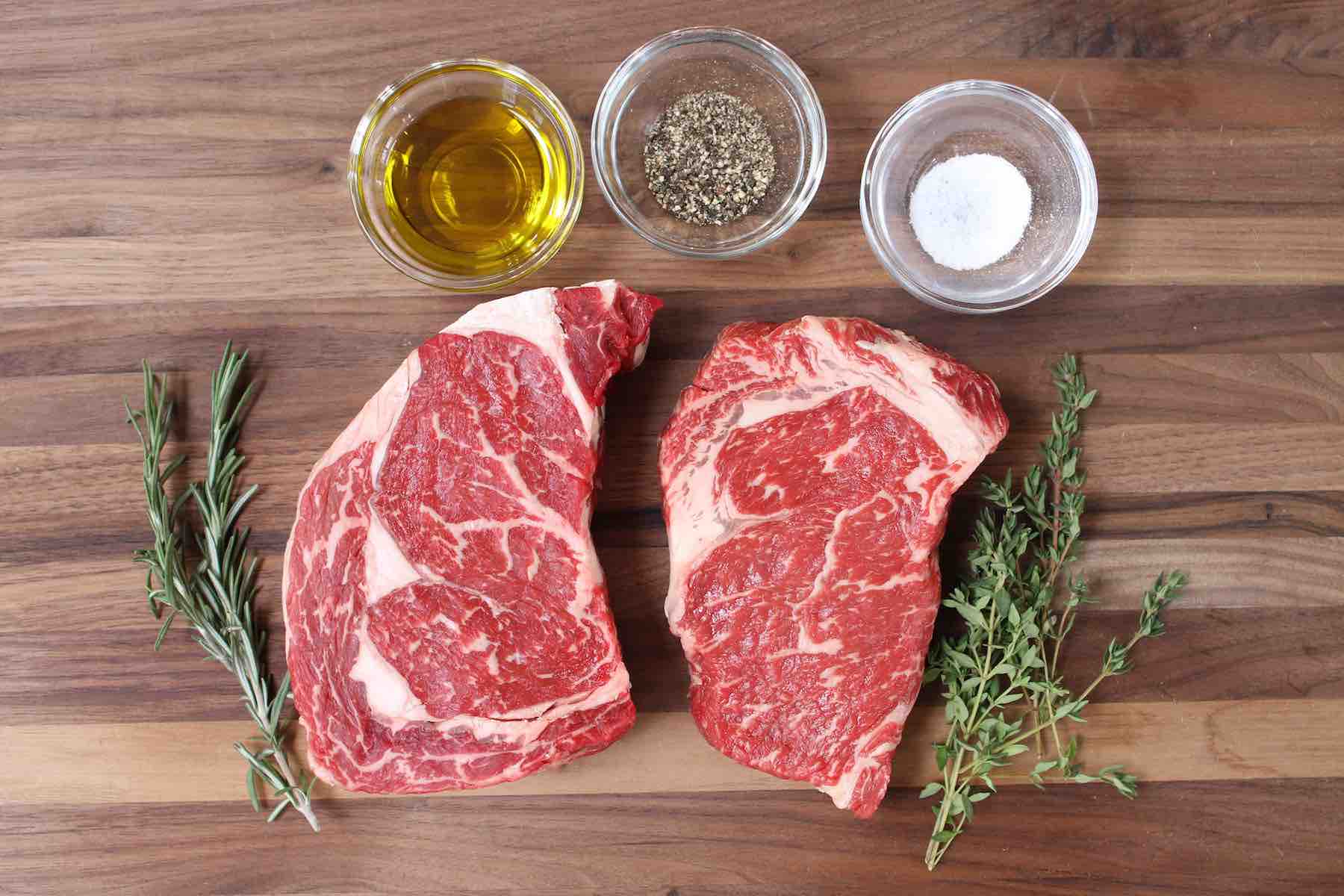
The Grade of the Asset: Fundamental Analysis as the Financial Marbling
In the culinary world, the quality of a steak is often determined by its marbling—the intramuscular fat that provides flavor and tenderness. In finance, this “marbling” is equivalent to a company’s fundamental health. A prime asset is one where the internal metrics are rich, consistent, and well-distributed throughout the organization’s history.
Earnings Quality and Revenue Stability
When evaluating a potential investment, the first metric to examine is the quality of earnings. Just as a USDA Prime steak is distinguished by its fat distribution, a “Prime” investment is distinguished by its cash flow. Investors must look beyond top-line revenue and examine whether the profits are derived from core business operations or accounting gimmicks.
A “good steak” investment demonstrates consistent revenue growth over a five-to-ten-year period. It avoids the “gristle” of one-time windfalls or unsustainable debt-fueled expansion. High-quality earnings are those that are repeatable, scalable, and resistant to minor economic fluctuations.
The Debt-to-Equity Ratio: Checking for Lean Growth
While some leverage is necessary for growth, an over-leveraged company is like a poorly trimmed cut of meat—mostly waste and high risk. A good investment maintains a healthy balance between debt and equity. In a high-interest-rate environment, the “leanness” of a company’s balance sheet becomes its greatest competitive advantage.
Investors should prioritize companies with a low debt-to-equity ratio or those with a clear, aggressive path to deleveraging. This financial discipline ensures that when the market “heat” rises, the asset doesn’t shrink or dry up, but rather retains its value and continues to provide “juicy” returns for the stakeholders.
Sourcing Your Portfolio: Understanding Market Origins and Sectors
The origin of a product often dictates its premium. Just as a Japanese Wagyu or an Argentine grass-fed ribeye commands a higher price due to its provenance, certain sectors and asset classes carry an inherent “heritage” of stability and growth. Sourcing your portfolio correctly means knowing which “pastures” yield the most reliable returns.
Blue-Chip Stocks: The Wagyu of the Stock Market
Blue-chip stocks are the gold standard of an equity portfolio. These are large-cap, industry-leading companies with a reputation for quality, reliability, and the ability to operate profitably in good times and bad. Like a rare Wagyu steak, these assets are often expensive, but their “melt-in-your-mouth” consistency justifies the premium.
Investing in blue chips provides a level of psychological and financial security. These companies often possess “moats”—competitive advantages such as brand recognition, patent protection, or massive economies of scale—that protect them from competitors. When the economy enters a “lean” period, these are the assets that remain on the menu of every institutional investor.
Dividend Aristocrats: Consistent Yields over Flashy Growth
For the income-focused investor, a “good steak” is one that keeps on giving. Dividend Aristocrats—companies that have not only paid but increased their dividends for at least 25 consecutive years—represent the pinnacle of financial maturity.
These assets are the “slow-cooked” portions of a portfolio. They may not offer the explosive, overnight growth of a tech startup (the “fast food” of investing), but they provide a steady, reliable stream of income. In a volatile market, the “juice” provided by consistent dividends can often offset capital depreciation, keeping the investor’s total return palatable even during a downturn.
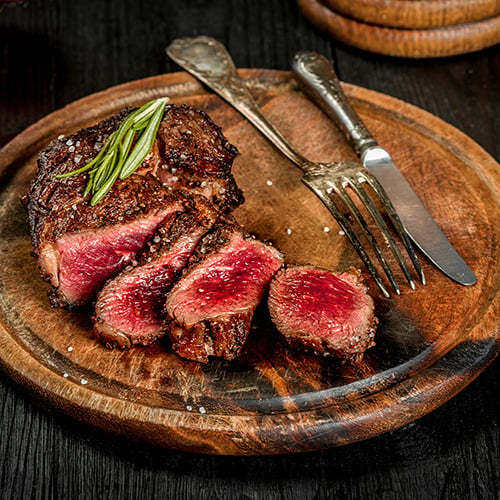
Preparation and Patience: The Role of Long-Term Compounding
A prime cut of meat can be ruined by poor preparation. In the financial world, the “chef” is the investor, and the “cooking method” is their strategy. Even the best asset will fail to perform if it is subjected to the “high heat” of emotional trading or the “undercooking” of insufficient time horizons.
The Cost of Over-Cooking: Avoiding High-Frequency Trading Traps
One of the most common mistakes in wealth management is over-handling the portfolio. High-frequency trading, emotional “panic-selling,” and constant tweaking of allocations are the financial equivalents of over-cooking a steak until it becomes tough and inedible.
Every time an investor trades, they incur costs: commissions, spreads, and, most significantly, capital gains taxes. A “good steak” investment strategy relies on the principle of “low and slow.” By allowing assets to mature over years rather than days, the investor benefits from the full flavor of compounding interest, which Albert Einstein famously called the eighth wonder of the world.
Maturation: Why Time in the Market Beats Timing the Market
Just as high-end steaks are dry-aged to enhance their flavor and texture, financial assets require time to reach their full potential. The concept of “time in the market” is the ultimate seasoning for a portfolio.
Attempting to “time the market”—guessing when to buy low and sell high—is a recipe for disaster. Data consistently shows that missing just a few of the market’s best days can drastically reduce long-term returns. A “good steak” investor picks quality assets and has the stomach to let them sit, even when the market “kitchen” gets uncomfortably hot.
The Sizzle vs. The Substance: Avoiding Speculative Bubbles
In marketing, there is an old adage: “Sell the sizzle, not the steak.” The “sizzle” is the noise, the hype, and the excitement surrounding an asset. In finance, the sizzle represents speculative bubbles, “meme stocks,” and unproven crypto-assets. While the sizzle might attract attention, it provides no nutritional value to a portfolio.
Identifying the “Hype Premium”
A “good steak” is defined by its substance—its actual value. A speculative asset is defined by its price action. When the price of an asset is driven entirely by social media sentiment or “Fear Of Missing Out” (FOMO), it has become all sizzle and no meat.
Professional investors look for a “margin of safety.” This is the gap between the intrinsic value of an asset (the steak) and its market price. If you are paying for the sizzle, you are overpaying. To protect your capital, you must be able to peer through the smoke of market euphoria and determine if there is a real, cash-generating business underneath the hype.
Diversification: Balancing the Plate
No matter how good a steak is, a balanced meal requires variety. In financial terms, this is diversification. Relying on a single “prime” asset—no matter how strong it seems—exposes the investor to “concentration risk.”
A well-constructed portfolio should include a variety of “sides”: bonds for stability, real estate for inflation protection, and perhaps a small portion of “spices” (high-growth venture capital or emerging markets). Diversification ensures that if one part of the “meal” underperforms, the overall dining experience—the investor’s net worth—remains intact.

Conclusion: Developing a Palate for Quality
What is a good steak? It is an asset that has been vetted for quality, sourced from a reliable origin, prepared with patience, and chosen for its substance rather than its hype. In the world of money, there are no shortcuts to a “prime” portfolio. It requires a disciplined appetite and a refusal to settle for “fast-food” returns.
By focusing on fundamental analysis, long-term compounding, and the avoidance of speculative noise, investors can move beyond the basics of personal finance and begin to build true, generational wealth. The market will always offer plenty of “sizzle,” but the successful investor knows that the real value—the real “good steak”—lies in the quality of the meat.
aViewFromTheCave is a participant in the Amazon Services LLC Associates Program, an affiliate advertising program designed to provide a means for sites to earn advertising fees by advertising and linking to Amazon.com. Amazon, the Amazon logo, AmazonSupply, and the AmazonSupply logo are trademarks of Amazon.com, Inc. or its affiliates. As an Amazon Associate we earn affiliate commissions from qualifying purchases.