
In the contemporary landscape of global commerce, few products have successfully navigated the transition from a localized niche to a worldwide brand phenomenon as seamlessly as the flat white. While a casual observer might view it merely as a beverage—espresso combined with microfoam—to the brand strategist, the flat white represents a sophisticated case study in market positioning, sensory branding, and the power of cultural capital.
To understand “what is a flat white” is to understand the mechanisms of the “Third Wave” coffee movement and how a specific product can become a shorthand for premium quality, urban sophistication, and a curated lifestyle. This article explores the flat white not through the lens of a barista, but through the framework of brand strategy and corporate identity.
1. The Power of Provenance: Establishing the Flat White Brand Identity
Every iconic brand requires an origin story that resonates with authenticity. The flat white’s journey from the coastal cafes of Australia and New Zealand to the high streets of London and New York is a foundational element of its brand equity.
The Myth of Origin and Brand Authenticity
In branding, “provenance” serves as a proxy for quality. The ongoing debate between Australia and New Zealand regarding the “true” birthplace of the flat white has, paradoxically, strengthened the brand. By being associated with the Antipodean coffee culture—widely regarded as the most advanced in the world—the flat white carries an inherent “seal of approval.” When a consumer orders a flat white, they are not just buying a drink; they are buying into the sophisticated, laid-back, yet perfectionist ethos of Melbourne or Wellington cafe culture.
Differentiation through Technical Precision
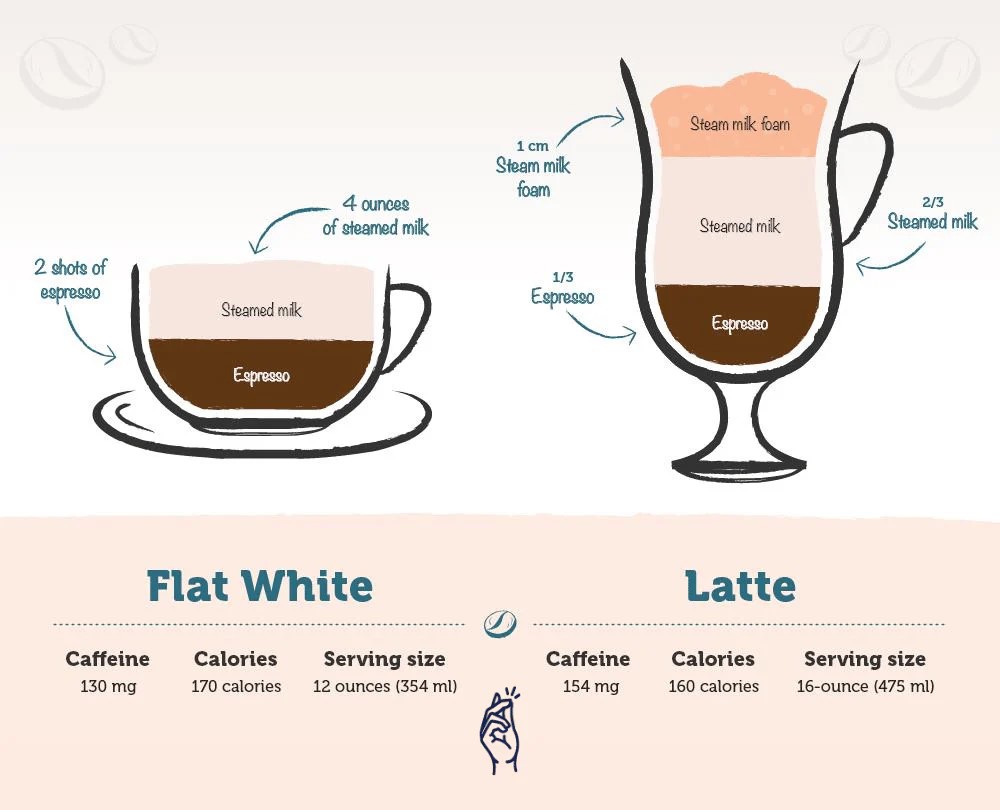
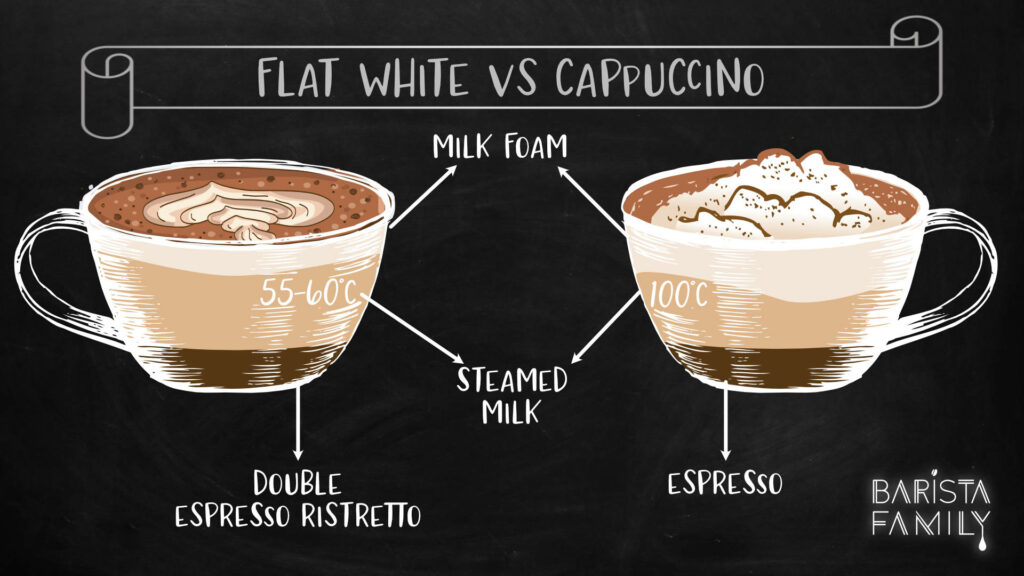
From a brand strategy perspective, the flat white was positioned as the “connoisseur’s choice,” sitting strategically between the overly milky latte and the foam-heavy cappuccino. Its identity is built on the concept of “microfoam”—a silky, velvety texture that requires higher technical skill to produce. This technical barrier to entry allowed independent cafes to use the flat white as a brand differentiator, signaling to customers that their baristas possessed a level of craftsmanship that mass-market competitors lacked.
The Semantics of “Flat” and “White”
The name itself is a triumph of minimalist branding. “Flat” suggests a lack of the dated, stiff froth of the 1990s, while “White” denotes the integration of milk. It is a literal, no-nonsense name that aligns with the modern consumer’s preference for transparency and simplicity. In a world of “Venti” and “Frappuccinos,” the flat white stands out as an understated, authentic alternative.
2. Competitive Positioning: The Third Wave Movement vs. Global Franchises
The flat white served as the primary weapon for independent “Third Wave” coffee brands to disrupt the dominance of global giants like Starbucks and Costa Coffee.
Challenging the Status Quo
In the early 2010s, independent specialty brands used the flat white to highlight the perceived “industrial” nature of traditional chains. By focusing on a smaller, 5oz to 6oz serving size, these brands emphasized the flavor of the espresso over the volume of the milk. This was a classic “less is more” branding play. It forced the consumer to reconsider their value proposition: was value found in the size of the cup, or the quality of the extraction?
The “Starbucks Factor” and Brand Dilution
One of the most interesting chapters in the flat white’s brand history is its eventual adoption by mass-market chains. In 2015, when Starbucks added the flat white to its permanent menu in the United States, it was a clear defensive move to reclaim market share from the specialty sector.
However, this posed a significant brand risk. For the specialty sector, the flat white represented “purity.” For Starbucks, it represented “premiumization.” This tension illustrates a common phenomenon in brand strategy: once a niche “insider” product reaches mass-market saturation, its brand meaning shifts from “exclusive discovery” to “accessible luxury.”
Re-establishing the High-End Tier
As the flat white became a staple of fast-food breakfast menus and gas stations, high-end boutique brands had to evolve. They did this by doubling down on the “Brand of One” concept—focusing on single-origin beans and specific milk-to-coffee ratios that the automated machines of large chains could not replicate. This created a two-tier brand ecosystem: the “commodity flat white” and the “craft flat white.”
3. The Visual Identity and the “Aesthetic” Economy
In the digital age, a brand is often judged by its visual shareability. The flat white is perhaps the most “Instagrammable” product in the beverage industry, and this is no accident of design.
Latte Art as a Visual Trademark
The surface of a flat white serves as a canvas for latte art. Whether it is a rosetta, a heart, or a tulip, the visual contrast between the dark crema and the white microfoam acts as a powerful visual trademark. For a cafe, a well-executed flat white is a piece of free marketing; customers photograph the drink and share it on social media, effectively becoming brand ambassadors. The “aesthetic” of the flat white—clean, minimalist, and precise—perfectly mirrors the broader design trends of the 2010s and 2020s.
The Psychology of the Glass vs. The Ceramic Cup
Brand experience is multisensory. Traditionally, flat whites are served in smaller ceramic cups or specific glassware that feels “weighty” and significant in the hand. This tactile branding reinforces the premium nature of the product. The choice of vessel communicates the brand’s identity: a minimalist white ceramic cup signals a “Scandinavian/Modern” brand, while a rugged, hand-thrown clay cup signals an “Artisanal/Organic” brand.
Minimalism and the “Clean” Brand Narrative
The flat white’s visual identity is intrinsically linked to the “clean eating” and “minimalist” movements. It lacks the syrups, sprinkles, and whipped cream of more indulgent drinks. This allows brands to market the flat white as a “pure” product, appealing to the health-conscious and the design-literate consumer who values substance over spectacle.
4. Brand Loyalty and the Psychology of the “In-Crowd”
At its core, branding is about belonging. The flat white has successfully built a “community of practice” among its adherents.
The Language of the Connoisseur
Ordering a flat white has historically functioned as a “shibboleth”—a custom or tradition that distinguishes a particular group of people. In the early days of its global expansion, knowing what a flat white was signaled that the consumer was “in the know” about global coffee trends. This created a powerful sense of brand loyalty; consumers weren’t just loyal to a specific shop, but to the concept of the flat white as a marker of their own cultural literacy.
Personal Branding and the Coffee Choice
For the modern professional, the choice of coffee is an extension of their personal brand. Carrying a flat white suggests a person who is efficient (it is a smaller, quicker drink than a latte), discerning (they value the quality of the foam), and contemporary. Brands that specialize in flat whites are not just selling caffeine; they are providing the tools for individuals to construct their own public-facing identities.
Consistency as a Brand Promise
The challenge for any global brand is consistency. The “Flat White” name carries a promise of a specific sensory experience: a strong coffee hit with a smooth, velvety finish. When a brand fails to deliver this—perhaps by serving a drink that is too large or too frothy—it suffers a “brand promise” failure. This is why many specialty brands invest heavily in barista training; the barista is not just a service worker, but a brand guardian responsible for the integrity of the product’s identity.
5. Lessons for Modern Marketers: Scalability and Authenticity
The story of the flat white offers several vital lessons for anyone involved in brand strategy, marketing, or corporate identity.
Authenticity Cannot Be Faked, But It Can Be Exported
The flat white succeeded because it was rooted in a genuine culture. However, its global success shows that an authentic local product can be exported if its core values (quality, simplicity, craft) remain intact. Marketers looking to scale a boutique brand must identify the “DNA” of the product—in this case, the microfoam and the ratio—and ensure those elements remain consistent across new markets.
The Lifecycle of a Trend Brand
The flat white has moved through the standard brand lifecycle: from Innovator (independent Aus/NZ cafes) to Early Adopter (London/NYC specialty shops) to Early Majority (Starbucks/Mainstream) and finally to Late Majority (Global ubiquity). To survive the “Late Majority” stage without losing its premium status, a brand must continually innovate. We see this today with the rise of the “Oat Flat White,” where brands are merging the flat white’s established identity with the growing plant-based market.

Integrating the Product into a Broader Lifestyle Brand
The most successful coffee brands today don’t just sell flat whites; they sell a “Flat White Lifestyle.” This includes the interior design of the space (industrial chic, mid-century modern), the music played, the magazines on the table (Monocle, Kinfolk), and even the brand’s stance on sustainability and ethical sourcing. The flat white is the “hero product” that brings the customer into a holistic brand ecosystem.
In conclusion, a flat white is far more than a ratio of espresso to milk. It is a sophisticated branding tool that has redefined the global coffee industry. By balancing the tension between artisanal roots and mass-market appeal, the flat white has become a permanent fixture in the global brand lexicon—a symbol of how quality, aesthetics, and community can converge into a single, 6oz cup.
aViewFromTheCave is a participant in the Amazon Services LLC Associates Program, an affiliate advertising program designed to provide a means for sites to earn advertising fees by advertising and linking to Amazon.com. Amazon, the Amazon logo, AmazonSupply, and the AmazonSupply logo are trademarks of Amazon.com, Inc. or its affiliates. As an Amazon Associate we earn affiliate commissions from qualifying purchases.