
The Essence of a Brand Theme: More Than Just a Slogan
A brand theme serves as the foundational, overarching idea or message that underpins a brand’s entire identity, communication, and experience. It is the unifying concept that permeates every aspect of how a brand presents itself to the world and interacts with its audience. Unlike a slogan, which is a concise phrase designed for memorability, or a mission statement, which outlines a company’s purpose, a theme is a deeper, more pervasive current. It is the emotional resonance, the philosophical stance, or the core benefit that the brand consistently seeks to evoke or deliver.
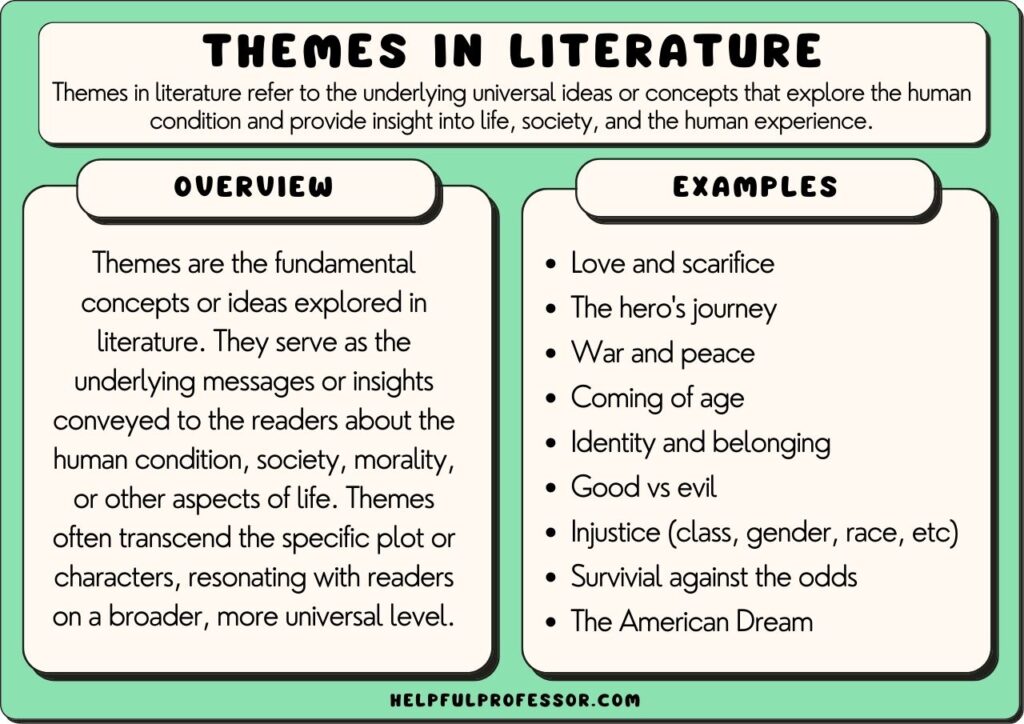
For instance, while a slogan might be “The ultimate driving machine,” the underlying theme could be “precision engineering and exhilarating performance.” Or, a slogan might be “Open happiness,” but the theme is “joy, togetherness, and simple pleasures.” A compelling brand theme is crucial for several reasons:
- Differentiation: In a crowded marketplace, a strong theme helps a brand stand out by offering a unique perspective or emotional connection that competitors may not replicate.
- Emotional Connection: Themes often tap into universal human desires, aspirations, or values, allowing consumers to form a deeper, more personal bond with the brand.
- Memorability: Brands built around a clear, compelling theme are easier for consumers to recall and associate with specific feelings or benefits.
- Consistency: A well-defined theme acts as a guiding principle for all brand activities—from product development and marketing campaigns to customer service and internal culture—ensuring a cohesive and harmonious brand experience.
Ultimately, a brand theme is the soul of the brand, dictating its personality, guiding its narrative, and shaping its perception in the minds of its target audience.
Unpacking Different Types of Brand Themes
Brand themes can manifest in various forms, each serving to articulate the brand’s core identity through different lenses. Understanding these types allows for a more nuanced approach to developing and applying a theme.
Narrative Themes
Narrative themes leverage storytelling to create a rich, engaging backdrop for the brand. These themes often involve archetypes, myths, or journeys that resonate with human experiences. They can focus on heritage, transformation, adventure, or discovery. A brand using a narrative theme might tell stories of its origins, the challenges it has overcome, or the future it envisions, positioning itself as a hero, a guide, or an innovator in its customers’ lives. This approach builds a deeper emotional connection by inviting the audience into an ongoing story rather than just presenting a product or service.
Value-Driven Themes
Value-driven themes center around core principles, ethics, or societal contributions that the brand upholds. These can include themes of sustainability, innovation, community, trust, authenticity, luxury, or empowerment. Brands with strong value-driven themes often attract customers who share those values, fostering a sense of shared purpose and loyalty. For example, a brand built on a theme of sustainability doesn’t just offer eco-friendly products; it embodies environmental responsibility in its operations, supply chain, and corporate culture, communicating this commitment consistently.
Experiential Themes
Experiential themes focus on the feeling or outcome a customer gains from interacting with the brand. This could be a theme of simplicity, convenience, excitement, peace of mind, or sophistication. These themes emphasize the sensory and emotional journey of the customer. For instance, a brand whose theme is convenience designs every touchpoint—from its product to its purchasing process and customer support—to maximize ease and minimize effort for the consumer. The brand experience itself becomes the primary expression of its theme.
Aesthetic and Identity Themes
While often intertwined with the other types, an aesthetic or identity theme defines the overarching visual and auditory language of a brand. This might manifest as a theme of minimalism, rustic charm, futuristic design, or vibrant energy. It’s not merely about choosing colors or fonts, but about selecting an aesthetic that profoundly communicates the brand’s personality, values, and narrative. The aesthetic choices are deliberate expressions of the deeper brand theme, ensuring that every visual element, from logo to website to packaging, speaks a consistent language that reinforces the core message.
Crafting Your Brand’s Central Theme: A Strategic Approach
Developing a powerful brand theme requires introspection, market understanding, and a systematic approach. It’s not a creative exercise in isolation but a strategic imperative that aligns with business objectives.
Deep Dive into Brand Identity
Begin by exploring the brand’s intrinsic identity. What are its founding principles? What unique problem does it solve? What is its unique selling proposition? What personality traits does it embody? Consider the brand’s heritage, its strengths, and its aspirations. This internal audit helps uncover authentic elements that can form the bedrock of a compelling theme. The theme must feel genuine and reflective of who the brand truly is, not merely a marketing construct.
Comprehensive Audience Understanding
A powerful theme resonates deeply with the target audience. Therefore, understanding their demographics, psychographics, needs, desires, pain points, and aspirations is paramount. What values do they cherish? What emotional benefits do they seek? What stories do they relate to? By empathizing with the audience, brands can tailor themes that speak directly to their hearts and minds, forging a connection beyond mere transactional relationships. Market research, customer surveys, and persona development are invaluable tools in this phase.
Competitive Landscape Analysis
Analyze the themes already owned or heavily used by competitors. Differentiation is key. If a competitor has successfully established itself around a theme of “innovation,” a new brand might seek a theme of “simplicity” or “reliability” to carve out its own distinct space. Identifying gaps in the market and opportunities to offer a fresh perspective or an underserved emotional benefit can lead to a truly unique and impactful theme.
Brainstorming, Articulation, and Prototyping
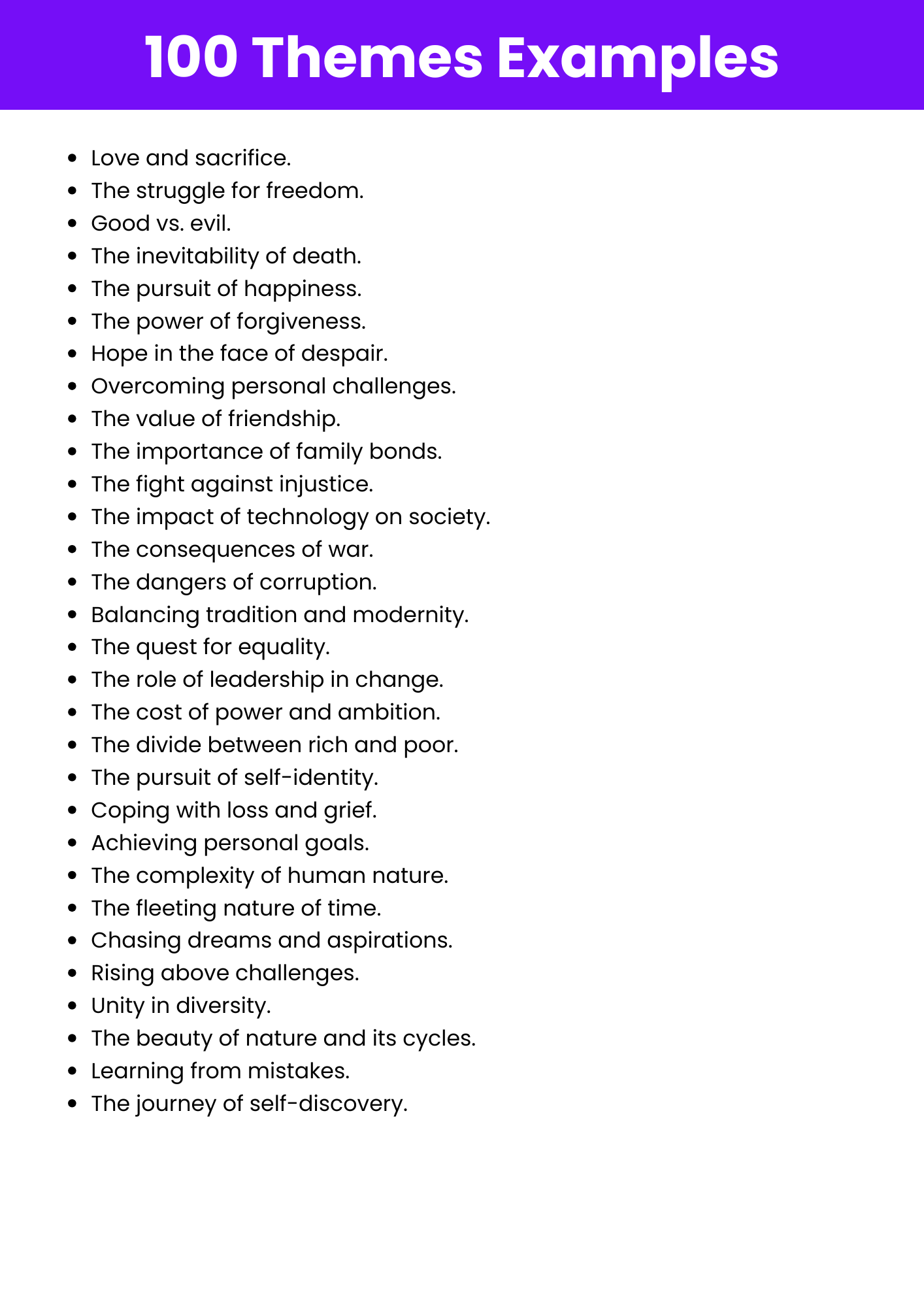
With insights from identity, audience, and competition, begin brainstorming potential themes. Use keywords, mood boards, concept mapping, and storytelling exercises. Focus on core ideas and emotions. Articulate these potential themes in clear, concise language, exploring how each might translate into various brand touchpoints—from messaging and visuals to product features and customer interactions. Create rough prototypes or mock-ups to visualize how different themes would manifest.
Testing and Refinement
Once a few strong theme candidates emerge, test them. This doesn’t necessarily mean large-scale market testing, but rather an internal review by key stakeholders and perhaps small focus groups representing the target audience. Does the theme resonate? Is it clear? Is it distinctive? Does it align with the brand’s truth? Gather feedback, refine the language, and ensure the chosen theme is robust enough to guide all future brand endeavors.
Illustrative Examples: Themes in Action
To truly grasp the power of a brand theme, examining real-world examples can provide invaluable insights. These brands have successfully embedded a core idea into their entire existence.
Nike: The Theme of Empowerment and Athletic Achievement
Nike’s famous slogan, “Just Do It,” is more than just a call to action; it encapsulates the brand’s profound theme of empowerment, pushing boundaries, and achieving personal greatness through sport. Nike doesn’t just sell athletic wear; it sells inspiration, the spirit of victory, and the belief in human potential. Every advertisement, every product innovation, and every athlete partnership reinforces this theme, connecting with consumers on an aspirational level, urging them to overcome limits and embrace their inner athlete. The brand champions the idea that everyone has an athlete within them, waiting to be unleashed.
Apple: The Theme of Innovation, Simplicity, and User Empowerment
Apple’s brand theme revolves around elegant innovation, intuitive simplicity, and empowering creativity through technology. From the clean lines of its product design to its minimalist marketing, every element speaks to a desire to make complex technology accessible and beautiful. Their “Think Different” campaign encapsulated this theme, appealing to those who saw themselves as creative, non-conformist, and forward-thinking. Apple doesn’t just sell devices; it sells a seamless experience, a lifestyle, and a tool for self-expression, fostering a community of users who value design, performance, and ease of use.
Volvo: The Theme of Safety and Reliability
For decades, Volvo has consistently cultivated a brand theme centered on safety and reliability. This theme is not merely a marketing message; it is deeply ingrained in their engineering philosophy, their design principles, and their brand heritage. Every innovation, from the three-point seatbelt to advanced collision avoidance systems, reinforces this unwavering commitment. Volvo vehicles are designed to protect, giving drivers and passengers peace of mind. This consistent focus has built immense trust and positioned Volvo as the definitive leader in automotive safety, attracting customers who prioritize security above all else.
Patagonia: The Theme of Environmental Stewardship and Durability
Patagonia’s brand theme is profoundly rooted in environmental activism, sustainability, and producing durable, high-quality outdoor gear built to last. They don’t just sell jackets and backpacks; they advocate for planet preservation, responsible consumption, and active engagement with nature. Their marketing often highlights environmental causes, encourages repair over replacement, and emphasizes the longevity of their products. This theme resonates strongly with consumers who are environmentally conscious and seek brands that align with their values, establishing Patagonia as a leader in ethical business practices and outdoor adventure.
Coca-Cola: The Theme of Happiness, Sharing, and Refreshment
Coca-Cola’s enduring brand theme is universal happiness, togetherness, and simple, joyful refreshment. Through iconic advertising campaigns, global sponsorships, and consistent messaging, Coca-Cola has positioned its beverage as a symbol of shared moments, celebrations, and life’s pleasantries. The brand aims to evoke positive emotions and connect people, making it more than just a drink but a facilitator of good times and social connection. This theme taps into fundamental human desires for joy and belonging, transcending cultural boundaries.
Sustaining Your Brand’s Thematic Resonance
Developing a potent brand theme is only half the battle; the true challenge lies in consistently upholding and evolving it over time. A theme’s power stems from its perpetual presence and adaptability.
Consistency Across All Touchpoints
For a theme to be truly impactful, it must be consistently reflected across every single touchpoint where the brand interacts with its audience. This includes marketing communications (advertising, social media, PR), product design and features, packaging, customer service interactions, retail environments, website and digital experiences, and even internal corporate culture. Inconsistency dilutes the theme’s power and can confuse the audience, eroding trust and brand equity. Every brand decision should be vetted against the central theme: “Does this action reinforce our core message?”
Adaptability Versus Dilution
While consistency is vital, a brand theme must also possess a degree of adaptability. The world changes, audiences evolve, and market dynamics shift. A rigid theme risks becoming outdated or irrelevant. The key is to adapt the expression of the theme without diluting its core essence. For instance, a theme of “innovation” can manifest differently over decades, from pioneering new technologies to reimagining user experiences or embracing sustainable innovation. The underlying commitment to progress remains, but its outward presentation evolves with the times, ensuring the brand stays fresh and relevant without losing its identity.
Internalizing the Theme: Employees as Brand Ambassadors
A brand theme cannot thrive externally if it is not embraced internally. Employees are the most crucial brand ambassadors. When staff members understand, believe in, and embody the brand’s theme in their daily work, it translates into authentic customer experiences. Training programs, internal communications, and leadership modeling should consistently reinforce the brand’s core theme, ensuring that every individual understands their role in bringing it to life. An engaged internal culture that lives the brand’s theme is a powerful force for consistency and authenticity.
Measuring Impact and Sustaining Relevance
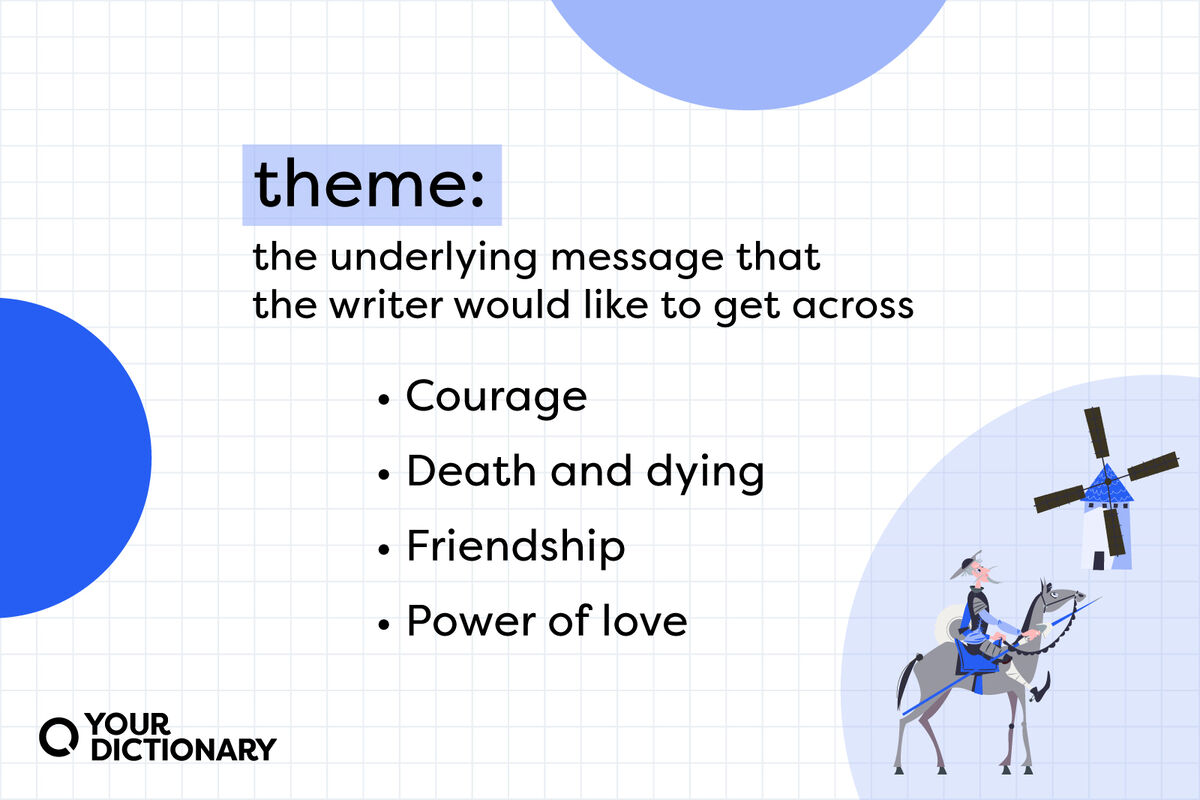
Finally, it’s crucial to regularly assess the impact of the brand theme. How does it contribute to brand awareness, perception, preference, and ultimately, business goals? Monitor brand sentiment, conduct perception studies, and analyze customer feedback to gauge if the theme is resonating as intended. Continuous listening and strategic recalibration ensure that the brand theme remains a living, relevant, and powerful asset, driving the brand’s success and ensuring its enduring connection with its audience. The theme is not a static statement, but a dynamic, guiding force that requires ongoing nurturing and strategic alignment.
aViewFromTheCave is a participant in the Amazon Services LLC Associates Program, an affiliate advertising program designed to provide a means for sites to earn advertising fees by advertising and linking to Amazon.com. Amazon, the Amazon logo, AmazonSupply, and the AmazonSupply logo are trademarks of Amazon.com, Inc. or its affiliates. As an Amazon Associate we earn affiliate commissions from qualifying purchases.