
In the competitive landscape of the quick-service restaurant (QSR) industry, few products have achieved the paradoxical status of being both a discontinued menu item and a permanent fixture in the cultural zeitgeist. The Dunkaccino—a signature beverage from the international powerhouse Dunkin’—is more than just a blend of coffee and hot chocolate. From a brand strategy perspective, it represents a masterclass in product positioning, the power of auditory branding, and the complexities of managing a product’s lifecycle during a corporate identity shift.
To understand what a Dunkaccino is, one must look beyond the ingredients and examine its role in the transformation of Dunkin’ Donuts from a regional bakery into a global beverage leader. This article explores the branding journey of the Dunkaccino, analyzing its market impact, its role in celebrity-driven marketing, and the strategic reasons behind its eventual retirement from the menu.
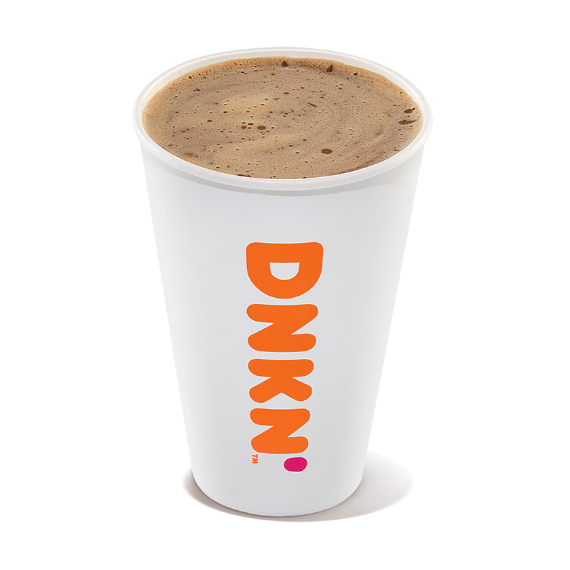
The Anatomy of a Brand Icon: Birth and Market Positioning
The Dunkaccino was introduced in the late 1990s, a period when the coffee industry was undergoing a significant transformation. Starbucks was beginning its rapid expansion, popularizing espresso-based drinks like lattes and mochas. In response, Dunkin’ needed a product that bridged the gap between traditional drip coffee and the burgeoning “treat-based” coffee movement.
The Hybrid Product Strategy
From a brand development standpoint, the Dunkaccino was a “bridge product.” It combined the brand’s core competency (coffee) with the approachable sweetness of hot chocolate. By creating a unique, trademarked name, Dunkin’ effectively “owned” a category that otherwise would have been a generic mocha. The name itself—a portmanteau of “Dunkin’” and “Cappuccino”—was a calculated branding move to democratize the idea of a cappuccino for a working-class demographic who might have found high-end coffee houses intimidating.
Defining the Dunkin’ Identity in the 90s
During its launch, Dunkin’ was cementing its identity as the “everyman’s” coffee shop. The Dunkaccino reinforced this by offering a consistent, machine-dispensed luxury. Unlike a handcrafted latte that required a trained barista, the Dunkaccino was reliable and fast. This consistency is a pillar of corporate branding; it ensured that whether a customer was in Boston or Bangkok, the brand experience remained identical.
Marketing Mastery: The Power of Celebrity and Catchy Campaigns
A product’s success is often tied to how well it is lodged in the public’s memory. The Dunkaccino’s longevity owed much to aggressive and, at times, surreal marketing campaigns that utilized auditory branding and celebrity associations to create a lasting mental footprint.
The Al Pacino “Jack and Jill” Phenomenon
Perhaps the most significant—and unintentional—boost to the Dunkaccino brand came from the 2011 film Jack and Jill. In a fictionalized commercial within the movie, Al Pacino performs a rap-and-dance routine centered on the drink, famously rebranding himself as “Dunk.”
While the scene was intended as a comedic satire of celebrity endorsements, it had a profound “meta-branding” effect. It transformed the Dunkaccino from a simple beverage into a meme. In the digital age, brand resonance is often driven by internet culture, and the “Don’t Mind If I Do” catchphrase became a viral sensation years after the film’s release. This illustrates a key principle in modern brand strategy: once a product enters the cultural vernacular, its brand equity grows independently of the company’s direct marketing spend.

Auditory Branding and Consumer Recall
Dunkin’ has always been a leader in jingle-based marketing. The rhythmic nature of the word “Dunkaccino” made it an ideal candidate for radio and television advertisements. By focusing on the phonetic appeal of the name, Dunkin’ utilized auditory branding to ensure high brand recall. For decades, the mere mention of the word triggered an immediate association with the warmth, sweetness, and accessibility of the Dunkin’ brand.
Strategic Sunsetting: Why Brands Retire Beloved Products
In early 2023, Dunkin’ officially confirmed that the Dunkaccino would be retired from its menu. For many loyalists, this was a shock, but from a corporate brand management perspective, the move was a logical step in the brand’s ongoing evolution.
Menu Simplification and Operational Efficiency
As Dunkin’ transitioned its brand identity—officially dropping the “Donuts” from its name in 2018—it shifted its focus toward “next-generation” stores. These stores emphasize speed and digital integration. The Dunkaccino was often dispensed from a dedicated hopper machine that required specific maintenance and counter space. By removing the product, Dunkin’ simplified its supply chain and freed up physical space for high-margin equipment, such as espresso machines and nitro cold brew taps.
The Shift Toward Premiumization
The Dunkaccino represented a specific era of “syrup and powder” beverages. As consumer tastes evolved toward premium, bean-to-cup experiences, the brand identity of the Dunkaccino began to feel dated. To compete with specialty coffee brands and maintain its position as a “beverage-led” company, Dunkin’ chose to prioritize its latte and macchiato lines. Retiring the Dunkaccino allowed the brand to shed a piece of its “fast-food” past to make room for a more sophisticated, “premium-lite” future.
Lessons in Brand Loyalty: Managing Product Nostalgia
The retirement of a legacy product like the Dunkaccino provides a fascinating look into brand loyalty and the “scarcity effect.” When a brand removes a product that consumers have an emotional attachment to, it often triggers a resurgence in brand mentions and social media engagement.
Scarcity and the “Cult Favorite” Status
By discontinuing the Dunkaccino, Dunkin’ inadvertently increased the product’s brand value. It moved from being a “commodity” to a “classic.” This creates a powerful tool for future marketing: the “Limited Time Offer” (LTO). Brands like McDonald’s (with the McRib) and Starbucks (with the Pumpkin Spice Latte) use seasonal availability to drive massive spikes in traffic. By sunsetting the Dunkaccino now, Dunkin’ creates a valuable asset that can be “brought back from the vault” for anniversary celebrations or special promotions, leveraging nostalgia to drive future revenue.
Brand Transitions from Donuts to “Dunkin’”
The removal of the Dunkaccino is also a reflection of the 2018 rebranding efforts. The “Dunkin’” brand is designed to be modern, energetic, and focused on “on-the-go” sustenance. The Dunkaccino, often viewed as a dessert-like indulgence, didn’t quite fit the new “American Runs on Dunkin’” narrative which emphasizes functional caffeine. Managing a brand transition requires making difficult choices about which legacy assets to keep and which to leave behind to ensure the brand’s message remains cohesive.

Conclusion: The Enduring Legacy of a Brand Icon
The story of the Dunkaccino is a compelling case study in brand strategy. It demonstrates how a product can be engineered to fill a market gap, how it can be elevated through creative (and sometimes accidental) marketing, and how it must eventually be sacrificed to serve the broader goals of a corporate rebranding effort.
While the Dunkaccino may no longer be available at your local drive-thru, its impact on the Dunkin’ brand identity remains indelible. It taught the industry that coffee could be fun, that a name could be a melody, and that even the most beloved products must eventually give way to the demands of operational efficiency and evolving consumer tastes. For marketers and brand strategists, the Dunkaccino serves as a reminder that a product is not just what is in the cup—it is the story, the memory, and the cultural footprint it leaves behind.
aViewFromTheCave is a participant in the Amazon Services LLC Associates Program, an affiliate advertising program designed to provide a means for sites to earn advertising fees by advertising and linking to Amazon.com. Amazon, the Amazon logo, AmazonSupply, and the AmazonSupply logo are trademarks of Amazon.com, Inc. or its affiliates. As an Amazon Associate we earn affiliate commissions from qualifying purchases.