
In the realm of personal finance and entrepreneurial ventures, few assets are as misunderstood yet potentially lucrative as the dealer’s license. Often viewed simply as a bureaucratic requirement for selling cars, a dealer’s license is, in reality, a powerful financial instrument. It serves as a gateway to the wholesale automotive market, a shield against unnecessary taxation, and a foundation for a scalable business model. Whether you are looking to launch a high-volume enterprise or a specialized side hustle in vehicle flipping, understanding the nuances of this license is critical to maximizing your return on investment.
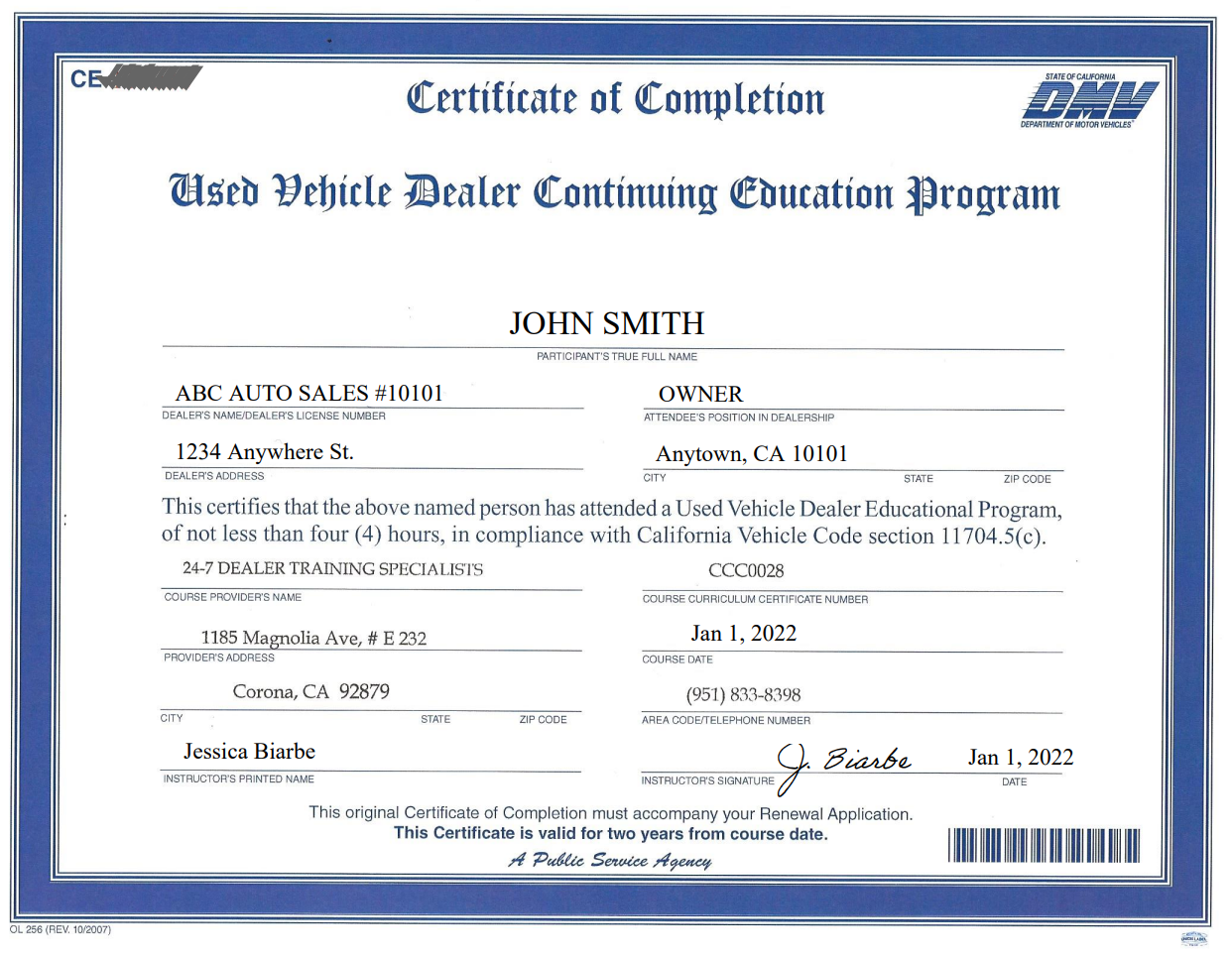
This guide explores the dealer’s license through the lens of business finance, detailing how it functions as a tool for wealth creation and capital management.
1. Defining the Dealer’s License: A Strategic Business Asset
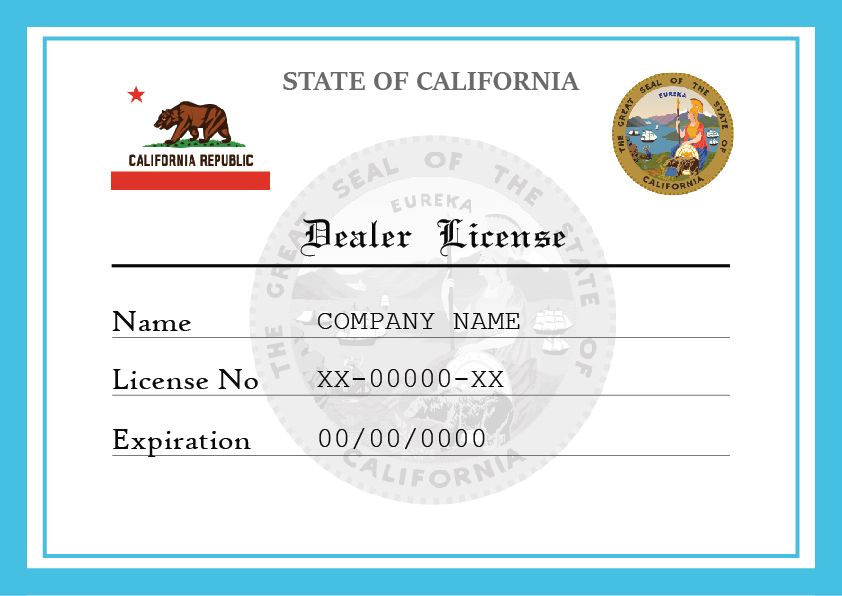
At its core, a dealer’s license is a state-issued authorization that permits an individual or a business entity to engage in the purchase and sale of vehicles for profit. While specific regulations vary by jurisdiction, the license fundamentally shifts your status from a consumer to a commercial operator. This shift is the first step in moving from a casual hobbyist to a serious participant in the automotive economy.
The Distinction Between Retail and Wholesale Licenses
From a financial planning perspective, the type of license you pursue dictates your overhead and potential market reach. A Retail Dealer’s License allows you to sell directly to the general public. This requires a physical storefront (a “brick-and-mortar” presence) and usually involves higher insurance premiums and stricter zoning requirements. However, it offers the highest profit margins because you are selling at the top of the market.
Conversely, a Wholesale Dealer’s License permits you to buy and sell exclusively between other dealers or at dealer-only auctions. While you cannot sell to the public, the overhead is significantly lower—often requiring only an office space rather than a full showroom. For those focused on “volume over margin” or B2B (business-to-business) financial models, the wholesale license is a more streamlined path to entry.
Legal Compliance as Risk Management
In the world of money and business, compliance is a form of risk management. Selling more than a state-allotted number of vehicles per year (usually three to six) without a license is known as “curbstoning.” This illegal practice exposes the seller to massive fines, civil liability, and criminal charges. Obtaining a dealer’s license professionalizes the operation, ensuring that your capital is protected from legal seizures and that your business remains a “going concern” in the eyes of tax authorities.
2. The Economic Advantages of Accessing Dealer-Only Auctions
The primary financial motivation for obtaining a dealer’s license is the access it grants to closed-circuit auctions. Companies like Manheim, ADESA, and Copart (dealer-only sections) handle millions of vehicles annually that never hit the public market.
Mastering the Buy-Side of the Equation
In any investment—be it stocks, real estate, or vehicles—profit is made on the “buy.” Public consumers are limited to marketplaces like Facebook Marketplace or Craigslist, where prices are often inflated by emotional value or lack of transparency. With a dealer’s license, you gain entry into an ecosystem where vehicles are sold at “Manheim Market Report” (MMR) values—the gold standard for wholesale pricing. By buying at these rates, you instantly bake a “safety margin” into your asset, protecting your capital if the market shifts.
Arbitrage and Inventory Turnover
The dealer’s license enables a classic financial strategy: arbitrage. By identifying undervalued assets at a wholesale auction (perhaps a vehicle that needs minor cosmetic reconditioning) and moving it to a retail environment, the licensed dealer captures the spread. Because vehicles are depreciating assets, the speed of your “inventory turns” is vital. A licensed dealer can move cars through the auction system far faster than a private individual can through classified ads, allowing for more frequent compounding of capital.
3. Tax Optimization and the Resale Certificate Advantage
For the business-minded individual, the tax implications of a dealer’s license are perhaps its most underrated feature. When a private citizen buys a car, they pay sales tax—a cost that can range from 5% to 10% of the vehicle’s value. This is a “sunk cost” that can never be recovered.
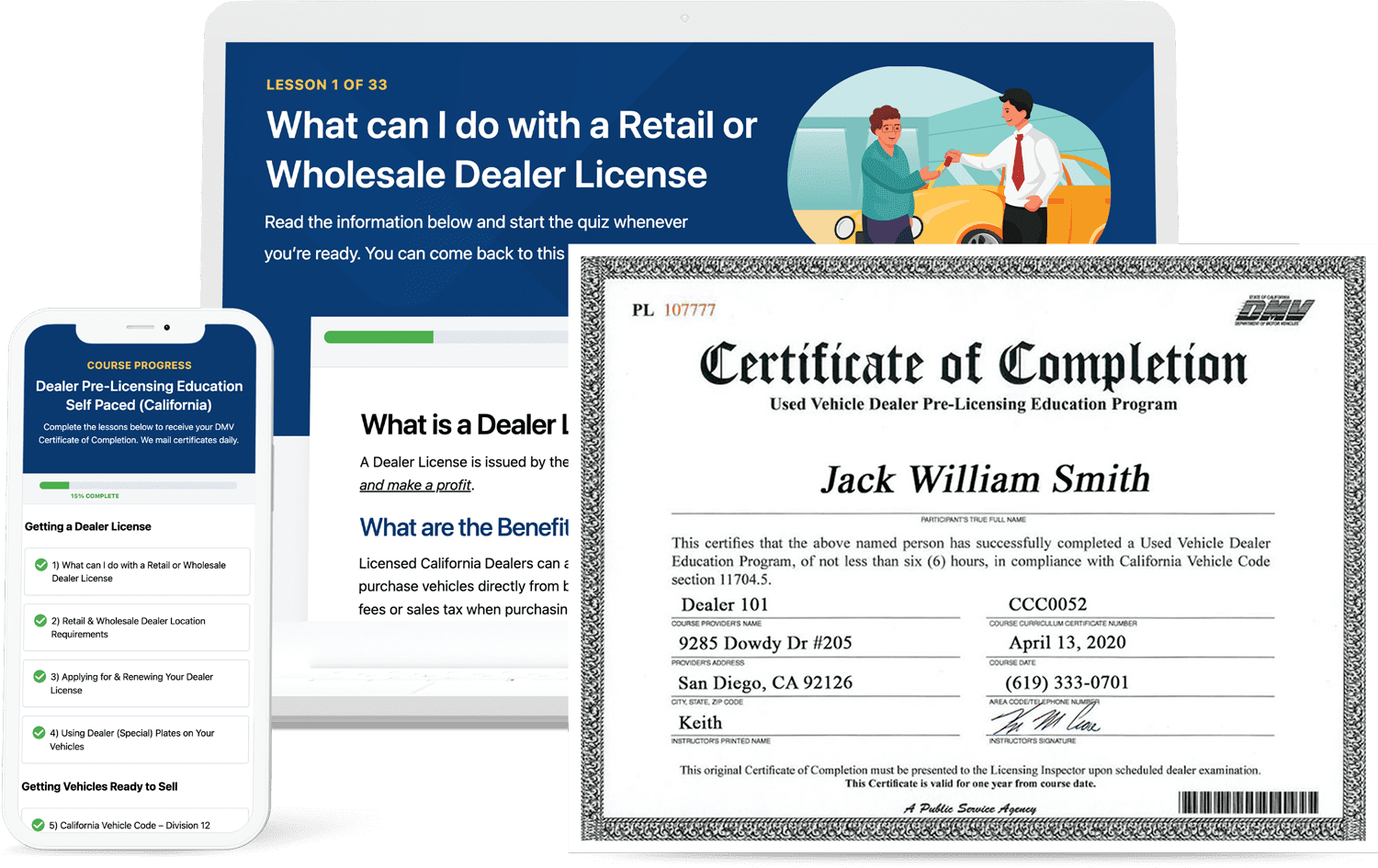
The Power of the Resale Certificate
With a dealer’s license, you are issued a Resale Certificate (or a similar tax-exempt status). This allows you to purchase vehicles for your inventory without paying sales tax at the time of purchase. The logic is that the tax will eventually be paid by the final retail consumer. For a dealer flipping 20 cars a year at an average price of $15,000, this could mean an immediate cash flow savings of $15,000 to $30,000 annually—capital that can be reinvested back into more inventory.
Deducting Business Expenses
Holding a license allows you to treat your automotive activities as a legitimate business for IRS purposes. This means you can deduct operational costs that a private seller cannot. This includes:
- Transportation and shipping fees for inventory.
- Marketing and advertising costs.
- The cost of tools, parts, and labor for reconditioning.
- Home office deductions or rent for a physical lot.
- Dealer plate insurance and surety bond premiums.
These deductions lower your taxable income, effectively increasing your net profit margin and making your automotive enterprise a more efficient vehicle for wealth building.
4. Leveraging Capital: Floor Plan Financing and Credit
Scaling a business requires capital, and most independent entrepreneurs eventually hit a ceiling on how much of their own cash they can tie up in physical inventory. This is where a dealer’s license unlocks sophisticated financial tools, specifically Floor Plan Financing.
How Floor Planning Works
Floor plan financing is a revolving line of credit specifically designed for auto dealers. Instead of using your personal savings to buy five cars at an auction, a lending institution (the floor plan provider) pays the auction for the cars on your behalf. You pay a small fee and interest on the loan until the car is sold. Once the sale is finalized, you pay back the principal to the lender and keep the profit.
Increasing Purchasing Power
This financial leverage allows a dealer to carry $100,000 worth of inventory while only having $10,000 of their own liquid cash “at risk.” In the world of business finance, this is known as a “cash-on-cash return” optimizer. By using other people’s money (OPM) to stock your lot, you can scale your operations far beyond what your personal bank account would otherwise allow, provided you have a high-velocity sales strategy to cover interest costs.
5. Navigating the Costs of Entry: Bonds and Insurance
While the financial rewards are significant, a dealer’s license is not free. It requires a strategic allocation of startup capital to satisfy state-mandated security requirements.
The Auto Dealer Surety Bond
Most states require dealers to post a Surety Bond, typically ranging from $10,000 to $100,000. It is important to understand that you do not have to pay the full amount of the bond. Instead, you pay a premium—usually 1% to 3% of the bond amount—based on your personal credit score. This bond acts as a financial guarantee that you will operate ethically and follow state laws. From a finance perspective, maintaining a high credit score is essential here, as it directly lowers your “cost of doing business” by reducing your annual bond premium.
Comprehensive Garage Liability Insurance
Traditional personal auto insurance does not cover a business enterprise. Dealers must carry Garage Liability Insurance. This covers the vehicles in your inventory, test drives, and any incidents that occur on your business premises. While this represents a recurring monthly expense, it is a critical defensive play. Without it, a single accident during a test drive could result in a lawsuit that wipes out your entire business capital.
Conclusion: Is a Dealer’s License a Sound Investment?
In the context of personal finance and business growth, a dealer’s license is more than just a permit—it is a specialized financial platform. It provides the “institutional access” required to buy assets at their lowest possible price point, offers significant tax advantages that preserve your margins, and allows for the use of leverage through floor plan financing.
However, like any investment, it requires a clear understanding of the overhead costs and a disciplined approach to inventory management. For the entrepreneur who can master the balance between buying low, minimizing tax liability, and maximizing turnover, the dealer’s license is one of the most effective tools for generating consistent, scalable income in the modern economy. By treating the license as a financial asset rather than a regulatory hurdle, you position yourself to capture a share of the multi-billion dollar automotive market.
aViewFromTheCave is a participant in the Amazon Services LLC Associates Program, an affiliate advertising program designed to provide a means for sites to earn advertising fees by advertising and linking to Amazon.com. Amazon, the Amazon logo, AmazonSupply, and the AmazonSupply logo are trademarks of Amazon.com, Inc. or its affiliates. As an Amazon Associate we earn affiliate commissions from qualifying purchases.