
For decades, the concept of a “comfortable indoor humidity” was managed by simple intuition or, at best, a rudimentary dial on a wall-mounted humidistat. However, in the era of the Internet of Things (IoT) and the quantified self, achieving the perfect indoor climate has transitioned from a domestic chore into a sophisticated technical challenge. Understanding what constitutes comfortable humidity is no longer just about feeling “less sticky” or avoiding dry skin; it is about leveraging sensor technology, machine learning, and integrated HVAC ecosystems to maintain an optimized environment.

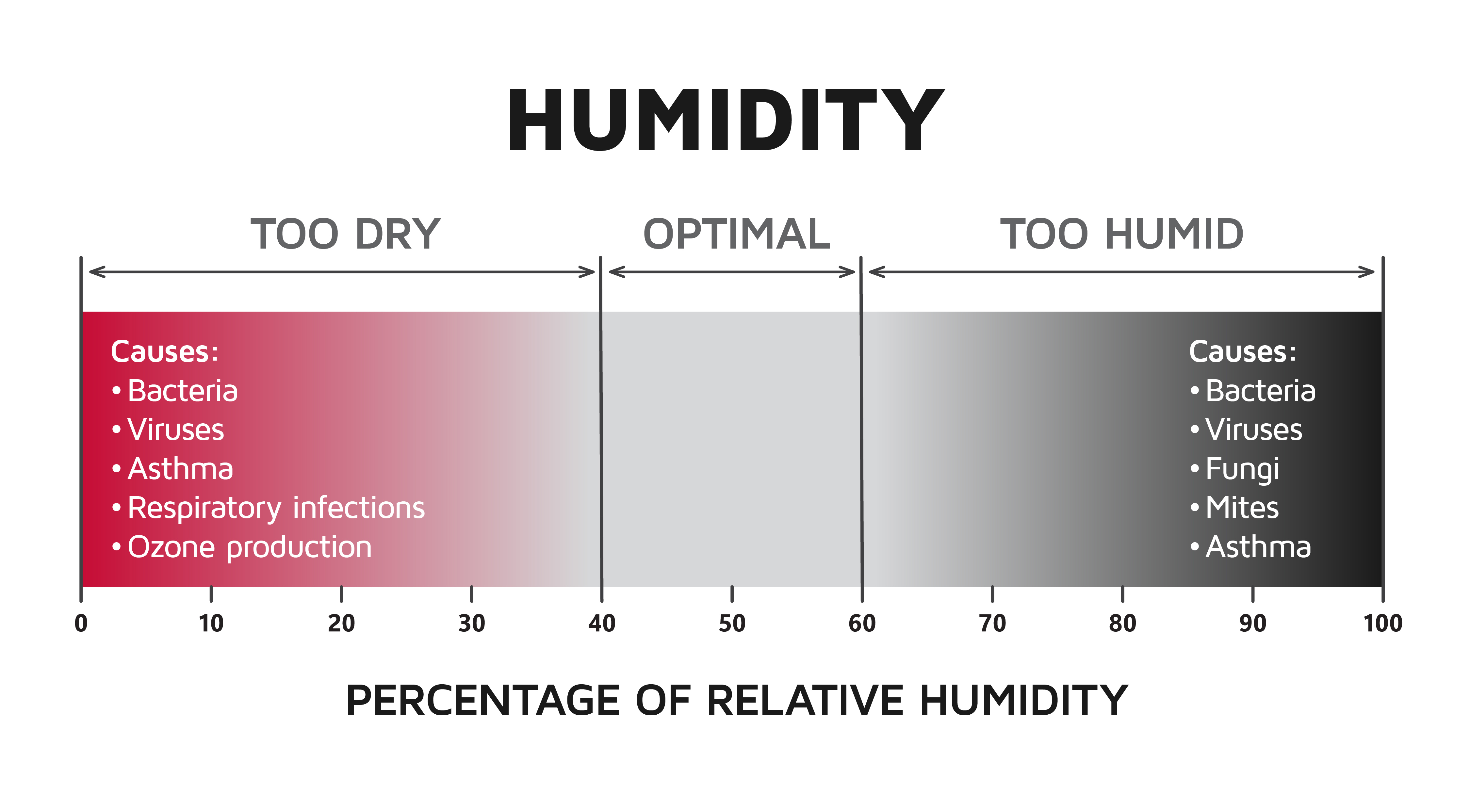
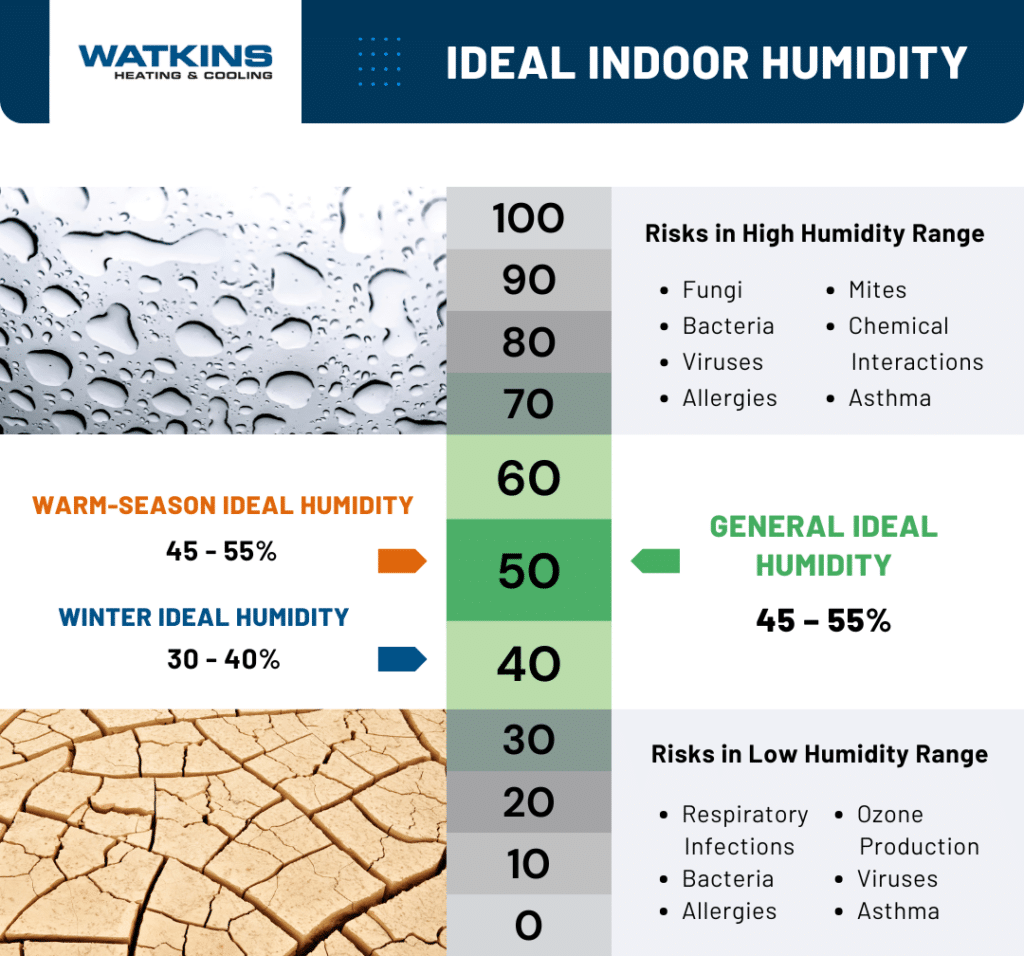
From a technical standpoint, the consensus for ideal indoor humidity lies between 30% and 50%. Dropping below 30% can lead to respiratory discomfort and static electricity buildup—detrimental to sensitive electronic components—while exceeding 50% facilitates the growth of microbial life and can cause structural degradation through condensation. This article explores the technology driving the modern mastery of indoor environments.
The Digital Backbone: Sensors and MEMS Technology
The foundation of any climate-controlled environment is the accuracy of its data. To understand indoor humidity, we must first look at the sensors that measure it. Modern smart homes and commercial buildings have moved away from mechanical hygrometers toward Micro-Electro-Mechanical Systems (MEMS).
Capacitive vs. Resistive Sensors
The majority of high-end digital hygrometers utilize capacitive humidity sensors. These devices consist of a thin polymer or metal oxide film placed between two electrodes. As the moisture in the air changes, the dielectric constant of the film alters, changing the sensor’s total capacitance. This data is then converted into a digital signal that a microcontroller can interpret. Resistive sensors, while cheaper, measure the change in electrical impedance of a conductive polymer. In the tech world, capacitive sensors are preferred for their stability, accuracy, and faster response times, which are critical for real-time automation.
Sensor Drift and Calibration Tech
A major hurdle in humidity technology is “sensor drift”—the gradual loss of accuracy over time due to contamination or aging of the sensing element. Modern tech solutions tackle this through software-based auto-calibration. Higher-end IoT devices now use dual-channel sensing or integrated heating elements that periodically “bake out” moisture from the sensor to reset its baseline, ensuring that the 45% reading you see on your dashboard remains accurate for years.
The Rise of Multi-Sensor Fusion
Modern tech ecosystems rarely rely on a single data point. “Sensor fusion” is a technique where humidity data is cross-referenced with temperature, VOC (Volatile Organic Compound) levels, and CO2 concentrations. By analyzing these data points together, smart hubs can differentiate between a temporary spike in humidity (such as from a shower or cooking) and a systemic failure in the building’s vapor barrier, allowing for more intelligent automation responses.
Intelligent Automation: AI and the HVAC Ecosystem
Once the data is collected, the next layer of the tech stack is the logic engine that acts upon it. The transition from “dumb” humidifiers to smart, cloud-connected climate controllers has revolutionized how we maintain indoor equilibrium.
Predictive Analytics and Weather Integration
The most advanced smart thermostats, such as those from Ecobee or Nest, do not just react to the current indoor humidity; they use predictive algorithms. By pulling real-time meteorological data via APIs, these systems anticipate outdoor temperature drops. Because cold air holds less moisture, a sudden freeze can cause indoor relative humidity to plummet. An AI-driven system can pre-emptively activate a whole-home humidifier to buffer the drop, maintaining a consistent 40% level without the “yo-yo” effect seen in manual systems.
The “Matter” Protocol and Interoperability
Historically, the biggest barrier to maintaining a comfortable humidity was the lack of communication between devices. Your dehumidifier might be from one brand, while your AC (which also dehumidifies) is from another. The introduction of the “Matter” protocol—a unified smart home standard backed by Apple, Google, and Amazon—allows these devices to speak the same language. In a Matter-enabled home, a standalone Eve Room sensor can trigger a Dyson air purifier’s humidification function, which in turn can signal the HVAC blower fan to circulate the air more effectively, creating a seamless mesh of environmental control.
Machine Learning for Personalized Comfort
“Comfort” is subjective. Using machine learning, smart systems can now learn the “Comfort Index” of specific users. By tracking manual overrides—such as when a user turns down the dehumidifier despite it being at the “recommended” 50%—the system builds a profile of the user’s preferred set points. Over time, the AI optimizes for the highest possible humidity that avoids condensation on windows (calculated via dew point sensors), maximizing skin comfort while protecting the building’s integrity.
Hardware Engineering: Innovations in Humidity Modification
Measuring and calculating the ideal humidity is only half the battle; the hardware responsible for modifying the air has seen significant technological leaps in recent years.
Ultrasonic vs. Evaporative Engineering
On the consumer tech side, we see a battle between ultrasonic and evaporative hardware. Ultrasonic humidifiers use a metal diaphragm vibrating at ultrasonic frequencies to create micro-droplets of water. While quiet and efficient, they historically struggled with “white dust” (mineral buildup). The tech response has been the integration of demineralization cartridges and UV-C sterilization chambers that neutralize pathogens in the water tank before they are aerosolized.
Evaporative systems, conversely, have moved toward “wick-free” technology. Using rotating discs that move through water, these devices use high-speed fans to naturally evaporate moisture. The tech advantage here is self-regulation; as humidity rises, the rate of natural evaporation decreases, providing a physical fail-safe against over-humidification.
Desiccant Rotor Technology
In the realm of dehumidification, the industry is shifting from compressor-based units—which are loud and use refrigerants—to desiccant rotor technology. These units use a moisture-absorbing wheel (often made of silica gel or zeolites) that rotates through the incoming air stream. The “tech” here lies in the regeneration process, where a small internal heater dries the wheel. This allows for dehumidification at much lower temperatures than traditional compressors, making them ideal for server rooms or smart warehouses where precise humidity control is a technical necessity.
The Evolution of Whole-Home Steam Humidification
For high-end residential and commercial tech, electrode steam humidifiers represent the gold standard. These devices use electrodes to boil water, creating pure steam that is injected into the ductwork. Controlled by digital pulse-width modulation (PWM), these systems can maintain indoor humidity within a 1% margin of the target set point, providing the level of precision required for art galleries, data centers, or high-tech laboratories.
Connectivity, Security, and the Smart Mesh
As humidity control becomes an integral part of the “Smart Building” infrastructure, the focus has shifted toward the security and reliability of the data transmission.
Data Privacy in Environmental Monitoring
With humidity sensors becoming ubiquitous, data privacy has become a concern. Anonymized humidity data can actually reveal a lot about a household’s habits (e.g., when people are home, when they are showering, or how many people are in a room). Tech-forward brands are now implementing “Edge Processing,” where the analysis of humidity trends happens locally on the hub rather than in the cloud, ensuring that sensitive behavioral data stays within the local network.
Low-Power Wide-Area Networks (LPWAN)
In large-scale tech deployments—such as smart office buildings—standard Wi-Fi is often too power-hungry for hundreds of small humidity sensors. Technologies like LoRaWAN (Long Range Wide Area Network) or Zigbee allow these sensors to operate for years on a single coin-cell battery. This “set it and forget it” hardware allows for a high density of data points, ensuring that there are no “dead zones” of high humidity that could lead to mold growth behind server racks or in cable plenums.
Dashboarding and Remote Management
The professionalization of humidity control is perhaps most visible in the software interfaces used to manage it. Modern platforms like Home Assistant or commercial Building Management Systems (BMS) provide deep analytics. Users can view heat maps of humidity across a floor plan, receive push notifications if a basement sensor detects a 10% spike (indicating a potential leak), and even calculate the “Equivalent Wood Moisture Content” to protect expensive flooring or instruments.
The Future of Precision Environments
We are moving toward a future where “comfortable indoor humidity” is not a static number, but a fluid, AI-managed state. Future tech trends point toward “Micro-Climate Control,” where wearable devices communicate with the room’s HVAC system to adjust the humidity specifically around an individual’s workspace.
Furthermore, innovations in nanotechnology are leading to the development of “Passive Humidity Regulators”—materials integrated into drywall or paint that can adsorb and desorb moisture at specific thresholds without using any electricity. When these materials are paired with active IoT monitoring, we will see the birth of the truly “autonomous building.”
In conclusion, maintaining a comfortable indoor humidity of 30-50% has evolved into a sophisticated interplay of MEMS sensors, AI-driven thermostats, and advanced hardware engineering. By embracing these technological advancements, we can create environments that are not only comfortable for the human body but also optimal for the longevity of our digital and physical infrastructure. The future of comfort is high-tech, automated, and invisibly precise.
aViewFromTheCave is a participant in the Amazon Services LLC Associates Program, an affiliate advertising program designed to provide a means for sites to earn advertising fees by advertising and linking to Amazon.com. Amazon, the Amazon logo, AmazonSupply, and the AmazonSupply logo are trademarks of Amazon.com, Inc. or its affiliates. As an Amazon Associate we earn affiliate commissions from qualifying purchases.