
In the landscape of modern career investments, few credentials offer as immediate and substantial a return on investment (ROI) as the Class A Commercial Driver’s License (CDL). While many view the CDL simply as a permit to operate heavy machinery, from a financial perspective, it is a high-value asset. It serves as a gateway to the logistics industry—a trillion-dollar sector that forms the backbone of the global economy. For individuals looking to pivot into a recession-resistant field with significant upward mobility and entrepreneurial potential, understanding the financial implications of a Class A CDL is the first step toward long-term wealth building.
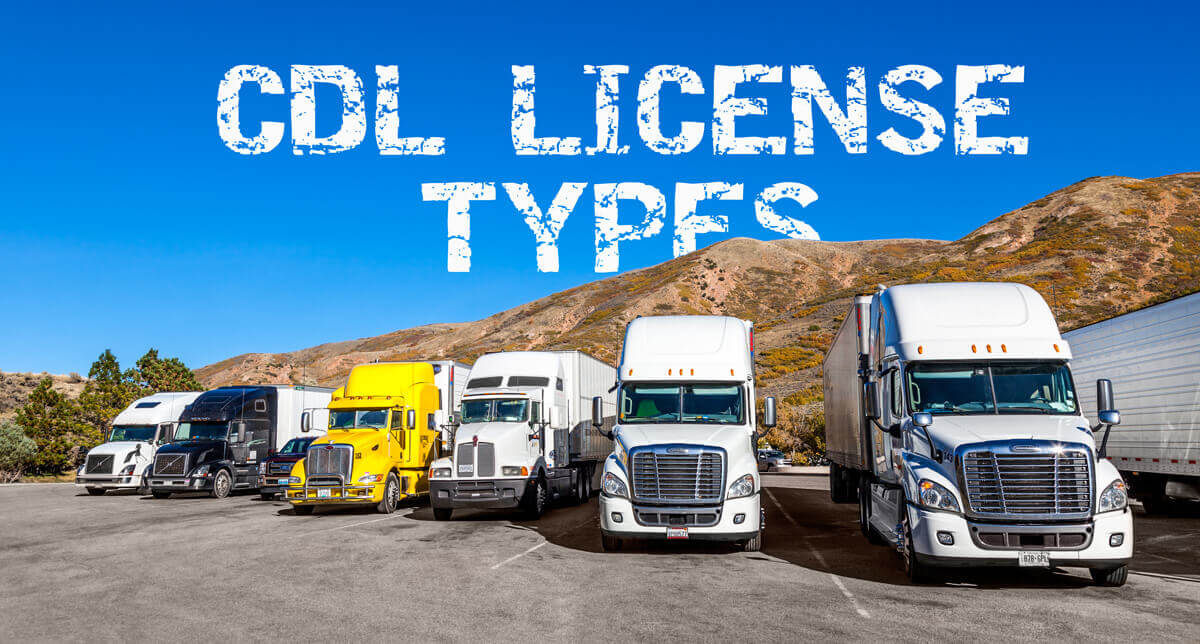
The ROI of a Class A CDL: Initial Investment vs. Earning Potential
When evaluating any professional certification, the first metric to consider is the cost of entry relative to the starting salary. Unlike traditional four-year degrees that can leave graduates with six-figure debts and uncertain job prospects, the Class A CDL offers a streamlined path to a middle-class income or higher.
Initial Capital Outlay and Training Costs
Acquiring a Class A CDL requires a specific financial commitment, typically ranging from $3,000 to $7,000 for private trucking schools. While this may seem significant, many large-scale logistics firms offer “paid CDL training” programs. In these scenarios, the company front-loads the cost of the education in exchange for a commitment to work for them for a specified period (usually one year). From a personal finance standpoint, this eliminates the barrier to entry, allowing individuals to enter a high-paying field with zero upfront capital, provided they manage their contractual obligations wisely.
Immediate Income Acceleration
Upon receiving a Class A CDL, an entry-level driver can expect a starting salary that often outpaces many entry-level corporate roles. With the current shortage of qualified drivers, sign-on bonuses ranging from $2,000 to $10,000 have become common. When you factor in base pay, mileage bonuses, and safety incentives, a first-year driver can realistically earn between $50,000 and $80,000. Comparing this to the average cost of the license, the ROI is realized within the first few months of employment—a feat rarely achieved in other professional sectors.
Specialized Endorsements as Income Multipliers
The Class A CDL is not a static credential; it is a foundation. By investing a small amount of additional time and money into “endorsements,” drivers can significantly increase their market value. Endorsements for Hazardous Materials (HazMat), Tankers, or Double/Triple Trailers allow drivers to handle specialized cargo. Financially, these endorsements serve as “niche modifiers,” often adding 10% to 20% to a driver’s annual earnings because the barrier to entry is higher and the demand for specialized skills is more acute.
Wealth Building as an Owner-Operator: The Path to Business Ownership
One of the most compelling financial aspects of the Class A CDL is the clear path it provides toward entrepreneurship. A driver is not just an employee; they are a potential business owner. The transition from a “company driver” to an “owner-operator” represents a shift from earning a wage to managing a revenue-generating enterprise.
Transitioning from Employee to Business Owner
The leap to becoming an owner-operator involves a significant increase in both risk and reward. By purchasing or leasing their own semi-truck, a CDL holder can operate as an independent contractor. In this model, the driver is no longer paid a flat rate or per-mile wage by an employer; instead, they negotiate for a percentage of the gross load pay. This shift allows for much higher gross revenue, often exceeding $200,000 to $300,000 per year, though this figure must be balanced against operating expenses.
Managing Overheads and Profit Margins
True financial success as an owner-operator requires sophisticated business management. The Class A CDL provides the legal right to operate, but fiscal discipline provides the profit. Owner-operators must manage significant overheads, including fuel, maintenance, insurance, and taxes. Successful operators utilize tax strategies like the per diem deduction and heavy vehicle use tax credits to protect their margins. By treating their truck as a mobile corporation, CDL holders can leverage depreciation assets to lower their taxable income while building equity in their equipment.
Scalability and Fleet Management
The ultimate financial goal for many in the industry is to move from being an owner-operator to a fleet owner. Once a driver has mastered the economics of a single truck, they can reinvest their profits into second and third units. By hiring other Class A CDL holders to drive these additional trucks, the original license holder transitions into a passive or semi-passive income model. At this stage, the business’s value is no longer tied to the owner’s time behind the wheel, but rather to the operational efficiency of the fleet.
Navigating the Logistics Economy: Demand, Wages, and Market Stability
The value of a Class A CDL is intrinsically tied to the health of the macro-economy. Because 70% of all freight in the United States is moved by truck, the demand for CDL holders is a leading economic indicator. For the individual, this means high job security and a strong bargaining position regarding compensation.
Supply Chain Demand and Wage Growth
Economic shifts, such as the explosion of e-commerce, have created a permanent floor for driver demand. As consumer expectations for “last-mile delivery” and rapid fulfillment increase, the “middle-mile” (where Class A drivers operate) becomes a critical bottleneck. This supply-and-demand imbalance has forced logistics companies to engage in “wage wars,” consistently raising pay scales to attract and retain talent. For the holder of a Class A CDL, this environment ensures that their labor remains a premium commodity.
Recession-Proofing Personal Finances
While many industries suffer during economic downturns, the trucking industry often remains resilient. Essential goods—food, medicine, and fuel—must move regardless of the stock market’s performance. A Class A CDL holder with a clean driving record and experience in essential sectors (like refrigerated hauling or energy transport) possesses a “recession-proof” skill set. From a financial planning perspective, this stability allows for more aggressive long-term investing in other assets, such as real estate or equities, because the primary income stream is secure.
The Impact of Autonomous Tech on Future Earnings
A common concern in the financial discourse surrounding the CDL is the rise of autonomous vehicle technology. However, industry experts view this not as a replacement, but as a technological shift that will change the nature of the job. Much like pilots in an automated cockpit, the “driver” of the future may become a “logistics manager” on board. This transition is expected to keep wages high for those who can navigate the interface of technology and heavy equipment operation, ensuring that the Class A CDL remains a relevant and high-value asset for decades to come.
Financial Security and Long-Term Benefits
Beyond the immediate paycheck, the Class A CDL offers a robust framework for long-term financial security and retirement planning. Because the industry is dominated by large, well-capitalized corporations, the benefits packages are often superior to those in the retail or general service sectors.
Retirement Planning and Employer Contributions
Most major carriers offer 401(k) plans with competitive employer matching. For a driver earning $80,000 a year, a 6% match represents an additional $4,800 in “free money” invested annually into their retirement. Over a 20-year career, these contributions, combined with market growth, can lead to a multi-million dollar retirement nest egg. Furthermore, because of the high demand, many drivers find they can work well into their 60s if they choose, or transition into lower-stress local roles that still offer full benefits.
Comprehensive Insurance and Health Assets
In the United States, healthcare is a significant financial burden. Most trucking companies offer comprehensive medical, dental, and vision insurance, often at a lower premium than small-business plans. For a family, this benefit alone can be worth $15,000 to $20,000 in “hidden” annual compensation. Additionally, many companies offer life insurance and short-term disability insurance, which are critical components of a sound financial plan, protecting the driver’s family from loss of income.
Leveraging the CDL for Diversified Income Streams
Finally, a Class A CDL can be used as a secondary income stream or a “safety net.” Even if a CDL holder moves into a different field, maintaining the license (which usually only requires a small renewal fee and a periodic physical) provides a high-paying backup plan. In the gig economy, CDL holders can also pick up seasonal work or “spot market” loads during peak times, such as the holiday season, to supplement their primary income. This versatility makes the Class A CDL one of the most flexible financial tools an individual can possess.
In conclusion, a Class A CDL is far more than a vocational qualification; it is a strategic financial instrument. Whether used as a springboard for immediate high earnings, a foundation for a multi-million dollar logistics business, or a recession-proof insurance policy for one’s career, the CDL offers a unique blend of stability and scalability. In an era of shifting economic tides, investing in a Class A CDL remains one of the smartest “money moves” available to the modern workforce.
aViewFromTheCave is a participant in the Amazon Services LLC Associates Program, an affiliate advertising program designed to provide a means for sites to earn advertising fees by advertising and linking to Amazon.com. Amazon, the Amazon logo, AmazonSupply, and the AmazonSupply logo are trademarks of Amazon.com, Inc. or its affiliates. As an Amazon Associate we earn affiliate commissions from qualifying purchases.