
In the rapidly evolving landscape of medical technology, the capillary puncture—traditionally known as a simple finger prick—has undergone a digital transformation. While once a manual, rudimentary procedure performed primarily for basic blood glucose monitoring, the capillary puncture now serves as the foundational data-entry point for a multi-billion dollar industry centered on point-of-care (POC) diagnostics, wearable integration, and AI-driven health analytics.
As we move toward a future of decentralized medicine, the “tech” behind the puncture is becoming as critical as the biological sample it retrieves. From microfluidic chips to laser-guided lancets and cloud-synchronized biosensors, understanding capillary puncture today requires a deep dive into the hardware and software ecosystems that are redefining modern diagnostics.

1. The Engineering of Micro-Sampling: Hardware Innovations in Capillary Puncture
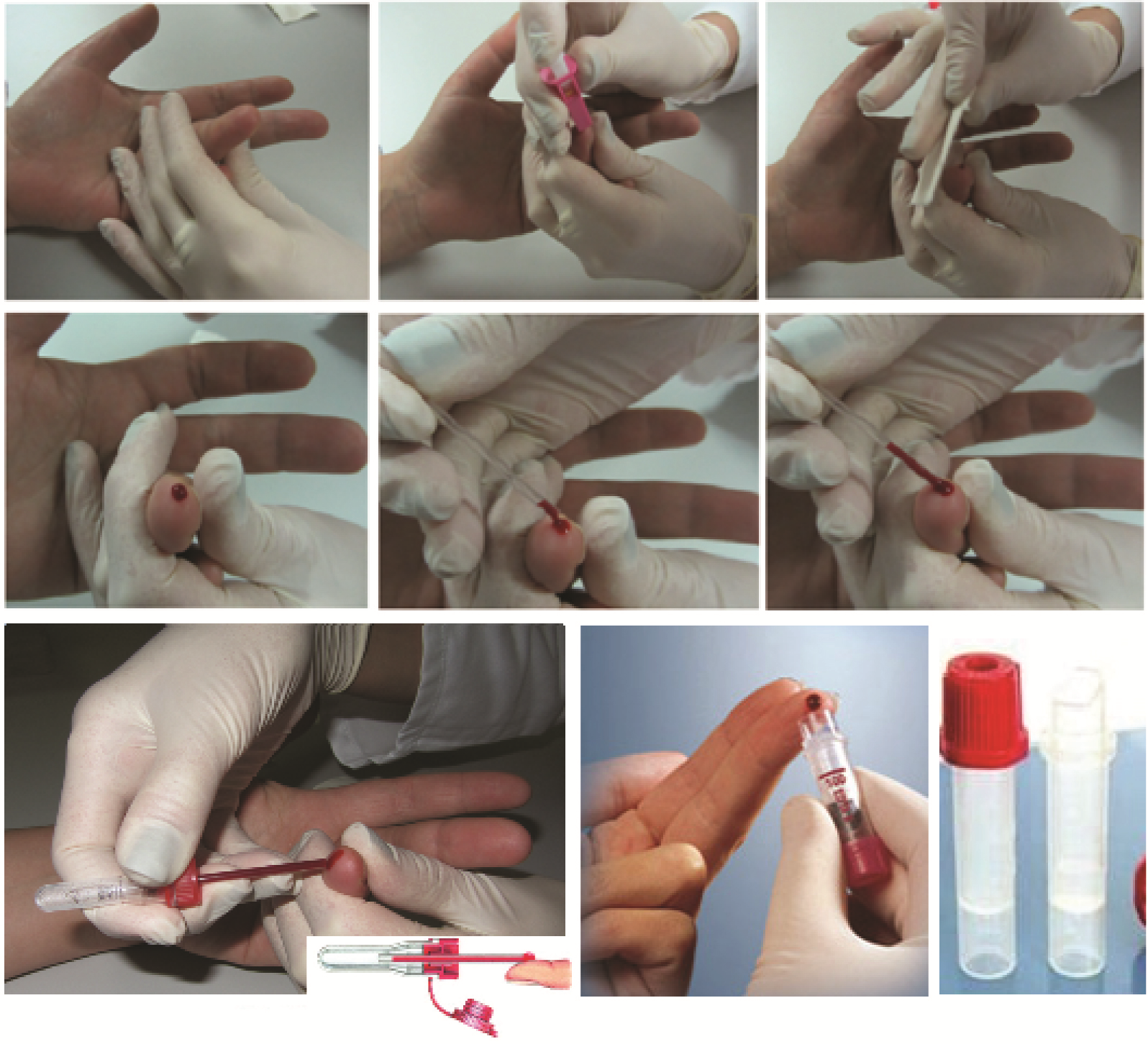
At its core, a capillary puncture is the process of penetrating the skin’s dermal layer to access the capillary bed. However, the modern tech industry has moved far beyond the standard stainless-steel lancet. Engineers are now focused on “painless precision,” utilizing advanced materials and micro-mechanics to improve the user experience and sample integrity.
The Mechanics of Micro-Sampling and Fluid Dynamics
Traditional blood draws require venous access, which is invasive and requires professional training. Capillary puncture technology, however, leverages microfluidics. This involves the study and manipulation of fluids at the sub-millimeter scale. Modern capillary devices utilize “wicking” technology—capillary action driven by surface tension—to pull precise microliters of blood into a reservoir without the need for manual squeezing (milking), which can often contaminate a sample with interstitial fluid.
Breakthroughs in Laser Puncture and Silicon Microneedles
The latest hardware trends are moving toward laser-based capillary punctures. These devices use a highly focused beam of light to create a microscopic opening in the skin, vaporizing a tiny channel to the capillary bed. This tech minimizes nerve stimulation, making it virtually painless. Simultaneously, silicon microneedle arrays are being integrated into wearable patches. These “lab-on-a-skin” devices perform automated punctures at programmed intervals, allowing for a continuous stream of biometric data to be fed into health software ecosystems.
2. Integration with AI and Digital Health Ecosystems
The physical act of a capillary puncture is only the first step in a sophisticated digital pipeline. The true value of this technology lies in the software that interprets the sample. We are currently witnessing a convergence where blood chemistry meets machine learning, transforming a drop of blood into a comprehensive health report.
Real-Time Data Analytics in Point-of-Care Testing (POCT)
Point-of-care devices are essentially handheld computers equipped with biosensors. When a capillary puncture sample is applied to a test strip, it interfaces with a digital reader. This reader uses electrochemical or optical sensors to convert biological reactions into digital signals. Through edge computing, these devices can now perform complex assays—checking for everything from lipid panels to cardiac biomarkers—in under three minutes. The integration of high-speed processors allows these devices to run internal calibrations and error-checking algorithms that were previously only possible in large-scale laboratories.
Machine Learning in Hematology and Predictive Diagnostics
Software platforms are now using AI to analyze the data harvested from capillary punctures over time. By applying pattern recognition to longitudinal data (data collected over a long period), AI can predict health trends before symptoms appear. For instance, in diabetic care, AI-driven apps analyze glucose fluctuations from capillary samples to predict hypoglycemic events hours in advance. This transition from “reactive” diagnostics to “predictive” tech is the cornerstone of the modern digital health revolution.
3. The Rise of Wearables and Bio-Sensing Hardware

The evolution of capillary puncture is inextricably linked to the explosion of the Internet of Medical Things (IoMT). The goal of current tech developers is to bridge the gap between the occasional puncture and continuous monitoring, creating a seamless flow of information between the patient’s body and their digital devices.
From Manual Pricks to Continuous Glucose Monitors (CGM)
While the standard capillary puncture is a “snapshot” in time, the technology has paved the way for Continuous Glucose Monitors (CGMs). These devices use a subcutaneous filament that essentially functions as a long-term capillary interface. The hardware resides on the arm or abdomen, transmitting data via Bluetooth to smartphones and smartwatches. This represents a significant shift in tech: the democratization of lab data, allowing consumers to monitor their metabolic health in real-time without needing a healthcare provider to interpret the results.
IoT and Remote Patient Monitoring (RPM)
For the elderly or those with chronic conditions, capillary puncture tech integrated with IoT (Internet of Things) is a game-changer. Modern lancing devices are now “smart,” meaning they log the time, volume, and results of every puncture automatically to a cloud-based dashboard accessible by a physician. This remote patient monitoring reduces hospital readmissions and allows for “hospital-at-home” models. The tech stack involved—ranging from low-energy Bluetooth (BLE) to secure cloud storage—ensures that the small biological event of a capillary prick has a global digital reach.
4. Digital Security and Data Integrity in Micro-Diagnostics
With the digitization of blood-based data comes the massive responsibility of data security. A capillary puncture provides access to some of the most sensitive “big data” available: a person’s genetic markers, disease status, and metabolic profile.
HIPAA Compliance and the Encryption of Bio-Data
As capillary puncture devices become smarter, they must adhere to rigorous digital security standards like HIPAA in the US and GDPR in Europe. Tech companies are now implementing end-to-end encryption for every drop of blood analyzed. When a handheld device syncs with a mobile app, the data must be encrypted at rest and in transit. This ensures that a user’s biometric profile remains private, protecting them from potential data breaches that could affect insurance premiums or employment.
Blockchain for Biometric Integrity
One of the more experimental but promising trends in diagnostic tech is the use of blockchain to secure the results of capillary punctures. By creating a decentralized, immutable ledger of a patient’s blood results, healthcare systems can ensure that the data hasn’t been tampered with. This is particularly relevant in clinical trials, where the integrity of micro-sampling data from thousands of remote participants is paramount. The “block” in this case starts the moment the capillary puncture is made and the digital sensor registers the result.
5. The Future: Lab-on-a-Chip and Beyond
As we look toward the next decade, the capillary puncture will likely evolve into a completely non-invasive or highly automated process. The “Tech” sector is currently investing heavily in miniaturization and nanotechnology to push the boundaries of what a single drop of blood can reveal.
Nanotechnology and Lab-on-a-Chip (LOC)
The ultimate goal of diagnostic tech is the “Lab-on-a-Chip.” This involves shrinking an entire medical laboratory onto a single microchip that requires only a nanoliter of blood from a capillary puncture. These chips use micro-channels and integrated sensors to perform multiple tests simultaneously. The software architecture for LOC devices is incredibly complex, requiring advanced signal processing to filter out noise and provide clinical-grade accuracy at a fraction of the size and cost of traditional equipment.
Scaling Tech for Global Health Access
Perhaps the most impactful aspect of capillary puncture technology is its scalability. In developing regions with limited infrastructure, a smart capillary device paired with a solar-powered smartphone can replace a multi-million dollar pathology lab. This “frugal innovation” is a major trend in the tech industry—developing high-tech solutions that are durable and accessible. Software developers are creating lightweight apps that can function in low-bandwidth environments, ensuring that the benefits of digital diagnostics reach every corner of the globe.
Conclusion
The capillary puncture is no longer a simple medical procedure; it is a vital hardware-to-software interface. As the tech industry continues to refine the mechanics of the puncture, integrate it with powerful AI, and secure the resulting data through advanced encryption, the humble finger prick will remain at the forefront of the digital health revolution. By turning biological samples into actionable digital insights, capillary puncture technology is empowering individuals to take control of their health data, one drop at a time.
aViewFromTheCave is a participant in the Amazon Services LLC Associates Program, an affiliate advertising program designed to provide a means for sites to earn advertising fees by advertising and linking to Amazon.com. Amazon, the Amazon logo, AmazonSupply, and the AmazonSupply logo are trademarks of Amazon.com, Inc. or its affiliates. As an Amazon Associate we earn affiliate commissions from qualifying purchases.