
In the world of high-stakes finance and wealth management, the term “Bordeaux” carries a weight that transcends the boundaries of a mere geographical location or a type of beverage. To the sophisticated investor, a Bordeaux is a blue-chip asset, a historical hedge against inflation, and a cornerstone of the alternative investment market. While the casual observer might view it through the lens of gastronomy, the financial sector views Bordeaux as one of the most stable and lucrative “passion assets” available.
As traditional markets face increasing volatility, diversification has led capital toward tangible goods. Within this “liquid gold” market, Bordeaux stands as the undisputed benchmark. This article explores the financial architecture of Bordeaux, its unique market mechanics, and how it functions as a strategic component of a modern investment portfolio.
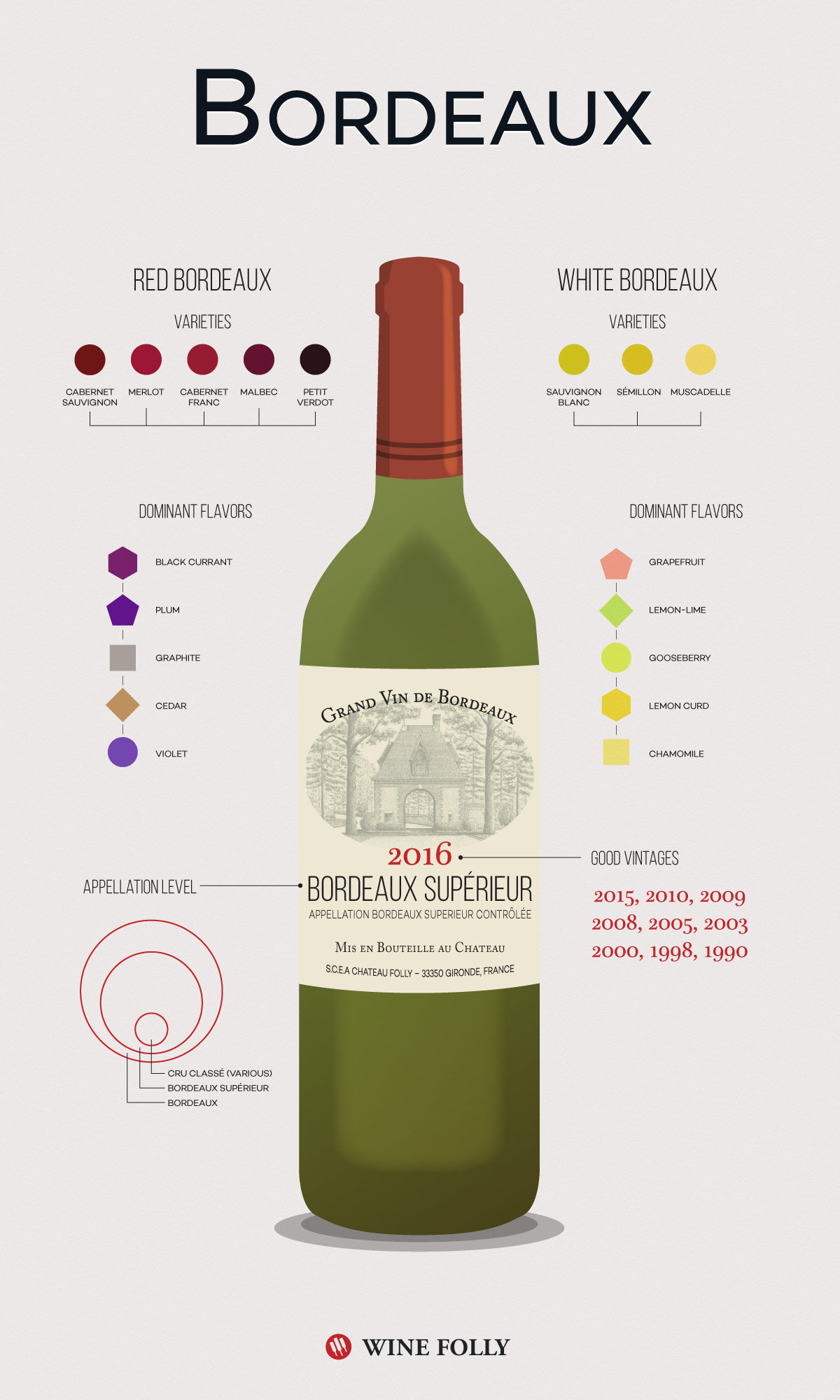
Understanding Bordeaux as an Alternative Asset Class
At its core, a Bordeaux refers to any wine produced within the Gironde department of France. However, from a financial perspective, the category is much narrower. Out of the thousands of estates in the region, only a few hundred are considered “investment grade.” These are the labels that command high prices at auction and show consistent appreciation over decades.
The Historical Value of the Region
The value of Bordeaux as an asset is rooted in centuries of prestige and a rigid regulatory framework known as the Appellation d’Origine Protégée (AOP). This system ensures that the supply of Bordeaux is strictly capped by geography and production laws. Unlike a corporation that can issue more shares or a central bank that can print more currency, the amount of “First Growth” Bordeaux produced in a given year is finite. This inherent scarcity is the primary driver of its long-term value. Historically, Bordeaux has outperformed many traditional indices during periods of economic downturn, largely because its value is derived from physical rarity and global prestige rather than quarterly earnings reports.
Supply and Demand: The Scarcity Principle
The investment thesis for Bordeaux relies on an inverse relationship between time and supply. When a top-tier vintage—such as 2000, 2005, or 2010—is released, the supply is at its peak. Over time, as bottles are opened and consumed, the remaining “float” of that vintage shrinks. Simultaneously, as the wine matures and reaches its peak drinking window, demand from collectors and high-net-worth individuals increases. This creates a supply-demand curve that almost necessitates price appreciation, provided the quality of the vintage is recognized by the market. In the context of “Money,” this makes Bordeaux a unique depleting asset that grows in value as it disappears.
The Mechanics of the Bordeaux Wine Market
Investing in Bordeaux requires an understanding of a market structure that is unlike the New York Stock Exchange or the NASDAQ. It is a market governed by tradition, critic scores, and a unique forward-purchasing system that allows investors to capitalize on value before the product even hits the shelves.
The En Primeur System (Wine Futures)
One of the most distinctive financial aspects of Bordeaux is the En Primeur system, effectively a “futures” market for wine. Each spring, the top châteaux offer the previous year’s harvest for sale while the wine is still aging in barrels. Investors purchase the wine at a “release price,” which is typically the lowest price the wine will ever be.
The incentive for the investor is to secure an allocation of a potentially legendary vintage at a discount, while the châteaux benefit from immediate cash flow. For the money-conscious individual, En Primeur represents an opportunity for significant capital gains over the two-year period between the purchase and the physical delivery of the bottles. However, this requires a keen eye for vintage quality and the ability to interpret early reviews from influential critics, whose scores can move the market by double-digit percentages overnight.
The Classification of 1855 and Price Tiering
In 1855, at the request of Emperor Napoleon III, Bordeaux wines were ranked into five “growths” based on their market value and reputation. Nearly 170 years later, this classification still dictates the financial hierarchy of the region. The “First Growths”—Château Lafite Rothschild, Château Mouton Rothschild, Château Latour, Château Margaux, and Château Haut-Brion—represent the “Mega-Cap” stocks of the wine world.
These brands possess immense “Brand Equity” and price inelasticity. Even in bear markets, these labels tend to hold their value due to their global recognition and status as ultimate luxury goods. Investors often use these names as the “defensive” portion of their wine portfolio, while looking to “Second Growths” or “Right Bank” icons like Petrus and Le Pin for higher-risk, higher-reward growth opportunities.

Risk Management and Portfolio Diversification
No investment is without risk, and Bordeaux is no exception. However, when compared to the volatility of tech stocks or the unpredictability of cryptocurrencies, Bordeaux offers a physical security that many investors find comforting. Managing a Bordeaux portfolio requires a different set of tools than managing a brokerage account.
Market Volatility vs. Traditional Stocks
Bordeaux has a low correlation with traditional financial markets. When the S&P 500 dips, the price of a 1982 Château Latour does not necessarily follow suit. This makes it an excellent hedge. According to data from Liv-ex (the London International Vintners Exchange), fine wine has historically shown lower volatility than most equity markets.
The “liquidity” of this asset, however, is literal, not financial. Unlike a stock that can be sold with the click of a button, selling physical wine can take weeks or months through auction houses or brokers. Investors must view Bordeaux as a long-term play—typically a 5 to 10-year horizon—to realize the best returns and navigate the “spread” between buy and sell prices.
Physical Storage and Insurance Costs
Unlike digital assets, Bordeaux requires physical upkeep. For the wine to retain its investment value, it must be stored in “professional bond”—temperature-controlled, humidity-monitored warehouses. If a bottle is stored in a private home cellar, it often loses its “provenance” and “tax-neutral” status, significantly lowering its resale value.
Furthermore, insurance is a mandatory expense. Investors must account for the “carrying costs” of the asset, which include storage fees and insurance premiums. While these costs are relatively low (usually around 1% of the portfolio value annually), they must be factored into the overall ROI (Return on Investment) calculations.
How to Start Investing in Bordeaux Today
For those looking to move capital into the Bordeaux market, there are several entry points ranging from “DIY” collecting to managed funds that treat wine exactly like a mutual fund.
Direct Ownership vs. Wine Investment Funds
The traditional route is direct ownership. An investor works with a reputable merchant to buy specific cases, which are then stored in a bonded warehouse. This gives the investor full control over their assets.
However, for those who prefer a “hands-off” approach, the rise of wine investment platforms and funds has democratized the process. Platforms like Vinovest or Cult Wine Investment allow individuals to deposit funds, which are then managed by algorithms and sommeliers to build a diversified portfolio of Bordeaux and other regions. These platforms handle the sourcing, storage, and eventual sale, charging a management fee in exchange for their expertise and the removal of logistical hurdles.
Key Vintages and Chateaux to Watch
In the current market, “Money” is flowing toward vintages that offer a combination of high critic scores and relative value compared to older, more expensive years. Vintages like 2016, 2019, and 2020 are currently being watched closely by analysts.
When selecting specific châteaux, the “Super Seconds” (estates officially ranked as Second Growths but producing First Growth quality) often provide the best ROI. Names like Château Cos d’Estournel, Château Montrose, and Château Palmer offer a lower barrier to entry than the First Growths but often experience faster percentage growth during market upswings.
Conclusion
So, what is a Bordeaux? It is more than a region; it is a sophisticated financial ecosystem. It is an asset class that rewards patience, research, and a long-term perspective. In an era where “paper wealth” can feel increasingly ephemeral, the tangibility and historical resilience of Bordeaux offer a compelling case for the modern investor. By understanding the mechanics of the En Primeur system, the importance of professional storage, and the hierarchy of the 1855 Classification, investors can leverage this “liquid gold” to build a more robust and diversified financial future. Whether you are looking to hedge against inflation or simply own a piece of history that appreciates in value, Bordeaux remains the ultimate intersection of culture and capital.
aViewFromTheCave is a participant in the Amazon Services LLC Associates Program, an affiliate advertising program designed to provide a means for sites to earn advertising fees by advertising and linking to Amazon.com. Amazon, the Amazon logo, AmazonSupply, and the AmazonSupply logo are trademarks of Amazon.com, Inc. or its affiliates. As an Amazon Associate we earn affiliate commissions from qualifying purchases.