
In the rapidly evolving landscape of medical technology, the biophysical ultrasound—formally known as the Biophysical Profile (BPP)—stands as a masterclass in the integration of acoustic engineering, real-time data processing, and diagnostic software. While expectant parents often view the ultrasound as a window into the womb, from a technological standpoint, it is a sophisticated data-gathering mission. It utilizes high-frequency sound waves to monitor fetal health, combining visual imaging with algorithmic scoring to assess physiological well-being.
As we move deeper into the era of digital health, the technology behind biophysical ultrasounds has transitioned from grainy black-and-white displays to high-fidelity, AI-enhanced systems capable of detecting minute physiological changes. Understanding what a biophysical ultrasound is requires a deep dive into the hardware, software, and data analytics that define this essential piece of MedTech.
The Mechanics of Biophysical Imaging Technology
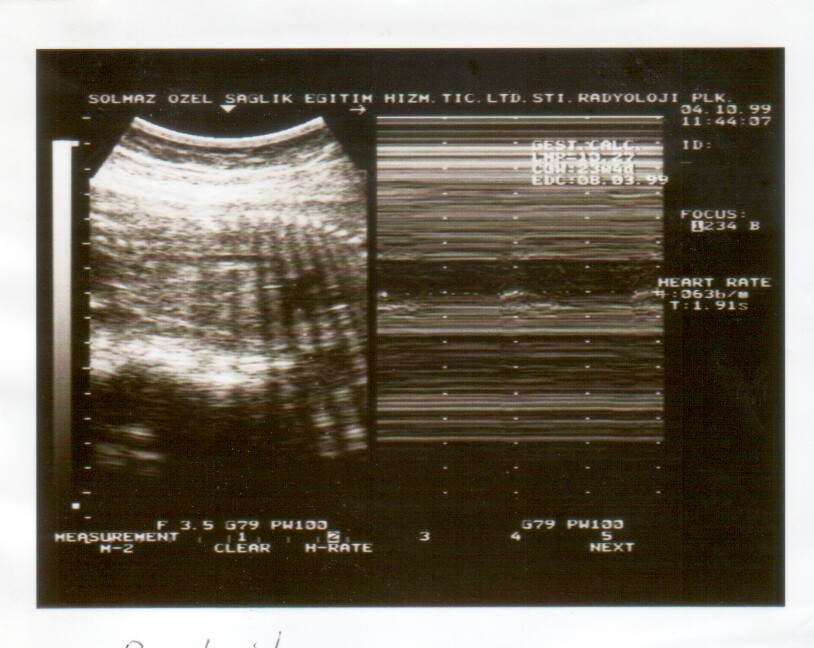
At its core, a biophysical ultrasound is an application of advanced sonography. Unlike a standard dating scan, the BPP is a multi-parametric technological assessment. It relies on the physics of sound to create a real-time digital map of a biological environment.
Transducers and Piezoelectric Principles
The hardware journey begins with the transducer, the handheld device that moves across the skin. Inside the transducer are piezoelectric crystals. When an electric current is applied, these crystals vibrate at incredibly high frequencies, emitting ultrasonic waves. These waves travel through the body and bounce off various tissues. The transducer then acts as a receiver, catching the returning echoes and converting them back into electrical signals.
Modern “wide-band” transducers allow for a broader range of frequencies, enabling tech-driven clarity that can distinguish between the density of amniotic fluid and the subtle texture of fetal skin. This precision is vital for the “biophysical” aspect of the scan, which requires high-resolution tracking of micro-movements.
Signal Processing and Real-Time Rendering
Once the electrical signals are received, the ultrasound’s internal processing unit takes over. This involves complex algorithms that calculate the “time of flight” for each sound wave to determine depth and the “amplitude” to determine density. Modern units utilize Graphics Processing Units (GPUs) similar to those found in high-end gaming computers to render these signals into images in real-time. This low-latency processing is crucial during a biophysical ultrasound because the technician must observe spontaneous movements, such as fetal breathing or limb extension, as they happen.
Data Integration: The Biophysical Profile (BPP) Scoring System
The “biophysical” part of the name refers to the specific set of parameters measured during the session. From a technical perspective, the BPP is a data-integration tool that assigns a binary score (0 or 2) to five specific biological markers.
Digitizing Fetal Movement and Tone
The software used in biophysical ultrasounds allows practitioners to quantify movements that were once subjective. Technological advancements in “frame-averaging” and “speckle reduction” help the software produce a crisp image where three or more discrete body movements can be logged within a 30-minute window.
Fetal tone—the ability of the fetus to flex and extend a limb—is a high-stakes data point. Technology now allows for “4D” imaging (3D plus time), giving a clearer spatial understanding of these movements. This ensures that the data logged into the BPP report is accurate, reducing the margin of human error in visual interpretation.
Amniotic Fluid Index (AFI) Computational Mapping
One of the most critical tech-driven components of the biophysical ultrasound is the measurement of amniotic fluid. This is no longer a simple visual “guess.” Instead, technicians use “pocket measurement” software tools. By clicking on specific quadrants of the digital image, the software automatically calculates the Amniotic Fluid Index (AFI). This data point is a proxy for placental function and fetal kidney health, demonstrating how imaging software translates biological status into actionable digital metrics.

The AI Revolution in Ultrasound Software
As we look at the current “Tech Trend” in medical imaging, Artificial Intelligence (AI) and Machine Learning (ML) are the most significant disruptors in the biophysical ultrasound space.
Automated Feature Recognition
Newer ultrasound platforms are integrated with AI models trained on millions of previous scans. These AI layers can perform “automated feature recognition,” identifying fetal organs and measuring the circumference of the head or abdomen with higher precision than a human operator might achieve manually. In a biophysical profile, AI can assist in detecting “fetal breathing movements,” which are often subtle chest wall expansions that can be difficult to track consistently over 30 minutes.
Predictive Analytics for Fetal Distress
The next frontier for biophysical ultrasound technology is predictive analytics. By feeding BPP scores into cloud-based big data platforms, developers are creating software that can predict the likelihood of fetal distress or the need for early intervention. These tools analyze historical data patterns to provide a “risk score” alongside the traditional BPP score, moving the technology from a reactive diagnostic tool to a proactive health management system.
Hardware Evolution: From Console-Based to Portable Tech
The physical form factor of ultrasound technology is undergoing a massive shift. The traditional biophysical ultrasound was performed on a massive, refrigerator-sized console. Today, the trend is toward decentralization and portability.
Point-of-Care Ultrasound (POCUS) Advancements
We are currently seeing the rise of “Handheld” or “Point-of-Care” Ultrasound (POCUS) devices. These gadgets plug directly into a smartphone or tablet, utilizing the mobile device’s processor to handle the imaging software. While a full BPP is still typically performed on high-end hospital machinery, the tech is becoming small enough that a biophysical check could theoretically be performed in a remote clinic or a patient’s home. This miniaturization is made possible by “Silicon-on-Chip” technology, where the complex circuitry of an ultrasound machine is shrunk onto a single microchip.
Telehealth Integration and Remote Monitoring
Digital security and cloud connectivity are now standard features in new ultrasound hardware. When a biophysical ultrasound is performed, the data is often uploaded to a Secure Cloud (PACS – Picture Archiving and Communication System). This allows a specialist located hundreds of miles away to review the high-resolution files, provide a second opinion, and update the patient’s digital health record instantly. This integration of IoT (Internet of Things) into the ultrasound workflow ensures that the “biophysical” data is part of a larger, interconnected tech ecosystem.
Future Horizons in Bio-Imaging Technology
The future of the biophysical ultrasound lies in the convergence of various high-tech fields, from augmented reality to genomic data layering.
4D Mapping and High-Definition Visualization
Standard 2D ultrasounds are being replaced by HD-Live and 4D rendering technologies. These systems use advanced light-source models to create realistic shadows and textures, giving clinicians a near-photographic view of the fetus. In the context of a BPP, this high-definition visualization allows for a more nuanced assessment of fetal behavior and physical structure, providing more granular data than was possible with older, grainier hardware.

The Role of Cloud Computing in Genomic-Imaging Data
In the coming years, we can expect the biophysical ultrasound to be paired with other data streams. Imagine a diagnostic suite where the ultrasound’s real-time imaging data is cross-referenced with the mother’s genomic data and real-time wearable sensor data (monitoring maternal heart rate or glucose levels). Cloud computing platforms will synthesize these diverse data sets to provide a holistic “biophysical” view that goes far beyond what a single sound wave can reveal.
As technology continues to advance, the biophysical ultrasound will remain a cornerstone of prenatal care, not just as a medical procedure, but as a pinnacle of engineering. It represents the perfect synergy of hardware durability and software intelligence, proving that in the modern world, the best way to understand biology is through the lens of high-tech innovation.
aViewFromTheCave is a participant in the Amazon Services LLC Associates Program, an affiliate advertising program designed to provide a means for sites to earn advertising fees by advertising and linking to Amazon.com. Amazon, the Amazon logo, AmazonSupply, and the AmazonSupply logo are trademarks of Amazon.com, Inc. or its affiliates. As an Amazon Associate we earn affiliate commissions from qualifying purchases.