
In the realm of personal and business finance, clarity is the cornerstone of success. Among the various tools used to maintain this clarity, the account statement stands as perhaps the most fundamental. At its core, an account statement is a periodic summary of financial activity within a specific account, provided by a financial institution such as a bank, credit card issuer, or brokerage firm. While it may appear as a dry list of numbers and dates, it is, in fact, a powerful narrative of your financial health, behavior, and progress.

Understanding how to read, interpret, and leverage an account statement is a critical skill for anyone looking to optimize their cash flow, protect their assets from fraud, and plan for long-term wealth. This guide explores the intricate details of account statements, their various forms, and why they remain an indispensable asset in modern money management.
Decoding the Anatomy: What Information Does an Account Statement Provide?
Every account statement, regardless of the institution issuing it, follows a logical structure designed to provide a snapshot of a specific time frame, known as the “statement cycle.” Understanding the various sections of this document allows you to quickly identify your financial standing without getting lost in the weeds of raw data.
Summary of the Reporting Period
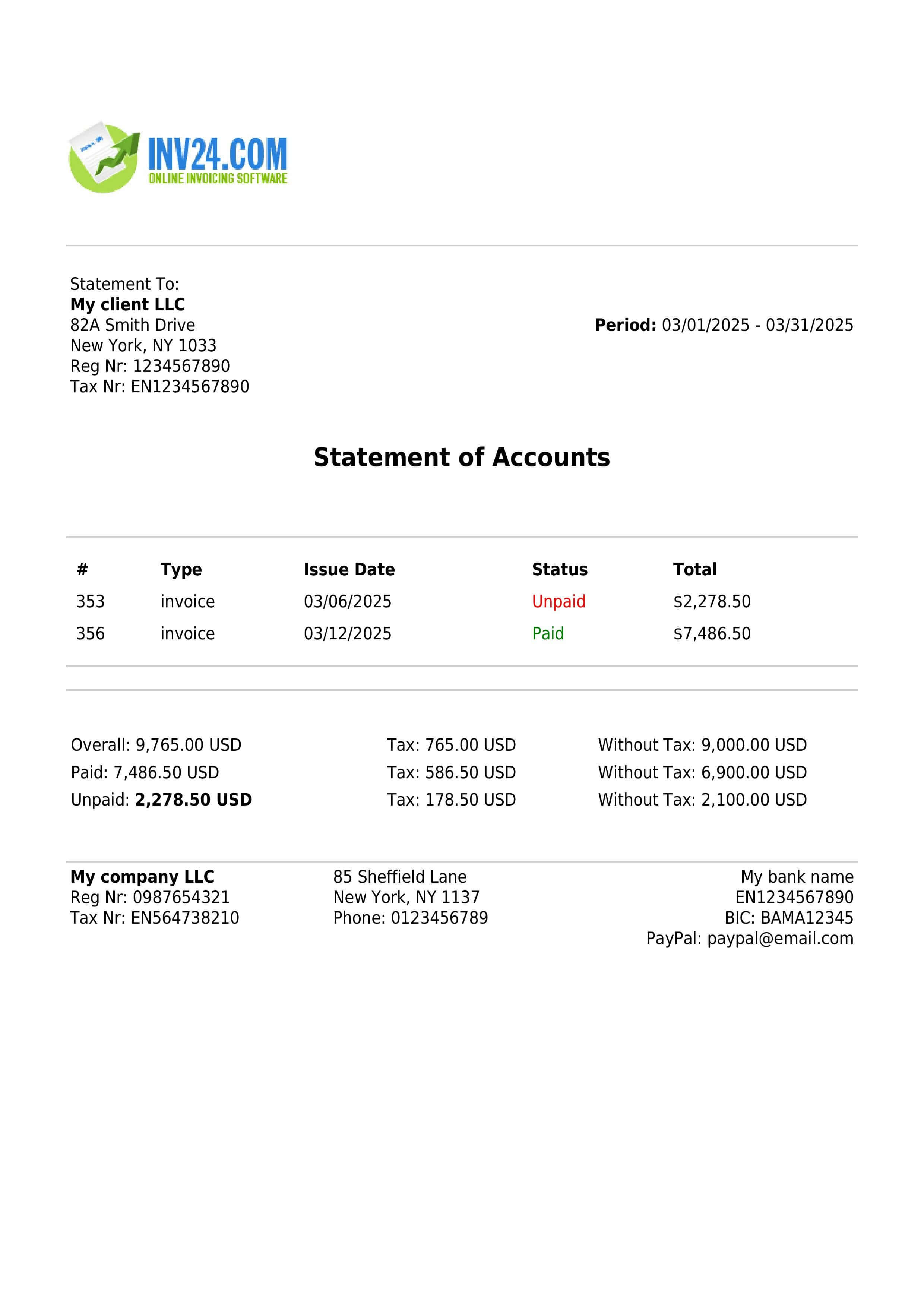
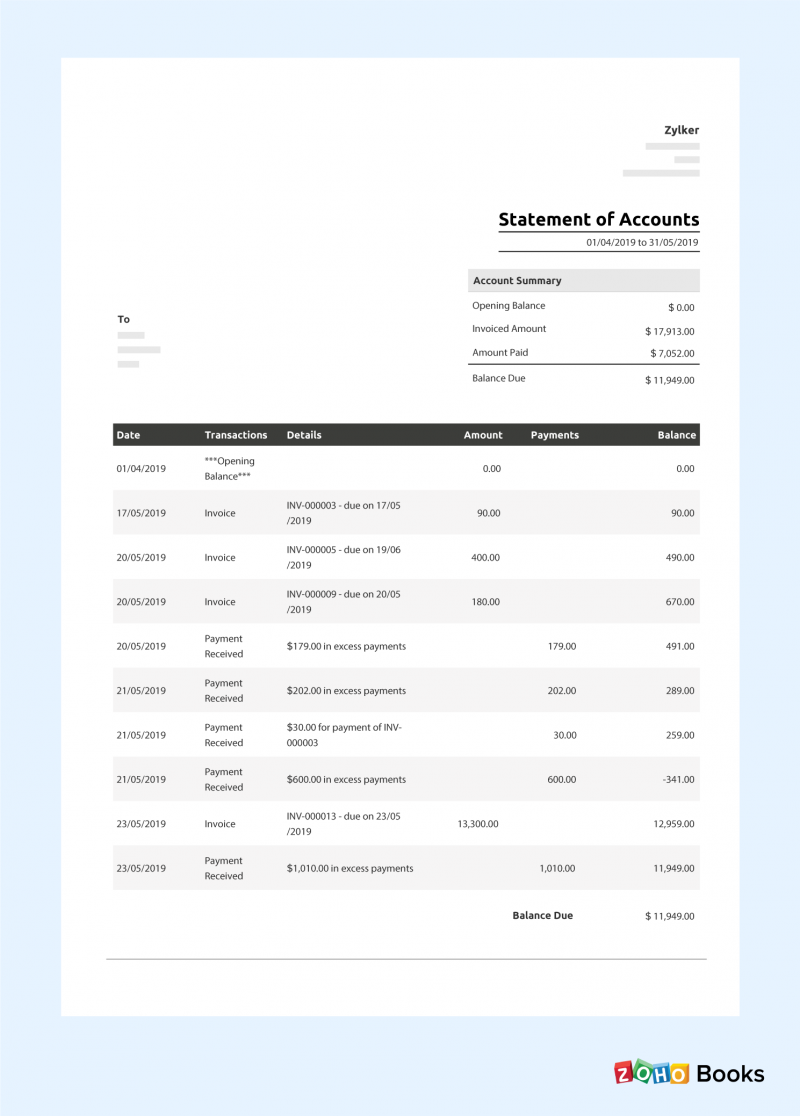
The top section of an account statement typically contains the “Big Picture” data. This includes the start and end dates of the statement cycle (usually 30 days), the opening balance (what you had at the beginning), and the closing balance (what remained at the end). For many, this is the most critical area, as it provides an immediate answer to whether their net worth in that specific account increased or decreased over the month.
Itemized Transaction History
The bulk of the statement is dedicated to the transaction history. This is a chronological list of every penny that moved in or out of the account. Each entry includes the date of the transaction, a description of the merchant or recipient, and the amount. In the context of business finance, this section is vital for reconciliation—ensuring that your internal books match the bank’s records. For individuals, it serves as a reality check on spending habits, highlighting exactly where “disposable income” is actually going.
Interest, Fees, and Penalties
Perhaps the most overlooked section is the summary of fees and interest. On a savings statement, this shows the interest earned (Yield), which is a positive indicator of growth. However, on checking or credit accounts, this section reveals the “cost of banking.” Overdraft fees, monthly maintenance charges, and ATM fees are often aggregated here. By reviewing this sub-section, savvy financial planners can identify if they need to switch to a more cost-effective banking tier or adjust their behavior to avoid unnecessary penalties.
Navigating Different Categories of Account Statements
Not all account statements are created equal. Depending on the financial vehicle you are using, the information prioritized by the statement will shift to reflect the specific goals of that account.
Banking Statements: Checking and Savings
Bank statements are the most common form of account statements. They focus heavily on liquidity and cash flow. For checking accounts, the emphasis is on the frequency of transactions—debit card swipes, ACH transfers, and check clearances. Savings account statements, conversely, are often shorter, focusing on the accumulation of interest and the consistency of deposits. These statements are the primary documents required by lenders when you apply for a mortgage or a personal loan, as they prove your ability to manage a steady flow of income.
Investment and Brokerage Statements
When dealing with brokerage accounts, 401(k)s, or IRAs, the account statement becomes more complex. In addition to cash balances, these statements include “Portfolio Holdings.” This H3 sub-section details the quantity of shares owned in various stocks, bonds, or mutual funds, their current market value, and the “unrealized gain or loss.” Investment statements are essential for evaluating performance against market benchmarks (like the S&P 500) and ensuring that your asset allocation remains aligned with your risk tolerance.
Credit Card Statements and Debt Management
A credit card statement is a specialized account statement that focuses on debt rather than assets. It highlights the “Minimum Payment Due,” the “Statement Balance,” and the “Due Date.” Crucially, credit card statements are now required by law to include a “Minimum Payment Warning.” This section calculates how many years it would take to pay off the balance if only the minimum is paid, and how much total interest would be charged. This makes the credit statement a vital tool for debt-reduction strategies, such as the debt snowball or debt avalanche methods.
Why Regular Review is Essential for Financial Health
In an era of automated payments and mobile banking apps, many people have stopped reviewing their full account statements, relying instead on quick balance checks. This is a strategic mistake. The monthly statement is a deep-dive audit that offers protections and insights that a simple app notification cannot match.
Identifying Unauthorized Transactions and Fraud
Digital security is a primary concern in modern finance. Fraudulent charges are not always large, headline-grabbing thefts; often, they are small, recurring “test” transactions designed to go unnoticed. By reviewing your itemized statement every month, you can spot discrepancies—such as a subscription you canceled but are still being charged for, or a merchant that double-billed you. Most financial institutions have a 30-to-60-day window for disputing charges; if you don’t catch the error on your statement, you may lose the right to a refund.
Tracking Cash Flow and Budgeting
Financial success is rarely about how much you make; it’s about how much you keep. Account statements provide the raw data needed for effective budgeting. By categorizing the transactions in a statement, you can see if your “dining out” or “entertainment” categories are ballooning. This retrospective look allows you to make data-driven adjustments for the following month. It transforms a reactive financial life into a proactive one, where every dollar is assigned a purpose.
Rectifying Discrepancies and Billing Errors
Banks and financial institutions are powered by complex software, but they are not infallible. Occasional errors—such as a deposit being credited to the wrong account or an interest rate being applied incorrectly—do happen. Your account statement is the “legal record” of your relationship with the bank. If you find a discrepancy, the statement provides the transaction IDs and dates necessary to file a formal dispute and protect your capital.
The Evolution of Statements: Transitioning from Paper to Digital (e-Statements)
The traditional image of a bank statement arriving in a thick paper envelope is rapidly becoming a relic of the past. The shift toward electronic statements (e-statements) has changed how we interact with our financial data, offering both advantages and new responsibilities.
Security Benefits of Digital Records
Paper statements sitting in an unlocked mailbox are a goldmine for identity thieves. They contain your full name, address, account numbers, and spending patterns. E-statements mitigate this risk by keeping the data behind encrypted portals. Furthermore, digital statements are archived by the bank for years, meaning you no longer need to keep physical filing cabinets full of sensitive documents that could be lost in a fire or flood.
Organizing Your Digital Paperwork for Longevity
While the bank stores your statements, it is a best practice in personal finance to download and save your own copies. Banks typically only keep statements accessible online for 2 to 7 years. If you are audited by the IRS or need to prove a financial history for a long-term legal matter, you may need records that exceed the bank’s retention policy. Creating a secure, encrypted folder on your own hardware or a secure cloud service ensures that your financial history remains in your control.
Using Account Statements as a Tool for Long-Term Wealth Management
Beyond the monthly check-in, account statements serve a strategic purpose in the grander architecture of your financial life. They are the building blocks of wealth management and tax strategy.
Preparation for Tax Season
When tax season arrives, your account statements are your best friends. They help identify tax-deductible expenses, charitable donations, and business expenses that can be written off. For investors, the year-end summary statement is crucial for calculating “Capital Gains” taxes. By keeping organized statements throughout the year, the “April rush” becomes a streamlined process of simply tallying the numbers already provided in your monthly summaries.
Assessing Portfolio Performance and Rebalancing
For those focused on investing and online income, the account statement is a scoreboard. It allows you to see the “Total Return” on your investments. If one asset class (like tech stocks) has grown significantly while another (like bonds) has shrunk, your statement will reveal that your portfolio is “out of balance.” This prompts a rebalancing strategy—selling high and buying low—to maintain your desired risk profile. Without the objective data provided by the account statement, these decisions would be based on emotion rather than mathematics.
In conclusion, an account statement is far more than a receipt; it is a comprehensive financial health report. By mastering the art of reading these documents, identifying the nuances between different account types, and utilizing them for fraud protection and budgeting, you position yourself for a lifetime of financial stability. In the world of money, knowledge is power, and that knowledge is contained within the pages of your statement.
aViewFromTheCave is a participant in the Amazon Services LLC Associates Program, an affiliate advertising program designed to provide a means for sites to earn advertising fees by advertising and linking to Amazon.com. Amazon, the Amazon logo, AmazonSupply, and the AmazonSupply logo are trademarks of Amazon.com, Inc. or its affiliates. As an Amazon Associate we earn affiliate commissions from qualifying purchases.