
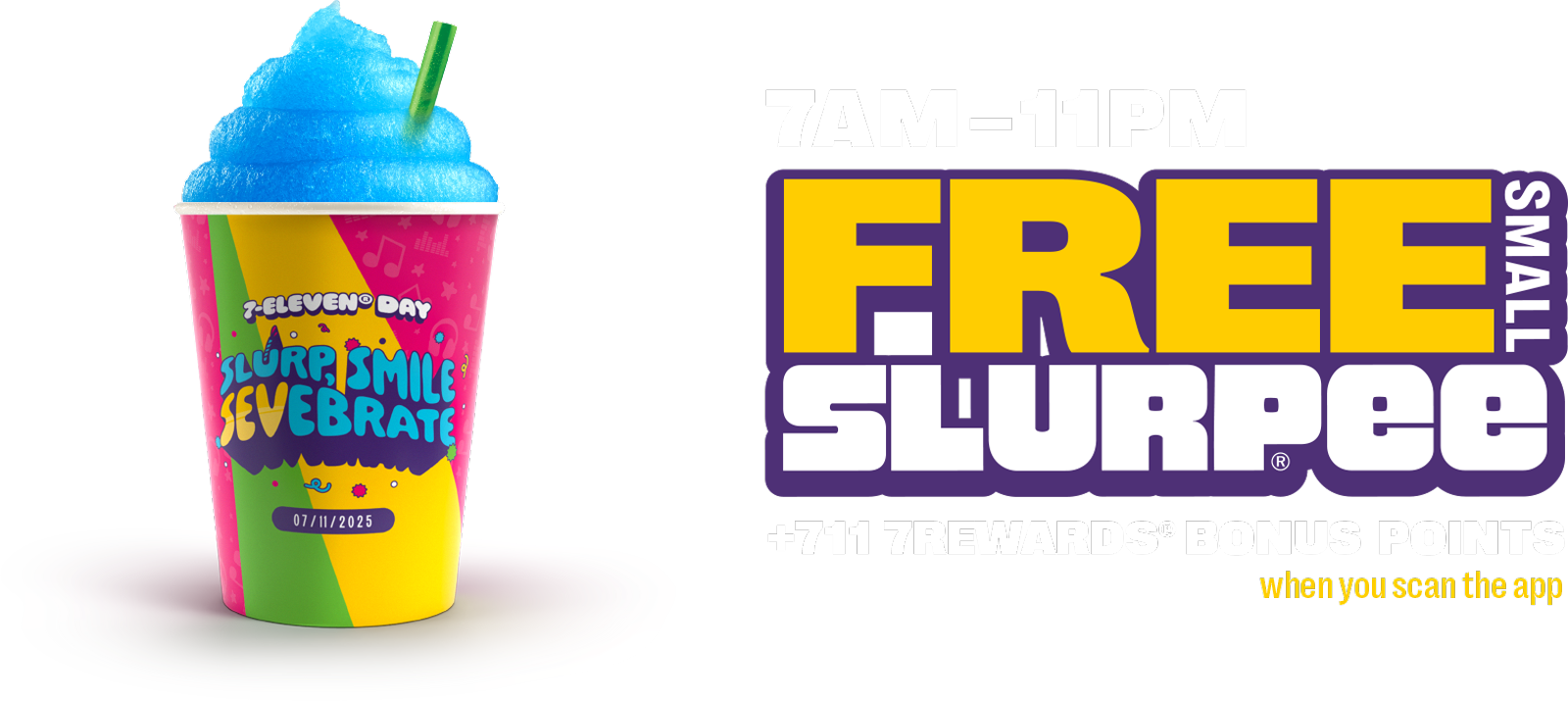
In the landscape of modern retail, few events are as synonymous with a specific date as 7/11 Day. Observed annually on July 11th, this event serves as the cornerstone of 7-Eleven’s brand identity, transforming a simple calendar date into a global marketing phenomenon. While the average consumer views 7/11 Day—also known as Free Slurpee Day—as a moment to grab a complimentary frozen beverage, brand strategists view it as a sophisticated exercise in foot traffic generation, customer acquisition, and long-term brand equity.
To understand what 7/11 Day truly represents, one must look past the sugar and ice and examine the strategic framework that has allowed a convenience store chain to claim a piece of the cultural calendar. This article explores how 7-Eleven uses this “brand holiday” to solidify its market position, drive digital transformation, and foster a level of community engagement that most retailers struggle to achieve.
The Strategic Anatomy of a Brand Holiday
The concept of a “brand holiday” is not unique to 7-Eleven—Amazon has Prime Day, and IHOP has National Pancake Day—but 7-Eleven was one of the first to master the mnemonic alignment between its name and a specific date. By claiming July 11th (7/11), the company created an evergreen marketing asset that requires little explanation and offers immediate recall.
The Historical Context of 7/11 Day
The tradition began in 2002 to celebrate the 75th anniversary of the company’s founding. What started as a one-time commemorative event quickly evolved into an annual fixture. From a branding perspective, this evolution was vital. It transitioned the company from a utility-based brand (a place you go because you need gas or milk) to an experiential brand (a place you go because of an emotional or nostalgic connection). The consistency of the event over two decades has built a generational bridge, where parents who enjoyed free Slurpees in the early 2000s now bring their children to participate in the same ritual.
The Power of Mnemonic Branding
The brilliance of 7/11 Day lies in its simplicity. Branding is often an uphill battle against the human brain’s tendency to forget information. By aligning the brand name with the date, 7-Eleven eliminates the “forgetting curve.” On July 11th, the date itself acts as a call to action. This creates a self-sustaining cycle of brand awareness that requires significantly less advertising spend each year because the date does the heavy lifting for the marketing department.
The Strategy Behind the Slurpee Giveaway
At its core, 7/11 Day is built on the marketing principle of the “loss leader.” While giving away millions of Slurpees represents a significant cost in terms of inventory and labor, the return on investment (ROI) is calculated through secondary purchases and massive increases in store volume.
Loss Leaders and Foot Traffic
In brand strategy, a loss leader is a product sold at a loss to attract customers who will then purchase higher-margin items. On 7/11 Day, the Slurpee is the bait. Once a customer is inside the store, the probability of them purchasing a “hot dog,” a bag of chips, or a tank of gasoline increases exponentially. This strategy effectively lowers the “Cost Per Acquisition” (CPA) for that day’s sales. Furthermore, it introduces the brand to new demographics who might not typically frequent a convenience store, effectively widening the top of the sales funnel.
User-Generated Content and Social Proof
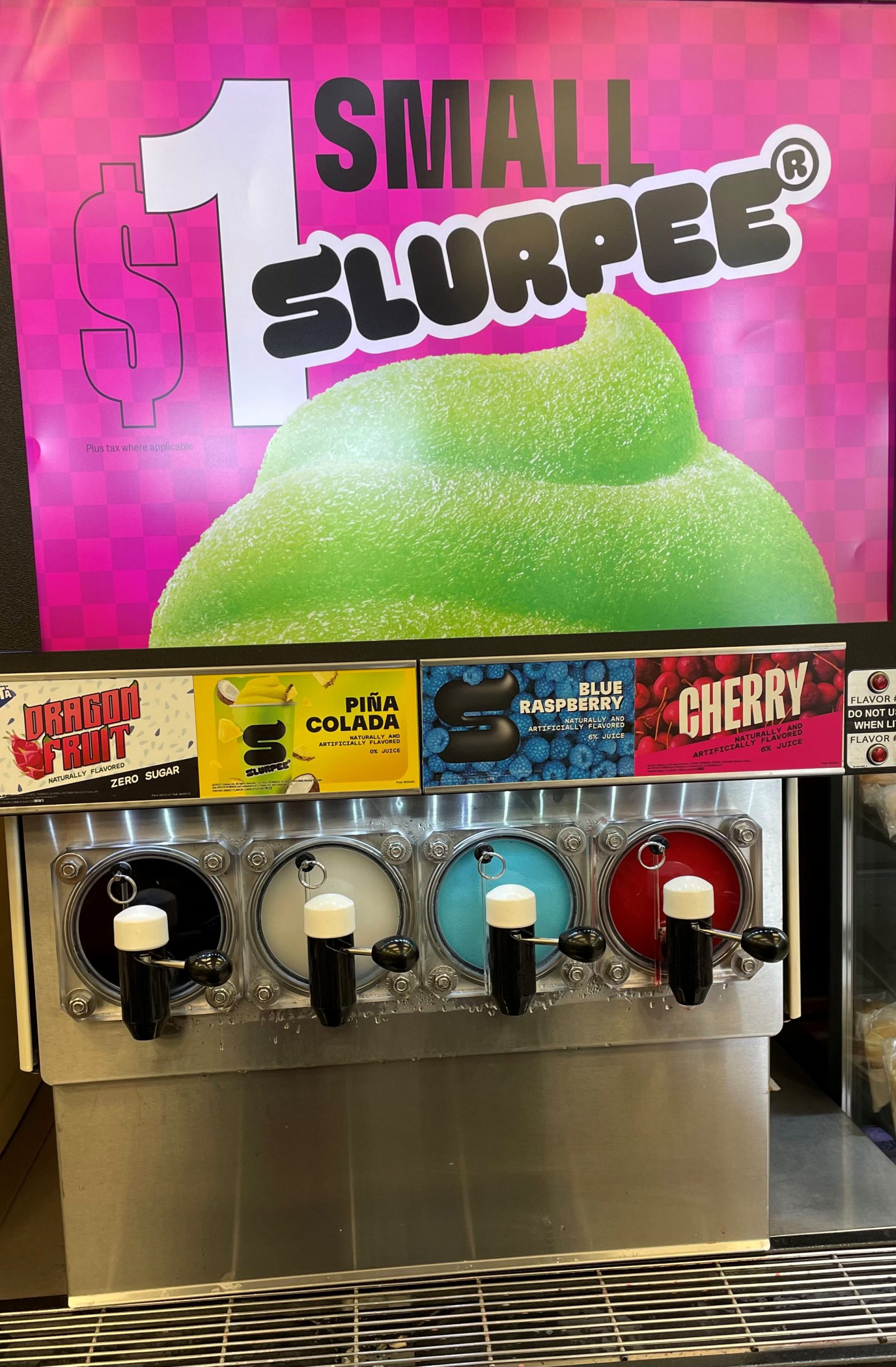
In the digital age, 7/11 Day has become a social media powerhouse. The visual nature of a bright, multi-colored Slurpee makes it “Instagrammable.” By providing a free, photogenic product, 7-Eleven incentivizes millions of customers to provide free advertising. Every “Slurpee selfie” posted to social media serves as a testimonial or “social proof” of the brand’s relevance. This organic reach is far more valuable than traditional paid advertising, as it comes from a trusted peer network rather than a corporate entity.
Digital Transformation of a Legacy Brand
In recent years, 7/11 Day has evolved from a simple “show up and get a drink” event into a sophisticated tool for digital transformation. The brand has used the holiday to pivot its customer base toward its digital ecosystem, specifically the 7REWARDS loyalty program and the 7-Eleven app.
Leveraging the 7REWARDS App
The strategy shifted significantly when 7-Eleven began requiring users to have the app or be members of the loyalty program to claim their free Slurpee. This was a masterstroke in brand strategy. It converted anonymous “one-off” customers into known, trackable data points. By trading a Slurpee (which costs the company cents) for a mobile app download and user data, 7-Eleven gains the ability to market to that customer 365 days a year through push notifications, personalized offers, and targeted rewards.
Gamification of the Customer Journey
To keep the brand fresh for younger, tech-savvy audiences, 7-Eleven has introduced gamification elements into 7/11 Day. This includes “slurpee-themed” digital stickers, early access for rewards members, and limited-edition digital collectibles. These tactics move the brand away from being seen as a “legacy convenience store” and toward being a “lifestyle brand.” By integrating the physical experience of visiting a store with a digital reward system, 7-Eleven creates a frictionless omnichannel brand experience.
Brand Identity and Community Engagement
A brand is more than a logo; it is a set of expectations and emotions. 7/11 Day plays a critical role in defining the 7-Eleven brand identity as generous, accessible, and community-focused.
Cultivating the “Neighborhood Store” Feel
Despite being a massive global corporation, 7-Eleven uses 7/11 Day to emphasize its local presence. Each franchise becomes a hub of community activity on July 11th. This grassroots engagement helps humanize the brand. In a retail world increasingly dominated by faceless e-commerce, the physical act of going to a local 7-Eleven and interacting with staff creates a “sense of place.” This emotional resonance is a powerful defensive moat against competitors like Amazon Go or traditional grocery stores.
Global Consistency vs. Local Relevance
While 7/11 Day is a global concept, its execution is often tailored to local markets, demonstrating the brand’s adaptability. Whether it is specific flavors localized to a region or different promotional tie-ins, the brand maintains its core identity while respecting local nuances. This balance of global consistency and local relevance is a hallmark of a mature, sophisticated brand strategy. It ensures that the brand feels like a global leader while remaining a local favorite.
Lessons for Modern Brand Managers
The success of 7/11 Day offers several high-level lessons for brand managers and marketing executives across all industries. It demonstrates that brand building is a long-term game that requires consistency, a willingness to give value upfront, and the ability to adapt to new technologies.
Turning a Date into a Destination
One of the most valuable takeaways from 7/11 Day is the power of “eventizing” a brand. By creating a specific day for celebration, 7-Eleven gives customers a reason to engage with the brand that isn’t purely transactional. For a brand to survive in a crowded marketplace, it must find ways to become a destination rather than just a utility. 7-Eleven achieved this by focusing on the “joy” of the product rather than the “convenience” of the store.

Sustainability of the Annual Event Model
The longevity of 7/11 Day proves that an annual event model is sustainable if it remains authentic to the brand’s core values. The Slurpee is the perfect vehicle for this because it is fun, affordable, and universally liked. Brands looking to replicate this success must identify their own “Slurpee”—a product or service that can serve as an emotional anchor for their community.
In conclusion, 7/11 Day is far more than a PR stunt. it is a calculated, multi-faceted brand strategy that drives foot traffic, captures vital consumer data, and builds deep emotional loyalty. By successfully bridging the gap between a 1920s convenience store model and a 2020s digital-first marketing approach, 7-Eleven has ensured that July 11th remains a date where the brand doesn’t just sell products—it celebrates its identity. For any professional interested in brand strategy, 7/11 Day remains one of the most effective case studies in how to turn a simple beverage into a global cultural moment.
aViewFromTheCave is a participant in the Amazon Services LLC Associates Program, an affiliate advertising program designed to provide a means for sites to earn advertising fees by advertising and linking to Amazon.com. Amazon, the Amazon logo, AmazonSupply, and the AmazonSupply logo are trademarks of Amazon.com, Inc. or its affiliates. As an Amazon Associate we earn affiliate commissions from qualifying purchases.