
In the landscape of global youth development, few organizations possess the brand equity and longevity of the 4-H Club. While many perceive it simply as a youth organization rooted in agriculture, from a brand strategy perspective, 4-H represents one of the most successful examples of “legacy brand evolution” in the non-profit sector. With over six million participants and a history spanning more than a century, the 4-H brand has managed to maintain a consistent core identity while pivotally adapting its value proposition to meet the needs of the 21st century.

Understanding what the 4-H Club is requires looking beyond its local club meetings and annual fairs. It requires an analysis of how a brand translates complex educational philosophies into a simple, recognizable, and trusted global identity. This article explores the strategic framework of 4-H, examining its brand evolution, its visual and symbolic power, and its mastery of community-driven marketing.
The Evolution of the 4-H Brand Identity
A brand’s survival over a century is rarely an accident. It is the result of a deliberate alignment between organizational mission and market relevance. For 4-H, the brand identity was forged in the early 1900s as a response to a specific social need: connecting public school education with country life.
From Rural Roots to Global Recognition
The 4-H brand was born from a grassroots movement that sought to modernize agriculture through youth engagement. At its inception, the brand’s “niche” was clear: it was the bridge between university research (via land-grant universities) and the rural family. However, a brand that remains static eventually becomes a relic.
The strategic evolution of 4-H involved transitioning from a purely “ag-centric” brand to a “youth-centric” brand. This shift allowed the organization to move into urban and suburban markets without losing its rural heritage. Today, the 4-H brand encompasses STEM, healthy living, and civic engagement. This transition is a masterclass in brand expansion—leveraging existing trust to introduce new “product lines” (educational programs) to a wider demographic.
Defining the Core Brand Values: Head, Heart, Hands, and Health
In branding, a “North Star” or mission statement guides every piece of communication. For 4-H, this is encapsulated in the four H’s: Head, Heart, Hands, and Health.
- Head (Clearer Thinking): This represents the brand’s commitment to cognitive development and decision-making.
- Heart (Greater Loyalty): This speaks to the brand’s emotional resonance and community spirit.
- Hands (Larger Service): This highlights the brand’s “learning by doing” methodology, a key differentiator in the education market.
- Health (Better Living): This positions the brand as a holistic provider of well-being.
By anchoring the brand to these four pillars, 4-H ensures that regardless of whether a child is building a robot in San Francisco or raising a heifer in Nebraska, the brand experience remains identical. These pillars serve as the brand’s “Value Proposition,” promising parents and educators a comprehensive developmental framework.
Visual Identity and the Power of the Green Clover
One of the most vital components of the 4-H brand is its visual identity. The four-leaf clover is more than just a logo; it is a protected emblem under federal law in the United States, granting it a level of brand protection similar to the Presidential Seal or the Olympic Rings.
The Symbolism of the Logo
The green four-leaf clover is an exercise in effective brand symbolism. Green represents growth, life, and youth—universal associations that align perfectly with the organization’s mission. The white “H” on each leaf provides a stark, high-contrast visual that is easily reproducible across various media, from digital apps to embroidered patches.
From a design strategy standpoint, the clover functions as a “trust mark.” In a crowded market of after-school programs, the clover signals a standard of quality and safety. It is a visual shorthand for a century of experience. The consistency of this logo over decades has built an immense amount of “brand recall,” where the mere sight of the clover evokes feelings of nostalgia, community, and achievement.
Maintaining Brand Consistency Across Local Chapters
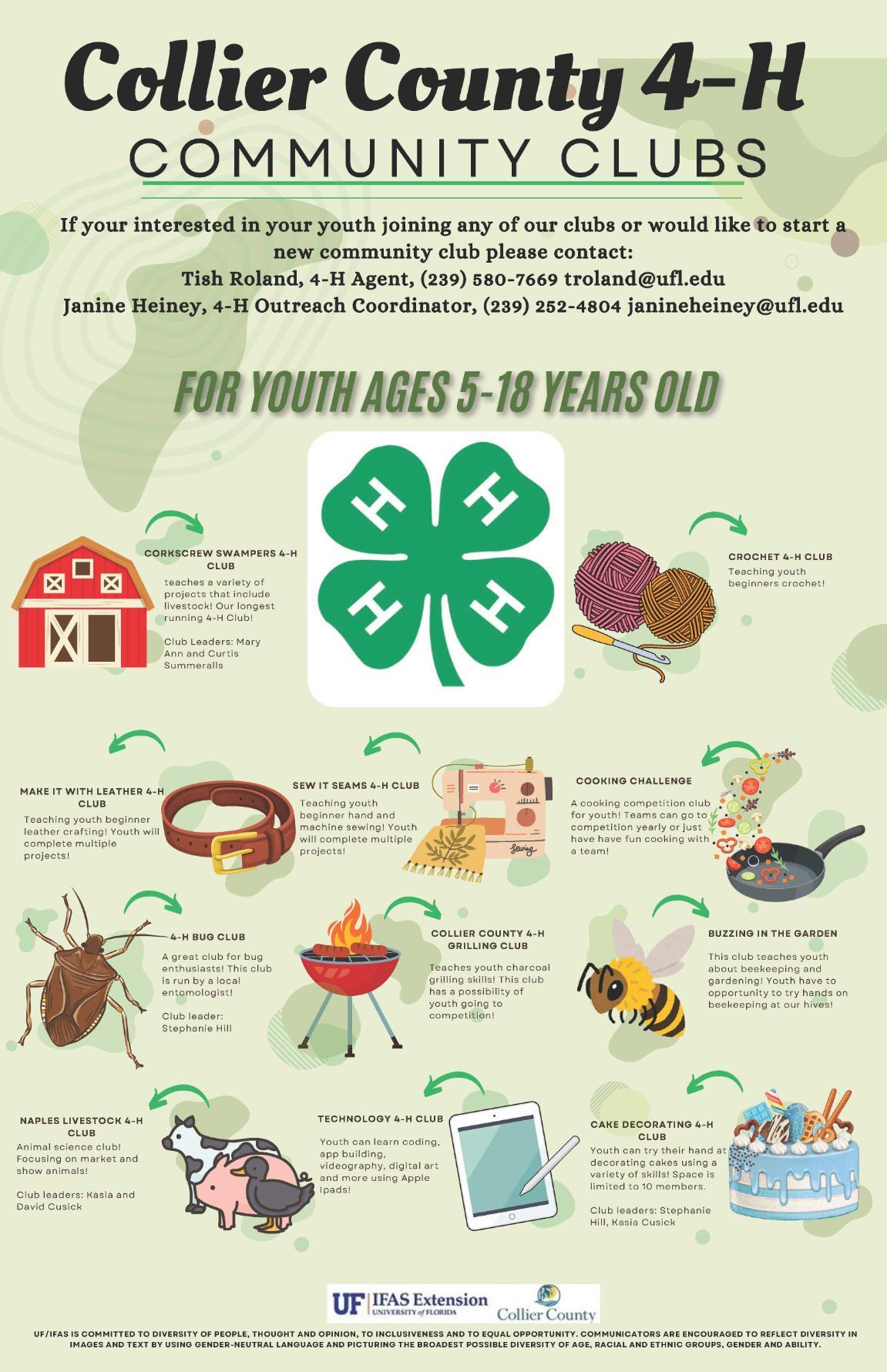
A significant challenge for any global brand is maintaining “brand voice” across decentralized locations. 4-H operates through thousands of local clubs, often led by volunteers. To manage this, the brand utilizes a rigorous brand guidelines system.
These guidelines dictate everything from the exact shade of “4-H Green” (PMS 347) to the placement of the emblem. By providing local chapters with professional marketing toolkits, 4-H ensures that its corporate identity is never diluted. This consistency is crucial for securing corporate sponsorships and federal funding; stakeholders need to know that the brand they are investing in is professional, cohesive, and disciplined.
Strategic Brand Repositioning for the 21st Century
In the last two decades, 4-H has undergone a deliberate “rebranding” of its utility. Recognizing that the “farmer” stereotype could limit growth in a digital-first economy, the organization moved to highlight its contributions to tech and innovation.
Shifting from “Farming” to “Future Leaders”
The brand’s strategic pivot involved a narrative shift. Instead of focusing on the subject (agriculture), the brand began to focus on the outcome (leadership and life skills). This is a classic brand strategy move: sell the benefit, not the feature.
By launching initiatives like the “4-H STEM Challenge,” the brand successfully repositioned itself as a leader in tech education. This allowed 4-H to partner with major corporate brands like Google, Microsoft, and Bayer. These partnerships served as “brand endorsements,” validating 4-H’s relevance in the modern workforce. The message became clear: 4-H is not just about where food comes from; it’s about where the next generation of innovators comes from.
Leveraging Digital Marketing and Alumni Engagement
Modern brand strategy relies heavily on data and storytelling. 4-H has harnessed the power of its massive alumni network—which includes celebrities, astronauts, and business leaders—to act as brand ambassadors. The “4-H Grown” campaign is a prime example of using social proof to bolster brand authority.
By sharing the success stories of former members, the brand reinforces its value to current and prospective “customers” (parents and youth). Furthermore, their digital presence utilizes modern content marketing—vlogs, interactive web platforms, and social media storytelling—to reach Gen Z and Gen Alpha. This multi-generational approach ensures that the brand remains top-of-mind for both the decision-makers (parents) and the end-users (children).
Case Study: 4-H as a Model for Community-Driven Branding
The success of the 4-H brand offers valuable lessons for any corporate or personal brand looking to build a loyal community. 4-H does not just have “customers”; it has “advocates.”
The Power of Grassroots Brand Ambassadorship
What makes 4-H unique is its decentralized marketing engine. Every local fair, every community service project, and every club meeting acts as a “touchpoint” for the brand. This is the epitome of grassroots branding.
When a 4-H member wears their club jacket in public, they are a walking advertisement. This organic visibility is more powerful than any paid billboard campaign because it is rooted in authenticity. The brand strategy here is to empower the user to become the face of the brand. By providing members with a sense of belonging and tangible rewards (ribbons, scholarships, leadership roles), the organization creates a feedback loop of brand loyalty.

Measuring Brand Impact and Social Equity
In the modern era, a brand’s value is increasingly tied to its “Social Impact.” 4-H has strategically positioned itself as a driver of social equity. Through programs aimed at underserved urban populations and marginalized rural communities, the brand has demonstrated that its values are not just marketing slogans but operational mandates.
This commitment to social impact enhances the brand’s “Brand Purpose.” Today’s consumers—especially younger generations—want to align with brands that stand for something larger than themselves. By focusing on “Positive Youth Development” (PYD), 4-H has defined a brand purpose that is universally appealing and socially vital.
In conclusion, the 4-H Club is a masterclass in brand strategy. It has successfully navigated the transition from a niche agricultural collective to a global powerhouse of youth development. By maintaining a rock-solid core identity (the four H’s), protecting its iconic visual assets (the clover), and courageously repositioning itself for the digital age, 4-H has created a brand that is as relevant today as it was in 1902. It serves as a reminder that the strongest brands are those that can honor their past while aggressively pursuing the future.
aViewFromTheCave is a participant in the Amazon Services LLC Associates Program, an affiliate advertising program designed to provide a means for sites to earn advertising fees by advertising and linking to Amazon.com. Amazon, the Amazon logo, AmazonSupply, and the AmazonSupply logo are trademarks of Amazon.com, Inc. or its affiliates. As an Amazon Associate we earn affiliate commissions from qualifying purchases.