
In the modern digital era, the quest for a perfect night’s rest has evolved from a simple matter of comfort to a complex field of biohacking and technological optimization. As we navigate an age defined by “always-on” connectivity, the tech industry has pivoted toward solving the very problem it helped create: sleep deprivation. Central to this movement is the use of specific sound frequencies to manipulate brainwave states. The question of “what Hz is best for sleep” is no longer just a biological inquiry; it is a technical challenge being addressed by software engineers, hardware designers, and AI developers.
Understanding the intersection of psychoacoustics and digital delivery is essential for anyone looking to leverage technology to enhance their recovery. By examining the specific frequencies that trigger deep sleep and the gadgets designed to deliver them, we can build a comprehensive picture of the current sleep-tech landscape.
The Digital Architecture of Delta and Theta Waves
At the heart of sleep-tech is the concept of brainwave entrainment. This is a method where external stimuli—usually rhythmic sound or light—pulse at a specific frequency, encouraging the brain’s internal electrical activity to align with that frequency.
Understanding Brainwave Entrainment
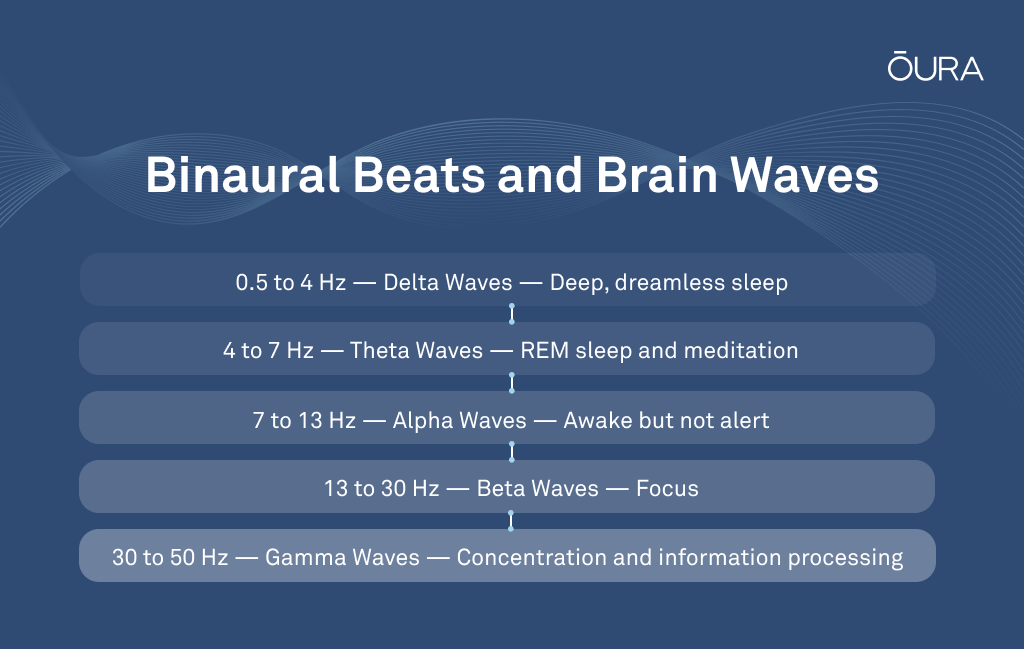
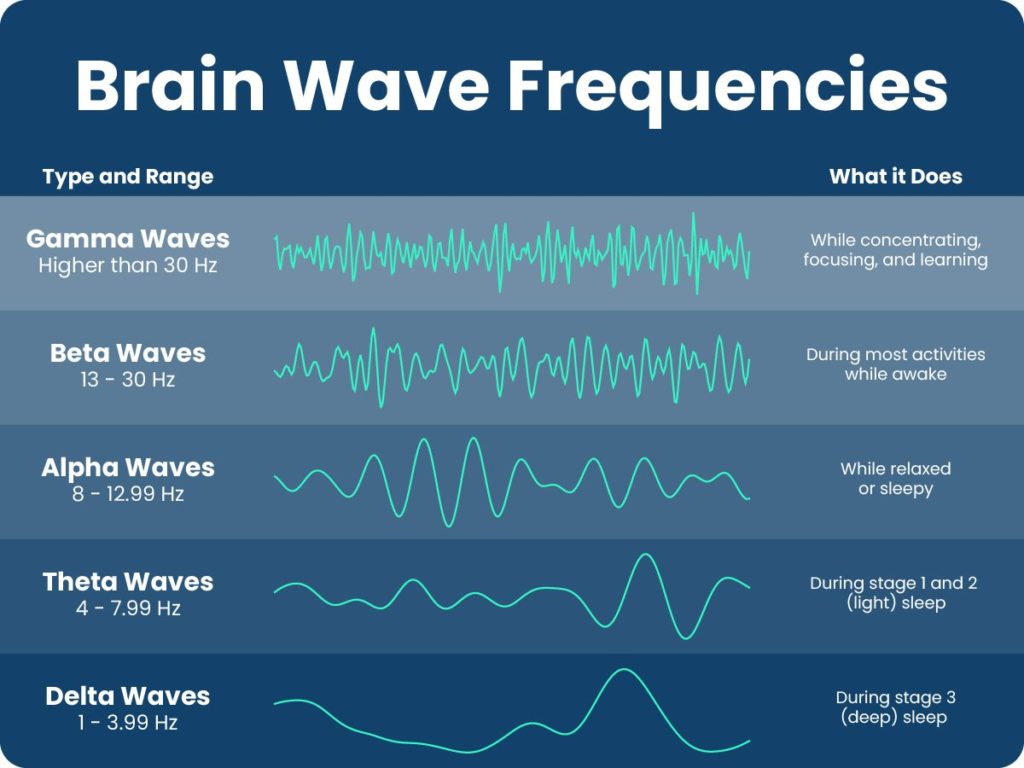
Our brains operate on different frequency bands depending on our state of consciousness. From the high-frequency Beta waves of active problem-solving (12–30 Hz) to the slow, rhythmic pulses of deep rest, these electrical patterns define our cognitive experience. Entrainment technology seeks to “pull” the brain from a high-frequency state into a lower-frequency state using digital signals. This is the foundation of most modern sleep apps and sound therapy devices.
The 0.5 to 4 Hz Range: The Gold Standard for Deep Sleep
If the goal is profound physical restoration and memory consolidation, the Delta frequency range (0.5 to 4 Hz) is the technological target. Delta waves are associated with the deepest stages of NREM (non-rapid eye movement) sleep.
Current sleep-tech software focuses heavily on delivering these ultra-low frequencies. However, because the human ear cannot typically hear sounds below 20 Hz, tech developers must use specialized delivery methods like binaural beats or isochronic tones to “trick” the brain into perceiving these 0.5 to 4 Hz rhythms. For the tech-savvy user, finding a tool that focuses on these specific sub-4 Hz outputs is critical for achieving Stage 3 and 4 sleep.
Why 432 Hz is Trending in the Wellness Software Space
While Delta waves represent the “target” brain state, the carrier frequency—the audible tone used to deliver the pulse—also matters. Recently, there has been a significant trend in audio software toward 432 Hz tuning. Unlike the standard ISO 16 pitch of 440 Hz used in most modern music, 432 Hz is often marketed as “Verdi’s A” and is claimed to be more mathematically consistent with the natural world. From a technical perspective, many developers are now offering 432 Hz as a toggleable setting in meditation and sleep apps, citing its perceived ability to reduce heart rate and lower cortisol levels more effectively than standard tuning.
Software Solutions: Binaural Beats vs. Isochronic Tones
The delivery of sleep frequencies is primarily a software-driven endeavor. Two main technologies dominate the market: binaural beats and isochronic tones. Understanding the technical differences between them is vital for choosing the right digital tool.
The Algorithm Behind Stereo Separation
Binaural beats are perhaps the most popular tech-based sleep aid. They work by sending two slightly different frequencies to each ear. For example, if you play 100 Hz in the left ear and 103 Hz in the right, the brain processes the mathematical difference—3 Hz—which falls squarely into the Delta sleep range.
The technical requirement here is strict: the user must use stereo headphones. Without distinct left and right channel separation, the effect is neutralized. Software developers have optimized these algorithms to integrate with ambient sounds, such as rainfall or white noise, masking the mechanical drone of the beat to make it more palatable for long-term use.
AI-Driven Generative Soundscapes
The next frontier in sleep software is Generative AI. Traditional sleep tracks are static loops that can eventually lead to “habituation,” where the brain begins to ignore the stimulus. New AI platforms, such as Endel or Brain.fm, use machine learning to create real-time, personalized soundscapes.
These AI tools take inputs from the user’s environment—such as time of day, weather, and even heart rate data from a smartwatch—to generate a unique frequency stream that evolves throughout the night. By subtly shifting the Hz levels based on the user’s current sleep stage, these apps represent the pinnacle of personalized sleep technology.
Hardware Integration: From Sleep-Grade Headphones to Smart Bedding
No matter how sophisticated the software, the efficacy of frequency-based sleep therapy depends on the hardware. The physical interface between the digital signal and the human ear has seen massive innovation in recent years.
Noise-Masking Technology vs. Active Sound Therapy
Traditional noise-canceling headphones are often too bulky for side-sleepers. This led to the rise of “sleepbuds”—ultra-compact, ergonomic earpieces designed specifically for nocturnal wear. Unlike standard Active Noise Canceling (ANC) tech, which uses destructive interference to “cancel” outside noise, sleep-specific hardware often focuses on “noise masking.”
These devices are engineered to play frequency-optimized “colors” of noise (White, Pink, or Brown noise) at a consistent Hz level that covers environmental disruptions. Tech companies like Ozlo (formed by former Bose engineers) are refining this hardware to ensure that the Delta-frequency delivery remains stable even as the user moves during the night.
The Rise of Bio-Sensing Wearables
To know which Hz is working, the hardware must be able to track the results. This has led to the integration of sleep-frequency tech with bio-sensing wearables like the Oura Ring or Whoop strap. These devices use photoplethysmography (PPG) sensors to track heart rate variability (HRV) and respiratory rates.
The most advanced tech ecosystems now allow for “closed-loop” systems. For instance, if your wearable detects that you have moved from deep sleep into a lighter stage prematurely, it can trigger your smart home audio system to adjust its Hz output, nudging your brain back into a Delta state.
Digital Security and Privacy in the Sleep-Tech Ecosystem
As sleep becomes increasingly data-driven, the tech industry faces a growing challenge regarding digital security. When we use apps to find the “best Hz for sleep,” we are often trading highly sensitive biometric data for better rest.
Protecting Your Biometric Sleep Data
Sleep data—including heart rate, movement patterns, and even recordings of nighttime audio—is incredibly personal. As more apps move toward cloud-based AI processing to refine their frequency delivery, the risk of data breaches increases. Users must look for platforms that utilize end-to-end encryption and on-device processing. The tech industry is currently seeing a push toward “Edge AI,” where the machine learning models that determine your ideal sleep Hz run locally on your phone or wearable, rather than on a remote server.
The Ethics of Algorithmic Sleep Modification
There is also a burgeoning conversation around the ethics of “algorithmic sleep.” If a third-party app has the power to influence your brainwaves via frequency entrainment, the security of that software becomes paramount. Ensuring that these tools are transparent in their Hz delivery and do not include “dark patterns” designed to keep users tethered to the app is a major focus for tech ethicists and regulatory bodies.
The Future of Frequency-Based Sleep Optimization
The convergence of neuroscience and technology suggests a future where sleep is not just something that happens to us, but something we precisely engineer.
Machine Learning and Personalized Sound Profiles
We are moving away from the “one-size-fits-all” approach. While 1–4 Hz is the general target for deep sleep, every individual’s brain architecture is unique. Future tech will likely involve a “calibration phase” where an app tests various frequencies and monitors the user’s EEG (brainwave) response in real-time. By identifying the exact Hz that triggers the fastest transition into NREM sleep for a specific user, software will be able to provide a bespoke “digital sedative.”

Beyond Audio: Electromagnetic Frequency (EMF) Stimulation
While sound is the primary medium today, the tech industry is exploring other ways to deliver frequencies. Transcranial Magnetic Stimulation (TMS) and other non-invasive “wearable headbands” (like the Muse or Dreem) are experimenting with using low-frequency electromagnetic pulses to encourage Delta wave production directly. This hardware bypasses the auditory system entirely, representing a more direct—and more powerful—technological intervention.
In conclusion, determining “what Hz is best for sleep” is the gateway to a massive tech-driven wellness industry. By focusing on the Delta range (0.5–4 Hz) through sophisticated software like AI-generated binaural beats and specialized hardware like bio-sensing sleepbuds, we can leverage the best of modern technology to reclaim our rest. As these tools become more personalized and secure, the boundary between technology and biology will continue to blur, making a perfect night’s sleep a matter of the right digital settings.
aViewFromTheCave is a participant in the Amazon Services LLC Associates Program, an affiliate advertising program designed to provide a means for sites to earn advertising fees by advertising and linking to Amazon.com. Amazon, the Amazon logo, AmazonSupply, and the AmazonSupply logo are trademarks of Amazon.com, Inc. or its affiliates. As an Amazon Associate we earn affiliate commissions from qualifying purchases.