
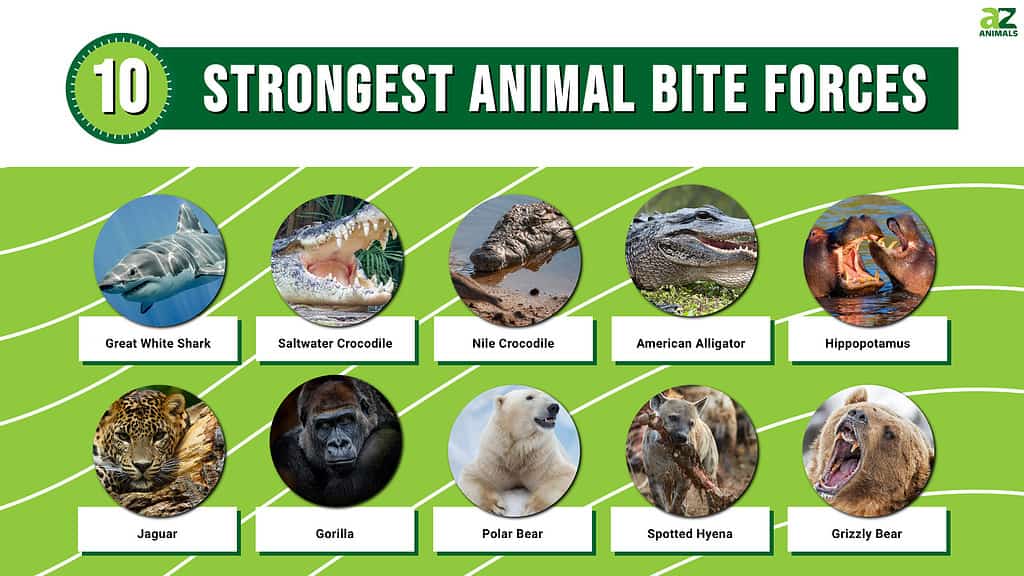
The quest to identify what has the strongest bite force is no longer a matter of mere biological curiosity or anecdotal observation. In the modern era, this question sits at the intersection of mechanical engineering, materials science, and high-performance computing. To understand how a Saltwater Crocodile exerts 3,700 pounds per square inch (PSI), or how the prehistoric Megalodon might have crushed its prey with over 40,000 pounds of force, we must look to the sophisticated technology that allows us to quantify, simulate, and ultimately replicate these incredible physical feats.
Measuring the Unmeasurable: The Sensor Technology of Bite Force
Quantifying the “bite” of a living organism requires more than a simple scale. It demands sensors that can withstand extreme pressure while maintaining a high degree of sensitivity. The evolution of this technology has moved from rudimentary mechanical gauges to digital systems capable of capturing data at micro-millisecond intervals.
Piezoelectric Sensors and Load Cells
At the heart of modern bite force measurement is the piezoelectric sensor. These devices utilize crystals that generate an electric charge in response to applied mechanical stress. When an animal or a mechanical prototype bites down on a sensor plate, the pressure is converted into a digital signal. Load cells, which often use strain gauges, are integrated into “gnathodynamometers”—specialized instruments designed specifically for measuring jaw strength. The challenge for tech developers is creating a sensor housing that is thin enough to fit comfortably in a jaw but durable enough not to be pulverized by the very force it is trying to measure.
The Challenges of In-Vivo Data Collection
Measuring bite force in a laboratory setting is one thing; measuring it in the wild is another technological hurdle entirely. Engineers have developed “smart” bite plates equipped with wireless telemetry. These devices can be deployed in the field, allowing researchers to capture data from predators in their natural habitats. The data is transmitted via Bluetooth or satellite link to a remote receiver, ensuring that the physical hardware does not need to be recovered immediately, which is a vital safety feature when dealing with apex predators like Great White Sharks or Nile Crocodiles.
Digital Calibration and Signal Processing
Once the raw data is captured, advanced signal-processing software filters out “noise”—vibrations or secondary movements that could skew the results. Digital calibration ensures that the PSI readings are accurate across different temperatures and environments, as the physical properties of sensors can change in the freezing depths of the ocean or the heat of the savanna.
The Digital Frontier: AI and Finite Element Analysis (FEA)
Where physical sensors cannot go, software takes over. For extinct creatures or animals too dangerous to handle, tech-driven simulation provides the answers. Finite Element Analysis (FEA) is the gold standard in this field, a technology originally developed for aerospace and civil engineering.
Reconstructing Ancient Predators with 3D Modeling
To determine the bite force of a Tyrannosaurus Rex or a Dunkleosteus, scientists use high-resolution CT scans of fossilized skulls. These scans are converted into complex 3D meshes. FEA software then breaks these meshes down into millions of “elements.” By assigning material properties to these elements—simulating bone density, cartilage elasticity, and muscle attachment points—engineers can run simulations to see where the skull would experience the most stress and how much force it could realistically exert before fracturing.
AI-Driven Predictive Modeling
Artificial Intelligence is now being used to fill in the gaps where fossil records are incomplete. Machine learning algorithms analyze the relationship between jaw morphology and bite force in thousands of extant species. By feeding this data into a neural network, researchers can predict the bite force of a newly discovered species with startling accuracy based solely on its bone structure. This predictive modeling allows us to rank “bite force” across the entire history of life on Earth, creating a digital leaderboard of biological power.
Stress Testing Digital Twins
Beyond just finding the “strongest” bite, FEA allows researchers to perform “what-if” scenarios. What happens if a predator bites a moving target versus a stationary one? What is the impact of a “twist” during the bite? This level of digital stress testing provides a holistic view of mechanical advantage that raw PSI numbers cannot capture, showing how the distribution of force is just as important as the magnitude.
Bio-Mimicry and Robotics: Putting Bite Force to Work
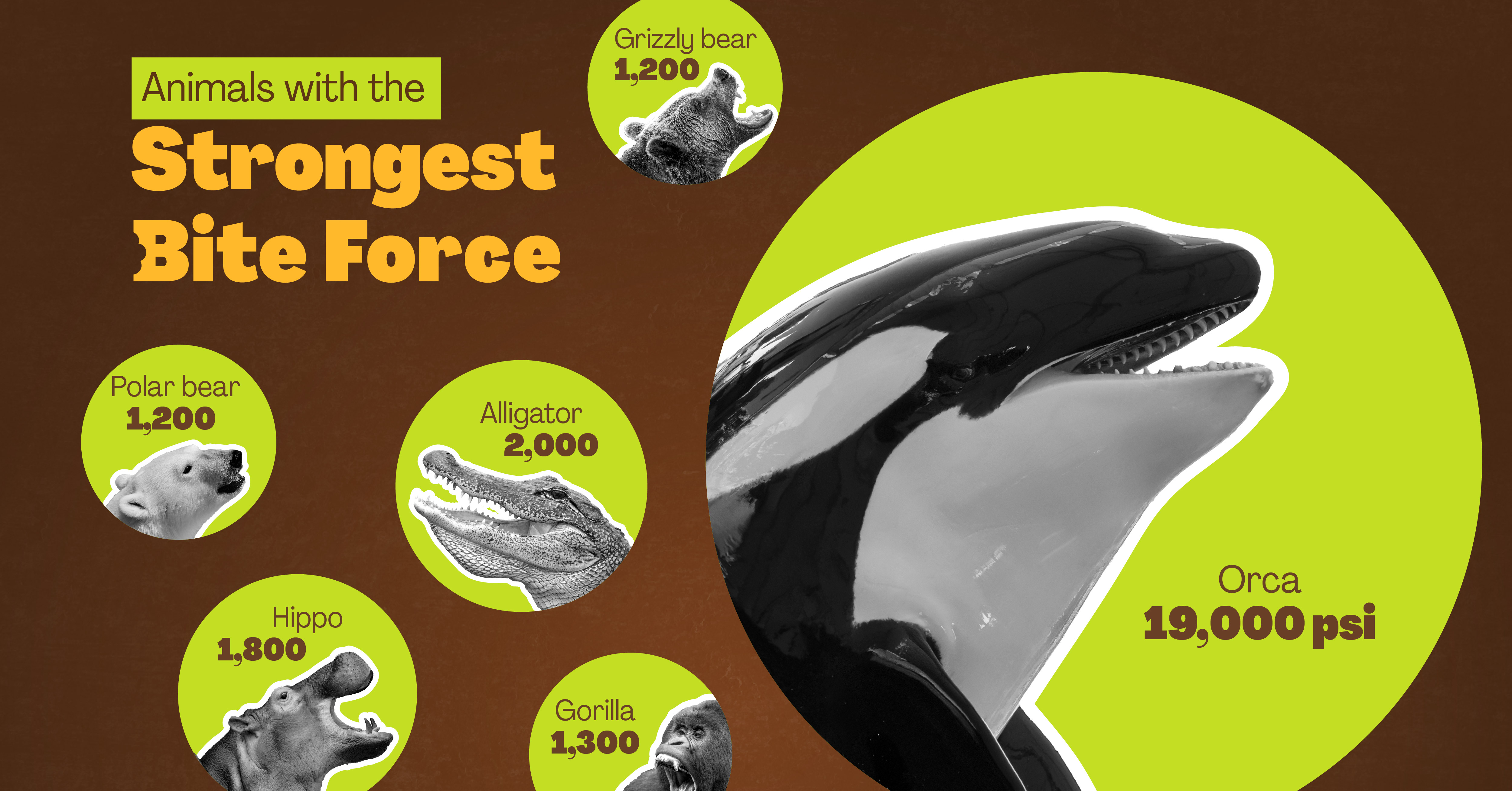
Understanding the strongest bite forces in nature has direct applications in the world of industrial technology and robotics. Engineers are increasingly looking to the “jaws” of nature to design tools that require extreme crushing or cutting power.
Hydraulic Power and Industrial Cutting Tools
The mechanics of a crocodile’s jaw—driven by massive adductor muscles—have inspired the design of hydraulic rescue tools, often known as the “Jaws of Life.” These devices use high-pressure hydraulic fluid to generate thousands of pounds of force, much like the biological systems they mimic. By studying the leverage points and pivot mechanics of high-bite-force animals, engineers can create more efficient shears and crushers used in demolition, recycling, and emergency response.
Bionic Prosthetics and Restorative Tech
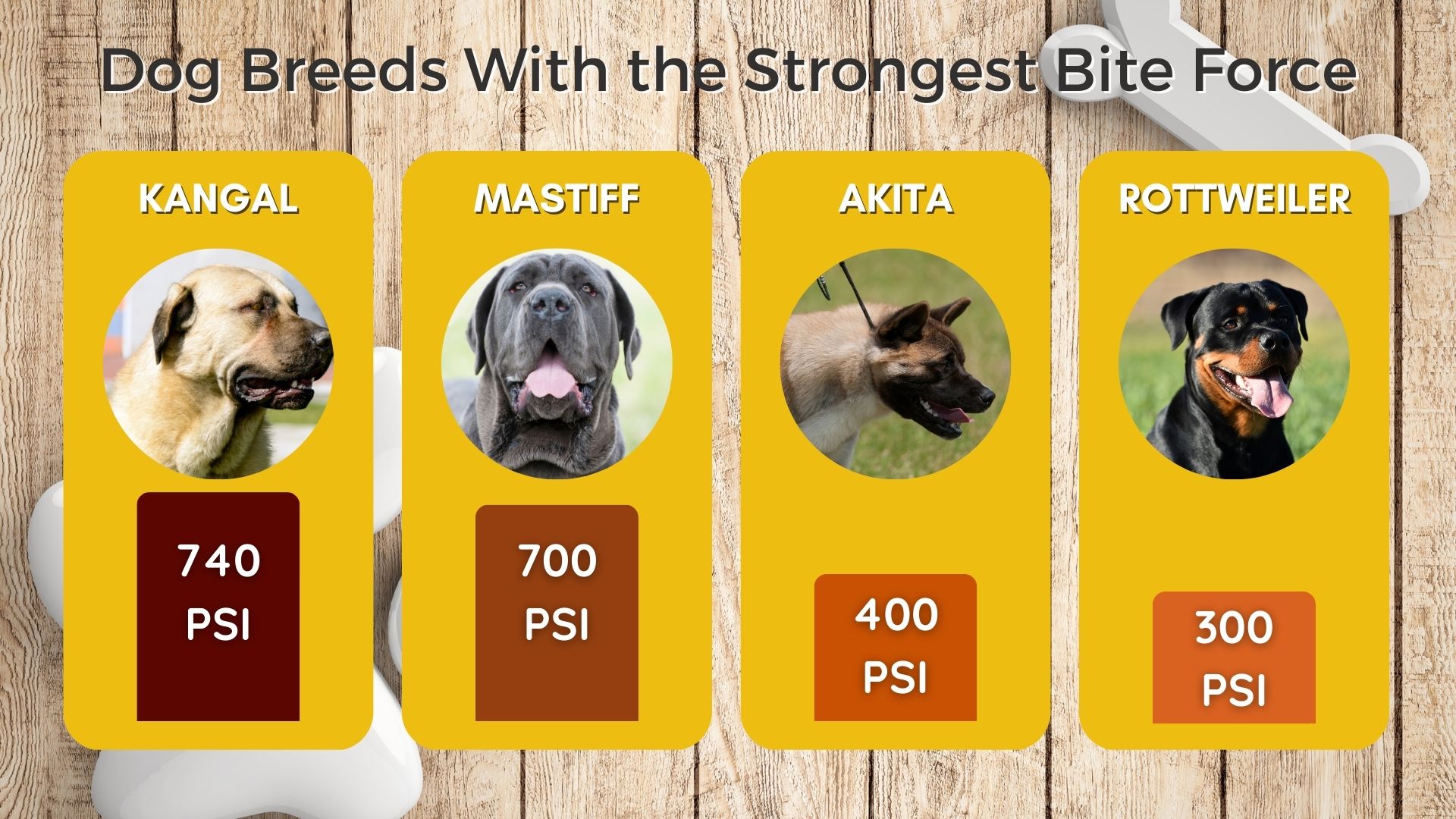
In the medical tech sector, understanding bite force is critical for the development of dental implants and bionic jaw reconstructions. Humans have a modest bite force compared to the animal kingdom (averaging 120–160 PSI), but our technology must be able to withstand these forces over millions of cycles. Engineers use “chewing simulators”—robotic rigs that replicate the human bite—to test the durability of new ceramics and polymers. These robots are programmed with the exact kinematic movements of a human jaw, ensuring that synthetic teeth don’t just look real, but function with the mechanical integrity of the original biological structure.
Autonomous Underwater Vehicles (AUVs)
In deep-sea exploration, AUVs often need to collect samples or interact with the environment. Designing robotic grippers that can exert a “controlled bite” is essential. By studying the grip of deep-sea predators, tech developers are creating adaptive grippers that can provide enough force to hold onto a slippery sample without crushing it, or conversely, apply massive pressure to break through rocky exterior shells.
Materials Science: Withstanding the Pressure
The tech behind bite force isn’t just about the “push”; it’s about the “resist.” To build machines that can exert or withstand the world’s strongest forces, we must develop materials that push the boundaries of physics.
Advanced Polymers and Carbon Fibers
When building robots designed to mimic high-bite-force animals, traditional steel is often too heavy. Engineers are turning to carbon-fiber-reinforced polymers and advanced composites. These materials offer a high strength-to-weight ratio, allowing for the creation of lightweight robotic jaws that can still deliver industrial-grade pressure. The development of these materials is a cornerstone of “soft robotics,” where flexible materials are engineered to act like muscles and tendons.
Heat Dissipation and Friction Reduction
High-force mechanical bites generate significant heat and friction. In industrial applications, this can lead to material fatigue and failure. Modern lubrication technology and heat-resistant coatings (such as Diamond-Like Carbon or DLC) are applied to the “teeth” of industrial crushers. These coatings reduce friction and prevent the teeth from welding themselves to the material they are trying to bite through, extending the lifespan of the equipment.
Self-Healing Materials
The next frontier in bite-force technology is the development of self-healing materials. In nature, animals like sharks constantly replace their teeth, and bone can heal over time. Tech researchers are working on synthetic materials that can “heal” micro-cracks caused by the repeated stress of high-force biting. Using embedded micro-capsules of resin that rupture and seal cracks, or shape-memory alloys that return to their original form, the goal is to create “jaws” that never wear out.
Future Outlook: From Lab to the Real World
As our technological capabilities grow, our understanding of “what has the strongest bite force” will continue to evolve. We are moving away from simple rankings and toward a deep, mechanical understanding of force application.
The convergence of AI, FEA, and advanced robotics means that we are no longer just observers of nature’s power; we are its apprentices. The technology we develop to measure the snap of a crocodile or the crunch of a hyena is the same technology that will build the next generation of resilient infrastructure, life-saving medical devices, and powerful industrial tools.
In the future, the “strongest bite force” may not belong to a biological entity at all, but to a carbon-fiber, AI-driven machine capable of pressures that even the Megalodon could not imagine. By bridging the gap between biology and technology, we are unlocking the secrets of mechanical dominance, one PSI at a time. The pursuit of understanding bite force is ultimately a pursuit of engineering excellence—proving that in the world of tech, the power to crush is only as strong as the data behind it.
aViewFromTheCave is a participant in the Amazon Services LLC Associates Program, an affiliate advertising program designed to provide a means for sites to earn advertising fees by advertising and linking to Amazon.com. Amazon, the Amazon logo, AmazonSupply, and the AmazonSupply logo are trademarks of Amazon.com, Inc. or its affiliates. As an Amazon Associate we earn affiliate commissions from qualifying purchases.