
Financial stability is often compared to a delicate balancing act. For many, credit cards serve as a safety net or a tool for wealth management. However, when life’s unpredictability—such as job loss, medical emergencies, or inflation—strikes, that safety net can quickly transform into a high-interest trap. When the monthly minimum payments become unsustainable, some individuals consider a drastic move: simply stopping the payments.
Choosing to quit paying credit card debt is rarely a decision made in a vacuum; it is usually a sign of profound financial distress. However, it is essential to understand that debt does not simply vanish when you stop looking at the statements. The decision sets off a predictable, aggressive, and long-lasting chain of events that can reshape your financial identity for a decade or more.
The Immediate Fallout: From the First Missed Payment to the 90-Day Mark
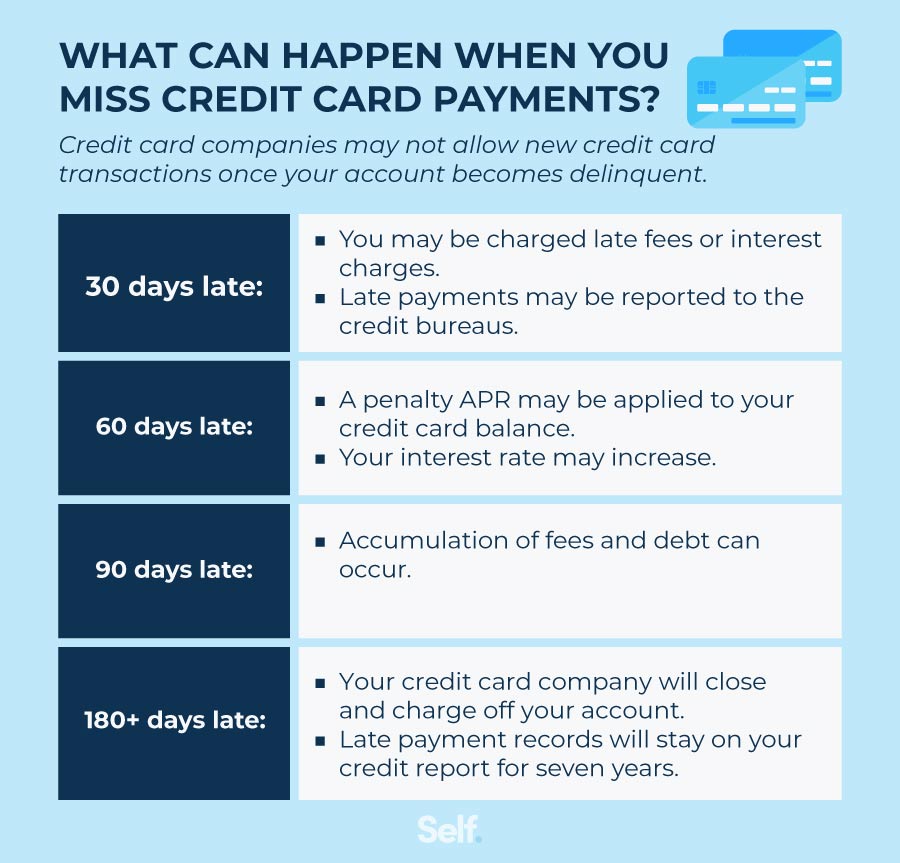
The moment a payment deadline passes without a transaction, the clock begins to tick. While the first few days might only result in a polite automated reminder, the situation escalates with mechanical precision through the first three months.
The 30-Day Delinquency and Credit Reporting
Most credit card issuers do not report a late payment to the three major credit bureaus (Equifax, Experian, and TransUnion) until it is a full 30 days past the due date. Once that 30-day mark is hit, the damage begins in earnest. Your credit score, which is a numerical representation of your reliability as a borrower, will likely take its first significant hit. For those with high scores, a single 30-day delinquency can cause a drop of 60 to 100 points. Simultaneously, the issuer will apply a late fee, typically ranging from $25 to $40, adding to the principal balance you already owe.
The 60-Day Mark and Penalty APRs
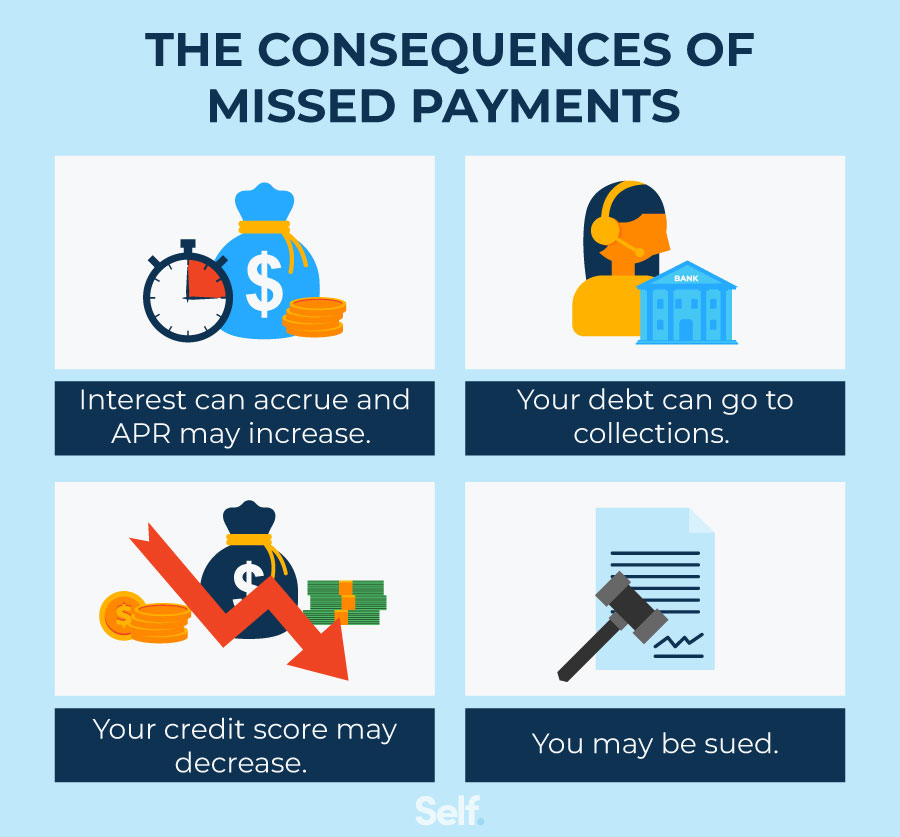
When you reach 60 days of non-payment, the consequences transition from administrative to punitive. Most credit card agreements include a “Penalty APR” clause. This allows the issuer to spike your interest rate—often to as high as 29.99%—not just on new purchases, but on your existing balance. This creates a compounding effect where the debt grows faster than ever before, even though you aren’t using the card. At this stage, you will also likely lose any promotional rates (like 0% intro periods) and your ability to use the card will be suspended.
The 90-Day Threshold and Aggressive Internal Collections
By the time 90 days have passed, your account is considered “seriously delinquent.” You will no longer receive polite reminders; instead, you will deal with the bank’s internal collections department. These professionals are trained to secure payments through persistent phone calls and letters. At this stage, your credit score is in freefall, and other lenders may begin to “risk-adjust” your other accounts—meaning your other credit cards might lower your limits or close your accounts because they see you as a high-risk borrower on your credit report.
The Transition to Debt Collections and Legal Realities
After approximately 120 to 180 days of non-payment, the original creditor usually decides that the debt is unlikely to be recovered through standard means. This marks a pivotal shift in the lifecycle of your debt.
The Charge-Off and Third-Party Agencies
A “charge-off” occurs when the creditor writes off your debt as a loss for tax purposes. It is a common misconception that a charge-off means the debt is forgiven. In reality, it is a formal declaration that the account is closed to future charges and is being moved off the company’s active books.
Following a charge-off, the debt is either assigned to a third-party collection agency or sold to a debt buyer for pennies on the dollar. These agencies are often more aggressive than the original bank. While the Fair Debt Collection Practices Act (FDCPA) provides protections against harassment, the constant influx of calls and letters can be psychologically taxing.
The Risk of Litigation and Judgments
If the balance is significant—typically over $1,000 to $2,000—the debt owner may choose to sue. If you ignore a court summons, the creditor will likely win a “default judgment.” A judgment is a powerful legal tool that allows the creditor to use state-sanctioned methods to recoup their money. Depending on your state’s laws, this can include:
- Wage Garnishment: A portion of your paycheck is legally diverted to the creditor before you even see it.
- Bank Levies: The creditor can freeze your bank account and seize the funds to satisfy the debt.
- Property Liens: A claim is placed against your real estate, meaning you cannot sell or refinance your home without paying off the debt first.
Understanding the Statute of Limitations
Every state has a statute of limitations on debt, which is the time window during which a creditor can legally sue you. This period usually ranges from three to ten years. If the statute of limitations expires, the debt becomes “time-barred,” meaning they can no longer successfully sue you for it. However, they can still contact you to ask for payment, and the debt will still appear on your credit report until the federal reporting limit is reached.
The Systemic Impact on Your Financial Identity
The repercussions of quitting credit card payments extend far beyond the balance on a screen. Because the modern economy relies heavily on credit scoring as a proxy for personal responsibility, the “ripple effect” of unpaid debt can touch almost every aspect of your life.
Long-Term Credit Report Damage
A charge-off or a history of non-payment remains on your credit report for seven years from the date of the first delinquency. Even if you eventually pay the debt, the history of the missed payments stays visible. This makes it incredibly difficult to qualify for a mortgage, an auto loan, or even a new credit card with a reasonable interest rate. If you are approved for a loan, you will likely be relegated to “subprime” lenders who charge exorbitant interest rates, further draining your financial resources.
Housing and Employment Barriers
Many people are surprised to learn that landlords and employers often check credit reports. A history of unpaid credit card debt can result in a rejected rental application or the requirement of a much higher security deposit. In the professional world, specifically in sectors like finance, government, or management, a poor credit history can be a barrier to employment. Employers may view high levels of unpaid debt as a security risk or a sign of poor decision-making.
Insurance Premiums and Utility Deposits
Actuaries have found a correlation between credit scores and insurance claims. Consequently, in many states, auto and homeowners’ insurance companies use your credit data to help determine your premiums. Quitting your credit card payments could indirectly lead to higher insurance costs. Furthermore, utility companies (electricity, water, and cell phone providers) may require substantial upfront deposits before starting service if your credit history shows a pattern of non-payment.
Navigating the Path to Financial Recovery
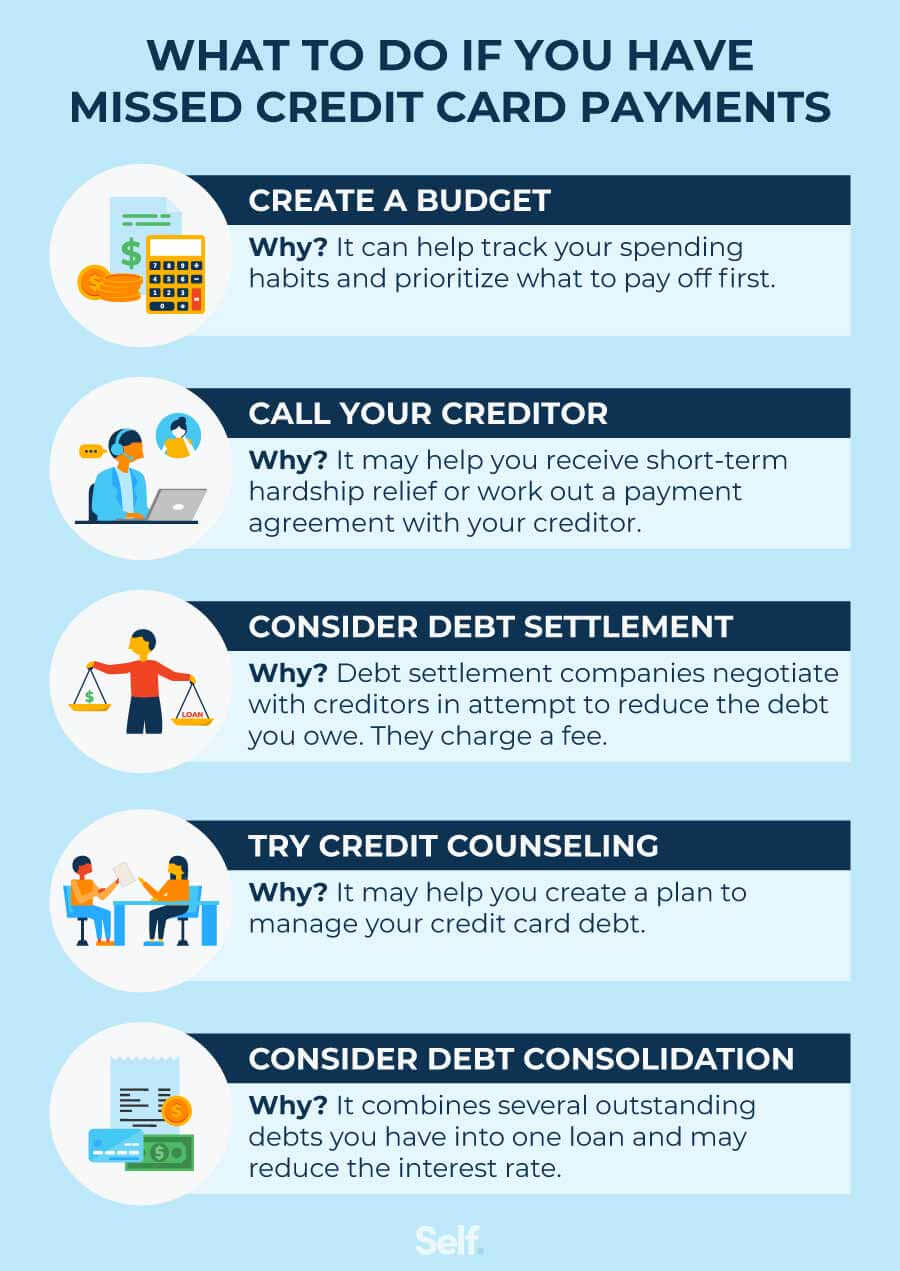
If you find yourself in a position where you cannot pay your credit cards, “doing nothing” is the most expensive option. There are strategic ways to handle overwhelming debt that provide a structured path toward recovery while minimizing long-term damage.
Debt Management and Credit Counseling
Non-profit credit counseling agencies can help you set up a Debt Management Plan (DMP). In a DMP, the counselor negotiates with your creditors to lower your interest rates and waive late fees in exchange for a fixed monthly payment. While the accounts will be closed, this path protects your credit score from the total destruction caused by a charge-off and helps you pay off the principal faster.
Debt Settlement vs. Debt Validation
Debt settlement involves negotiating with the creditor to pay a lump sum that is less than the total amount owed. While this can save money, it requires having a lump sum of cash available and results in a “Settled for less than full amount” notation on your credit report, which is less favorable than “Paid in full.” Alternatively, debt validation involves demanding that a collection agency prove they have the legal right to collect the specific debt, which can sometimes result in the debt being removed if the paperwork is incomplete.
The Role of Bankruptcy
When the debt is so high that it can never realistically be repaid, federal bankruptcy (Chapter 7 or Chapter 13) may be the most logical solution. While bankruptcy is often viewed as a “financial death sentence,” it is actually a legal tool designed for a “fresh start.” A Chapter 7 bankruptcy can wipe out credit card debt entirely in a few months, while Chapter 13 creates a 3-to-5-year repayment plan. Bankruptcy stays on your credit report for 7 to 10 years, but it stops all collection actions and lawsuits immediately through an “automatic stay.”
Conclusion
Quitting credit card payments is a decision with gravity. While it may provide temporary relief from the monthly cycle of robbing Peter to pay Paul, the long-term costs—ranging from legal judgments and wage garnishment to a decade of restricted financial mobility—are high.
If you are facing an inability to pay, the best course of action is transparency. Contacting creditors early, seeking the help of a non-profit credit counselor, or consulting with a financial advisor can help you navigate the crisis without completely dismantling your financial future. The goal should always be to regain control of your financial narrative rather than letting the debt dictate your life’s trajectory.
aViewFromTheCave is a participant in the Amazon Services LLC Associates Program, an affiliate advertising program designed to provide a means for sites to earn advertising fees by advertising and linking to Amazon.com. Amazon, the Amazon logo, AmazonSupply, and the AmazonSupply logo are trademarks of Amazon.com, Inc. or its affiliates. As an Amazon Associate we earn affiliate commissions from qualifying purchases.