
In the hyper-competitive landscape of global entertainment, few intellectual properties have demonstrated the resilience and strategic depth of the Marvel Cinematic Universe (MCU). At the heart of this multi-billion-dollar ecosystem sits a character who serves as the ultimate case study in brand management: Nick Fury. When we ask “what happens to Nick Fury,” we are not merely inquiring about the plot points of a Disney+ series or a blockbuster film. We are analyzing the lifecycle of a high-value brand asset that has transitioned from a supporting catalyst to a cornerstone of a corporate identity, and eventually, to a standalone protagonist facing the challenges of brand fatigue and reinvention.
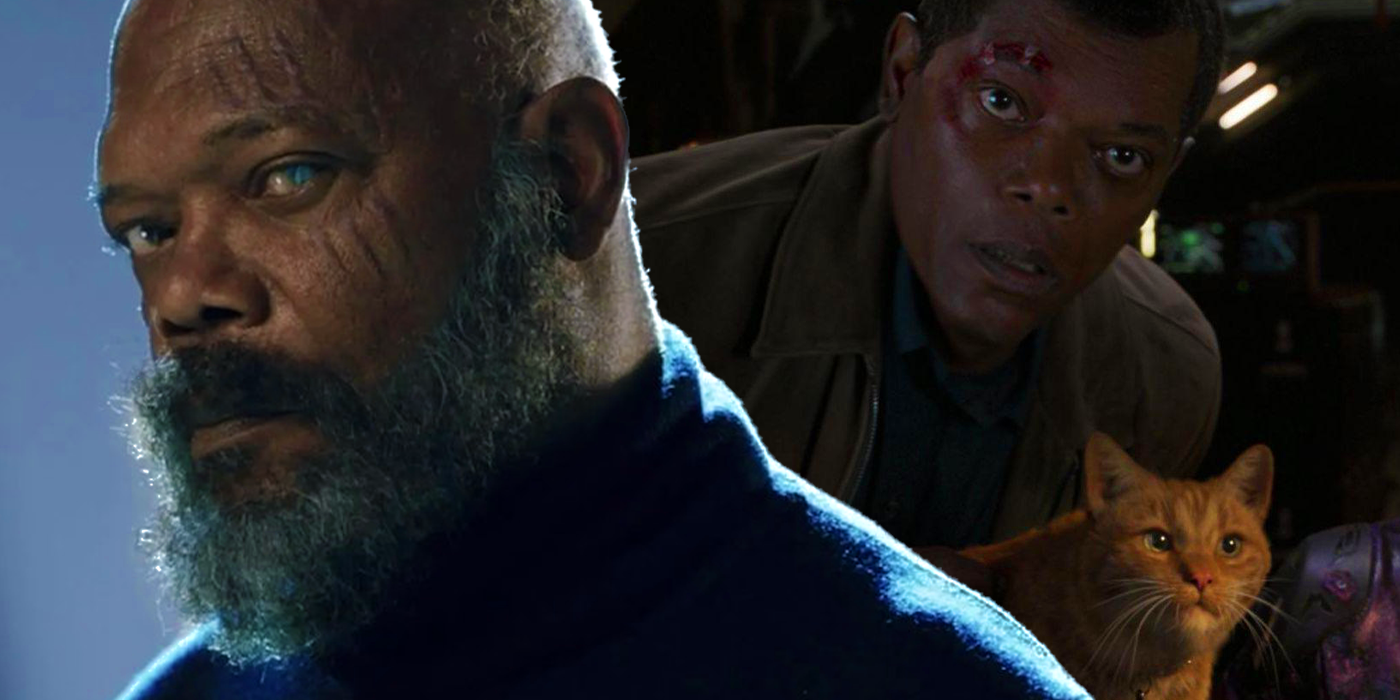
The evolution of Nick Fury offers profound insights into brand strategy, personal branding, and the art of maintaining relevance over a span of decades. From his visual overhaul to his strategic positioning as the “Ultimate Connector,” the trajectory of Nick Fury reveals how a brand can adapt to changing market sentiments while maintaining its core DNA.
The Architectural Blueprint of the Fury Brand
The most fascinating aspect of Nick Fury’s brand journey is that it represents a rare instance of a “proactive brand redesign” that occurred years before the product hit the mainstream market. To understand what happens to Nick Fury today, we must look at the strategic decisions made at the turn of the millennium.
The Visual Identity Pivot
Originally conceived in the 1960s as a Caucasian cigar-chomping colonel, the Nick Fury brand underwent a radical transformation in 2002 with the launch of the “Ultimates” comic line. Marvel’s creative strategists made a bold move: they redesigned the character to mirror the likeness of actor Samuel L. Jackson. This was not a random creative whim; it was a calculated effort to modernize the brand’s visual identity, aligning it with a more contemporary, cool, and authoritative persona.
By the time the MCU officially launched in 2008 with Iron Man, the “Fury Brand” already had a face that resonated with global audiences. This visual consistency is a cornerstone of effective branding. It allowed the character to transcend the medium of comics and enter the cinematic space with an established “equity” that audiences immediately recognized and trusted.
The Strategic Scarcity Model
For the first decade of the MCU, what happened to Nick Fury was a masterclass in the “premium scarcity” model. He was rarely the lead; instead, he was the connective tissue. By appearing primarily in post-credits scenes or as a high-level advisor, the brand maintained an aura of mystery and authority. In marketing terms, Fury was the “Seal of Approval.” His presence signaled that a story was important. This strategic use of a brand asset prevents overexposure and ensures that every appearance generates maximum impact and social media conversation.
The Brand of Leadership: Managing the Marvel Assembly
One of the most significant developments in the Nick Fury narrative is his role as the ultimate “Brand Manager” of the Avengers. His character arc provides a blueprint for corporate identity and team-building strategies that are highly applicable to modern business leadership.
The Art of Strategic Collaboration
Fury’s primary function was the “Avengers Initiative”—a project centered on the belief that a group of remarkable individuals could become something more when united under a single vision. This is the essence of brand synergy. Fury did not try to change the individual brands of Captain America, Iron Man, or Thor; instead, he created a collaborative framework where their disparate identities could coexist toward a common goal.
In business, this mirrors how a parent company manages a portfolio of distinct sub-brands. What happens to Nick Fury is that he becomes the “Master Brand” that validates and integrates the “Product Brands” (the individual heroes). He manages the internal friction, allocates resources, and maintains the mission statement when individual egos threaten the collective output.

Authority Without Superpowers
A critical element of the Nick Fury personal brand is his “Human Authority.” In a world of gods and super-soldiers, Fury remains a mortal man with a high IQ and a strategic mind. This positioning makes his brand relatable yet aspirational. It emphasizes that brand power does not always come from raw “features” (superpowers), but from “strategy” and “influence.” His brand is built on information, secrets, and the ability to be ten steps ahead of the competition. This “Intelligence-First” branding strategy has allowed the character to remain relevant even as the power levels of the surrounding characters have scaled to cosmic proportions.
Navigating Brand Fatigue and the “Secret Invasion” Pivot
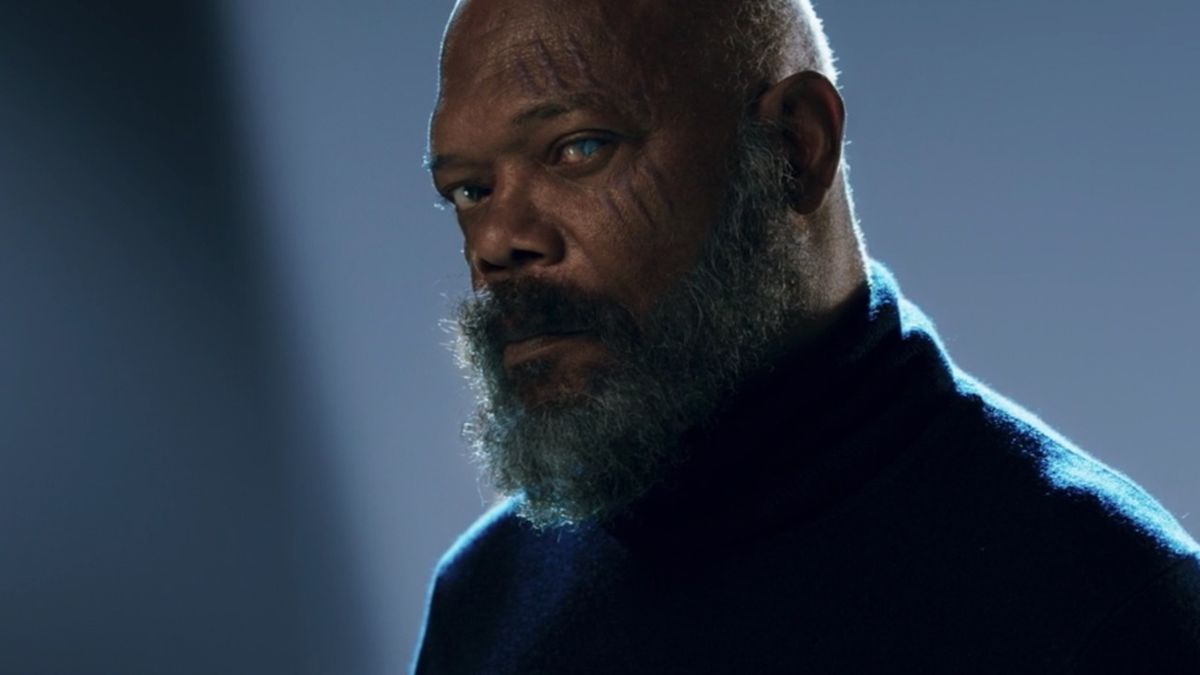
As the MCU entered its fourth and fifth phases, the question of “what happens to Nick Fury” took a more complex turn. After years of being the omniscient director, the brand faced the inevitable challenge of maturity. The 2023 series Secret Invasion represented a significant “Brand Pivot”—an attempt to deconstruct the icon and explore the vulnerabilities of the man behind the eyepatch.
Humanizing the Icon
In recent years, we have seen Nick Fury transition from an untouchable strategist to a man grappling with age, loss, and the consequences of his past decisions. This is a common tactic in long-term brand management known as “Humanization.” When a brand becomes too polished or corporate, it risks losing its emotional connection with the audience. By showing a “weary” Fury, Marvel attempted to re-engage the audience’s empathy.
However, this pivot is not without its risks. When a brand known for “strength and mystery” suddenly highlights “vulnerability and error,” it can lead to brand confusion. The mixed reception to recent Fury-centric storylines serves as a reminder that any significant shift in a brand’s core promise must be handled with extreme care to avoid alienating the core “customer” base.
The Risks of Brand Dilution
As Nick Fury moved from a guest-star/cameo role to a lead role, the brand faced the challenge of “over-extension.” The scarcity that once made him special was replaced by high-volume exposure. This is a classic dilemma in brand strategy: how do you capitalize on a popular asset without depleting its value? What happens to Nick Fury in the current era is a balancing act between maintaining his status as a legendary figure and providing enough narrative depth to sustain a multi-hour television series.
Strategic Takeaways for Modern Branding
The trajectory of Nick Fury offers several actionable lessons for brand strategists, marketing professionals, and those interested in personal branding.
1. Consistency is King
Whether he is in a comic book, a movie, or an animated series, the core pillars of the Nick Fury brand—the trench coat, the eyepatch, the stoic demeanor, and the “Secrets have secrets” philosophy—remain unchanged. For any brand to endure, it must have a “North Star” of consistency. Even as the context changes, the essence must remain recognizable.
2. The Power of the “Ensemble” Strategy
Nick Fury’s success is inextricably linked to the success of the brands he surrounds himself with. This highlights the importance of professional networking and strategic partnerships. A personal brand is often defined by the “company it keeps.” By positioning himself at the center of the world’s greatest heroes, Fury elevated his own brand status by association.
3. Adapting to the Market
What happened to Nick Fury in the 1960s would not work in the 2020s. The character’s evolution shows the necessity of “Market Sensitivity.” Brands must be willing to shed outdated skins and adopt new visual and ideological frameworks to stay relevant to a new generation of consumers.
4. Managing the “Long Game”
Finally, the Nick Fury brand teaches us about longevity. He is a character built for the “Long Game.” He doesn’t need to win every battle; he just needs to survive and be ready for the next one. In the world of business and personal finance, this “resilience branding” is what separates flashes-in-the-pan from legacy institutions.
In conclusion, “what happens to Nick Fury” is an ongoing narrative of strategic adaptation. He remains a quintessential example of how a brand can move through various phases—from inception and growth to maturity and reinvention—while remaining an indispensable part of a larger corporate ecosystem. Whether he is leading S.H.I.E.L.D. or operating from the shadows of space, the brand of Nick Fury continues to command attention, proving that with the right strategy, a well-managed identity can truly become immortal.
aViewFromTheCave is a participant in the Amazon Services LLC Associates Program, an affiliate advertising program designed to provide a means for sites to earn advertising fees by advertising and linking to Amazon.com. Amazon, the Amazon logo, AmazonSupply, and the AmazonSupply logo are trademarks of Amazon.com, Inc. or its affiliates. As an Amazon Associate we earn affiliate commissions from qualifying purchases.