
In the world of cinematic history, few figures are as recognizable as Michael Myers. Clad in a weathered boiler suit and a hauntingly expressionless mask, “The Shape” has haunted audiences since John Carpenter’s Halloween debuted in 1978. However, when we ask, “What happens to Michael Myers?” we are not merely asking about the plot of the latest sequel. From a strategic perspective, we are asking how a singular intellectual property (IP) survives forty-five years of market shifts, varying creative leadership, and the inevitable fatigue of a long-running franchise.
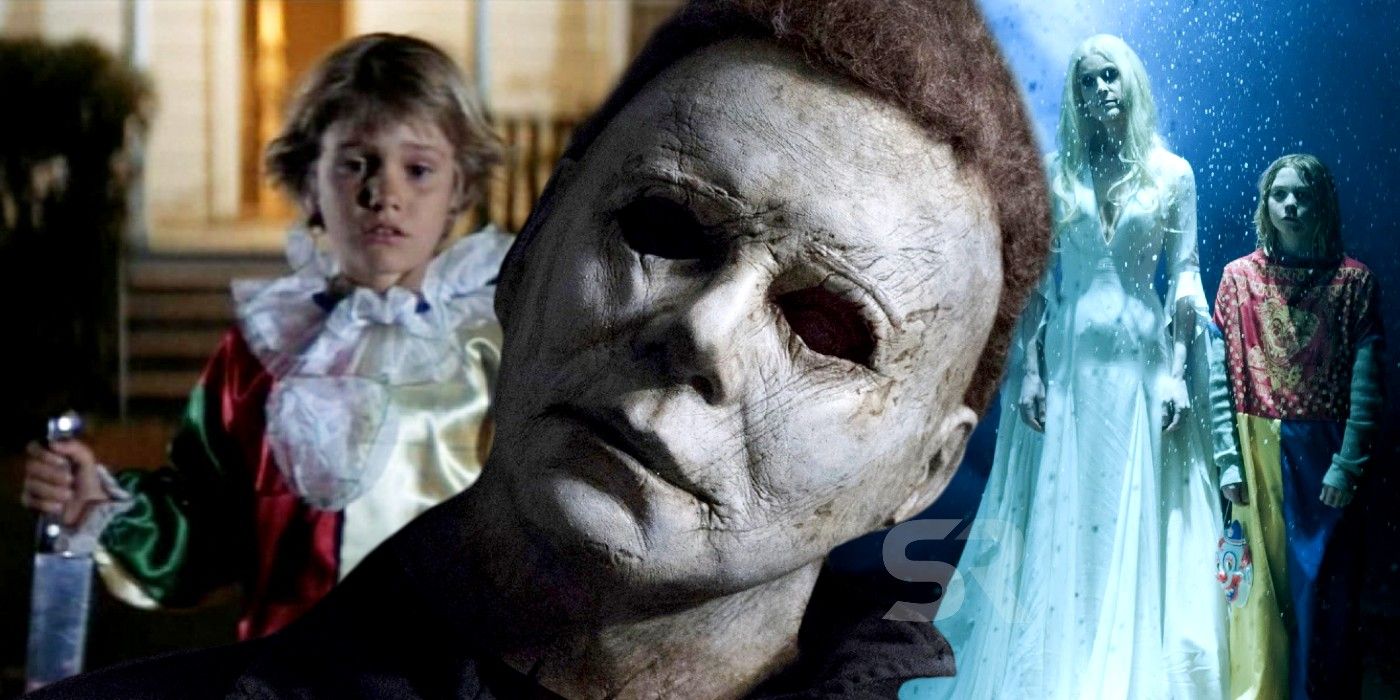
Michael Myers is no longer just a character; he is a billion-dollar brand. His survival is a testament to the power of brand strategy, illustrating how a core identity can be preserved, pivoted, and polished to remain relevant in a hyper-competitive entertainment landscape. To understand what happens to Michael Myers is to understand the lifecycle of a legacy brand that refuses to die.
The Core Identity: Establishing a Visual Monolith
The first step in any successful brand strategy is the establishment of a “visual monolith”—a set of symbols so potent that they require no explanation. Michael Myers is perhaps the most efficient example of visual branding in the history of the horror genre.
The Mask as a Corporate Logo
In branding, a logo must be simple, memorable, and scalable. The Michael Myers mask—originally a budget-bought Captain Kirk mask painted white—functions exactly like a world-class logo. It is devoid of emotion, making it a blank canvas upon which the audience can project their own fears. From a brand perspective, this consistency is vital. While other horror icons like Freddy Krueger rely on personality and dialogue (which can age poorly or alienate new demographics), Myers is a silent product. This silence ensures that the “brand voice” never becomes dated or controversial. It remains a constant, immovable object in the marketplace.
Consistency in the Silent USP
Every brand needs a Unique Selling Proposition (USP). For Michael Myers, the USP is “The Shape”—the personification of “pure evil” without motive. When the franchise attempted to add complex backstories in the 1990s (the Cult of Thorn subplots), the brand suffered. The market responded poorly because the “product” had become too complicated. The most successful iterations of Michael Myers occur when the brand returns to its roots: a simple, unstoppable force. This teaches us a vital lesson in brand strategy: adding more features often dilutes the core value of the product.
The Pivot: Strategic Rebranding in the Modern Era
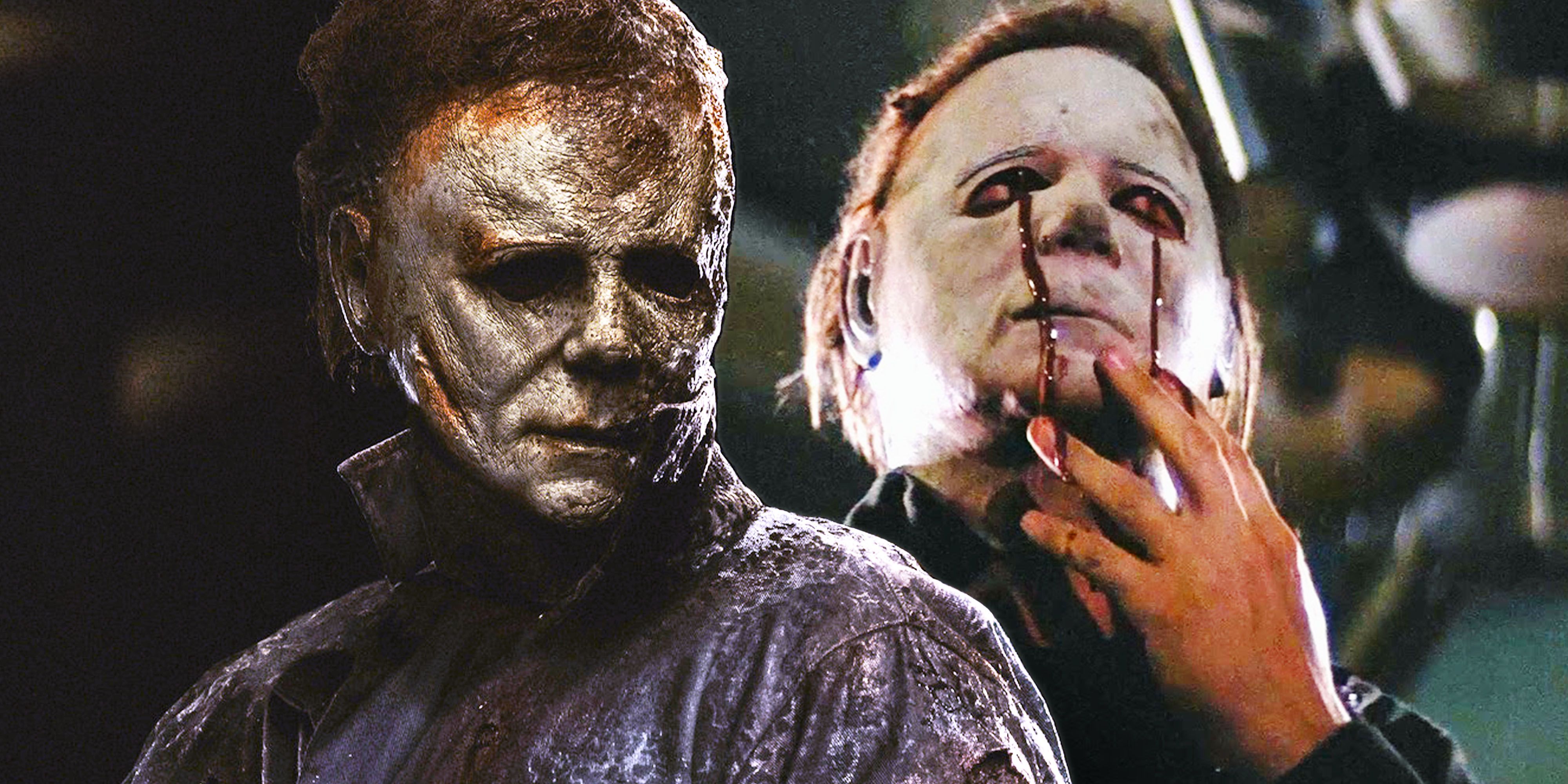
A brand that stays exactly the same for forty years eventually becomes a relic. To survive, Michael Myers has undergone several “rebrandings” to realign with modern consumer sensibilities. The most notable of these was the 2018 reboot-sequel directed by David Gordon Green.
Trimming the Fat: Legacy Sequels and Brand Correction
By 2018, the Halloween franchise was bogged down by decades of confusing continuity. There were multiple timelines, various family connections, and versions of the character that had been killed off definitively. The brand strategy employed by Blumhouse and Universal was a “Brand Correction.” They effectively wiped the slate clean, ignoring every sequel and returning to the 1978 original.
This is a classic corporate move: when a brand portfolio becomes too cluttered and confusing for the consumer, you return to the “Heritage Brand” status. By focusing solely on the relationship between Michael Myers and Laurie Strode, the filmmakers simplified the consumer journey. They made it easy for a new generation to enter the franchise without needing to watch ten previous films, effectively lowering the “barrier to entry” for the brand.
Appealing to Gen Z while Retaining Boomer Loyalty
The 2018–2022 trilogy also showcased a brilliant demographic pivot. While the “Legacy” aspect appealed to the original fans (the Boomers and Gen X-ers who saw the 1978 film), the cinematography, pacing, and social themes (trauma and mob mentality) were designed to resonate with Millennials and Gen Z. Successful branding is the art of being “then and now” simultaneously. Michael Myers became a bridge between generations, proving that a well-managed legacy brand can maintain its base while aggressively expanding its market share.
Market Saturation and the Scarcity Principle
One of the greatest risks to any brand is over-saturation. If a product is everywhere all the time, its perceived value drops. What happens to Michael Myers between films is just as important as what happens during them.
The “Less is More” Marketing Strategy
The Michael Myers brand thrives on scarcity. Unlike franchises that release a new entry every year, the Halloween series has often taken long breaks. These hiatuses allow for the “nostalgia cycle” to reset. In marketing, absence makes the heart grow fonder, but it also creates a “Premium” feel. When a new Michael Myers film is announced, it feels like an event rather than a routine release. This managed scarcity ensures that the character remains a “Category King” in the slasher genre.
Managing IP Through Calculated Hiatuses
Following the conclusion of the most recent trilogy with Halloween Ends (2022), the brand has entered a period of calculated rest. From a strategic standpoint, this is the “Research and Development” phase. The owners of the IP (Chetley and Trancas International Films) understand that the character cannot be killed, but he must be reinvented. By stepping back from the market, they prevent “brand fatigue.” This allows the marketplace to clear, so that when the inevitable “Next Phase” (potentially a television series or another film reboot) arrives, the demand will have peaked once again.
Beyond the Screen: Monetizing the Shadow
A brand is only as strong as its ability to generate revenue outside of its primary product. For Michael Myers, the primary product is the feature film, but the brand’s “Secondary Ecosystem” is where the long-term financial stability lies.
Licensing and Merchandising Ecosystems
What happens to Michael Myers in the off-season? He moves into licensing. The silhouette of Michael Myers is a goldmine for merchandising, from high-end collectibles and apparel to seasonal Halloween masks. In fact, the “Michael Myers Mask” is one of the top-selling seasonal items globally, year after year.
This is a “Passive Brand Income” strategy. Even when no movie is in theaters, the brand remains visible in retail spaces. This constant presence in the physical world ensures that the character stays at the “Top of Mind” for consumers, making the marketing job much easier when a new film eventually launches.
The Transmedia Future of the Slasher Brand
The latest development in the Michael Myers brand strategy involves “Transmedia Integration.” By licensing the character to video games like Dead by Daylight or Call of Duty, the IP owners are reaching a demographic that might not even watch traditional horror films.
In these digital spaces, Michael Myers isn’t just a character; he’s a “Skin” or a “Playable Asset.” This transition from film icon to digital avatar is a crucial step in future-proofing the brand. It ensures that the IP remains interactive and participatory. Younger consumers don’t just want to watch Michael Myers; they want to “be” him or “survive” him in a virtual environment. This shift from passive consumption to active engagement is the hallmark of modern brand evolution.
Conclusion: The Shape of Brands to Come
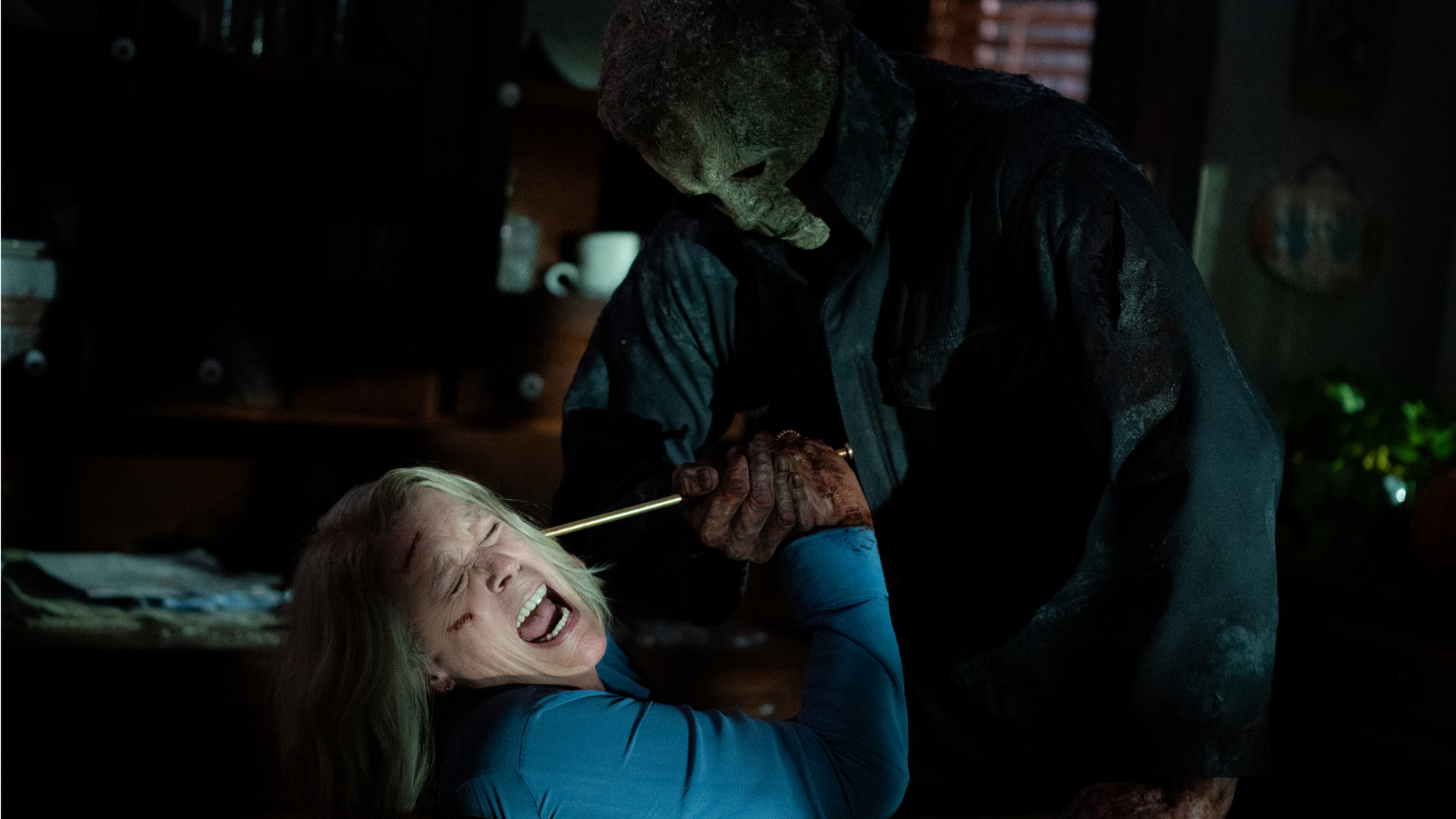
When we analyze “what happens to Michael Myers,” we see a blueprint for how to manage a legacy brand in the 21st century. Through rigorous adherence to a visual monolith, strategic rebranding to shed “legacy debt,” and a masterful use of the scarcity principle, the Halloween franchise has turned a low-budget 1970s slasher into a permanent fixture of global pop culture.
Michael Myers never truly dies because his brand strategy is built on the most sustainable resource in marketing: the human psyche. By remaining a silent, blank, and consistent “Shape,” he allows every generation to reinvent him for their own era. As the IP moves into new territories—likely television and deeper virtual reality integrations—the strategy will remain the same. The mask stays, the silence continues, and the brand persists. In the world of business, as in the town of Haddonfield, you can’t kill the Boogeyman—especially when he’s this well-branded.
aViewFromTheCave is a participant in the Amazon Services LLC Associates Program, an affiliate advertising program designed to provide a means for sites to earn advertising fees by advertising and linking to Amazon.com. Amazon, the Amazon logo, AmazonSupply, and the AmazonSupply logo are trademarks of Amazon.com, Inc. or its affiliates. As an Amazon Associate we earn affiliate commissions from qualifying purchases.