
In the landscape of modern media, few characters embody the grit and unwavering consistency of a brand better than John Kreese. As the co-founder of the Cobra Kai dojo, Kreese is not merely a sensei; he is the architect of a philosophy that has spanned decades, surviving obsolescence, legal turmoil, and fierce competition. To understand what happens to Kreese in the later seasons of Cobra Kai is to witness a masterclass in brand resilience—albeit one rooted in a “toxic” value proposition.

By analyzing Kreese’s journey through the lens of brand strategy, we can extract profound insights into how a legacy identity is maintained, how hostile takeovers occur in the “dojo market,” and what happens when a founder’s vision clashes with the evolution of the modern consumer.
1. The Cobra Kai Manifesto: Defining a High-Impact Brand Identity
John Kreese’s journey is defined by his commitment to a singular, uncompromising brand identity: “Strike First, Strike Hard, No Mercy.” From a strategic perspective, this is a clear and concise value proposition. It leaves no room for ambiguity, catering to a specific demographic of individuals who feel marginalized and seek power through aggression.
The Psychology of Brand Loyalty
Kreese understands that a brand is not just a product; it is a sense of belonging. Throughout the series, Kreese rebuilds the Cobra Kai brand by targeting “lost” youth—the untapped market. By offering them a radical transformation from “victim” to “predator,” he builds a level of brand loyalty that borders on cultish devotion. This is the foundation of his power. Even when he is destitute, living in a homeless shelter, the “brand equity” of his persona remains intact. He knows that as long as the philosophy exists, the brand can be revived.
Consistency as a Competitive Advantage
What happens to Kreese in the early revival stages of the show is a testament to consistency. While Johnny Lawrence attempts to “rebrand” Cobra Kai with a softer, more nuanced approach, Kreese represents the “Original Formula.” In the world of branding, consumers often revert to the original when a rebrand feels authentic. Kreese’s return is a hostile play for the soul of the company, asserting that any deviation from the core “No Mercy” pillars is a dilution of the brand’s strength.
2. Strategic Alliances and Hostile Takeovers: The Terry Silver Merger
As the narrative progresses, Kreese realizes that to scale the Cobra Kai brand globally, he needs capital and sophisticated infrastructure. This leads to the re-introduction of Terry Silver. In corporate terms, this was a merger between the “Visionary Founder” (Kreese) and the “Resource-Rich CEO” (Silver).
The Risks of Partnership
The partnership between Kreese and Silver is a classic study in brand mismanagement and internal power struggles. While Kreese focused on the grassroots “warrior” mentality, Silver focused on expansion, high-tech facilities, and marketing. However, Silver’s vision eventually eclipsed Kreese’s. What happens to Kreese here is a classic “ousted founder” scenario. Silver, recognizing that Kreese’s personal vendettas were a liability to the brand’s expansion, orchestrated a legal frame-up to remove Kreese from the board entirely.
Brand Dilution through Corporate Greed
Under Silver, Cobra Kai became a polished, commercialized version of its former self. While the “market share” grew, the “brand soul” that Kreese cultivated was lost. This highlights a critical lesson in brand strategy: when you bring in outside investment to scale, you risk losing the very essence that made the brand successful in the first place. Kreese’s imprisonment was the ultimate “litigation crisis” that forced the founder out of his own creation.
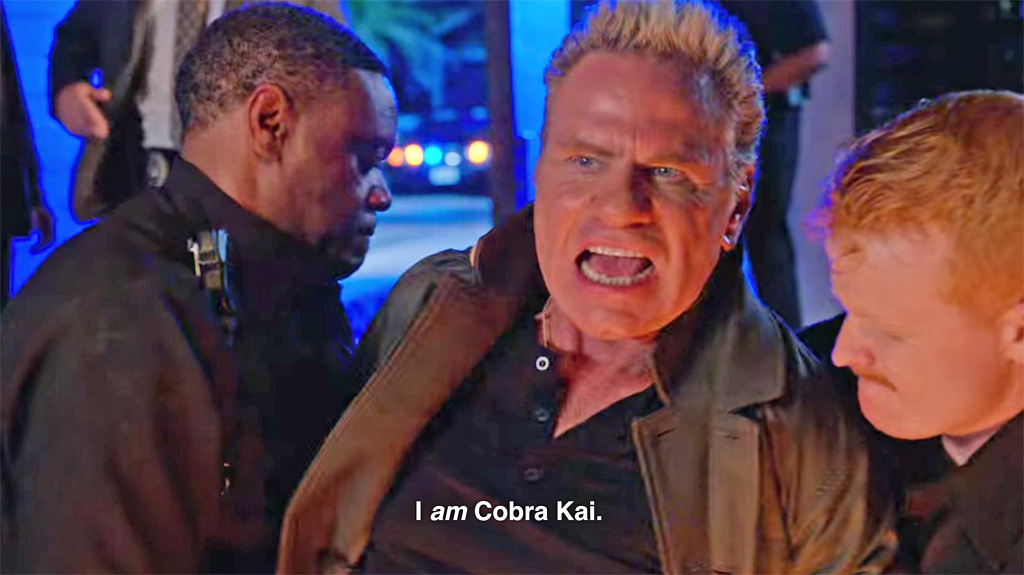
3. Crisis Management and the Fall of the Founder: Survival in the Face of Devaluation
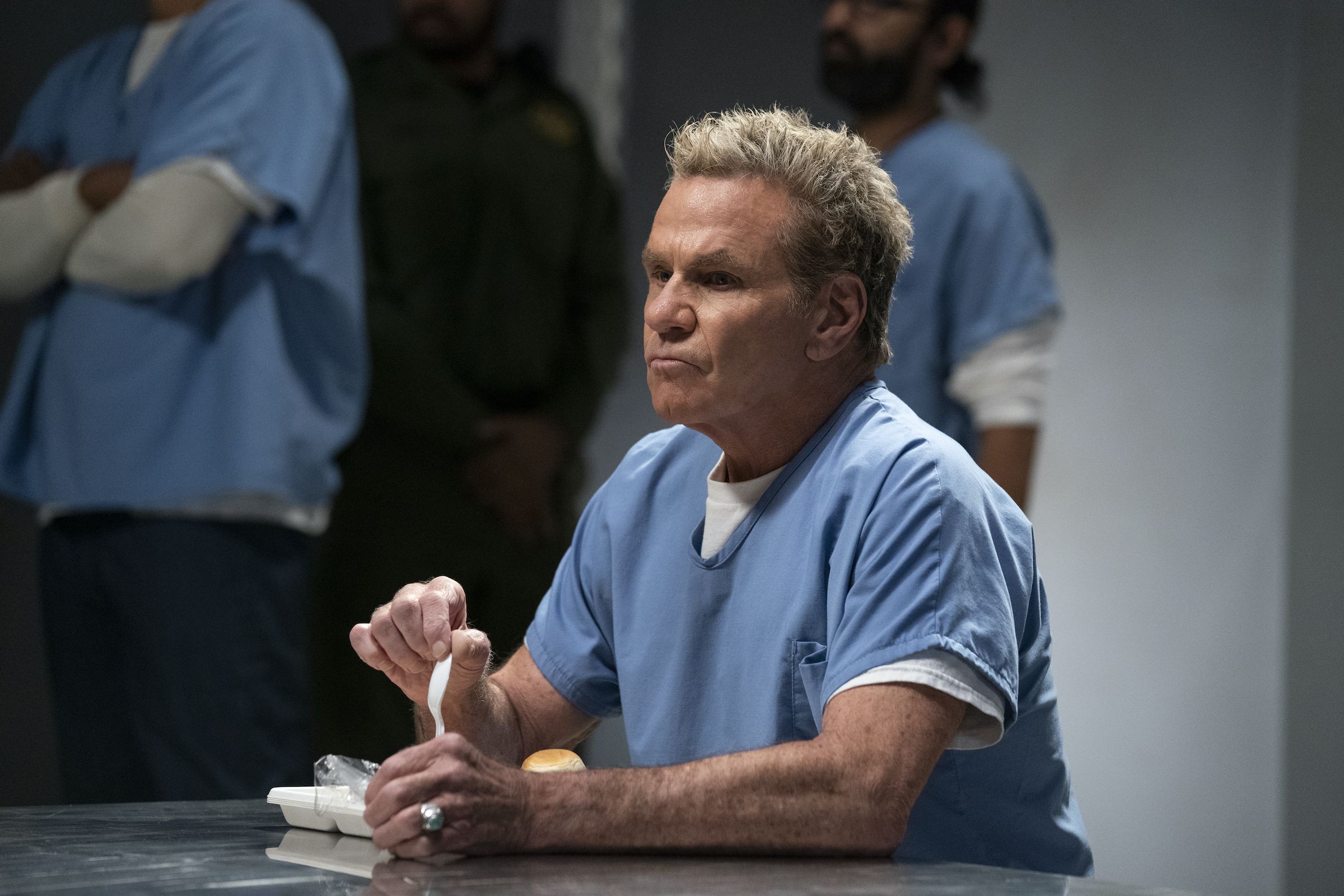
While incarcerated, Kreese faces the ultimate test of personal branding. Stripped of his dojo, his students, and his freedom, he is forced to manage a reputation in its lowest state. In this phase of the story, what happens to Kreese is a masterclass in “reputation recovery” within a closed ecosystem (the prison).
Leveraging Internal Strengths
Even in a prison uniform, Kreese maintains the “No Mercy” brand. He doesn’t attempt to change his identity to fit the new environment; instead, he forces the environment to adapt to him. By utilizing the same “Strike First” tactics, he secures his position at the top of the social hierarchy. This demonstrates that a strong brand identity is portable. It does not require a fancy storefront or a marketing budget; it requires the consistent execution of its core values.
The Failure of Traditional Crisis Management
Kreese’s refusal to seek redemption is his greatest brand strength and his greatest personal flaw. From a marketing standpoint, “Redemption Arcs” are popular because they allow for a brand pivot. However, Kreese rejects the “New Year, New Me” strategy. He remains a “Legacy Brand.” This choice makes him an icon to his followers but a pariah to the general public. His stay in prison culminates in a faked death—a dramatic “exit strategy” that allows him to bypass the legal restrictions placed on his brand and operate “off-book.”
4. The Phoenix Strategy: Kreese’s Ultimate Pivot and the Sekai Taikai
The most recent developments in Kreese’s journey involve his escape from prison and his move toward the international stage: the Sekai Taikai. This represents the “Global Expansion” phase of his brand strategy.
Going Global: The Sekai Taikai
By escaping and moving his operations abroad, Kreese is effectively moving his brand to a “tax haven” where his domestic legal troubles cannot reach him. The Sekai Taikai is the “World Economic Forum” of karate. For Kreese, winning this tournament isn’t just about a trophy; it’s about a global “Initial Public Offering” (IPO) for the Cobra Kai philosophy. He intends to prove that his brand is not just a Valley-level success but a world-class standard.
The Evolution of the Enemy
What happens to Kreese moving forward is a fascinating study in “Competitive Analysis.” He is no longer just fighting Daniel LaRusso or Johnny Lawrence; he is fighting for his place in history. He has adopted a “Burn the Ships” mentality. By faking his death, he has liquidated his old life to invest entirely in this final global push. This is a high-risk, high-reward strategy that only a founder with total belief in their product would execute.
5. Conclusion: The Enduring Power of a Toxic Legacy Brand
The saga of John Kreese in Cobra Kai provides a stark look at the longevity of a well-defined brand. Whether he is at the helm of a thriving dojo or a fugitive on the run, Kreese’s “brand” remains one of the most recognizable and influential forces in the series.
Key Takeaways for Brand Strategists:
- Identity is Everything: Kreese proves that a clear (even if controversial) identity is more memorable than a lukewarm, middle-of-the-road persona.
- The Founder’s Trap: Kreese’s inability to evolve with the market led to his ousting. Every brand must balance its core values with the changing sensibilities of its audience.
- Resilience through Consistency: By never wavering from his “No Mercy” stance, Kreese ensured that his brand would always have a loyal, albeit niche, following.
- Strategic Pivots: His escape from prison and transition to the global stage shows that when a brand is backed into a corner, a radical “re-launch” or geographic pivot may be the only way to survive.
What happens to Kreese is ultimately a cautionary tale of “Brand Obsession.” He is a man who became so synonymous with his brand that he lost his humanity in the process. As Cobra Kai heads toward its conclusion, the world will watch to see if the founder can reclaim his empire or if the toxic legacy he built will finally lead to a total “brand collapse.” In the world of business and dojos alike, the hardest part isn’t starting a brand—it’s managing the fallout when that brand takes on a life of its own.
aViewFromTheCave is a participant in the Amazon Services LLC Associates Program, an affiliate advertising program designed to provide a means for sites to earn advertising fees by advertising and linking to Amazon.com. Amazon, the Amazon logo, AmazonSupply, and the AmazonSupply logo are trademarks of Amazon.com, Inc. or its affiliates. As an Amazon Associate we earn affiliate commissions from qualifying purchases.