
The traditional annual physical exam, once characterized by a simple blood pressure cuff, a wooden tongue depressor, and a cold stethoscope, is undergoing a radical technological metamorphosis. In the contemporary medical landscape, “what happens during a physical exam” is increasingly defined by data streams, artificial intelligence, and sophisticated diagnostic hardware. This shift moves the check-up from a snapshot in time to a high-resolution, continuous monitoring of a patient’s biological system. As we integrate tech into every facet of clinical practice, the physical exam has evolved into a comprehensive “system audit” of the human body.

1. The Hardware Revolution: Next-Generation Diagnostic Tools
When you step into a modern exam room, the physical sensations—the cold air, the crinkle of the paper on the table—remain familiar. However, the tools the practitioner uses have seen a massive upgrade. The “physical” part of the exam is now augmented by hardware that can see, hear, and measure things previously invisible to the naked eye or the unassisted ear.
AI-Integrated Stethoscopes and Cardiac Sensors
The traditional stethoscope is being replaced by AI-enhanced digital versions. During a modern physical, when a doctor listens to your heart, they aren’t just relying on their own years of training. Devices like the Eko digital stethoscope now feature built-in EKG sensors and AI algorithms that can detect heart murmurs or signs of atrial fibrillation in real-time. The technology amplifies sound and filters out background noise, while the software compares the heart rhythm against a database of millions of clinical recordings to provide an immediate diagnostic suggestion.
Point-of-Care Ultrasound (POCUS)
One of the most significant shifts in what happens during an exam is the move toward “visible medicine.” Handheld ultrasound devices, such as the Butterfly iQ, connect directly to a smartphone or tablet. In a tech-forward physical, the doctor can perform a Point-of-Care Ultrasound (POCUS) to look at the heart, lungs, or abdominal organs instantly. This bypasses the need for separate imaging appointments for routine screenings, allowing for a real-time visual assessment of internal anatomy that was once reserved for specialized radiology departments.
Smart Vitals and Non-Invasive Sensors
Even the way vitals are taken has changed. Optical sensors and infrared thermometers provide instant readings without discomfort. We are also seeing the rise of “contactless” vitals monitoring, where high-definition cameras can detect a patient’s heart rate and respiratory rate simply by analyzing subtle changes in skin color and chest movement. This reduces “white coat syndrome”—the spike in blood pressure caused by the stress of being in a clinic—by making the data collection process invisible and non-intrusive.
2. The Analytical Engine: AI and Clinical Decision Support
In a tech-driven physical, the most important part of the exam happens in the “cloud.” As data is gathered, it is processed through sophisticated software layers designed to identify patterns that a human doctor might miss. The physical exam is no longer just about current symptoms; it is about predictive analytics.
Predictive Blood Work and Machine Learning
When your blood is drawn during a physical, the analysis is no longer a simple check of high or low markers. Modern laboratories use machine learning to analyze the relationships between different biomarkers. For example, AI can analyze the “proteome”—the entire set of proteins expressed by a genome—to predict the risk of developing chronic diseases years before symptoms appear. During the post-exam consultation, the technology allows the practitioner to present a “risk profile” based on thousands of data points, turning the physical exam into a preventative strategy session.
Natural Language Processing in Documentation
A common complaint about physical exams is that the doctor spends more time looking at a screen than the patient. Tech is solving this through Ambient Clinical Intelligence (ACI). Using Natural Language Processing (NLP), smart microphones in the exam room listen to the conversation between the doctor and the patient, automatically transcribing the dialogue and populating the Electronic Health Record (EHR). This allows the physician to remain fully engaged with the patient while the “tech” handles the administrative burden, ensuring that every detail discussed is captured accurately for the longitudinal record.
The Role of Large Language Models (LLMs) in Patient Education
Following the physical exam, patients are often left with complex reports. New patient portals are integrating LLMs (similar to ChatGPT) to “translate” medical jargon into accessible language. These AI tools can provide personalized health recommendations based on the specific results of the physical, offering a 24/7 digital health coach that understands the unique nuances of the patient’s latest check-up.

3. Beyond the Clinic: The Role of Wearables and the “Digital Twin”
The concept of a physical exam being a once-a-year event is becoming obsolete. Technology has enabled the “continuous physical,” where data from consumer gadgets and medical-grade wearables flows directly into the clinical workflow.
Integration of IoT and Wearable Data
During the exam, your doctor may now review data from your Oura ring, Apple Watch, or continuous glucose monitor (CGM). This Internet of Things (IoT) integration allows the physician to see how your body performs in the “wild”—while you sleep, exercise, and eat—rather than just how it performs in the doctor’s office. This provides a much more accurate picture of metabolic health and cardiovascular fitness. Instead of asking, “How have you been feeling?” the doctor can say, “I see your heart rate variability dropped last week; let’s discuss what was happening then.”
The Evolution of the Digital Twin
The ultimate goal of tech in the physical exam is the creation of a “Digital Twin.” This is a virtual model of a patient’s biology, updated in real-time with data from exams, imaging, and sensors. During your physical, the doctor can use this digital twin to simulate “what-if” scenarios. For example, they can use software to model how a specific medication or diet change might impact your specific cardiovascular system over the next five years. This moves the physical exam into the realm of high-fidelity simulation and personalized engineering.
Remote Physicals and Tele-Diagnostics
With the rise of high-bandwidth 5G and home diagnostic kits, the physical exam is increasingly moving into the home. Patients can now use “TytoCare” or similar kits that include digital stethoscopes, otoscopes (for ear exams), and high-res cameras that allow a doctor to conduct a full physical via a telehealth app. The technology ensures that the quality of data gathered at home is comparable to that gathered in person, expanding access to care and making the “exam” a convenient, tech-enabled digital interaction.
4. Digital Security and the Privacy of the Physical Exam
As the physical exam becomes increasingly data-heavy, the technology behind it must address the critical issues of digital security and data privacy. Every heartbeat recorded and every blood marker analyzed is a piece of sensitive digital property.
Encryption and Secure Data Transmission
What happens during a physical exam now involves the secure transmission of massive files—DICOM images from ultrasounds, terabytes of genomic data, and continuous biometric streams. This requires end-to-end encryption and secure cloud infrastructure compliant with regulations like HIPAA (in the US) or GDPR (in Europe). The “tech” of the physical exam includes the cybersecurity protocols that ensure your most intimate biological data isn’t intercepted or leaked.
Blockchain for Medical Records
Some forward-thinking health tech firms are exploring blockchain technology to give patients total control over their physical exam data. Instead of data being “owned” by a hospital system, it resides on a decentralized ledger where the patient holds the private keys. This allows for seamless interoperability; you can share your physical exam results with a specialist across the world instantly and securely, ensuring that your “digital blueprint” follows you wherever you go.
The Ethics of AI Diagnostics
As we rely more on AI to interpret what happens during a physical, ethical tech considerations come to the forefront. Developers are focusing on “explainable AI” (XAI)—ensuring that when an algorithm flags an abnormality in a physical exam, it can explain why it made that determination. This transparency is crucial for maintaining the trust between the patient, the doctor, and the technology.
Conclusion: The Era of Precision Physicals
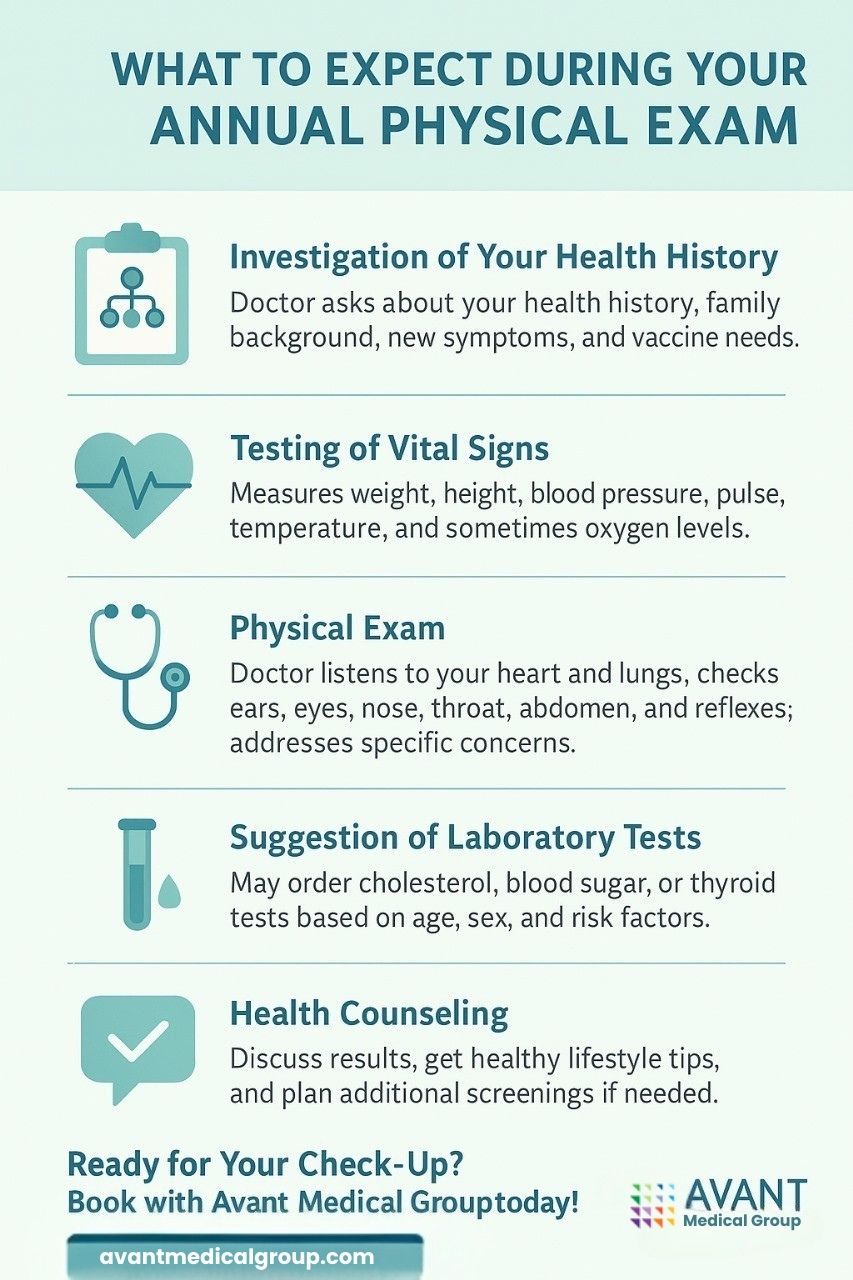
The answer to “what happens during a physical exam” is no longer a simple list of manual checks. It is a sophisticated symphony of hardware, software, and data science. We are moving away from reactive medicine—treating problems after they appear—toward a tech-enabled “proactive” model.
In this new era, the physical exam is a high-tech diagnostic event that leverages AI to interpret data, wearables to provide context, and secure digital platforms to manage the results. While the human element—the relationship between patient and provider—remains the core of healthcare, technology has provided the tools to make that relationship more informed, more precise, and ultimately, more effective at extending human longevity. The physical exam is no longer just a check-up; it is a comprehensive digital audit of the most complex machine on earth: the human body.
aViewFromTheCave is a participant in the Amazon Services LLC Associates Program, an affiliate advertising program designed to provide a means for sites to earn advertising fees by advertising and linking to Amazon.com. Amazon, the Amazon logo, AmazonSupply, and the AmazonSupply logo are trademarks of Amazon.com, Inc. or its affiliates. As an Amazon Associate we earn affiliate commissions from qualifying purchases.